

Table of Contents
- Why Special Swing Shoes?
- Benefits of Suede Soles
- Classic Vintage Styles
- Choosing Lindy Hop Shoes
- Dance Shoe Maintenance
- Optimal Grip and Slide
- Frequently Asked Questions
Have you ever tried to do a fast Lindy Hop swing-out in high-friction sneakers, only to find out that your ankles almost got tangled? The right swing shoes are essential for your technique; they have a smooth sole of suede or leather that allows you to turn effortlessly without straining your joints. Whether you choose authentic vintage lindy hop shoes or modern variants, the balance between grip and slide determines how comfortably you stand on the dance floor.
In the years I've been teaching, I've seen countless dancers struggle with unnecessary fatigue simply because their footwear offered too much resistance on the wooden floor. I personally swear by a sole that has just enough 'slide' for those smooth kicks, but doesn't let me slip during a powerful Charleston. Good swing dance shoes are an investment in your dancing pleasure and, more importantly, your knees. In this guide, I share my experience regarding materials and styles, so you know exactly what to look for when purchasing your first or next pair of swing shoes.
Why Special Swing Shoes?
What I often see with beginners attending their first Lindy Hop workshop is that they show up in their trusted sneakers with thick rubber soles. While those are fine for a walk in the park, they are actually your biggest enemy on the dance floor. A common mistake is the thought that you need 'grip' to keep from slipping. In practice, the opposite is true: in swing dancing, you actually want a controlled amount of smoothness. When you make a fast triple step or perform a 'swivel', your foot must be able to turn without resistance from the floor. If your shoe sticks while your body keeps turning, your knees and ankles absorb the torsion. This is a recipe for long-term injuries. In practice, I see that dancers who switch to real swing shoes with a suede or smooth leather sole immediately experience more freedom in their movements and suffer less from tired joints after a social dance night.Protection of your joints and technique
The anatomy of a swing dance movement is unique. Think of the constant 'pulse' or bounce we use in Lindy Hop. You are constantly in motion, often on the ball of your foot. Special lindy hop shoes are designed with the right balance between cushioning and floor feel. Unlike modern sports shoes, which often have a heel that's too thick, pushing your weight forward, dance shoes help you keep your center of gravity low and stable. What is often overlooked is the flexibility of the shoe. With techniques like the Charleston, you need to be able to stretch and bend your foot easily. A stiff shoe hinders your expression and makes your footwork heavy and clumsy. Some specific reasons why the right sole makes the difference:- Rotation capability: Suede soles let you turn without friction, which is essential for spins and tuck turns.
- Feedback from the floor: You feel exactly where your weight is, which significantly improves your balance during fast tempos.
- Weight distribution: Most vintage-style dance shoes have a flatter sole or a stable heel specifically designed for the lateral movements in swing.
The balance between style and functionality
Besides the technical aspect, the cultural context plays a major role. Swing dancing is rooted in the 1920s through the 1940s, and the clothing style of that time is inextricably linked to the dance. But make no mistake: a beautiful vintage look is worthless if the shoe doesn't function on a wooden floor. A common mistake is buying cheap vintage reproductions that are not intended for dancing; these often lack the necessary arch support. In practice, I always recommend students invest in shoes that combine both aesthetics and technical requirements. Whether you choose a classic oxford or an elegant t-strap with a low heel, make sure the sole is suitable for the floors you dance on. Good swing dance shoes are an investment in your dancing pleasure. They almost force you into the correct posture, with your knees slightly bent and your weight over the ball of your foot, exactly where you want to be during an energetic swing-out. The difference in how you interpret the music when your feet are no longer held back by rubber soles is often an eye-opener for any dancer.Benefits of Suede Soles
When you first start dancing, you might think those old sneakers in the closet will do. What I often see is that beginners start having knee or ankle pain after their first few lessons. The culprit is almost always the rubber sole of a sports shoe. Rubber is designed for grip, but in swing dancing, you actually need 'slip'. Suede soles are the gold standard here, and for good reason. In practice, suede offers the perfect balance between controlled sliding and just enough grip not to slip away during a fast kick-step.Protection of your joints
A common mistake is underestimating the torsion on your knees during a swingout or a fast turn. When your foot 'sticks' to the floor while your body keeps turning, your meniscus takes the hit. By choosing quality swing shoes with a suede sole, you significantly reduce this risk. Suede allows your foot to turn with the movement of your leg. This is essential for your long-term anatomical health. I've seen dancers who danced in sneakers for years and eventually had to stop due to cartilage wear; a good sole could likely have prevented this.Better technique and floor feel
Additionally, there is the aspect of 'floor feel'. Good lindy hop shoes with a thin suede sole let you almost literally feel the floor. This is crucial for your balance and weight transfer. In techniques like swivels – that iconic rotating movement of the hips and feet in the Charleston – you need to be able to pivot on the ball of your foot. With suede, you can make that turn with minimal effort, giving your dance style a much lighter and effortless look. In practice, I see that students who switch to suede soles progress faster with their footwork. Because the shoe doesn't fight the floor, you can concentrate fully on the rhythm of the music instead of on detaching your foot from the parquet. For those who want to get serious about their technique, specialized swing dance shoes with a suede bottom are simply the best investment you can make.Practical maintenance and versatility
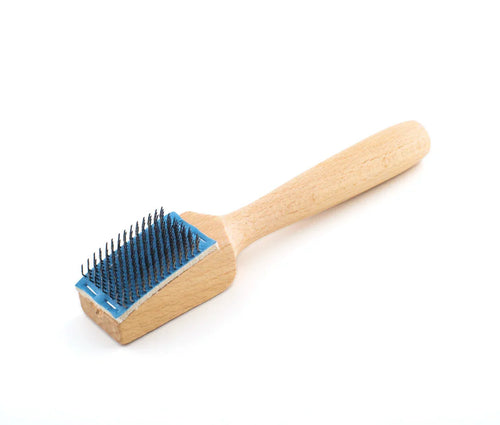
Suede is also very versatile because you can regulate the friction yourself. What I often see with heavily used shoes is that the sole 'glazes over' over time due to dust and floor wax from the dance floor. The sole then becomes mirror-smooth. A handy tip from practice: use a steel sole brush to roughen up the suede fibers again. This lets you determine how much grip you have.- Controlled friction: You slide when you want to, but stop when you need to.
- Lightweight: Suede soles are often thinner and lighter than rubber alternatives, which is less tiring for your legs during a long social dance night.
- Adaptability: By brushing the sole or letting it become smooth, you adapt your shoe to the state of the dance floor.
Classic Vintage Styles
When you start Lindy Hop or Authentic Jazz, you quickly notice that your everyday sneakers aren't always the best friends of the wooden dance floor. What I often see with dancers who switch to real classic models is that their footwork immediately becomes sharper. The vintage styles from the '30s and '40s were not just meant to look good in the Savoy Ballroom; they were functionally designed for the physical demands of the swing era. In practice, this means that the balance between grip and slide must be exactly right to prevent injuries to your knees and ankles.The T-Strap and Mary Jane: Stability for the Follow
For follows, the T-strap is an absolute classic that never goes out of style. A common mistake I see with beginners is choosing a shoe without a strap over the instep. During a fast swingout or a series of kick-steps, you don't want your heel to slip out of your shoe. The T-strap holds the shoe firmly in place, while your ankles retain full freedom for those important swivels. Regarding the heel: in practice, a lower, sturdy 'Cuban heel' works best. This distributes your weight more towards the ball of your foot, which is essential for the forward connection in the dance. When you look at quality lindy hop shoes, you often see that the heel is not too narrow. A wider heel gives you the stability you need during fast rotations, without the risk of rolling your ankle.- The T-Strap: Provides maximum lateral support and prevents the shoe from slipping off during kicks.
- The Mary Jane: A bit more subtle, but still very functional for social dance nights due to the strap over the instep.
- The Aris Allen look: Often recognizable by contrasting colors (cap-toe), which visually accentuates your footwork.
The Oxford and Spectator: The All-rounder
The Oxford is the backbone of the swing world, both for leads and for follows who prefer dancing on flat soles. A specific model I always recommend checking out is the 'Spectator shoe' – those two-tone shoes (often white with black or brown) that take you straight back to the heyday of jazz. The beauty of these swing dance shoes is the anatomy of the sole; they are often designed with a smooth bottom that extends under the arch of the foot, which is crucial for slides. A technical detail many dancers overlook is the stiffness of the sole. In practice, I see that a too flexible sole (like some modern sports shoes) can lead to tired foot muscles after a few hours of dancing. A good vintage-style Oxford has a certain stiffness that supports your foot during the constant 'pulse'. When investing in decent swing shoes, pay attention to the finish of the toe. A 'wingtip' or 'cap-toe' design is not just decorative, but reinforces the shoe in the places where the most stress occurs during your Charleston variations. Don't forget that leather needs time to mold to your foot. A common mistake is wearing your new vintage shoes immediately to a weekend-long workshop festival. Break them in at home with a pair of thick socks; the natural material will eventually close around your foot like a second skin, which is essential for the subtle weight transfers that form the basis of every good dancer.Choosing Lindy Hop Shoes
When you walk onto a dance floor for a Lindy Hop social for the first time, you quickly notice that your everyday sneakers are not sufficient. In practice, I often see dancers underestimate how much impact the constant 'pulse' and fast rotations have on their joints. Lindy Hop is an energetic dance where you are on the ball of your foot a lot to make that bouncing movement. A common mistake is wearing shoes with too much grip, such as modern running shoes with rubber tread. This completely blocks your turning movements, which in the long run is disastrous for your knees and ankles because the torsion ends up in your joint instead of in the movement on the floor.
The right balance between grip and slide
What I often see with advanced dancers is a strong preference for suede or smooth leather soles. Suede offers that specific 'sweet spot': you have enough grip to push off controlled for a powerful kick-ball-change, but you can also turn effortlessly during a swing out. However, if the floor is very slippery, suede can sometimes offer too little resistance. Therefore, I often recommend investing in quality swing shoes with a sole thick enough to provide cushioning but flexible enough to feel the ground. In practice, you see that leather soles are also very popular, especially on rougher wooden floors. The big advantage of leather is that over time it conforms to your foot and becomes 'faster' as the sole is polished by dancing.
Stability and the anatomy of the shoe
Lindy Hop requires a specific posture where your center of gravity is slightly lower and you lean slightly forward from your ankles. Because of this, flat shoes or shoes with a very low, wide heel are essential for both leaders and followers. A common mistake for followers is choosing heels that are too high or too thin. While it looks beautifully vintage, a thin heel hinders your ability to find that deep, rhythmic pulse that is so characteristic of swing. When fitting new lindy hop shoes, pay specific attention to the following practical points:
- The heel counter must fit firmly: your foot must absolutely not slip during fast Charleston kicks or when you step back in a rock-step.
- The toe box must be wide enough: when landing after a jump or fast triple-step, your toes need room to spread for natural balance.
- Midfoot flexibility: you must be able to roll your foot completely without the shoe feeling stiff or restricting your movement.
- Forefoot cushioning: since you rarely land on your heels in Lindy Hop, extra padding under the ball of the foot is not a luxury for long dance nights.
In practice, I see that many dancers initially choose a certain aesthetic, but don't forget that comfort always takes precedence over the vintage look. A shoe that pinches after an hour of dancing will immediately negatively affect your technique; you will unconsciously shift your weight to avoid pain, which disrupts your balance and your connection with your partner. If you're in between two sizes for a leather shoe, often choose the tighter option. Quality leather always stretches a bit and will mold to the unique shape of your foot. A good pair of shoes is not just an investment in your style, but especially in your stamina on the dance floor.
Dance Shoe Maintenance
You've finally found those perfect swing shoes, but after three nights on a dusty wooden floor, you notice you're starting to lose grip. What I often see with dancers who are just starting out is that they think their shoes are 'done' as soon as the sole becomes slippery or sticky. In reality, it's usually just a layer of compressed dust, skin oils, and floor wax that has built up. In practice, consistent maintenance is the difference between dancing for a single season or enjoying your investment for years.
How to brush
The most important tool in your dance bag is undoubtedly the steel suede brush. A common mistake is only brushing when your sole feels like an ice rink and you no longer have control over your triple steps. I always advise my students to brush preventatively, preferably before starting each social dance night. If you notice that you no longer feel resistance during a fast Charleston step, it's time to 'open' the suede fibers again.
- Always brush with short, powerful strokes from the center toward the outside of the sole.
- Don't press too hard; the goal is to pull the dirt out of the fibers, not to completely sand away the suede.
- Do you see black, shiny spots on the sole? That is accumulated dirt. Brush specifically on those spots until the dull, rough texture is visible again.
Moisture control and shape retention
Swing dance is physically intensive and your feet produce more moisture than you would initially think. A crucial practical detail: leather is a natural product that molds to your foot when it's warm and damp. If you leave your lindy hop shoes in a sealed plastic bag after a sweaty class, the leather doesn't get a chance to recover. This causes shoes to 'bag out', especially around the heel and instep, making the necessary stability disappear.
What I often recommend is using cedar shoe trees. Cedar wood not only absorbs moisture but also neutralizes the odors that are inevitable after a night of heavy dancing. Moreover, it helps maintain the specific vintage shape of your shoes, which is essential for models with a thinner sole that tend to curl up at the toe.
The golden rule for suede soles
It might sound obvious, but never wear your swing dance shoes outside the dance floor. I still too often see dancers walking from the parking lot directly into the hall on their dance soles. A single raindrop or a small stone can permanently damage the structure of the suede. Suede acts as a sponge for dirt and moisture from the street. Once the sole is saturated with oil or water, it loses its unique sliding properties. If you do accidentally step on a wet surface, always let the shoes dry at room temperature. Never put them near a heater; the heat causes the leather to dry out and crack, losing the flexibility you need for your footwork.
Optimal Grip and Slide
What I often see on the dance floor is that dancers underestimate the impact of their soles on their technique. In practice, the ratio between grip and slide is the most important factor that determines whether you go home with supple muscles or with painful knees after a night of social dancing. In swing dances like Lindy Hop, everything is about momentum and rotation. If your soles have too much grip, such as with standard sports shoes with rubber soles, you block the natural rotation of your joints.
A common mistake is thinking you need "grip" to keep from slipping. While you don't want to be skating across the floor, you actually need a controlled 'slide' for your triple steps and swivels. When you start a fast turn on a high-friction floor and your shoe "sticks", your knee absorbs the full torsion. This is a recipe for meniscus or ligament injuries. That's why I always recommend investing in specific men's swing shoes or women's models equipped with a suede or smooth leather sole.
The Suede Sole: The Gold Standard
In practice, suede is the most versatile choice for the average swing dancer. It offers an organic resistance: you have grip when you apply pressure for a powerful rock-step, but you slide effortlessly as soon as you shift your weight for a spin. This is due to the fibrous structure of the leather, which adapts to the texture of the wooden dance floor. Here are a few things to watch for when using suede:
- Maintenance is essential: Over time, dust and floor wax accumulate in the fibers, making the sole mirror-smooth. Use a steel sole brush to stand the fibers back up.
- Avoid moisture: Never walk outside with your dance shoes. Water ruins the texture of suede, making it hard and brittle.
- Floor type: On a very smooth, freshly waxed floor, suede can sometimes feel too slippery for beginners. In that case, a small drop of water on the sole (an old trick I often see with competitive dancers) helps for temporary extra grip.
Leather Soles for Fast Footwork
For dancers focusing more on Balboa or fast Charleston, I often see a preference for hard leather soles. Leather offers even less resistance than suede. This is ideal for the subtle 'shuffles' and small steps characteristic of these styles. If you find that you have to put in too much effort to turn in your current women's lindy hop shoes, a switch to leather might be the solution.
However, it requires more technique and balance. Because leather is less forgiving, it forces you to keep your weight perfectly over the ball of your foot. What I often advise students making the switch is to first practice on a floor they know well. You will notice that your footwork becomes lighter and you use less energy during fast songs, simply because you're fighting the floor's friction less. Ultimately, it's about your shoe becoming an extension of your foot, where you know exactly how much force to apply to make that perfect slide without losing control.
Frequently Asked Questions
What makes swing dance shoes different from regular shoes?
Swing dance shoes are specifically designed for the fast and energetic movements of dances like Lindy Hop. Unlike regular sneakers, these shoes offer the right balance between grip and smoothness. The soles, often made of leather or suede, allow you to turn smoothly without straining your knees, while the vintage style perfectly aligns with swing culture.
Why are suede soles so popular for lindy hop shoes?
Suede soles are the favorite choice for many dancers because they offer excellent control on the dance floor. They are smooth enough to perform spins and slides effortlessly, but at the same time offer just enough resistance to not slip. This makes lindy hop shoes with suede soles ideal for wooden floors, where stability and freedom of movement are essential for a good dance experience.
Are vintage style swing shoes comfortable enough for a whole night of dancing?
Yes, modern vintage style swing shoes combine the classic look of the thirties and forties with contemporary comfort. Many quality brands add extra cushioning and arch support to their designs. This allows you to enjoy a social dance or workshop for hours without suffering from tired feet, provided you choose the right size and fit that suits your foot type.
How can I best maintain my suede swing shoes?
Maintenance of suede soles is crucial for the lifespan of your swing dance shoes. Regularly use a special wire brush to loosen accumulated dirt and compressed fibers. This ensures the sole retains its friction and sliding ability. Avoid wearing these shoes outside on the street, as moisture and rough surfaces can permanently damage or ruin the delicate suede soles.
What should I look for when buying my first pair of swing shoes?
With your first pair of swing shoes, the balance between style and functionality is important. Choose a model with a smooth sole of leather or suede. Pay close attention to the firmness around the heel and the flexibility of the forefoot. For beginners, flat shoes or shoes with a low, stable heel are often the most pleasant for learning the basic techniques of lindy hop properly.
Can I use regular sneakers as lindy hop shoes?
While you can dance in regular sneakers in the beginning, they often have too much grip due to the rubber soles. This can lead to knee injuries during turns. If you still want to use sneakers, you can have them resoled with suede or use special dance patches. However, real lindy hop shoes remain the best investment for your safety and to improve your technique faster on the floor.
Where can I find authentic vintage style swing shoes?
There are several specialized online stores and physical boutiques focusing on swing dance shoes. Brands like Re-mix Vintage Footwear, Saint Savoy, or Slide & Swing are very popular within the community. Additionally, you can look for original pairs at vintage markets, but always check the condition of the leather and the soles. Online communities and local dance schools often also have good recommendations for sellers.
The beauty of swing dance shoes is that they build the perfect bridge between that irresistible vintage aesthetic and the technical comfort you need for an energetic night on the dance floor. What I especially want to tell you is that choosing a suede sole makes the absolute difference between moving stiffly and sliding effortlessly across the floor during a fast Charleston or Lindy Hop session. Remember above all that your feet are the foundation of your entire dance experience; a pair of shoes that both supports your ankles and completes your outfit gives you just that extra bit of confidence to try out new moves. If you are looking for that authentic look combined with modern wearing comfort, check out our extensive swing shoe collection for the best options. Investing in quality lindy hop shoes is not just a gift for your feet, but a sustainable upgrade for your entire dance style. Ultimately, it's about you feeling completely free to follow every rhythm and start every turn with a smile. The right shoes don't just take you to the dance floor, they let you shine there.


