

Table of Contents
- Dress Codes for Swing Socials
- Comfortable Outfits for Dance Class
- Dancing in Jeans
- Best Shoes for Swing
- Lindy Hop and Jive Clothing
- Practical Tips for Dancers
- Frequently Asked Questions
You're finally on that dance floor, the music starts, and at the first turn you notice your shoe soles are stuck to the parquet as if there's gum underneath. For a successful swing dance social, wear breathable layered clothing and shoes with smooth soles, preferably leather or suede, so you can turn effortlessly without straining your knees. In the fifteen years I've been teaching, I've seen countless dancers go wrong with sneakers that are too grippy or outfits that are soaking wet with sweat after just three songs.
Nothing kills the flow of a Lindy Hop session faster than clothing that restricts your freedom of movement. I often get asked in my classes if you need to buy expensive swing shoes immediately. While you can start perfectly fine on simple shoes with a smooth sole, specific jive shoes with the right cushioning and stability make a world of difference for your joints. It's not just about looking stylish in a vintage-inspired outfit; your clothes must move with you during every kick and pivot. I'm sharing my personal experiences and practical tips so you know exactly what to wear to keep dancing comfortably all night long.
Dress Codes for Swing Socials
What I often see with dancers going to a social for the first time is a slight panic about the clothing style. There is often the misconception that you are only welcome if you look like you just walked straight out of 1945. In practice, it's not that bad. Although the vintage aesthetic is a beautiful part of the scene, most weekly socials don't have a strict dress code. What really matters is that your clothes don't hinder your movements. Lindy Hop is a physically intensive dance; after three fast songs, you'll quickly notice if you made the right choice. A common mistake is underestimating the temperature in a crowded ballroom. Even in winter, a room becomes a sauna within half an hour. I therefore always advise students to work in layers. A cardigan or jacket is nice for arrival and the first warm-up, but make sure you wear something underneath made of breathable material such as cotton or linen. Avoid heavy synthetic fabrics; after a few dances, they feel like a plastic bag and don't wick away sweat, which is less pleasant not only for you but also for your dance partner.The balance between grip and glide
When looking at technique, your footwear is the most important part of your outfit. The anatomy of the knee is simply not built for the constant torsion that occurs during fast turns and 'swivels' if you have too much grip. What I often see with beginners is that they dance in regular sneakers with thick rubber soles. This sticks to the floor, causing your joints to absorb the impact instead of your foot rotating smoothly. In practice, good shoes make the difference between a night of effortless dancing or waking up the next day with sore ankles. For faster styles like Jive or fast Lindy Hop, look for shoes that are lightweight and have a sole that allows for a controlled 'slide'. Specific swing shoes often have a leather or suede sole that provides exactly the right amount of friction. For those focusing more on the bouncy kicks of the Jive, flexible jive shoes are a smart investment because they offer the necessary cushioning for your forefoot.Practical tips for the dance floor
Besides shoes, there are a few unwritten rules I always give my students to keep the evening comfortable for everyone. Consider the following points:- Always bring an extra shirt (or two). It is very common in the swing community to go to the locker room halfway through the evening to freshen up and put on a dry shirt.
- Pay attention to accessories. Long necklaces, large rings, or dangling bracelets can get caught in your partner's clothing or fingers during a fast 'swingout'. In practice, 'less is more' is really the standard here.
- Choose pants or skirts with enough stretch or width. In a Lindy Hop 'stretch', you exert pressure from your core and legs; if your pants are too tight, it limits your range and you even risk tearing them.
- Always wear dance shorts under a skirt or dress. In swing dancing, centrifugal force causes skirts to fly up faster than you think during a turn.
Comfortable Outfits for Dance Class
In practice, I see that new dancers often struggle with the balance between style and functionality during their first lessons. A common mistake is wearing tight jeans without any stretch. During an intense lesson, you need to be able to go deep into your knees for the characteristic 'bounce' that is essential for swing. If your pants work against you, you not only limit your freedom of movement but also fatigue your upper legs much faster because you are constantly fighting the resistance of the fabric. What I often see with students who choose cotton chinos with elastane or flexible skirts is that they move much more freely across the floor. For followers, a skirt that falls just above or at the knee is ideal; it gives that classic vintage look without you tripping over it during fast footwork variations. Don't forget the aspect of perspiration. A dance studio heats up very quickly. I always advise working in layers. Start with a cardigan or a light sweater, but make sure you wear a breathable cotton or linen shirt underneath. Synthetic fabrics quickly become sticky and smell unpleasant in a warm room, which is not ideal for social dynamics in the 'closed position'—where your chest is close to your partner's.The technical basis: Grip and Glide
Without a doubt, the most important part of your outfit is your shoes. What I often see is beginners appearing in running shoes with coarse rubber treads. This is a recipe for knee injuries. Because rubber 'bites' on a wooden dance floor, your feet stay planted while your upper body and knees want to turn. Good swing shoes are therefore crucial; they have a sole of smooth leather or suede that offers just enough 'glide' to turn, while maintaining enough grip for the push-off. In practice, each sub-style requires a slightly different approach to footwear:- In lindy hop, it's all about a grounded feeling. Flat shoes or shoes with a very low, wide heel help you distribute your weight correctly over your feet during fast triple steps and rock steps.
- For the explosive kicks and fast rotations in Jive, you need shoes that are lighter and offer extra cushioning at the forefoot. Specific jive shoes are often more flexible, making it easier to stay on the ball of your foot without overtaxing your calf muscles.
Anatomy and Long-Term Comfort
An aspect that is often forgotten is the anatomy of the foot while dancing. After an hour of intensive movement, your feet expand slightly due to blood flow and heat. A common mistake is buying dance shoes that already fit perfectly in the store; in practice, these will start to pinch after thirty minutes. Ensure a fraction of extra space at the toes, but make sure the heel is secure to prevent blisters. Additionally, the thickness of your socks is a factor you shouldn't underestimate. I often advise students to invest in seamless sports socks that wick away moisture. Nothing breaks concentration while learning a complex routine as much as a sliding foot in a damp shoe. Always bring an extra shirt for after class; the transition from a warm studio to the outside air can be treacherous for your muscles. By choosing materials that move with you and footwear that protects your joints, you can focus entirely on the music instead of physical discomfort.Dancing in Jeans
In practice, I see dancers appearing in jeans at almost every social. Especially with Lindy Hop and West Coast Swing, the threshold is low and many people choose convenience. But be warned: not all jeans are created equal. What I often see with beginners is that they underestimate how much freedom of movement you actually need for an average set. If you're dancing an authentic Lindy Hop session, where you stay low in your 'bounce' and constantly bend your knees, stiff jeans without stretch can really work against you. A common mistake is wearing 'raw denim' that is too tight or pants with a waist that is too low. During a big 'swing out' or a fast turn, you don't want your pants sliding down or the fabric cutting into the back of your knees. In practice, pants with at least 2% elastane work best. This gives just enough during a deep lunge or an unexpected dip without the pants losing their shape. Also, pay attention to the thickness of the fabric; denim is naturally a heavy material that doesn't breathe well. After three high-tempo songs, you often notice the pants becoming heavy with sweat, which unnecessarily slows down your footwork.The anatomy of the pant leg and your footwork
Something dancers often only realize afterward is the length and width of the pant leg. If you choose jeans, make sure they don't drag on the ground. What I often see happening is the heel of your swing shoes getting caught in the hem of your own pants during a fast kick or a 'charleston' variation. This is not only dangerous for yourself but can also throw your dance partner off balance. A handy practical tip: roll up your pant legs a little bit (the so-called 'cuff'). This not only gives a nice vintage look that fits well with 1940s and 50s style, but it also keeps your ankles clear. This makes your feet more visible to your partner and gives you plenty of room to correctly perform your lindy hop technique. For the gentlemen, it also prevents you from stepping on your own pant legs with your soles during a fast change step.Heat and comfort during long socials
Although jeans are robust, heat build-up is a serious point of concern. During a busy social in a warm room, the temperature rises quickly. Denim retains heat in places where you'd rather not have it, such as your groin and the back of your knees. This can lead to chafing, which can significantly ruin your dancing pleasure for the rest of the evening. If you still want to dance in jeans, choose a wider model such as a 'relaxed fit' or a 'straight leg'. These allow for more air circulation than skinny jeans. Always combine your jeans with footwear that absorbs impact. Since denim itself offers no spring and often feels heavier, it is essential that your jive shoes or swing sneakers have good cushioning. In practice, I see that dancers who combine stiff jeans with thin soles develop pain in their shins or lower back faster. A good pair of jeans is fine for an hour of practice, but for real marathon socials, I recommend looking into lighter chinos or trousers with plenty of stretch.Best Shoes for Swing
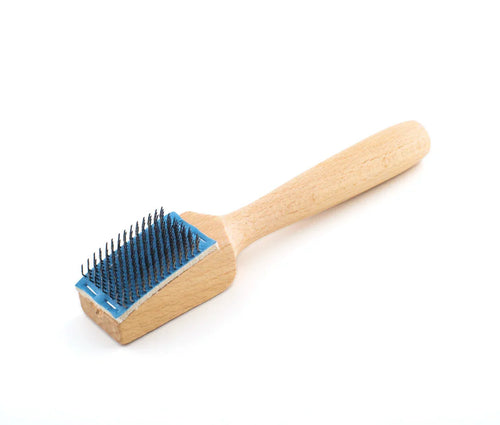
When you go to a social for the first time, your shoe choice is the most important technical decision you make. In practice, I often see beginners stepping onto the dance floor with their daily sneakers with thick rubber soles. That is a common mistake that not only hinders your dancing pleasure but can also be dangerous for your joints. Swing dances like Lindy Hop and Jive revolve around speed, rotation, and weight transfer. If your shoes have too much grip, your feet stay stuck to the floor while your body keeps turning, which puts enormous strain on your knees and ankles. What I often see with experienced dancers is a clear preference for smooth soles. The gold standard in the scene is swing shoes with a sole made of hard leather or suede. Leather is ideal because it slides just enough to pivot effortlessly (turning on the ball of the foot), but still offers a little bit of control when pushing off. Suede is slightly grippier and requires more maintenance with a wire brush, but gives you that direct contact with the floor that is essential for fast footwork variations in Jive.Grip and Glide: The Anatomy of the Sole
The anatomy of your shoe determines how you move. In practice, I see that dancers on a grippy wooden floor often choose a shoe that feels almost 'dangerously' slippery when you just walk on it. This is necessary because in a swing out or a Charleston step, you are constantly dragging your heel and the ball of your foot across the floor. A good lindy hop shoe often has a flat sole or a very low heel, so your weight remains evenly distributed over the middle of your foot. Here are a few specific things to look for when purchasing:- Flexibility: You must be able to bend your foot completely. If the sole is too stiff, you lose contact with the floor during your 'triple steps'.
- Cushioning: Swing is a high-impact dance. Especially during fast songs, your joints absorb a lot of shocks. A thin memory foam insole can make the difference between dancing all night or sitting on the sidelines with sore feet after an hour.
- Weight: The lighter the shoe, the faster your footwork. Heavy shoes make you slow and tire your legs faster during an uptempo Jive.
From Vintage Oxfords to Modern Sneakers
For the gentlemen (and followers who prefer flat shoes), classic leather Oxfords with a leather sole are the standard. They not only look authentic for the 1930s and 40s aesthetic, but they also function best technically. If you prefer a sportier look, I see many dancers in practice choosing canvas sneakers like Keds, but with a modified sole. You can have these sneakers 'resoled' with leather or suede by a specialized cobbler. For followers who want to dance in heels: keep it low and stable. A common mistake is wearing stilettos or shoes with a heel that is too high. In swing, you want a 'tapered heel' or a sturdy block heel of maximum 4 to 5 centimeters. This gives you the stability needed for fast spins and sudden stops. Make sure your jive shoes or pumps always have an ankle strap; you absolutely don't want your shoe flying off your foot in the middle of a turn. Nothing is as annoying as having to constantly 'clamp' your shoes with your toes during an energetic dance session because they might fall off.Lindy Hop and Jive Clothing
Lindy Hop and Jive are all about energy, speed, and that characteristic 'bounce'. What I often see on the dance floor is dancers being seduced by the beautiful vintage aesthetic of the 1930s and 40s, but forgetting that these dance styles are top-level sports. In practice, this means your clothing must be breathable and, above all, move with you. Nothing is more annoying than starting a swing-out and finding that your trousers limit your stretch or that your dress rides up with every kick.The balance between grip and glide
The most important choice you make is your footwear. A common mistake among beginners is wearing standard sneakers with a thick rubber sole. While that seems comfortable, too much grip forces your knees to absorb the rotation of the turns instead of your feet. For a dance like Jive, where the speed is high, you need shoes that allow you to pivot effortlessly. I usually recommend looking for specific swing shoes with a smooth leather or suede sole. This gives you just enough 'slide' to save your joints without slipping during a fast break. For followers, the choice between a heel or a flat shoe is often a point of discussion. In practice, I see many experienced dancers choosing a low, sturdy heel (the so-called 't-strap') or even completely flat shoes for faster uptempo songs. The point is to keep your weight on the ball of your foot. Good lindy hop shoes are often more flexible in the sole than standard pumps, which is essential for the anatomy of the foot during the constant bounce movement.Practical tips for the dance floor
Lindy Hop is a social dance where you stand close to your partner. An aspect that is often overlooked is the 'perspiration factor'. Because your heart rate shoots up within three songs, I recommend avoiding fabrics like polyester. Instead, choose cotton, linen, or viscose. Here are a few concrete things I always pay attention to myself:- As a lead, wear an undershirt under your dress shirt. It might sound warmer, but it acts as a buffer so your partner doesn't immediately feel a clammy back during closed position.
- For followers: always wear short shorts (dance pants) under your skirt or dress. During the fast kicks and turns of the Jive, your skirt swings up higher than you think.
- Choose high-waisted pants. In practice, these stay in place much better during bouncing and you maintain that classic vintage silhouette without having to constantly pull up your pants.
Practical Tips for Dancers
After years on the dance floor, I've noticed that the smallest details in your clothing choice make the difference between an evening full of flow and an evening full of frustration. What I often see is dancers basing their outfit entirely on the vintage aesthetic of the 1930s or 40s, but regretting it halfway through the evening because their freedom of movement is limited. In practice, swing dancing is a physical workout that demands a lot from your joints and your thermoregulation.Footwear and the Anatomy of the Dance Floor
A common mistake I see with beginners is wearing sneakers with too much grip. While this feels safe while walking, it's a recipe for knee injuries during a swing-out or a fast turn. When your foot 'bites' on the wooden floor while your body turns, that torsion goes directly to your meniscus. In practice, I see that experienced dancers always choose a smooth sole. Good lindy hop shoes usually have a sole of suede or hard leather. This allows you to slide in a controlled manner, which is essential for the typical 'triple step' technique where your weight constantly rests on the ball of your foot. If you find the floor is too slippery, I often see dancers apply a drop of water under their sole for extra traction, but on a grippy floor, a bit of dance powder or even talcum powder is a lifesaver. For followers, heel stability is crucial; a stiletto heel that is too thin can get stuck in the grooves of an old wooden floor. Better to choose a sturdy block heel that distributes the pressure across your entire heel.Heat Management and Freedom of Movement
A technique I always recommend to my students is the 'layering method'. Swing socials can feel cool at the beginning, but as soon as the band starts playing and the BPM goes up, the temperature rises rapidly. What I often see with leads is that they wear a beautiful vintage vest, but underneath it a synthetic shirt that doesn't absorb moisture. This becomes uncomfortable for your dance partner after three songs. Cotton or linen are your best friends here.- Always bring an extra shirt. In practice, many leads change their top clothing halfway through the evening to stay fresh.
- Wear clothing with stretch. In Lindy Hop, you make deep 'kicks' and 'stretches'; tight jeans without elastane hinder your anatomical range and can even tear during a deep lunge.
- For fast kicks and spins in jive, you need jive shoes that are lightweight and offer enough cushioning for the impact on the forefoot.
Safety and Etiquette on the Floor
Something that is rarely discussed, but which I often see go wrong, is the use of accessories. Long necklaces, large rings, or dangling bracelets can be dangerous during a 'tuck turn' or a 'free spin'. I have more than once seen a ring get caught in a partner's knitted cardigan, leading to painful situations and ruined clothing. Keep your accessories minimalist and smooth. Additionally, the choice of your swing shoes is also a matter of respect for the venue. Ensure your shoes do not leave black marks on the often expensive parquet floors of dance schools or vintage ballrooms. A good practical tip: keep your dance shoes in a separate bag and only put them on inside. This prevents sand or stones from getting into the soles, which could damage the floor (and your grip). By taking these practical matters into account, you no longer focus on your outfit, but entirely on the connection with your partner and the music.Frequently Asked Questions
Can you swing dance in jeans?
Yes, you can certainly swing dance in jeans, provided they contain enough stretch. Because lindy hop and other swing styles are very physical, freedom of movement is essential. Choose a lighter denim model that isn't too tight around the knees. For an authentic look, many dancers combine neat jeans with a vintage shirt or suspenders for a stylish, casual appearance.
What do you wear when you go dancing?
Swing dancing is all about comfort, breathable fabrics, and freedom of movement. Wear layers so you can take something off if you get warm while dancing. Popular choices include swishy skirts, cotton shirts, and comfortable trousers. The most important part is your shoes; choose special lindy hop or jive shoes with a smooth sole so you can turn and slide smoothly across the floor.
What are the dress codes for dancing?
For most swing socials, there are no strict dress codes unless there is a specific theme, such as a 1940s ball. The general rule is "smart casual," often with a nod to vintage styles. More important than style is etiquette: wear clean clothes and bring a spare shirt if you sweat a lot. Also, avoid sharp accessories that can get caught on your dance partner.
What should you wear for dance class?
During a dance class, functionality takes precedence over style. Wear sporty or casual clothing in which you can move unhindered, such as leggings, chinos, or a T-shirt. It is crucial to wear proper footwear from the start. Invest in decent swing shoes or use sneakers with a smooth sole to learn the techniques correctly and prevent injuries while practicing the basics of lindy hop.
Which shoes are best for lindy hop?
The best lindy hop shoes have a smooth sole, often made of leather or suede, allowing you to turn easily without friction. Brands like Slide & Swing or Remix Vintage are popular among advanced dancers. Beginners can start with sneakers that have a rubber sole that isn't too grippy. The goal is a balance between cushioning for jumps and smoothness for fast footwork variations.
Why are jive shoes different from regular shoes?
Specific jive shoes are designed to optimally support the fast, springy movements of this dance style. They are often lighter than normal shoes and have a sole that offers just enough grip for stability but is smooth enough for spins. Unlike everyday shoes, they offer extra support at the heel and flexibility at the forefoot, which is essential for intensive kicks and steps.
How do you handle perspiration during swing socials?
Swing dancing is an intensive cardio workout, so sweating is inevitable. Wear clothing made of natural, breathable materials like cotton or linen instead of synthetic fabrics. It is very common to bring a small towel and an extra set of dry shirts to a social. Also, use a good deodorant and avoid heavy perfumes so that the dance experience remains fresh and pleasant for you and your partners.
The beauty of swing dance socials is the timeless atmosphere in which everyone can be completely themselves, whether you appear in authentic vintage style or choose a modern twist. What I especially want to tell you is that your clothing should never limit you in those explosive Lindy Hop kicks or fast Jive turns. Comfort forms the basis, but your footwear is the real engine of your dancing pleasure. Above all, remember that the right sole makes the crucial difference between sticking stiffly to the floor and that wonderful feeling of gliding effortlessly across it. To prevent injuries and take your technique to a higher level, it really pays to invest in quality swing shoes specifically designed for these energetic movements. Our collection of specialized Lindy Hop and Jive shoes offers the perfect balance between grip and flexibility. Ultimately, it's not about how perfect your outfit looks, but about the pure energy and joy you share with your dance partner. Put on something that makes you feel invincible and let the music lead you.


