

Table of Contents
- The charm of swing clothing
- Choosing essential swing shoes
- Dancing in Lindy Hop style
- The best jive shoes
- Accessories for vintage looks
- Maintenance of your dance outfit
- Frequently Asked Questions
Nothing is as frustrating as a perfect swing-out that fails because your shoes stick to the floor or your skirt is too tight for a kick. Swing clothing is the collective name for vintage-inspired outfits specifically designed to support the dynamic movements of dances like the Lindy Hop and Jive without compromising on style. In my classes, I often see that the right outfit makes the difference between awkward shuffling and flying across the dance floor with confidence.
Over the years, I have learned that good swing shoes are the most important investment for any dancer. Whether you choose classic men's shoes with a smooth leather sole or flexible jive shoes with a suede bottom, it's all about the right balance between grip and glide. I've seen countless dancers struggle with knee injuries simply because their footwear offered too much resistance during a fast turn on a rough wooden floor. In this guide, I share my practical experience on which materials truly breathe during an intensive social and why that specific vintage cut isn't just for aesthetics, but is essential for your freedom of movement and technique.
The charm of swing clothing
When you first walk onto a dance floor during a social, you immediately notice that swing clothing is much more than a tribute to the '40s and '50s. In practice, I often see beginners make the mistake of focusing purely on the look of an outfit, while the true charm lies in how the clothing responds to the music and your partner. Swing clothing is a functional tool. What I often see is that an outfit can enhance the 'bounce' – the fundamental vertical movement in swing – or completely stifle it. The essence of this style lies in freedom of movement. When you initiate a swing-out in Lindy Hop, you want your clothing to follow the centrifugal force of the movement. A skirt that falls just above or at the knee and flares out wide accentuates the rotation, making the dancer appear visually larger and more dynamic. For men, the same applies to trousers: a higher waist and wider legs are not only historically accurate, but they provide the space needed for deep kicks and fast footwork variations without the fabric pulling at the thighs.The dynamics between grip and glide
A common mistake when choosing an outfit is underestimating the footwear. In dance practice, your shoe determines how you communicate with the floor. For the fast, explosive movements seen in Jive, you need a sole that isn't too grippy, but certainly not too slippery. If you dance in sneakers that are too grippy, you risk knee injuries because your foot stays stuck while your body turns. Good swing shoes usually have a leather or suede sole that provides just enough friction to stop in a controlled manner, but is smooth enough to spin effortlessly. What I often advise students who are serious about their technique is to pay attention to the anatomy of the shoe. In Lindy Hop, contact with the ball of the foot is crucial for your balance. A shoe with a sole that is too thick takes away the feel for the floor, making you slower to react to your partner's leads. The charm of the clothing thus lies in that perfect balance between vintage aesthetics and the technical requirements of the dance style.Practical tips for the dance floor
In practice, you only really notice after an hour of intensive dancing whether your choice of clothing works. Swing is a physical sport, and the temperature on a full dance floor rises quickly. Here are a few things I always look out for myself:- Choose natural materials such as cotton or linen. Synthetic fabrics do not breathe, causing you to overheat after three songs and your clothes to stick to your skin.
- Wear layers. A cardigan or jacket gives that authentic look during the first few songs, but make sure you wear something underneath that also looks good solo when the tempo picks up.
- Pay attention to heel height. For followers, I often see them choosing heels that are too high. In practice, 'wedge' heels or lower, sturdy heels are much safer for your ankles during fast jive shoes sessions where the pressure on the forefoot is constant.
- Test your range of motion. Always do a few 'triple steps' and a deep squat in the fitting room. If the fabric pinches or rides up, it's not suitable for a night out.
Choosing essential swing shoes
When you first step onto a dance floor for an evening of social dancing, you quickly notice that your regular sneakers or office shoes let you down. What I often see with beginners is that they hit the floor with great enthusiasm wearing shoes that have far too much grip. A rubber sole on a wooden dance floor causes your feet to 'stick' while your body wants to turn. In practice, this is the shortest path to knee injuries, because the torsion that should end in your feet is now fully absorbed by your knee joints. Good swing shoes are therefore not a luxury, but a necessary investment in your body. A common mistake is the idea that you must immediately dance in high heels for that authentic vintage look. Although an elegant heel looks beautiful under a swing skirt, I often advise my students to start with a flat shoe or a very low, wide heel. In Lindy Hop, your center of gravity is low and you move a lot from your knees and ankles. If you are standing on wobbly heels, you lose the connection with the floor that you need for fast triple steps and kicks.The sole: Smoothness and control
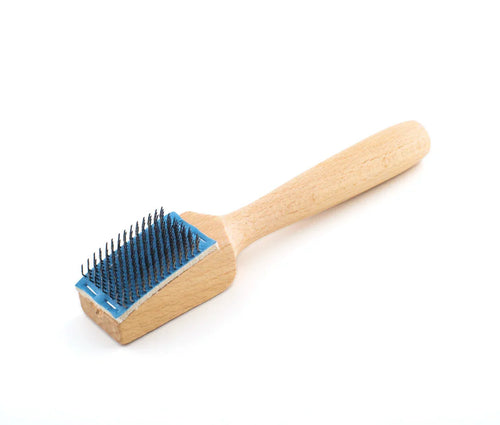
The sole is without a doubt the most important part of your footwear. In the world of Lindy Hop and Jive, everything revolves around the balance between sliding and control. A sole made of chrome leather (suede) or smooth hard leather is the standard here.- Suede soles: Ideal for most wooden floors. They offer a perfect 'slide', but require maintenance with a wire brush to prevent them from becoming slick due to accumulated dust and wax.
- Leather soles: These are often a bit smoother and harder. This can be a bit startling at first, but for experienced dancers, this offers the ultimate freedom for fast footwork variations.
- Hard rubber (vintage style): Some specialized brands use a specific type of hard rubber that is less sticky than modern sports shoes. This is useful if you also want to be able to dance outside on the street without immediately ruining your soles.
Fit and anatomy while dancing
In practice, I often see dancers buying their shoes too large. Don't forget that during an intensive session, you put a lot of strain on Lindy Hop shoes; the leather will stretch and the shoe will mold to your foot. If a shoe is already a bit loose at purchase, you will slide around. This not only causes blisters but also makes your toes 'claw' to maintain grip, leading to cramps in your arch. Look specifically at the width of the toe box. In swing dances like the Charleston or the Jive, you make many lateral movements and fast kicks. Your toes need room to spread for good balance. A shoe that is too narrow and pointed might look like authentic 1940s fashion, but after three high-tempo songs (think 200 BPM), you'll wish you had chosen a rounder model. For men or followers who prefer dancing in flat shoes: a classic 'spectator shoe' or a simple canvas sneaker with a modified sole often works best. For jive shoes, ensure there is also some cushioning in the insole, as the impact in this dance style is significantly higher due to the fast bouncing than in a slow blues.Dancing in Lindy Hop style
When you first walk into a social dance evening, you immediately notice that Lindy Hop is not a static dance. It is an energetic, almost athletic activity where the 'pulse' – that constant bouncing from the knees – forms the basis of every movement. What I often see with beginners is that they underestimate the physical impact of a night of dancing. In practice, you aren't just swaying a little; you are constantly turning, stretching, and kicking. This requires an outfit that not only breathes the aesthetics of the '30s and '40s but also holds up functionally when the tempo of the music goes up to 200 BPM.The technique behind your shoe choice
A common mistake I encounter on the dance floor is wearing shoes with too much grip, such as standard sports shoes or rubber soles. The anatomy of Lindy Hop requires you to be able to turn on the ball of your foot without your knees absorbing the friction from the floor. If your foot 'sticks' to the floor while your body turns, it's a recipe for meniscus injuries. In practice, experienced dancers therefore almost always choose swing shoes with a sole of hard leather or suede. The advantage of leather is that it gives just enough 'slide' to turn effortlessly, but still offers enough control for a powerful push-off during a swing-out. When fitting, you should ensure your heel is firmly in the shoe; as soon as your heel slips during a triple step, you lose the connection with your partner. For the men (leads), I often see that a classic brogue with a leather sole offers the best balance between style and technique. For the ladies (follows), a low, stable heel is often better than a stiletto, simply because your weight in Lindy Hop leans more forward on the ball of the foot than in, for example, ballroom.Freedom of movement and aerodynamics
Regarding clothing, there is a big difference between what looks nice in a photo and what works during a 'jam circle'. A common mistake is wearing a pencil skirt or trousers that are too tight. In practice, you need space for your legs to make those characteristic 'kicks'. For men, I often recommend trousers with a high waist and a wider cut around the thighs, also known as the Oxford Bags style. This prevents the pants from pulling at the knees when you sink deep into your pulse. Ladies would do well to test how a skirt reacts to a spin. A circle skirt made of a light fabric can fly up quite a bit during a fast turn, so a 'dance brief' or short shorts underneath is not a luxury. As the music style shifts to faster rhythms, such as in Charleston or Jive, you notice that clothing that absorbs sweat becomes essential. For these faster variants, I often see dancers switch to lighter jive shoes that allow more flexibility in the forefoot, which is crucial for fast footwork intervals.- Choose natural materials such as cotton or linen; synthetic fabrics will stick and don't breathe during intensive sessions.
- Wear layers: a cardigan or jacket for the presentation at the beginning, but make sure you wear something underneath in which you can move freely.
- Pay attention to accessories: long necklaces or loose bracelets can painfully get tangled in your dance partner's fingers during a fast turn.
The best jive shoes
When you first hear a Jive song at 180 beats per minute, you immediately notice that your feet are going to have a hard time. What I often see with dancers just starting out is that they underestimate the intensity of the kicks and the speed of the triple steps. In practice, your choice of shoes is not just a matter of style, but primarily of injury prevention. The wrong sole on a grippy floor is a recipe for knee problems, because the torsion created during a fast turn has nowhere to go if your grip is too strong.Why the sole saves your knees
A common mistake is wearing standard sneakers with a rubber sole. Rubber is designed for grip, and grip is exactly what you do NOT want during an energetic Jive or fast Lindy Hop session. When you start a spin, your foot must be able to turn effortlessly. If your shoe 'bites' into the floor, your knee joint takes the full hit. For the ideal balance between control and glide, I always recommend a sole of chrome leather (suede) or smooth leather. In practice, I find that leather is often preferred for outdoor performances or rougher wooden floors, while suede is perfect for the polished floors of dance schools. The beauty of professional swing shoes is that the sole often continues under the arch of the foot, giving you extra flexibility when stretching your point. When purchasing, pay attention to the following points:- Choose a sole thin enough to feel the floor, but thick enough to absorb the impact of kicks.
- Ensure the shoe fits snugly; every millimeter of play causes instability during fast kicks.
- Check if the heel counter is sturdy, so your foot doesn't slide during the 'rock step'.
The anatomy of the perfect heel
What I often see with followers is the tendency to choose a high stiletto heel because it looks elegant under a vintage dress. However, in Jive, your weight is constantly on the ball of your foot. A heel that is too high or too thin throws your center of gravity out of balance and makes it almost impossible to correctly execute the fast 'kick-ball-change' technique. For a stable base, I recommend a heel of at most 3 to 5 centimeters, preferably a 'Louis heel' or a sturdy block heel. Specific jive shoes often have a slightly wider base at the bottom of the heel, which is essential for landings after a hop or fast movement. For leaders, a classic leather Oxford is often the standard, but pay attention to the sole here as well. A heavy rubber sole makes your feet slow. In practice, I see that experienced dancers often choose lightweight models specifically designed for Lindy Hop shoes, as these provide the necessary cushioning in the heel without the weight of a normal work shoe. Don't forget that you need to break in your shoes. Don't go social dancing for an entire evening on a brand new pair immediately. Wear them for an hour during class first to let the leather mold to your foot. If you find you are sliding too much, you can use a wire brush to roughen the suede sole again, so you find that exact 'sweet spot' between gliding and grip.Accessories for vintage looks
Accessories in the swing scene are much more than just decoration; they are an essential part of your technical equipment on the dance floor. What I often see with dancers just starting out is that they underestimate the impact of their shoe choice on their knees and ankles. In practice, your shoe is your most important tool. A common mistake is wearing shoes with a rubber sole that offers too much grip. When you initiate a 'swing-out' or make fast 'swivels', you want your foot to be able to turn without your knee joint having to absorb the torsion.The basis: Swing shoes and sole technique
The choice of the right swing shoes depends heavily on the floor you dance on and your personal dance style. In practice, I see that advanced dancers often swear by smooth leather or suede soles. Why? Because this allows you to glide and turn with minimal resistance. If you are on a rough wooden floor, you immediately notice the difference in your stamina.- Leather soles: Ideal for fast songs and floors that are well-maintained. They offer the least resistance, which is essential for your ankle mobility.
- Suede soles: These give a bit more control. What I often advise students is to bring a wire brush to social dance evenings. If the sole becomes too slippery due to dust, you brush the suede again for the right balance between grip and glide.
- Cushioning: Look at the anatomy of the shoe. Vintage reproductions look beautiful, but ensure there is modern shock absorption in the insole to prevent fatigue in the ball of your foot.
Lindy Hop versus Jive: What to wear when?
Although the styles are related, the dynamics call for different choices. In Lindy Hop, the center of gravity is often lower and the movement is more 'grounded'. Here you see many dancers in flat shoes or shoes with a very low, wide heel. This gives you the stability needed for explosive 'air steps' or deep 'dips'. For faster dances like the Jive or Collegiate Shag, I often see people choosing specifically lighter jive shoes. The speed of the footwork patterns in Jive means that a heavy shoe can literally work against you. In practice, men often choose two-tone 'spectator shoes' that not only give the authentic '30s and '40s look but also provide the right ankle support for fast kicks and triple steps. A tip I always give: pay attention to the space at your toes when fitting. During dancing, your foot slides forward slightly; pinching toes ruin your technique because you subconsciously start distributing your weight incorrectly to avoid the pain.The finishing touch: Hair, hats, and suspenders
Besides footwear, there are small details that make your look functional. For the ladies: what I often see is that loose hair flowers or heavy necklaces pose a danger during fast turns. Use extra bobby pins placed crosswise over each other; this is the only way that iconic red rose stays put during an energetic session. For the men, suspenders are not just a style element, but a dire necessity. A belt can cut into your waist during deep bends, while suspenders keep your pants at the right height without restricting your breathing or freedom of movement. Choose variants with buttons instead of clips; in practice, clips sometimes snap loose during an enthusiastic kick, and nothing takes you out of your flow faster than a snapping suspender whipping against your partner.Maintenance of your dance outfit
You've finally scored that perfect outfit for your next social, but after three hours of intense sweating on the dance floor, it often looks a lot less glamorous than when you were standing in front of the mirror. What I often see is that dancers treat their precious clothing and footwear like everyday fashion, while the physical load during a night of dancing is many times higher. If you invest in quality vintage-style items, you want them to last longer than one season.Preserving your soles and grip
A common mistake I see with beginners is that they wear their dance shoes outside or put them directly into an airtight plastic bag after class. In practice, moisture is the greatest enemy of leather and suede. The soles of your swing shoes need love to maintain that ideal balance between glide and grip. When you notice you are starting to slip on a wooden floor, it's often because the suede fibers have been 'matted down' by a mix of dust and floor wax. In that case, use a special steel sole brush. Always brush from the center to the outside of the sole to roughen the suede again. However, be careful not to press too hard at the edges; I have seen more than once that dancers accidentally brush through the stitching of their sole, which is an expensive mistake at the cobbler.Keeping clothes fresh without wear and tear
Regarding clothing: swing styles often use fabrics such as rayon, viscose, or heavy cotton blends that have a specific drape. In practice, I see people washing their Lindy Hop clothing far too often and too hot. This affects the structure of the fibers, causing your pants or dress to lose its 'swing' after three washes. My personal routine after a sweaty workshop:- Hang your clothes immediately on a wide, wooden clothes hanger. Avoid thin wire hangers, as they create 'bumps' in the shoulders of your vintage shirts or dresses.
- Use a fabric refresher or a spray of water with a small splash of vodka (yes, really). This neutralizes bacteria and odors without exposing the fabric to the heat of a washing machine.
- Does it really need to go in the machine? Then always wash inside out on a cold program and use a laundry bag for items with buttons or delicate details.
Specific care for fast dance styles
With more intensive styles, you often see specific wear patterns. For example, with jive shoes, where fast kicks and flicks ensure the toes of the shoes endure a lot. I always advise checking the toe cap after every dance evening. See a scratch in the leather? Touch it up immediately with a good beeswax-based shoe polish. This keeps the leather supple and prevents it from cracking at the bending points of your toes. A final tip from experience: rotate your shoes. If you dance two nights in a row, give your shoes at least 24 hours to dry completely. The leather of your dance shoes absorbs more sweat than you think, and if you put them on wet again, they stretch irreparably, causing you to lose the necessary support around your ankles.Frequently Asked Questions
What exactly is swing clothing?
Swing clothing refers to fashion from the '30s, '40s, and '50s, specifically designed for dancing. Think of wide skirts, tailored dresses, and comfortable men's suits. The most important feature is freedom of movement, so you can spin effortlessly on the dance floor. The style combines elegance with functionality, where fabrics such as cotton and rayon are often used for optimal comfort during intensive dance sessions.
Which shoes are best for Lindy Hop?
Good Lindy Hop shoes should have a smooth sole, preferably made of leather or suede, to turn easily without straining your knees. For ladies, flat lace-up shoes or shoes with a low, stable heel are ideal. Men often choose classic brogues. It is essential that the shoes fit firmly around your foot and provide enough cushioning for energetic kicks and jumps.
What are jive shoes and how do they differ?
Jive shoes are specifically designed for the fast, bouncing movements of the Jive. Unlike heavier vintage shoes, these are often lighter and more flexible. They usually have a suede sole for the perfect balance between grip and glide. While Lindy Hop shoes often have an authentic vintage look, jive shoes focus more on technical support and shock absorption to comfortably perform fast leg techniques and kicks.
Where can I buy authentic swing shoes?
Authentic swing shoes can be found at specialized dance stores or online retailers that focus on vintage reproductions. Brands like Re-mix Vintage Footwear or Saint Savoy are very popular among experienced dancers. When buying, always pay attention to the quality of the sole and the material of the upper. It often pays to invest in real leather, as it molds to your foot.
What should I wear to my first swing dance lesson?
For your first lesson, comfort is most important. Wear clothing in which you can move freely, such as flexible pants or a skirt that isn't too tight. Avoid fabrics that are too heavy, as you will quickly get warm during practice. As for shoes, choose sneakers with a relatively smooth sole or shoes that don't have too much grip on the floor.
How do I best maintain my vintage swing clothing?
Maintaining vintage swing clothing requires careful handling. Most authentic pieces or high-quality reproductions are best washed by hand or on a cold program in the washing machine. Use mild soap and avoid the dryer to prevent shrinkage and wear. Iron your clothes at a low temperature to optimally preserve the shape and delicate fabrics.
Why is a leather sole important for swing dancing?
A leather sole is crucial for swing dancing because it provides the perfect amount of friction on wooden dance floors. It allows dancers to turn and glide smoothly without the shoe sticking to the floor, which prevents nasty knee injuries. At the same time, leather offers enough grip not to slip during fast movements. This makes leather soles the standard choice for any serious dancer.
Step onto that dance floor with pride; your unique vintage style is the icing on the cake of every dance step you take.


