

Table of Contents
- The Perfect Swing Shoes
- Shoes for Lindy Hop
- Choosing Fast Jive Shoes
- Clothing and Dance Accessories
- Dance Shoes versus Athletic Sneakers
- Maintenance of Dance Shoes
- Frequently Asked Questions
Have you ever tried to make a fast triple step on a stiff wooden floor with sneakers that simply refuse to give? Good swing shoes for women are essential because they offer the perfect balance between grip and slide, relieving your joints during intensive Lindy Hop or Jive sessions. In the years that I have been teaching on various dance floors, from smooth parquet floors to stiff gyms, I have noticed that the right sole makes the difference between a smooth swivel and a painful knee injury.
I often see beginners in my classes struggling with their footwork, simply because their footwear offers too much resistance. For swing dancers, it's all about that specific 'bounce' and the freedom to turn without your foot sticking to the ground. Whether you choose a classic sneaker style for a casual Jive or an elegant vintage heel for a social dance evening, comfort must always come first. A good lindy hop shoe should not only complete your outfit but also absorb the shocks of those constant rhythmic movements. In this article, I share my experience on what to look for when choosing your next pair of jive shoes, so you can dance the night away without blisters or tired feet.
The Perfect Swing Shoes
In practice, I notice that the search for the ideal pair is often a process of trial and error. What I often see with students in the studio is that they start on sneakers with a lot of grip. While that feels safe, it is disastrous for your technique. A common mistake is thinking you need grip to avoid slipping, while in swing you actually need that subtle 'slide' to save your joints. Good swing shoes should act as an extension of your foot, where the sole allows you to turn effortlessly without your ankle having to absorb the torsion. If your foot 'sticks' to the floor during a turn, that energy goes directly to your knees, and that is exactly what we want to prevent.The Sole: Leather versus Suede
When we look at the technical side of the sole, there is a clear distinction between leather and suede. In practice, I often advise advanced dancers to use smooth leather. Why? Because wooden dance floors in community centers or old ballrooms can sometimes be stiff due to humidity or dust. A smooth leather sole then gives you just that extra freedom during a fast swingout. However, what I often see with beginners is that they feel more comfortable on suede. Suede offers slightly more control and 'feedback' from the floor, which helps in finding your balance during the first lessons. Hold in mind that the choice of the sole is also closely related to the specific dance style you practice:- For the energetic kicks and the 'bounce' in the Lindy Hop, lindy hop shoes with a flat sole or a very low heel are often the best choice to keep your center of gravity stable.
- For faster styles such as the Jive or Rock-'n-Roll, I often see dancers choosing a sole that offers slightly more cushioning in the forefoot to absorb the impact of the fast steps.
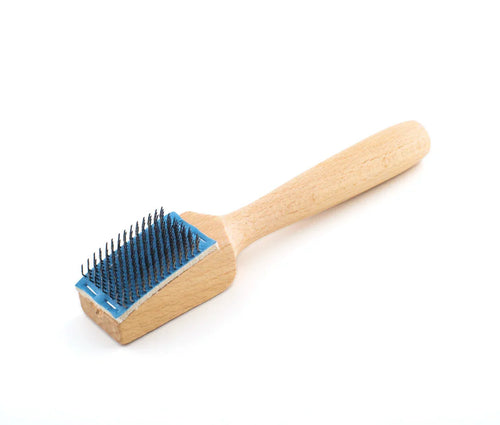
- In practice, I see that dancers who visit many different locations often have a wire brush in their bag to roughen their suede soles when they have become too slippery due to dust.
Fit and Anatomical Support
One aspect that is often underestimated is the space at the forefoot. During intensive dance sessions, your foot expands slightly due to increased blood flow and constant pressure on the ball of the foot. A common mistake is buying shoes that already fit 'exactly' in the store without taking this natural expansion into account. In practice, this often leads to blisters or pinched nerves in the metatarsals after a social dance party. The ideal jive shoes should therefore have a flexible toe, but provide enough stability around the instep and heel. What I often see in the most comfortable models is a T-strap or a sturdy ankle strap. This is not just an aesthetic choice for that authentic vintage look; it functionally ensures that the shoe doesn't 'flop' during a fast kick-ball-change or a little jump. Also, pay attention to the cushioning under the metatarsals (the ball of the foot). Because swing dancing is a 'high impact' movement, your joints need that extra layer of protection to prevent acidification in the calves and pain in the sole of the foot. If your feet already start burning after an hour of dancing, there is a good chance the insole of your shoe is too thin or offers too little support for your specific arch.Shoes for Lindy Hop
In Lindy Hop, it's all about the 'pulse' and the dynamic connection with your partner. In practice, I often see dancers make the mistake of stepping onto the dance floor with regular sneakers. While that seems comfortable, the rubber sole of a standard sneaker provides far too much resistance. What I often see is that dancers overload their knees during a swingout or a fast turn, simply because the foot stays stuck while the body is already turning. For Lindy Hop, you need shoes that let you slide, but also give you enough control for explosive kicks. A hard leather sole is the gold standard here. Leather has the unique property of being smooth enough to swivel effortlessly, but becoming grippy as soon as you apply more pressure. If you are just starting out and still looking for the right balance, I recommend looking at specific swing shoes with a flat sole or a very low heel. This helps you keep your weight well over the ball of your foot, which is essential for that typical 'low-to-the-ground' Lindy Hop posture.The balance between grip and sliding ability
A common mistake is choosing shoes with a suede sole for a Lindy Hop party outside the dance school. Where suede is perfect for the controlled environment of a ballroom, it is vulnerable on the often rougher or dusty floors of social swing events. In practice, I see that leather lasts much longer and performs more consistently on various surfaces. When purchasing, also pay attention to the flexibility of the shoe. In techniques such as the 'shorty george' or fast footwork variations, your foot must be able to move freely. A stiff sole hinders your articulation. Good Lindy Hop shoes are therefore often made of supple leather that fully molds to your foot after a few dance evenings. Don't forget that your feet can swell slightly during an intensive dance weekend due to heat and constant impact; so don't choose your size too tight, but make sure your heel doesn't slip during a kick-ball-change.Heels or flat soles?
Although iconic images from the 30s and 40s often show ladies in heels, many modern Lindy Hoppers choose flat shoes or a 'wedge'. This has a purely anatomical reason: the constant bounce in Lindy Hop can be taxing on your forefoot if you dance in high heels. If you still want some height, I recommend a heel of at most 3 to 4 centimeters with a wide base. For dancers who also venture into other styles, sturdy jive shoes can sometimes offer a good alternative, provided they are not too heavy. The most important thing is that the shoe does not block your ankles. In practice, I see that dancers standing on the right shoes make progress in their technique much faster simply because they don't have to fight the resistance of their soles. Invest in a pair specifically designed for swing; your joints will thank you after a night of dancing to uptempo tracks.Choosing Fast Jive Shoes
When the DJ puts on an uptempo Jive, you immediately notice if you are wearing the right shoes. In practice, I often see dancers who have to drop out halfway through the song, not because their fitness falls short, but because their shoes are too heavy or have too much grip on the floor. In a dance like Jive, known for its fast kicks, flicks, and constant bounce, the weight of your footwear is crucial. You don't want to feel like you have two bricks on your feet while trying to keep up with the music.Grip and turning ability on the dance floor
A common mistake I see in beginners is wearing standard sneakers with a rubber sole. Although they look sporty and seem comfortable, they cause far too much friction on the average wooden dance floor. During a fast turn or a sudden weight shift, your feet stick to the floor while your knees want to turn. That is a recipe for annoying joint injuries. What I often advise is to look for swing shoes with a suede or smooth leather sole. Suede gives you exactly that 'sweet spot': enough grip not to slip during a powerful push-off for a kick, but smooth enough to spin effortlessly without straining your ankles. In practice, this means you can keep dancing much longer without getting tired legs.The balance between heel height and stability
Unlike the often flatter lindy hop shoes, you more often see a small heel for ladies in Jive. But be careful with the height. In practice, I see that a heel above 5 centimeters causes instability in a fast Jive. Your center of gravity becomes too far forward, making your kicks sloppy and causing you to lose balance faster during the fast 'link-steps'.- Choose a sturdy block heel or a lower flare heel for maximum stability during fast movements.
- Pay attention to the closure: a strap over the instep or a T-strap is essential to prevent you from slipping out of your shoe during a kick.
- Ensure a snug fit; leather always stretches slightly, and a shoe that is too loose causes friction and blisters during fast foot changes.
Flexibility and cushioning
Jive is all about the action in the ankles and the ball of the foot. If your sole is too stiff, you cannot roll your foot properly, which makes your dance style look wooden. What I often do to test flexibility is gently fold the shoe; the sole must move flexibly under the ball of the foot. Additionally, the cushioning in the insole is vital. Because Jive has a high impact on your joints, you want a shoe that absorbs the shocks of the jumps. Our collection of jive shoes is often equipped with extra padding under the forefoot. This small detail makes the difference between sitting on the sidelines with sore feet after an hour or being the star of the dance floor all night. Remember that your shoes are your tools; invest in quality that supports your technique instead of working against it.Clothing and Dance Accessories
In practice, I often see dancers match their outfit entirely to the vintage aesthetics of the 30s and 40s, but lose sight of the technical side of their equipment. What I often see is that a beautiful wide circle skirt takes on a life of its own during a fast Charleston or an active Lindy Hop session. The fabric must be heavy enough not to constantly fly up, but light enough not to hinder your legs in complicated footwork variations. A common mistake is wearing clothing that is too tight around the shoulders or hips, preventing you from properly transferring the 'stretch' that is so characteristic of swing dancing to your partner. Your clothes should move with you, not work against you.
Functionality meets Vintage Style
When looking for the right swing shoes, it is essential to also look critically at your socks or tights. In dance class, I regularly see students struggling with blisters because they wear standard cotton socks that hold moisture and wrinkle. My advice from the dance floor: invest in thin, seamless socks or specific dance tights with a reinforced footbed. This prevents your foot from sliding in the shoe, which is crucial for the explosive movements and fast kicks of the Jive. The friction between your foot and the inside of the shoe must be minimal to maintain full control over your pivot points and rotations.
- Choose breathable fabrics such as linen or technical cotton blends for social dance evenings to prevent overheating during a fast set.
- Ensure your trouser legs are not too long; pants that fall just above the ankle prevent you from catching your heels in the hem during a fast kick-ball-change in your lindy hop shoes.
- Always use a steel suede brush to roughen the soles of your shoes; too much accumulated dust makes the floor an ice rink, while a sole that is too smooth can lead to overloading your calf muscles.
Small details for better technique
An aspect that is often underestimated is the anatomy of the ankle in relation to the closure of your footwear. In Lindy Hop, where the 'bounce' comes deep from the knees and ankles, I see that dancers with a T-strap model often experience significantly more stability than with a simple ankle strap. The T-strap distributes the pressure more evenly over the instep, which helps in maintaining your balance during abrupt rhythm changes. In practice, I notice that a sturdy heel counter is essential to keep your heel in place when you bring your weight forward onto the ball of the foot. If you notice your heel coming up in the shoe, you immediately lose the connection with the floor. For those who often dance Jive, where the speed is often higher, jive shoes with a lower, stable heel are often a relief for the forefoot. Also, don't forget to bring a small towel and an extra shirt to a workshop; swing is a physically intensive sport and a fresh start after a break does wonders for your own comfort and the connection with your dance partner. Ultimately, it's about finding that balance between an authentic look and the technical support your body needs to remain injury-free.
Dance Shoes versus Athletic Sneakers
When you first start with Lindy Hop or Jive, the temptation is great to just pull your favorite pair of sneakers out of the closet. In practice, however, I see that this often leads to physical discomfort after a few lessons. Athletic sneakers are designed for grip and traction on stiff surfaces, whereas in swing dancing you need that subtle balance between grip and glide. A common mistake I see with dancers who dance in regular running shoes is that they put unnecessarily heavy strain on their knees. Because the rubber sole of a sports shoe 'sticks' to the wooden dance floor, your foot does not turn smoothly during a swivel or a fast turn, while your upper body does initiate that movement. That torsion goes directly into your knee joint, which can cause injuries in the long term. Real swing shoes, on the other hand, usually have a sole of suede or smooth leather. This material ensures that you can turn in a controlled manner without your joints absorbing the blow. What I often advise my students is to look at the flexibility and thickness of the sole. In a fast Charleston or an energetic Jive, you use the ball of your foot intensively for your footwork. Athletic sneakers often have a thick, stiff sole that hinders the natural roll of the foot. In practice, you notice that your feet get tired much faster because the shoe works against you instead of moving with your anatomy.Why technical details make the difference
The difference is not just in the retro look, but mainly in the technical construction of the shoe. In specific lindy hop shoes, the heel is often lower and the sole thinner, giving you more contact with the floor, which we call 'grounding' in the dance world. This is essential for your balance during complex figures where you have to change weight quickly.- Sliding ability: Suede soles let you slide when the technique calls for it, but offer enough resistance not to slip uncontrollably.
- Weight: Dance shoes are significantly lighter than the average sneaker, which is crucial to keep up with the high tempo of an uptempo swing song.
- Cushioning in the right place: Unlike running shoes that have cushioning in the heel, good jive shoes often offer extra support under the forefoot, exactly where most impact occurs during dancing.
Maintenance of Dance Shoes
What I often see with beginning dancers is that they treat their brand new pair of shoes like regular sneakers. In practice, that is the fastest way to ruin your investment. A good pair of swing shoes is a technical tool, comparable to an instrument. If the sole no longer slides or the leather dries out, you notice it immediately in your technique during a fast swing-out or a triple step. After an intensive night of social dancing, your shoes simply need love to survive the next workshop round.The sole: Your connection to the floor
The biggest mistake I see students make is wearing their dance shoes outside on the street. Even that short walk from the car to the dance hall is fatal for suede soles. Dirt and moisture from the sidewalk soak into the pores of the leather, making the sole hard and slippery like an ice rink, or conversely stiff due to picked-up dirt. In practice, this means you lose grip during your pivots, which can be dangerous for your knees.- Always use a steel sole brush to roughen the suede sole. Brush from the center to the sides to remove dust and accumulated wax from the dance floor.
- If you notice your lindy hop shoes becoming too stiff on a wooden floor, you can use a tiny bit of dance powder, but be careful with this; too much powder makes the floor dangerous for others.
- For shoes with a smooth leather sole (often in authentic vintage-style shoes), a drop of castor oil is sometimes necessary to keep the leather supple so it doesn't crack during the bending of the foot.
Moisture management after dance class
Lindy Hop and Jive are physically demanding dances. Your feet sweat, and that moisture soaks directly into the leather and the insole of your shoes. A common mistake is leaving your shoes in your bag after class until the following week. This is the perfect breeding ground for bacteria and causes the leather to lose its shape. I always advise taking your shoes out of your bag as soon as you get home. In practice, using cedar shoe trees works best. Cedar wood not only extracts moisture from the leather but also helps maintain the shape of the toe, which is crucial for jive shoes that often endure a lot during fast kicks and flicks. Don't have trees? Then stuff some newspaper into the toes, but replace it after a few hours if it becomes saturated.Keeping the leather supple and strong
The outside of your shoe deal with 'scuffs' and streaks, especially if you do a lot of dancing where feet slide close past each other. What I often recommend is checking your shoes monthly for dry spots. Leather is a natural product and needs nourishment. Use a quality shoe cream in the correct color to nourish the leather and maintain flexibility. Pay special attention to the areas where your foot bends, just behind the toes. If the leather dries out here, deep cracks develop that can no longer be repaired. By keeping them supple, you ensure that the shoe continues to mold to the anatomy of your foot, which is essential for the subtle footwork that makes swing dancing so unique. A well-maintained pair not only lasts longer but also gives you the confidence to go all out on the dance floor without being afraid of slips or pinching shoes.Frequently Asked Questions
What should a woman wear for swing dancing?
As a woman, it is important to wear clothing that offers maximum freedom of movement. Choose a swishy A-line skirt or dress that falls just above the knee, so your legs can move freely during kicks. Combine this with a breathable top and comfortable shorts under your skirt. The most important part of your outfit, however, is the right swing shoes with a smooth sole for turning movements.
Which shoes are good for dancing?
Good dance shoes offer a perfect balance between grip and sliding ability on the floor. For styles such as swing or jive, shoes with a suede or smooth leather sole are ideal, as they facilitate smooth turning movements without straining your knees. Additionally, ensure sufficient cushioning and a sturdy fit. Whether you choose sneakers or classic heels, comfort must always be the highest priority while dancing.
Which shoes are suitable for Zumba?
For Zumba, fitness sneakers with a special pivot point under the ball of the foot are most suitable. These shoes provide the necessary lateral support and cushioning for intensive movements, while the sole is smooth enough to turn safely. Avoid standard running shoes with too much tread, as this stiffness can cause joint injuries during fast lateral movements.
Which shoes for Lindy Hop?
For Lindy Hop, shoes with a smooth leather sole or a hard rubber sole are essential to be able to slide and turn smoothly. Many dancers choose classic sneakers like Keds or special vintage-style leather shoes with a low heel. These models offer the stability needed for fast, energetic footwork. It is important that the shoes fit firmly around the foot for maximum control.
What is the difference between jive shoes and regular sneakers?
Jive shoes differ from regular sneakers by their specific sole construction and increased flexibility. While daily sneakers often have a lot of grip to prevent slipping, jive shoes have a sole of suede or smooth rubber. This allows you to make fast turning movements without resistance from the floor. Additionally, they are lighter in weight and offer extra support at the heel, which is crucial for the explosive movements in jive.
How do I maintain the suede soles of my swing shoes?
To extend the life of your swing shoes, you should regularly brush the suede soles with a special steel dance shoe brush. During dancing, dust and dirt accumulate, making the sole slippery and hard. By gently brushing against the grain, you restore the texture and grip. Avoid wearing these shoes outside, as moisture and rough surfaces can permanently damage the suede.
Are high heels suitable for swing dancing like Lindy Hop?
Although some dancers prefer a small heel for an elegant look, extremely high heels are less suitable for swing dancing. The fast kicks and jumps in Lindy Hop require stability and good balance. A low, sturdy block heel of maximum four centimeters is often an excellent compromise between style and functionality. For beginners, however, flat shoes or sneakers are often recommended to first learn the technique safely.
The beauty of the swing scene is that passion and style always go hand in hand. What I especially want to tell you is that your shoes are your most important ally on the dance floor; they should not only make you shine but also give you the stability for those fast kicks and smooth turns. Remember above all that the right sole makes the difference between an evening full of pure adrenaline or sore feet the next morning. Whether you fall for a classic vintage look or a modern variant, choose footwear specifically designed for the unique movements of Lindy Hop. Invest in quality so your technique grows faster and your confidence gets a boost. Feel free to take a look at our collection of swing shoes to find the pair that reflects your personality. Good jive shoes give you exactly that extra spring that makes every step feel effortless. Ultimately, it's about you feeling completely free to move and letting the music flow through your entire body. The dance floor is waiting for you, so put those shoes on and let yourself be carried away by the irresistible rhythm of swing.


