

Table of Contents
- Choosing the best dance shoes
- Shoes for Lindy Hop
- Stylish men's jive shoes
- Comfort and sole types
- Where to buy dance shoes
- Maintenance of swing shoes
- Frequently Asked Questions
How often I've seen a student trip over their own grip during a fast triple step is no longer countable on two hands. The best men's swing shoes combine a smooth sole with enough stability, so you glide effortlessly over the wooden floor without unnecessarily straining your joints. In my years on the dance floor, I've learned that the wrong sole not only gets in the way of your technique but also causes significant foot fatigue after just an hour of social dancing.
Good swing shoes should provide just enough 'slide' for those smooth Lindy Hop swivels, but also give enough support for the explosive kicks needed for faster songs. Whether you're looking for classic two-tone brogues or more understated jive shoes, my focus is always on the sole construction and the weight of the shoe. I often advise my students to look for chrome leather or smooth synthetic soles; stiff rubber is simply an enemy of your knees during fast rotations. In this overview, I share my personal experiences with different models that both look stylish and perform technically on the dance floor, so you can face your next dance session with confidence.
Choosing the best dance shoes
What I often see with men just starting lessons is that they pull their trusted sneakers out of the closet. Understandable, because they are comfortable, but in practice, this is one of the fastest ways to overload your knees. A common mistake is underestimating the friction between your sole and the floor. In dances like Lindy Hop or Jive, everything revolves around rotation and fast weight shifts. If your sole 'grabs' the floor too much while your body is already rotating, your joints take the hit. That’s why I always recommend investing in specific swing shoes that have a smooth sole, preferably made of hard leather or suede. In practice, you notice the difference immediately during a technique like the 'swing out'. On a stiff rubber sole, you get stuck halfway through the turn, which disturbs your balance. With a good leather sole, you glide through the movement in a controlled manner. It gives you that much-needed freedom to pivot without your ankles protesting. Moreover, authentic dance shoes simply look a lot sharper under trousers or a good pair of jeans, which also contributes to the whole vintage vibe of the scene.The sole: Leather versus suede
A question I often get from students is whether they should go for leather or suede. My experience is that this strongly depends on the locations where you dance. Suede offers fantastic control and a good connection with the floor, but it is also fragile. If you often dance on less clean cafe floors, suede quickly becomes saturated with dirt and loses its sliding properties. For the all-round dancer found both on professional dance floors and at vintage parties, leather Lindy Hop shoes are often the most durable choice. Leather only gets better with time and is easier to keep clean with a simple cloth. Additionally, the thickness of the sole is crucial. For fast dances like the Charleston or uptempo Jive, you don't want to stand on a 'platform' sole that's too thick. You lose the feeling with the floor. What I often recommend is a thin, flexible sole that allows you can use the ball of your foot well. This is essential for your footwork and prevents you from stomping across the floor like a wooden block.Fit and anatomy of the foot
When fitting your first pair, you must take the anatomy of the foot into account during dancing. Your feet expand slightly when they get warm from exertion. A common mistake is buying shoes that already pinch at the toes when trying them on. Ensure a fraction of space in the front, but make sure the heel is firmly secured. If your heel slips during a kick or a fast triple step, you immediately lose your stability. Also pay attention to cushioning. Although we often look to the '30s and '40s for style, you don't have to suffer like a dancer from that time. Modern jive shoes nowadays often have hidden shock absorption in the heel. This is a blessing for your lower back, especially if you plan to spend hours at a social dance night. In practice, I see that dancers who choose a model with a slightly raised heel often adopt a better posture because it shifts your center of gravity just a bit more to the ball of the foot, exactly where you want to be for that dynamic swing-look.Shoes for Lindy Hop
When you first step onto a dance floor for a Lindy Hop workshop, you often see a colorful collection of footwear. What I often see with beginners is that they show up in modern running shoes with huge rubber treads. In practice, that's a recipe for knee injuries. Lindy Hop is a dance full of rotation, kicks, and fast weight shifts. If your feet stay stuck to the floor while your upper body is already in a turn, your joints take the hit. A common mistake is underestimating the 'slide'. In a good swing out, you want your foot to be able to glide in a controlled manner without losing grip completely. That’s why I always advise students to look at specific swing shoes with a smooth leather or suede sole. Unlike rubber, which becomes stiff as soon as the dance floor gets a little warm or sticky, these materials offer exactly the right balance between sliding and stopping. You feel the wooden floor under your feet, which is essential for your balance during a fast Charleston section or a powerful kick-ball-change.The balance between cushioning and ground feel
In practice, I notice that the anatomy of the shoe is often overlooked. Lindy Hop has a strong 'pulse' – that constant bouncing movement from the knees. If your shoe has a sole that is too thick and soft (like many modern sneakers), you lose the connection with the floor. You start 'swimming' in your shoes, which tires your feet faster. What I recommend when fitting new lindy hop shoes is to pay attention to the following points:- Flexibility of the sole: You should be able to roll your foot easily for the typical triple steps. A stiff sole hinders your rhythm.
- Heel closure: Nothing is more annoying than a shoe that slips at the heel during a fast swing-out. The shoe should fit like a second skin around your instep.
- Toe box width: Your toes need room to spread for stability, especially during landings after a jump or a fast variation.
Style versus functionality on the dance floor
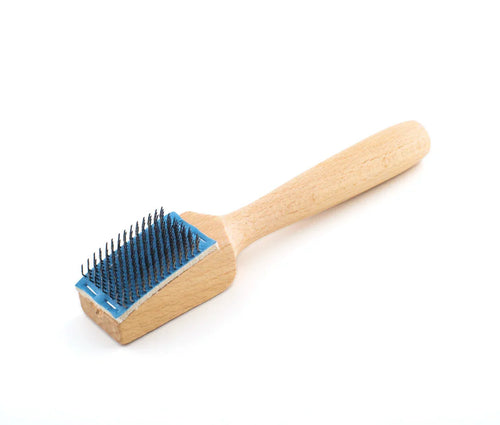
Let's be honest: the aesthetics of the '30s and '40s are a big part of the culture. The classic 'Spectator' (those two-tone shoes) or a sleek cap-toe brogue look fantastic, but they must be technically correct. A heavy office shoe is often too stiff and has a heel that is too high, shifting your center of gravity too far forward. This disturbs your 'posture', making your lead feel heavier for your partner. In practice, I see that the most experienced dancers often choose a model that strikes a balance between a dress shoe and a sporty sneaker. Think of a flexible lace-up shoe with a thin midsole. This gives you the vintage look that fits the music, but with the comfort you need to keep going all evening at a social dance. Don't forget that suede soles need maintenance; regularly use a small steel brush to roughen the leather so you don't slip when the floor gets slippery from the evening's dust.Stylish men's jive shoes
At jive, everything revolves around speed, energy, and precision. While you might get away with heavier shoes during a quiet blues, in the jive you will immediately notice your legs getting heavy if you don't have the right material on your feet. In practice, I often see that dancers have trouble with their kicks and flicks, not due to a lack of technique, but simply because their shoes offer too much resistance against the floor or are simply too heavy for the high tempo. What I often see is that men choose their finest leather office shoes to wear with trousers. Although that looks fantastic in photos, the reality on the dance floor is often less rosy. These shoes usually have a thick rubber sole that 'grabs' the floor or they are so stiff that the natural movement of the foot is blocked. For a good jive, you need a shoe that moves with the ball of your foot and allows you to react lightning-fast to the music.Weight and flexibility: why every gram counts
A common mistake is underestimating the weight of your footwear. In the jive, you are constantly in motion; you are bouncing and shifting your weight rapidly from one foot to the other. When I teach, I notice that students dancing in light swing shoes last much longer at a high tempo. A heavy sole acts like an anchor, causing you to suffer from tired calves or even shin splints after just three songs. When purchasing, pay specific attention to the flexibility of the sole. You should be able to bend the shoe quite easily at the ball of the foot with one hand. This is crucial for the anatomy of your movement; during the 'chasse', you step on the ball of your foot first before putting your heel down. If your shoe is too stiff, you force your foot into an unnatural position, which in practice often leads to pain in the arch after a long night of dancing.Sole choice for fast kicks and flicks
The choice between suede and smooth leather is a frequently discussed topic. In practice, this strongly depends on the floor you dance on most. Suede offers the perfect balance between grip and glide, which is essential for fast turns and spins. However, on a sticky cafe floor, suede can actually provide too much friction. That's why I often advise men to look at specific jive shoes with a hardened leather sole or a hybrid sole specifically developed for the fast footwork techniques of the swing family.- Choose a model with a firm lace-up closure; this ensures the shoe stays tight around the instep during explosive kicks, so you don't fly out of your shoe.
- Avoid shoes with a wide edge (the so-called 'welt') on the side of the sole, as this can make you trip over your own feet more easily during tight steps.
- Ensure sufficient cushioning in the heel. The constant impact of the jive-bounce must be absorbed somewhere, and your knees will thank you for a shoe with a shock-absorbing insole.
Comfort and sole types
When you stand on a social dance floor for a full evening for the first time, you really notice what the wrong shoes do to your body. A common mistake I often see in my own students is that they start in regular sneakers with a thick rubber sole. In practice, this is asking for injuries. Rubber "grabs" the floor, while in a dance like the Lindy Hop, you actually need to be able to pivot and turn. When your foot stays stuck but your body keeps turning, your knees take the impact. That's why the choice of sole is the most important part of your search for good swing shoes.Suede versus smooth leather
In the dance world, you roughly have two camps: the suede lovers and the leather purists. What I often see is that beginners feel safer on suede. Suede offers a natural form of "controlled gliding." You have enough grip not to slip during a powerful push-off, but you can still turn effortlessly without straining your joints. The disadvantage? Suede is fragile. If you accidentally step on a wet floor at the bar, it loses its gliding properties. In practice, I always recommend having a special steel brush in your bag to roughen the fibers again if they have become smooth and dirty. Smooth leather soles are the traditional choice for the authentic vintage look. These soles are often a lot faster. On a wooden floor that has just been waxed, this can feel like dancing on ice. However, for advanced dancers who do a lot of lindy hop, leather gives unprecedented freedom for footwork and slides. It also forces you to center your balance better over your feet, because the shoe "corrects" you less than a more high-grip sole.Cushioning and the anatomy of swing
Besides the bottom of the shoe, the inside is at least as important. Swing dances like the Charleston or a fast Jive are physically demanding and have a high impact due to the constant "bounce." A thin, flat sole without any cushioning will start to hurt your heels and the ball of your foot after an hour. When fitting, pay specific attention to the arch support. Many classic men's shoes are quite hard inside. What I often do myself, and what I also advise my students, is adding a thin gel insole for extra shock absorption, provided the shoe offers enough space for it. When choosing jive shoes, it is also crucial that the heel is firmly secured. In practice, I often see men buying their shoes slightly too large "for comfort," but during fast kicks, the heel then slips out of the shoe. This disturbs your balance and can lead to blisters. A good swing shoe should feel like a second skin: firm around the instep and heel, but with enough room at the toes to be able to spread during the landing of a jump or variation.- Choose suede soles if you want maximum control on different types of floors.
- Go for leather soles if you love speed and incorporate many slides into your dance style.
- Check if the insole offers enough cushioning for the constant 'pulse' and bounce of the dance.
- Ensure the heel counter doesn't cut in but fits closely to prevent slipping during kicks.
Where to buy dance shoes
What I often see with men just starting Lindy Hop or Jive is that they pull the first smooth office shoe they find out of the closet. While that works fine for a first trial lesson, in practice you quickly notice that a standard sole is not designed for the biomechanics of swinging. A common mistake is buying shoes with a rubber sole that has too much 'grip'. In a dance like the Lindy Hop, where you turn a lot on the ball of your foot, too much resistance can lead to nasty injuries to your knees and ankles. You want a sole that glides when necessary but doesn't make you feel like you're standing on ice.
Specialized dance stores versus online specialists
In practice, you actually have two options: the physical dance specialty store or specialized online shops. If you are investing in a decent pair for the first time, I often advise going to a physical store. Fitting is crucial for men's dance shoes because sizing often differs from your daily sneakers. A dance shoe must fit your foot like a second skin; every millimeter of play between your heel and the shoe causes instability during a fast triple step.
When looking online, you often see brands that specifically focus on the vintage aesthetic of the '30s and '40s. Brands like Saint Savoy or Aris Allen are the gold standard in the community. What makes these shoes different from a regular brogue is the balance. A good dance shoe has a heel placed exactly so that your weight is shifted slightly more to the ball of the foot, which is essential for your 'bounce'. If you look at specific men's swing shoes, pay attention to the sole: suede (chrome leather) is fantastic for indoor wooden floors, while hard leather is more all-round and also survives outdoors on a festival floor.
What to look for when making your purchase
I often get asked if you can just 'resole' sneakers. While that is a budget-friendly option, you often miss the lateral support that a real dance shoe provides. When buying your first pair, I advise looking at the following points:
- Sole flexibility: Can you roll your foot well? For Jive, you often need a bit more cushioning, while for Lindy Hop you want to feel more contact with the floor.
- The material: Leather breathes. In a hot dance hall after three hours of social dancing, you will be grateful you didn't choose synthetic material.
- Sole treatment: Check if the sole is suede. This requires maintenance with a steel brush to keep the grip optimal.
Another option I often see with advanced dancers are the so-called hybrid models. These are shoes that look like a sporty sneaker but have the technical properties of a dance shoe. Especially if you are prone to shin splints or if you put in many hours on the floor, these jive shoes with extra shock absorption are a wise investment. Don't forget that your shoes are your most important tool; saving on quality in this sport often means saving on your own physical condition. Go for a model that not only matches your vintage outfit but also provides your arch with the support it needs during those fast Charleston kicks.
Maintenance of swing shoes
You've finally found those perfect swing shoes that are both comfortable and have that classic vintage look. But after three nights of sweating during an intensive Lindy Hop workshop or a fast Jive session, they often look a lot less fresh. What I often see in practice is that dancers simply throw their shoes in their bag and only look at them again at the next lesson. That is the fastest way to let the leather crack and the soles lose their grip.
Unlike regular sneakers, dance shoes require a specific approach. Your shoes don't just deal with friction on the floor, but also with a huge amount of perspiration moisture on the inside. If you do nothing about this, the material loses its shape and the anatomical support of the footbed is lost.
The holy grail of the suede sole
A common mistake I see beginners make is neglecting the suede sole. After a few dance nights, the sole collects dust, wax from the floor, and skin oils, creating a smooth, shiny layer. You then lose control during your triple steps and slip at moments when you actually need grip. For good lindy hop shoes, it is essential to regularly roughen this layer.
- Always use a special steel shoe brush. Brush from the center of the sole toward the edges to stand the fibers back up.
- Do not force the brushing; you want to remove the dirt, not completely scrape off the suede.
- NEVER wear your shoes outside. As soon as suede soles come into contact with moisture or street dirt, they warp and lose their unique turning properties.
- Do you see the sole becoming truly 'bald'? Don't stick something on it yourself with superglue, but take them to a specialized cobbler who has experience with dance shoes.
Moisture control and keeping the leather supple
If you look at the construction of quality jive shoes, you often see thin, supple leather intended to move with your foot. However, this leather is vulnerable to salts from your sweat. In practice, I often see dancers putting their shoes in a closed plastic bag immediately after dancing. This is disastrous; the leather cannot breathe and starts to rot or smell.
My advice is to place wooden (preferably cedar) shoe trees in your shoes immediately after returning home. Cedar wood pulls the moisture out of the leather and neutralizes odors, while the tension ensures the toe of the shoe doesn't curl up after an evening of intensive footwork. Do you have a pair of leather shoes with a smooth sole for those extra fast slides? Then regularly grease the upper with a neutral shoe cream. Do this in moderation, however; too much grease makes the leather too soft, causing you to lose the lateral support you need for your anchor steps and swivels.
Finally: give your shoes a rest. If you dance several times a week, it is smart to alternate between two pairs. The leather needs at least 24 hours to dry completely and return to its original shape. Through this small investment in time and care, your favorite dance shoes will last not one, but three or four seasons without losing their stylish appearance.
Frequently Asked Questions
Which shoes are best for dancing?
The best shoes for dancing have a smooth sole made of leather or suede, allowing you to turn easily without straining your joints. For swing dances like Lindy Hop or Jive, sturdy lace-up shoes with a low heel are ideal. They provide the necessary stability and cushioning for fast foot movements. Ensure the shoe fits well to prevent blisters during intensive dance sessions.
What are nice shoes for men?
For a stylish look on the dance floor, classic two-tone brogues, also known as spectator shoes, are an excellent choice. These shoes combine elegance with an authentic vintage swing look. Additionally, minimalist suede sneakers or leather lace-up shoes in cognac or black are timeless options. Choose shoes that both reflect your personal style and offer comfort while dancing different swing styles.
Where do you buy Zumba shoes?
While swing shoes specifically target vintage styles, Zumba shoes are best found at specialized sports stores or online dance shops. Brands like Zumba Fitness and Reebok offer models with extra cushioning and pivot points on the sole. For swing dancing, however, we recommend looking at specific dance shoes with leather soles, as sporty Zumba shoes often have too much grip on wooden floors.
Which shoes for Lindy Hop?
For Lindy Hop, shoes with a smooth leather or suede sole are essential for gliding and turning smoothly. Men often choose classic lace-up shoes with a flat sole or a very low heel for maximum stability. Brands specialized in vintage reproductions often offer the best balance between authentic '30s style and modern comfort, which is crucial for energetic movements.
What are the best shoes for the Jive?
For the fast and energetic Jive, lightweight shoes with plenty of flexibility are the best choice. Many dancers prefer shoes with a suede sole for the right amount of grip and glide on the dance floor. Because the Jive requires a lot of springiness and kicks, good shock absorption in the insole is important to prevent fatigue. Choose a model that fits firmly around the instep.
Why are leather soles important for swing shoes?
Leather soles are crucial for swing dancing because they offer the perfect balance between grip and smoothness. This allows you to perform spins and slides effortlessly without your feet sticking to the floor, which effectively prevents injuries to the knees and ankles. Moreover, leather soles mold to your movements over time, providing a natural feel and better control while dancing.
How do you maintain suede soles of dance shoes?
To keep suede soles in top condition, you must regularly roughen them with a special steel dance shoe brush. This removes accumulated dirt and smooth wax from the dance floor, allowing the sole to maintain its necessary grip. Use these shoes exclusively indoors on a clean floor to prevent moisture or street dirt from damaging the suede. Proper maintenance significantly extends the life of your swing shoes and improves your performance.
The beauty of the right swing shoes is that they not only complete your outfit but also immediately increase your dancing pleasure. What I especially want to tell you is that the right balance between grip and smoothness makes the difference between a stiff evening and effortlessly floating across the floor. Remember above all that comfort in intensive styles like Lindy Hop and Jive is not a luxury, but an absolute necessity for your joints. Your feet deserve that extra support during those fast kicks and spins, so you can be back on the floor the next day without any aches.
If you are getting serious, invest in quality that lasts for years; your technique will noticeably improve. Take a look at our men's swing shoes for models that are both stylish and functional. Also for more specific lindy hop shoes, you will find options with us that give you that authentic vintage feeling with the comfort of today. Ultimately, it's about being able to lose yourself completely in the music. The right shoes give you the freedom to feel every beat and show your own unique style with pride.


