

Table of Contents
- The Basics of Argentine Tango
- Elegant Outfits for the Milonga
- Comfort versus Style in Dancewear
- Choosing the Right Tango Shoes
- Accessories for a Complete Look
- Maintenance of your Dance Wardrobe
- Frequently Asked Questions
Have you ever stood in the middle of a passionate tanda and noticed that your skirt constantly gets caught between your knees with every step? Elegant clothing for Argentine tango is a refined interplay between visual flair and technical functionality, where the fabric must enhance the dynamics of your legs without disturbing the subtle communication with your partner. In the years that I have been teaching and standing on the wooden floor of a milonga myself every week, I have learned that even the most spectacular dress loses its value if you cannot turn freely in it or if your technique suffers because of it.
I often see in my classes that dancers are seduced by fashion that looks beautiful on paper, but falls completely short in the practice of an ocho or a fast giro. Experienced tangueras know that true elegance lies in the right slit, a top that stays perfectly in place during a close embrace, and of course tango shoes that offer the ideal balance between stability and turning ability on different surfaces. I have translated my years of experience on the dance floor into six essential tips that help you dance stylishly and confidently in 2026, with clothing that moves with your passion instead of limiting it.
The Basics of Argentine Tango
Argentine tango is often confused with the tight, almost acrobatic variant you see in Hollywood films or at ballroom competitions. In practice, social tango, as we dance it at a milonga (a tango dance evening), is a completely different world. It is an improvisational dance where communication between partners is central, without fixed choreography. What I often see with beginners is the tendency to look at the feet to see what is happening, but in tango you feel the movement through the 'abrazo' – the embrace.
An essential part of the basics is understanding the 'ronda'. On the dance floor, all couples move in lanes counter-clockwise. This requires not only technique but also social awareness. A common mistake is taking large steps backwards, which can be dangerous for other dancers. In Argentine tango, as a follower, you almost always step into the space the leader opens for you, where your weight must be fully transferred to your standing leg before starting the next movement.
Technique and Anatomy on the Dance Floor
The technique of tango rests on two pillars: dissociation and the axis. Dissociation is the ability to rotate your upper body independently of your lower body. This is crucial for making an 'ocho' (a figure-eight movement with the feet). Without this torsion in the spine, the dance becomes stiff and you lose the connection with your partner. To perform this smoothly, the right resistance with the floor is necessary. In practice, I see that ladies dancing in regular pumps often overstrain their ankles because they cannot make a 'pivot' (turn). Specially developed tango shoes are therefore not a luxury; the suede or leather sole is technically necessary to make those turning movements without locking your knees.
For men too, the basics are more than just walking a step. It’s about mastering the axis and providing a stable frame. What I often see is that men use too much force from the arms, while the 'lead' should come from the center of the body. A solid foundation starts with contact with the floor. That is why experienced dancers often choose high-quality tango shoes that offer a good balance between stability in the heel and flexibility in the forefoot.
Practical Tips for the Milonga
If you are going to a milonga for the first time, there are a few unwritten rules that make or break your basic experience. This is not just about how you dance, but how you move in the social space:
- The Cabeceo: This is the traditional way to ask someone to dance via eye contact and a small nod, avoiding direct rejection on the dance floor.
- The Tanda: You usually dance a set of three or four songs with the same partner. It is impolite to stop halfway through a tanda unless something is really wrong.
- The Cortina: A short fragment of non-tango music that indicates the tanda is over. This is the moment to thank your partner and leave the floor.
- Body Posture: Keep your weight slightly forward, on the ball of your foot. This is called the 'apilado' posture, which ensures a more intimate and stable connection.
In practice, the basics of Argentine tango are a lifelong learning process. It starts with respecting the music and your partner, and understanding that every step is a conscious transfer of energy. Whether you do a simple 'paso basico' or a complex 'giro', the essence always remains that one connection in the embrace.
Elegant Outfits for the Milonga
At a milonga, everything revolves around the subtle communication between you and your partner, but also about how you present yourself at the edge of the dance floor. What I often see is that ladies choose a beautiful dress that looks fantastic in the mirror, but as soon as they start a series of *ochos*, the fabric crawls up or obstructs the knees. In practice, freedom of movement is not a luxury; it is a requirement for good technique. An elegant outfit for the milonga should not only catch the eye during the *cabeceo*, but must also be technically supportive for the complex turning movements of Argentine tango.Movement and Texture
A common mistake is wearing fabrics that are too stiff. When you make a *boleo*, you want your skirt to accentuate the movement of your leg and not hang like a stiff tube. I often advise fabrics with a certain weight, such as jersey or silk blends with elastane. These materials are heavy enough not to blow up, but stretch with every step. Also pay attention to the slit of your skirt. In Argentine tango, the legs cross each other constantly. A slit at the back or side is essential to prevent getting stuck in your own clothing. What I often see with experienced dancers is the 'fishtail' cut: tight around the hips for an elegant silhouette, but flaring from the knee to provide room for the feet.The Role of the Right Shoes
No outfit is complete without the right footwear, and in tango, this is literally the foundation of your dance. You can wear the most elegant dress, but if you wobble on your heels, you immediately lose your presence. A stable axis starts at your sole. Make sure you invest in high-quality tango shoes that give your ankles the necessary stability during a fast *giro* or a powerful *sacada*. In practice, I see that beginners often start too high. A heel of 7 or 8 centimeters is the standard, but if you notice that your weight stays too much on the ball of your foot without being able to relax your heel, choose a slightly lower, sturdier heel. Don't forget that your dance partner also plays a role in this balance; a leader who stands firmly on his own tango shoes gives you as a follower more confidence to challenge your own axis in a *colgada* or *volcada*.Practical Tips for the Dance Floor
In addition to aesthetics, there are a few practical things to keep in mind when dancing all evening:- The Abrazo (Embrace): Avoid clothing with large beads, sequins, or sharp zippers on the chest or back. This can be painful for your partner during a closed embrace or your own hair can get caught in it.
- Perspiration: Milongas can get warm. Choose breathable fabrics. Dark colors or busy prints are smart to mask any sweat stains after an intensive tanda.
- Layering: Always bring an elegant jacket or a scarf. The transition from the warm dance floor to the cooler seating area can be treacherous for your muscles.
- Length: A skirt that is too long is a danger on the floor, not only for yourself but also for your partner's heels. The ideal length is usually just over or at the knee, or asymmetrically cut.
Comfort versus Style in Dancewear
At a milonga, I regularly see dancers who start the evening radiantly in a beautiful, tight-fitting outfit, only to sit down with a grimace after two tandas. That is a shame, because pain or discomfort is the greatest enemy of your dancing pleasure. In Argentine tango, everything revolves around the connection with your partner and the music; if you are constantly busy with a slipping strap or a skirt that crawls up, you lose that connection immediately.
What I often see with beginners is that they underestimate the technical requirements of the dance when choosing their wardrobe. Tango is a physical sport where your axis, your balance, and your turning ability (the pivot) are central. A dress can look fantastic in the mirror, but if the fabric doesn't stretch when you take a large step backward, it blocks your freedom of movement. In practice, it turns out that fabrics with a high percentage of elastane or natural materials such as silk and fine jersey work best. They breathe and move organically with your body without pinching.
The anatomy of the right shoe choice
A common mistake is wearing standard pumps or fashion heels on the dance floor. These lack the specific support your arch needs during the complex footwork patterns of tango. The right tango shoes are designed so that your weight is centered exactly above the heel, which is essential for your stability during a boleo or gancho. When purchasing, pay attention to the following points:
- Sole material: Choose suede or smooth leather. This gives you the ability to turn smoothly on the ball of your foot without straining your knees.
- Heel closure: A sturdy heel counter prevents your foot from sliding, which prevents blisters and instability.
- Flexibility: The sole must be flexible enough to allow your foot to roll through completely and to 'point' your toes.
Don't forget that tango is a social dance where you stand very close to your partner. A dress with many loose beads, large zippers at the front, or sharp accessories can irritate not only you but also your partner. I have seen more than once that a gentleman's delicate silk trousers were damaged by a hook on the lady's shoe, or that a dress got entangled in the men's tango shoes during a tight turn. Therefore, choose clothing that is 'smooth' in the embrace (the abrazo).
Temperature and durability on the dance floor
A milonga can, especially as the evening progresses and the room fills up, become quite warm. In practice, wearing layers is therefore a smart strategy. An elegant top made of breathable material with a matching cardigan or a chic scarf ensures that you stay stylish, but can also anticipate the temperature in the room. Also pay attention to the length of your skirt or dress. A slit is not just an aesthetic choice; it is a functional necessity to give your legs the room for the characteristic crossing movements of Argentine tango.
Ultimately, the best outfit is the one you forget you're wearing. When your clothing and shoes feel like a second skin, space is created for expression and improvisation. Invest in quality over quantity; a well-designed dance outfit will last for years and retain its shape, even after countless nights full of passion on the dance floor.
Choosing the Right Tango Shoes
In practice, I often see that dancers underestimate the impact of their footwear on their technique. Your shoes are not just an accessory in Argentine tango; they are your direct connection to the floor, also called the 'piso'. A common mistake is choosing a shoe purely based on appearance, while the technical construction determines whether you can still dance pain-free after an hour at a milonga.Stability and the position of the heel
What I often see with beginners is that they choose a heel that is too high before they fully master their own axis (eje). For Argentine tango, the position of the heel is crucial. The heel must be placed exactly under the center of your heel bone. If the heel is too far back, you will be pulled out of balance. You see this immediately in a shaky posture during the 'ocho'. In practice, I see that the stability of high-quality tango shoes directly influences how confidently you perform your turns. A heel height of 7 to 9 centimeters is the standard, but if you find you have trouble with your balance, a lower, sturdier heel of 5 or 6 centimeters is a much smarter choice to build your technique.The sole: Pivoting without resistance
An essential part of tango is the pivot. Whether you are making a boleo or a simple turn, you must be able to rotate on the ball of your foot without your knees absorbing the torsion. A common mistake is dancing in shoes with a rubber sole that offers too much grip. On a wooden floor in a busy milonga, you want a sole of smooth leather or suede. Leather is often the favorite because it molds to your foot over time and offers just enough 'slide'. Although this guide focuses on followers, the same principle applies to your dance partner: good men's tango shoes must have the necessary flexibility in the sole to form a stable but mobile base for leading.Fit and Anatomy
What I often see is that ladies buy their shoes a size too large "for comfort". In tango, that is disastrous. Your foot must absolutely not slide in the shoe. If your toes slide forward and come over the edge of the sole, you lose control of your footwork. When fitting, pay attention to the following points:- The heel counter must fit firmly without pinching at the Achilles tendon.
- The straps around the ankle or over the instep must hold your foot in place, so your metatarsals get the support they need during intensive footwork.
- Ensure the sole under the ball of the foot has enough padding; Argentine tango asks a lot of your forefoot because your weight is often placed slightly forward.
- Choose genuine leather or satin; these materials breathe and mold to the unique anatomy of your foot, preventing blisters during long dance evenings.
Accessories for a Complete Look
In Argentine tango, everything revolves around the connection and the intention in the movement. Accessories in this context are much more than just decoration; they must support the dance without disturbing the abrazo (the embrace). In practice, I often see dancers choosing beautiful outfits but failing in the details, causing them to constantly pull at their clothes during a milonga or, even worse, unintentionally hurting their partner.The foundation starts with the right sole
The most important 'accessory' is, of course, your footwear. What I often see with beginners is that they try to dance in standard pumps or shoes with a rubber sole. This is a recipe for knee injuries. In Argentine tango, you make extensive use of the pivot, where you turn on the ball of your foot while your axis (your eje) remains straight. If your sole has too much grip, your foot blocks while your body continues to turn. Therefore, invest in specifically designed footwear. These high-quality tango shoes are perfect for making fluid movements because the suede or leather soles provide exactly the right amount of resistance. When fitting, also pay attention to the position of the heel; it must be directly under your heel to ensure your balance during an ocho or a fast giro.Jewelry and the art of the embrace
A common mistake I encounter on the dance floor is wearing long, dangling necklaces or large bracelets. In Argentine tango, you stand chest-to-chest or in a close closed embrace. A long necklace can get caught in the buttons of your partner's jacket, or tap annoyingly against his chest during a dynamic movement. Keep the following practical matters in mind when choosing your jewelry:- Earrings: Choose studs or small hoops. Long pendants can get caught in your own hair or your partner's clothing during fast head movements.
- Bracelets: Avoid rattling charm bracelets. The sound distracts from the music and they can scratch the leader's arm during hand position changes.
- Hair accessories: A sturdy clip or an elegant flower can help keep your hair out of your face (and your partner's). Nothing is as awkward as a loose strand whipping into your eyes during a boleo.
The indispensable fan and etiquette
In a crowded milonga, the temperature rises quickly. A fan is therefore not a luxury, but an essential part of your equipment. It is not only functional for cooling down between tandas, but it is also part of the Argentine tango culture. Don't forget that the elegance of your look is enhanced by the appearance of your dance partner. A well-coordinated set of accessories for the gentleman, such as the right men's tango shoes, ensures that you form a harmonious image as a couple on the dance floor. In practice, I see that couples who coordinate their style often also radiate more calm in their dance. Finally, a tip about the bag: bring a small, elegant bag that you can easily slide under your chair or hang on a hook. Large bags take up precious space around the dance floor and can pose a tripping hazard for other dancers following the ronda (the dance line). Choose a model that fits just your fan, a lipstick, and your coins for the cloakroom. This way, your focus remains where it belongs: with the music and your partner.Maintenance of your Dance Wardrobe
You have invested in a beautiful outfit for the milonga, but the reality of the dance floor is hard on delicate fabrics and leather. What I often see with dancers just starting with Argentine tango is that they treat their clothes and shoes like regular fashion items. In practice, however, your dance wardrobe requires a very specific approach to extend its lifespan and prevent your favorite dress from becoming dull or losing its shape after just three months.
Love for your shoes
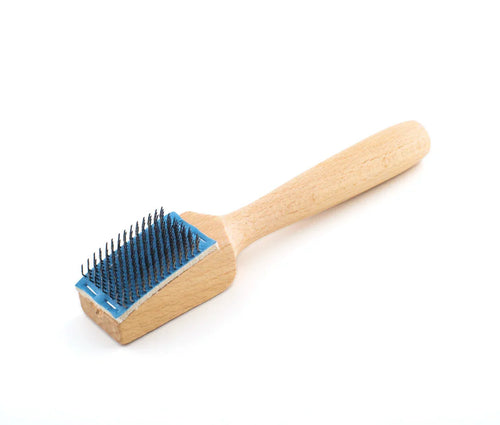
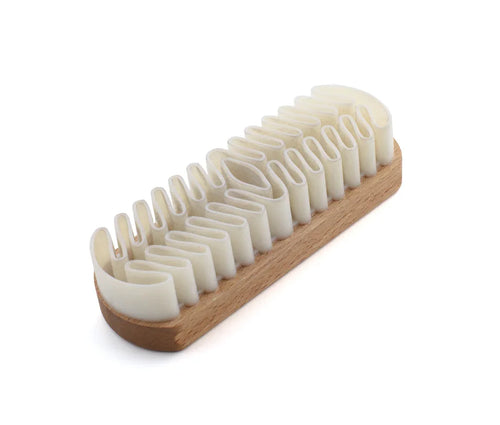
Your shoes are your most important instrument on the pista. A common mistake is neglecting the suede soles. When you notice that you have less grip during your boleos or that you start sticking when turning, it's time for maintenance. Always use a special shoe brush with steel bristles to roughen the suede again. Do this carefully from the heel to the toe. If you invest in high-quality tango shoes, it is also essential to let them air out for at least 24 hours after every milonga. Never put them directly into a sealed plastic bag; the moisture from your feet must be able to evaporate to keep the leather supple and prevent unpleasant odors.
- Brush your soles every two or three dance evenings to remove accumulated dirt and floor wax.
- Use cedar shoe trees to maintain the shape of your pumps, especially if they have become damp from perspiration.
- Regularly check the condition of your heel tips; a worn tip can damage the dance floor and disturb your balance during a fast giro.
Textiles and perspiration on the floor
In Argentine tango, physical contact is inevitable. The intensive abrazo (embrace) causes significant heat transfer, which means perspiration is your biggest enemy. What I often advise my students is to choose clothing made of natural fibers or high-quality technical fabrics that dry quickly. Do you have a dress with a lot of lace or silk? Always wash it by hand or in a laundry bag on a cold program. Constant friction with the clothing or even the rougher men's tango shoes of your dance partner can cause small snags in fragile fabrics if you are not careful.
A practical tip from the field: always bring a spare outfit or at least a clean top to a long milonga. Not only for your own comfort, but also out of respect for your dance partners. If you notice your clothes feel stiff after washing, this is often due to residual salts from sweat. A splash of natural vinegar in the rinse water works wonders to make fibers soft again and keep colors fresh. Also, remember to close zippers and hooks before putting anything in the washing machine; these can pull nasty holes in your fine tights or the delicate lining of your tango skirts during the wash.
By building in these small routines, you ensure that your dance wardrobe not only looks elegant but also remains technically functional. A well-maintained outfit gives you the confidence to concentrate fully on the music and the connection with your partner, without worrying about a loose sole or a stain that won't come out.
Frequently Asked Questions
What is the best clothing for a milonga?
For a milonga, elegant clothing that offers freedom of movement is essential. Choose a dress or skirt that falls just over the knee or has a slit, so your legs can move freely during complex steps. Fabrics such as jersey or silk are ideal because they breathe and move smoothly with you. Ensure your outfit is both stylish and comfortable for a long night of dancing.
What should I look for when buying tango shoes?
When buying tango shoes, the sole and stability are most important. Choose a suede or leather sole that allows for smooth turns on the dance floor without losing grip. The heel counter must fit firmly and the heel should be centrally located under your heel for good balance. Comfort is crucial, so try different models to find the perfect fit.
Is there a specific dress code for Argentine tango?
While there is no strict uniform for Argentine tango, etiquette leans toward classic elegance. Women often wear dresses that accentuate the legs, while men usually choose neat trousers and a shirt. The most important thing is that the clothing does not hinder the connection between dance partners. Avoid accessories that are too loose or rough fabrics that can get caught while dancing in the milonga.
How do I choose the right heel height for tango shoes?
The ideal heel height for tango shoes depends on your experience and personal preference. Beginners often choose a lower heel of 5 to 7 centimeters for more stability and balance. Experienced dancers often wear heels of 8 or 9 centimeters for a more elegant line. Always ensure your weight remains well-distributed over the shoe to prevent fatigue and injury.
Why are skirts with a slit popular in tango?
Skirts with a slit are popular in Argentine tango because they offer maximum freedom of movement without sacrificing style. The slit makes it possible to perform large steps and fast leg movements, such as boleos, unhindered. Furthermore, a slit emphasizes the dynamics of the dance and the technical precision of the feet, contributing to the visual elegance characteristic of the milonga.
Can I wear normal evening wear to a tango event?
Yes, you can certainly wear normal evening wear, provided it is functional for dancing. A tight-fitting dress made of stretch material or a pencil skirt with sufficient elasticity often works fine. Make sure the clothing is not too long to prevent tripping. Always combine your outfit with specific tango shoes for the necessary support and optimal ease of turning during Argentine tango on the dance floor.
How do I best maintain my tango clothing and shoes?
To keep your tango shoes in top condition, you should regularly brush the suede soles with a special wire brush to maintain grip. Store them in a breathable bag to prevent moisture buildup. Wash your tango clothing according to the instructions, preferably on a cold program or by hand, to preserve the elasticity of the fabrics. This way, you will enjoy your elegant dance wardrobe for years.
The beauty of Argentine tango is that your clothing is not just an outfit, but a powerful extension of your movement and expression on the dance floor. What I especially want to share with you is that true elegance always comes from comfort; a dress that moves beautifully during a turn is only truly successful if you feel completely free and confident in it. Remember above all that your foundation begins at your feet. The right tango shoes form the basis for your balance and technique, allowing you to glide across the floor of the milonga with conviction and grace.
Are you ready to embrace your own unique style for your next dance evening? Then explore our women's tango collection for pieces that perfectly accentuate your passion for the dance. Also, for the gentlemen looking for that characteristic look, we have a carefully curated men's tango collection ready. Ultimately, tango is about the magical connection between you and the music—ensure your clothing gives you the freedom to tell that story without words.


