

Table of Contents
- Essentials for Tap Shoes
- Guide to Replacing Tap Plates
- Maintenance Tips for Tap Dancing
- Pressure Settings of Tap Systems
- Installation of the Tap Tower
- Troubleshooting Tapping Issues
- Frequently Asked Questions
Nothing is as frustrating as noticing in the middle of a fast paradiddle that your sound sounds dull or, worse yet, that one of your tap plates is dangerously loose. Replacing the irons under your tap shoes is an essential part of maintenance to maintain that clear, percussive sound we love so much during tap dancing. In my years as an instructor, I have seen countless students fumbling with a screwdriver right before class, often only at the moment when the screw thread was already almost stripped due to overdue maintenance.
A good set of tap plates lasts a long time, but due to the constant impact on the wooden dance floor, they inevitably wear down or the screws lose their grip in the sole. I still remember my first pair of professional shoes; I thought they would last forever, until I noticed that my 'wings' no longer gave that sharp click. Being able to replace and adjust your taps yourself is not only cheaper than a trip to the cobbler, it also allows you to tune your instrument – because that's what your shoes are – exactly to your personal preference for resonance. In this practical guide, I explain exactly how to get this job done without damaging your soles.
Essentials for Tap Shoes
If you've been on the dance floor for a while, you recognize the sound of a loose plate immediately. It's that rattle that sounds just not quite pure during a shuffle or a flap. In practice, I often see that dancers wait too long to check their equipment, while replacing or tightening the parts should actually be a routine job to keep your sound sharp. Nothing is more annoying than losing a screw in the middle of a lesson because the vibrations of your footwork have worked things loose. Before you start tinkering, it is essential to lay out the right items. What I often see is that people get to work with a kitchen screwdriver that is too large, causing the notches in the screw heads to be stripped in no time. Ensure a well-organized workplace and collect the following items:The essential tools
- Precision screwdrivers: Most modern tap shoes use small Phillips head screws. Use a screwdriver that fits exactly; if there is too much play, you will damage the screw and you will never get it out next time.
- New tap plates: Depending on the wear, you will need a new set. It pays to invest in quality tap plates that match the size of your shoe and the desired tone color (for example, aluminum for a lighter tone or steel for more volume).
- Wood glue or toothpicks: A common mistake is to keep tightening a screw in a worn-out hole. If the wood or the composite of the sole is stripped, a little bit of wood glue or a broken piece of toothpick in the hole provides the necessary grip again.
- Loctite (blue): For the advanced dancer who doesn't want screws to constantly work loose due to the enormous impact of jumps and fast rhythms. A drop of threadlocker on the screw thread works wonders.
Quality of the base
The condition of your shoe largely determines how successful replacing the plates will be. In practice, I notice that cheaper shoes often have a sole that splinters faster, giving the screws less hold after a few changes. When choosing new tap shoes, it is therefore smart to pay attention to the thickness and material of the sole at the heel and the ball of the foot. Don't forget to lay down a soft cloth or an old towel to place the shoe on while you work. You don't want the leather of your shoes to be damaged or scratched on a hard table while you apply force to the screwdriver. Additionally, a small container for the old screws is handy; those things have a tendency to roll away as soon as they leave the sole. A pro-tip I often share with my students: also check the condition of the 'fiberboard' or the intermediate layer between the plate and the sole. Sometimes dirt or sand gets in between, which negatively affects the resonance of your shoe. A clean base ensures that clear, dry 'click' that every tap dancer strives for. Once you have these essentials complete, you are ready to tackle the anatomy of your shoe without having to fear permanent damage to your valuable equipment.Guide to Replacing Tap Plates
Replacing your tap plates is a job that many dancers postpone for too long. What I often see in the studio is that students only look at their soles when they hear a sharp, scratching sound on the dance floor. At that moment, you are actually already too late and you run the risk of damaging the studio's wooden floor. A good set of tap shoes deserves regular maintenance to maintain that clear, percussive sound we as tap dancers love so much. In practice, replacing the irons is not complicated, provided you use the right technique and the right tools.
Step 1: Removing the old plates and screws
A common mistake I often see is using the wrong size screwdriver. Always use a hand screwdriver that fits exactly into the slot of the screw; an electric screwdriver often has too much power, causing you to strip the head of the screw. Carefully unscrew the screws. If a screw is stiff, do not force it, but try to get movement with small jerks. Once the plates are off, you often see an accumulation of dust and leather residues. Clean the sole of the shoe well with a dry cloth before you grab the new tap accessories.
Step 2: Preparing and strengthening the holes
In practice, you often notice that the screw holes have become larger over time, especially with intensive use of techniques such as the 'toe stand' or heavy 'stomps'. If the screw holes are 'worn out', your new plates will be loose again in no time. A trick I always apply is filling the old holes with a little bit of wood glue and a piece of a toothpick or match. Let this harden for a while and cut away the excess wood so that the sole is flat again. This gives the screw a firm base to grip into again, which is essential for the resonance of your sound.
Step 3: Positioning and securing the new plates
Placing the new irons is a precise job. Place the plate on the sole and ensure it follows the edge of the shoe exactly, without the metal protruding over the edge. If the iron is too far forward, you can lose your balance during fast 'shuffles'.
- First place the middle screw (if there is one) to fix the plate.
- Tighten the screws finger-tight, but do not set them rock solid yet.
- Check if the plate lies flat; there should be no space between the leather and the metal.
- Then tighten all screws firmly, but stop as soon as you feel resistance to prevent splitting the sole.
Step 4: The soundcheck and finishing touches
What many dancers forget is that new plates must 'wear in'. In the beginning, they can sound a bit duller or very sharp. Walk across a hard floor for a few minutes and listen critically to the sound. Do you hear a rattle? Then a screw is not deep enough. A handy tip from practice: check all screws again after your first full lesson with the new plates. Due to the vibrations and the pressure of your body weight, they can still settle a fraction. By then tightening them another quarter turn, you prevent losing an iron halfway through a choreography.
Maintenance Tips for Tap Dancing
What I often see in the dance studio is that dancers only look at their shoes when something rattles or, worse yet, when a screw rolls across the floor during a fast shuffle. A good pair of tap shoes is a serious investment in your hobby or profession, and maintaining them determines not only how long they last, but also how you sound. In practice, I see that the lifespan of a shoe can be doubled by simply learning a few weekly habits.
The main focus in maintenance is, of course, the tap plates themselves. These metal plates catch all the blows and are responsible for those clear, percussive sounds. A common mistake is overtightening the screws. If you set the screws of your plates too tight, you stifle the resonance of the metal against the sole. The sound then becomes dull and 'dead'. What I always teach my students is the 'quarter-turn rule': tighten the screw and then give it a very small turn back. This gives the metal room to vibrate, which is essential for a full tone.
Check your equipment regularly
In addition to the technique of the dancing itself, the condition of your equipment is crucial for your safety. Loose screws can leave deep scratches in a wooden dance floor, something you as a dancer absolutely want to prevent. In practice, I recommend briefly inspecting your shoes every three or four lessons. Pay attention to the following points:
- Check if the screws still have grip in the sole; if a screw keeps spinning, the hole in the leather or wood is probably 'stripped'.
- Look at the wear on the edges of your tap plates. Sharp burrs can occur due to friction on hard surfaces and can damage your clothing or that of your dance partner.
- Check the condition of the heel. On many models, the heel is made of wood or plastic, and if the heel tap works loose, you lose stability during landings.
If you notice that the screws often come loose, you can look for specific tap accessories such as thread-locking fluids or replacement screws that are just slightly thicker. However, never use regular glue in the screw holes, because then you will never get the plates off again without destroying the sole.
Hygiene and storage of your shoes
An aspect that is often forgotten is the inside of the shoe. Tap dancing is an intensive cardio workout and your feet produce a lot of moisture. What I often see is that dancers put their shoes directly into a sealed plastic bag after class. This is disastrous for the leather. The moisture soaks into the fibers, making the leather weak and causing the screws of the tap plates to hold less grip.
Always let your shoes air dry, but never put them near a heater. The heat causes the leather to dry out and crack, which weakens the anatomical support of the shoe around your instep and heel. If necessary, use untreated cedar shoe trees; these absorb moisture and keep the shape of the toe intact, which is important for precision in toe-stands and tips. Through these small actions, you ensure that your equipment is always ready for the next lesson, without unexpected defects.
Pressure Settings of Tap Systems
You might think that a screw in a shoe simply needs to be 'tight', but with tap dancing, it's a bit more nuanced. The pressure setting of your tap plates largely determines the pitch and clarity of your sound. What I often see in the studio is that dancers tighten their screws as much as possible for fear that the plates will fall out. However, the result is often a dull, 'dead' sound without any resonance. In practice, a tap shoe actually works like a percussion instrument: the metal needs space to vibrate.
When you invest in quality tap shoes, you will notice that the plates (often from brands like Capezio or Bloch) are designed with extreme precision. The way the screw presses the plate against the sole affects the air layer between the metal and the leather or wood. A common mistake I see beginners make is ignoring this 'tuning'. They dance for months on the factory setting, while it is often much too tight for a beautiful, open sound.
Finding the right resonance
How do you determine if the pressure is right? In dance class, I often use the 'tap test'. If you tap the side of the tap with your finger, you should hear a clear, metal 'ping'. Does it sound like a dry 'thud'? Then the screw is too tight. What I often advise is to first tighten the screws hand-tight and then turn them back a quarter to a half turn. This gives the plate just enough play to resonate without the shoe feeling unstable during a fast shuffle or a powerful stomp.
- Too tight: You hear a dull sound and have to work harder (use more physical force) to create volume. In the long run, this can lead to extra strain on the small muscles in your feet.
- Too loose: You hear a rattling, impure sound. Moreover, you run the risk of the screw holes in the sole wearing out, making the repair much more difficult later.
- The ideal setting: The plate is firmly in place when you move the shoe, but produces a clear, singing tone with a light touch of the floor.
Maintenance and screw check
In practice, it is essential to check your pressure settings weekly. Due to the constant vibrations and impact on the dance floor, screws irrevocably vibrate loose. Nothing is more annoying for a teacher (or more dangerous for the dance floor) than a loose screw that leaves scratches in the wood. Therefore, make sure you always have the right tap accessories in your dance bag, such as a suitable screwdriver that fits exactly into the slot of your screws.
A technique I often see experienced dancers use is adjusting the pressure per zone. Sometimes you want the 'toe tap' (at the toes) slightly looser for fast, light accents, while the 'heel tap' (at the heel) is fixed a bit more firmly for deep, resonating bass sounds. Be careful not to force it when tightening; as soon as you feel resistance from the sole, you are at the limit of what the material can handle. It's about finesse, not brute force. By consciously working with these settings, you not only develop a better ear for your own footwork, but you also significantly extend the life of your equipment.
Installation of the Tap Tower
Mounting the irons on your shoes is a precise job that directly influences your technique and the tone color of your steps. In practice, I often see dancers simply tightening their new irons as much as possible, but that is exactly where it often goes wrong. The tap tower — the entirety of the metal plate and the way it makes contact with the sole — must have a fraction of freedom of movement to produce that clear, resonating click we strive for in the tap world. What I often see with students who replace their plates themselves is that they screw the screws in crookedly. This not only damages the wood or leather of the sole but also ensures that the iron does not lie flat. When you invest in quality tap shoes, it is essential that the base on which you mount the irons is completely flat. If the sole is uneven, you will notice that your 'shuffles' and 'flaps' sound dull because the metal does not vibrate evenly.Positioning and Alignment
The first step in installation is determining the exact location. A common mistake is placing the iron too far forward or too far back. In practice, I always maintain that the front iron (the toe tap) must follow the edge of the sole exactly, without protruding over it. If the iron comes over the edge, you risk damaging the floor or getting stuck during a fast 'pullback'.- Lay the iron loosely on the shoe and mark the holes with a thin pencil.
- Use a small awl or a thin drill (maximum 1.5mm or 2mm) to pre-drill the holes; this prevents the material of the sole from splitting.
- Check if the screw holes in the sole are deep enough so that the screw head is completely countersunk in the iron.
Tuning the Resonance
After the irons are in place, the 'tuning' begins. This is where real experience comes into play. Instead of tightening all three or four screws immediately, I first tighten them hand-tight. Then I give each screw a quarter turn back. This creates a tiny space between the iron and the sole, which is also called the 'soundboard' function. In practice, I notice that many beginners think a rattling sound means the iron is broken, but a controlled 'looseness' is exactly what gives that deep, full sound with heavy 'stamps' and a light, fast click with 'brushes'. If you tighten the screws too much, you stifle the sound and your tap dance sounds like you are tapping on cardboard. If you notice during installation that a screw hole is stripped, fill it with a small wood splinter and some glue before you screw the screw back in. This ensures a firm anchoring of your tap plates without having to replace the entire sole.Troubleshooting Tapping Issues
In the studio, I often see dancers getting frustrated because their sound is no longer 'crisp' or because their shoes simply no longer react as they are used to. They often think their technique is failing them, but in practice, the problem is almost always with the hardware. Maintaining your tap shoes is just as important as training your ankle mobility. If you notice that your sound is becoming dull or that you hear irregular clicks during a simple shuffle, then it's time to take a closer look at your equipment.
Rattling screws and pitch
A common mistake is ignoring a rattling sound that doesn't belong to the step. This is usually caused by screws that slowly come loose due to the vibrations of dancing. What I often see in advanced dancers is that they consciously loosen their screws a fraction to create a lower, fuller 'rhythm tap' sound. However, if they are too loose, you lose control over the speed of your strokes.
- Too tight screws: This 'stifles' the metal. The vibration has nowhere to go, giving you a very high, almost dead click instead of a clear tone.
- Too loose screws: You run the risk of the screw flying out during a lesson. Moreover, protruding screws can irreparably damage the dance floor.
- Irregular wear: If you notice that one side of your tap wears faster, this can indicate incorrect weight distribution. Sometimes it helps to simply turn the plates a quarter turn (if the model allows this) to extend the lifespan.
Grip and slipperiness on the floor
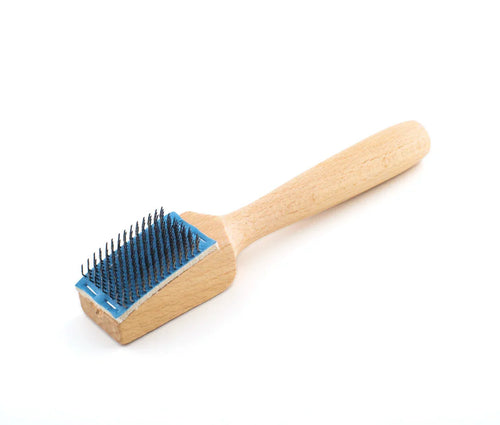
Another common problem is the balance between grip and slide. Brand new tap shoes can be dangerously slippery in the beginning, especially on a freshly waxed wooden floor. I often advise students to lightly roughen the bottom of the sole (the part between the front tap and the heel) with a wire brush or a small piece of sandpaper. However, be careful not to damage the metal of the taps themselves.
What I also often see is that the resonance of the shoe decreases because dirt or dust has gotten between the plate and the sole. This acts as a kind of damper. It is essential to occasionally remove the screws completely, blow everything clean, and secure the screws again. For this kind of small maintenance and replacing worn parts, you can visit our collection tap shoe accessories, where you will find everything to keep your sound optimal.
Repairing stripped screw holes
In practice, the biggest problem dancers face is a 'stripped' screw hole. The screw then continues to spin without finding grip in the sole. This often happens with shoes with a wooden or plastic sole after frequent changing of the plates. An old trick from the dance world that I always share: insert a small piece of a wooden toothpick with a drop of wood glue into the hole. Let it dry, cut away the excess wood, and screw the screw back in. The wood of the toothpick gives the screw the necessary 'bite' again, making your tap rock solid again and allowing you to use those double pullbacks with confidence.
Frequently Asked Questions
How high should the pressure on a tap system be?
The ideal pressure on a tap system for beer is typically between 1.2 and 1.5 bar, depending on the ambient temperature and the type of carbon dioxide. Although this technically has nothing to do with tap shoes, the correct pressure setting is essential for a constant flow. Always consult the manual of your specific installation to prevent waste and ensure a perfect foam head on your tapped drink.
How do I connect a tap tower?
A tap tower is connected by firmly attaching the beer and cooling lines to the underside of the tower with the correct couplings. Ensure all connections are airtight to avoid leaks and pressure loss. Although our guide focuses on tap shoes, a beer installation also requires precision. Use a suitable wrench to tighten everything properly for a safe and stable tapping experience at the bar.
How do you tap the best beer?
For the best result, hold the glass at a 45-degree angle without the tap touching the glass. Open the tap fully in one smooth motion. As the glass fills, slowly hold it straighter until a nice, firm foam head forms. This technique prevents excessive foam formation and ensures the optimal taste experience of your pilsner, which requires just as much practice as tap dancing.
Why is only foam coming out of my tap?
If only foam comes out of the tap, the pressure is often set too low or the temperature of the beer is too high. A kink in the line or an improperly connected keg coupler can also be the culprit. Check the CO2 meter and ensure the keg is sufficiently cooled. A stable pressure is crucial to prevent the carbon dioxide from escaping the beer prematurely during tapping.
When should I replace the plates on my tap shoes?
You should replace the plates on your tap shoes as soon as the sound becomes dull or when the screws are no longer firmly fixed in the sole. Wear on the edges of the metal can also seriously damage your dance floor. Regularly check if the plates are still completely flat and show no deep scratches. Timely maintenance ensures a clear sound and prevents unnecessary wear on your valuable professional dance shoes.
How tight should the screws of tap plates be?
The screws of tap plates should be firmly fixed, but do not tighten them so much that the wood of the sole splits. Many experienced dancers leave the screws at the toe just a fraction looser for a specific resonance and a higher pitch. Experiment carefully with the tension to find your ideal sound. Always use a suitable screwdriver to prevent damage to the screw heads.
What tools do I need for replacing tap shoe plates?
For replacing tap shoe plates, you usually only need a suitable Phillips screwdriver or flathead screwdriver. Sometimes a small awl is handy to pre-drill new holes in the sole for better grip. Ensure the screws used are made of stainless steel for a long life. With these basic tools, you can easily mount the metal plates yourself so you can get back on the dance floor quickly.
The beauty of tap dancing is that your shoes are your instrument, and like any other instrument, they need some extra attention every now and then. What I especially want to tell you is that replacing your tap plates in time not only improves your sound but also significantly extends the life of your shoes. Remember above all that a sharp, clear sound starts with the small details; therefore, regularly check if your screws are still tight and if the metal has not worn down too far to prevent damage to the dance floor. If you notice that your current equipment is in need of renewal, you will find the right parts in our women's tap accessories collection. Sometimes a fresh start is the best choice for your technique; then check out our full women's tap collection for shoes that sound like new again. Your feet deserve that crystal clear resonance, because every step you take is an essential part of your unique rhythm. Keep making those beats and let the floor speak.


