

Table of Contents
- Importance of Good Maintenance
- Cleaning Dance Sneakers
- Protection and Regular Spraying
- Lifespan of Street Dance Shoes
- Care for Specific Materials
- Storage and Ventilation Tips
- Frequently Asked Questions
Importance of Good Maintenance
You're standing in the studio, the music starts, and you're ready for that explosive choreography. But halfway through a quick move, you feel yourself losing grip, or worse, you feel a sharp pain in your knee because your shoe isn't rotating. What I often see in practice is that dancers spend hundreds of euros on the latest hip hop clothing, but then completely neglect their footwear. That's not only a waste of your money, but also downright dangerous for your body.
Dance sneakers are not ordinary sneakers. They are a technical tool. In practice, I often see dancers wearing their shoes outside on the street. This is one of the biggest mistakes you can make. As soon as you hit the street with your women's dance sneakers, the soles pick up dirt, pebbles, and grease. This affects the specific composition of the rubber or polyurethane sole, causing the crucial balance between grip and glide to disappear. For a dance style like street dance, where you rotate a lot on the ball of your foot, that specific friction is essential to protect your joints.
Injury Prevention and Joint Protection
A common mistake is thinking that maintenance is only about appearance. Nothing could be further from the truth. Good maintenance is directly linked to the dancer's anatomy. When the sole of your dance sneakers wears unevenly due to accumulated dirt or incorrect use, the position of your foot changes. This has a chain reaction: your ankles absorb shocks less effectively, your knees are put under extra strain during landings, and even your lower back can start to protest.
This is a point of attention especially for the younger generation. Because children are still growing, proper arch support and intact cushioning are crucial. That's why I always advise parents to have dance sneakers for children worn exclusively in the dance hall and to check them weekly for wear patterns. A shoe that is 'worn out' no longer provides shock absorption, which can lead to nasty shin splints during intensive urban classes.
Maintaining Performance and Grip
In the urban dance scene, it's all about control. Whether you're performing a clean isolation or a powerful power move, you need to be able to trust your gear. If your street dance shoes are full of dust and skin oils from the dance floor, the sole becomes slippery in an unpredictable way. You slip when you need grip, but you 'stick' to the floor when you actually want to make a spin. The latter is a recipe for meniscus injury, because your foot stays put while your knee continues to rotate.
By maintaining your shoes well, you ensure that the technical properties are preserved:
- Pivot points: These circular zones under the sole must stay clean to enable smooth spins without twisting the knee.
- Flexibility: Sweat and moisture can cause the shoe material to harden. Good airing prevents the shoe from becoming stiff and losing its 'split-sole' benefits.
- Hygiene: Urban dance is physically demanding. Bacteria in a damp shoe don't just affect the smell, but eventually eat away at the inner lining and the adhesive bonds.
Ultimately, your dance shoe is the only point of contact between you and the floor. By spending a few minutes a week caring for your material, you significantly extend the life of your investment. It's the difference between a shoe that falls apart after three months and a pair you deliver top performance on for an entire competition season.
Cleaning Dance Sneakers
In the dance studio, I often see the soles of street dance shoes becoming completely smooth after a few intensive hip-hop classes due to accumulated dust and dirt from the floor. This is not only a waste of your material, but it's also downright dangerous. Without the right grip, you lose control during fast footwork combinations or spins on the ball of your foot. What I often see is dancers throwing their sneakers in the washing machine for convenience when they start to look a bit dull. Please don't do this. The heat and excessive water in a washing machine attack the glue holding the sole in place, causing your favorite women's dance sneakers to lose their shape or even fall apart in no time.Tackling the Outside and the Soles
In practice, a manual approach works best to extend the life of your shoes. For the outside of your sneakers, especially if they match the rest of your baggy hip hop clothing, you want them to keep looking fresh without compromising the technical properties.- Use a soft toothbrush or a special suede brush for stubborn dirt on mesh panels.
- Make a soapy solution of lukewarm water with a drop of mild soap (no aggressive bleaching agents!).
- Focus especially on the 'pivot point' under the sole. This is the round part under the ball of your foot that you rotate on. If there's dirt between the grooves here, you block your turn, which is bad for your knees.
- Never dry your shoes near a heater. The heat makes the material stiff and brittle, causing the cushioning in the sole to wear out faster.
Freshness and Maintenance of the Insole
After a heavy workout, your dance sneakers are often damp from sweat. This is the biggest enemy of fit and hygiene. In practice, I see that shoes that cannot air properly lose their lateral support much faster. The moisture softens the materials that need to support your ankle and instep during jumps and landings. After every class, take out the insoles if possible. Put some newspaper in the shoes to absorb the moisture, but remove it after a few hours so the air can circulate. For the geur you can use special shoe fresheners, but a natural solution like cedar wood bags often works even better because they also actually extract moisture. By caring for your women's dance sneakers this way, you maintain the anatomical support so important for your arch during explosive street dance moves. Remember that a well-maintained shoe not only lasts longer, but also helps you prevent injuries by providing constant grip and stability.Protection and Regular Spraying
What I often see in the dance studio is dancers putting on their new street dance shoes straight out of the box and hitting the floor. Although the temptation is great to test your new gear immediately, this is one of the most common mistakes. The dance floor might look clean, but the combination of fine dust, resin residues, and the constant friction during pivots and slides eats away at the shoe's material. A good protective layer is not a luxury, but a bitter necessity if you want your investment to last more than one season. A common mistake is thinking that spraying once at purchase is enough. In the practice, I advise treating your shoes again every two to three weeks, depending on how often you train. With intensive styles like breakdance or hip hop, where you do a lot of floorwork and your shoes constantly rub against each other, the protective layer simply wears away faster.The Right Technique for Maximum Protection
Spraying your dance sneakers goes beyond a simple quick mist over the top. To truly extend the lifespan, you must work strategically. With the sturdier women's dance sneakers often used for hip hop, a spray doesn't just help against external dirt, but also ensures the material is less likely to dry out from the salt in your own sweat. Here are a few practical steps I always recommend:- First, dust off the shoes with a soft brush; spraying over dust causes the dirt to be 'trapped' in the fibers.
- Keep the spray can at least 20-30 centimeters away to prevent stains and drips, especially with suede or nubuck materials.
- Don't forget the seams. Moisture and dirt penetrate fastest precisely at the spots where the sole is stitched to the upper.
- Let the shoes dry for at least 30 minutes in a well-ventilated area, but never directly next to a heater, as that makes the material brittle.
Materials and Specific Needs
Not every shoe reacts the same to a protection spray. While you might look less closely at your daily hip hop clothing, the technical construction of a dance shoe is a different story. Mesh materials often seen in lightweight models have an open structure for ventilation. A layer of spray that is too thick can clog these pores, causing your feet to overheat faster during an intensive choreography. Especially with dance sneakers for children, which are often used intensively for both classes and performances, that extra protective layer is essential to keep the toes of the shoes looking neat longer. Children tend to drag their feet more across the floor during transitions, and a good dirt-repellent layer ensures you get those typical black streaks off much easier with a damp cloth. Remember that a good spray session also helps maintain the color. The bright lights in a dance studio or on stage can cause materials to fade over time. Many modern sprays nowadays contain UV protectors that slow down this process, so your shoes still look fresh under the spotlights even after months of training.Lifespan of Street Dance Shoes
In practice, I often see dancers only replacing their shoes when there are literally holes in the soles or when the sides start to tear. That is a common mistake. The lifespan of your street dance shoes is not just about the optical state, but mainly about the structural integrity and the cushioning that protects your joints. On average, intensively used dance sneakers last between six and twelve months, depending on how often you train and what kind of surface you dance on. What I often see in the dance studio is that the 'pivot point' — the round area under the ball of the foot — wears out first. This is due to the constant rotations and spins so characteristic of urban dance styles. As soon as this point becomes smooth or the sole feels thinner there, you lose the necessary grip and control. For dancers who train several hours a week, it is essential to invest in footwear specifically designed for this load. Good women's dance sneakers, for example, are built with materials that are not only flexible for floorwork but also provide the lateral stability you need for powerful hip hop moves.Factors that Accelerate Wear
The surface you dance on is the biggest culprit for the lifespan of your material. If you dance on a sprung sports floor, your soles will last significantly longer than if you train on concrete or rough laminate. In addition, your own dance style plays a large role. A dancer who does a lot of 'power moves' or breakdance will stress the toes and sides of the shoes much faster than someone who focuses on 'litefeet' or choreography. Another aspect often overlooked is the combination of your shoes with the rest of your hip hop clothing. Although wide pants look fantastic, a leg that is too long can cause you to constantly step on your own heels, which unnecessarily damages the heel counter of your sneaker. For the younger generation of dancers who are still growing, the challenge is often even greater. With intensive use, I see that dance sneakers for children often lose all their cushioning capacity before they are outgrown. This is due to the enormous impact forces during jumps that compress the foam layers in the sole faster than during normal daily use.Tips to Extend the Lifespan
To get the most out of your investment, I always advise adopting a number of fixed habits. It may seem simple, but it makes a world of difference for the durability of your material.- Use them indoors only: Never wear your dance sneakers on the street. Sand and pebbles act like sandpaper on the specific grip of the sole and affect the rotation points.
- Alternate between pairs: If you dance more than three times a week, it's smart to have two pairs of shoes. The foam in the sole needs an average of 24 to 48 hours to fully return to its original shape after a heavy workout.
- Air them out well: Take your shoes out of your bag immediately after class. Moisture (sweat) attacks the adhesive bonds and the material of the upper, causing the shoe to lose its shape faster.
- Check the insole: Often the outside is still good, but the insole is completely flattened. By replacing the insole in time, you can extend the lifespan of the entire shoe by a few months without sacrificing comfort.
Care for Specific Materials
In the years I've been teaching hip hop and street dance, I've seen sneakers in all states. From stark white kicks that turned gray after one workshop in a dusty studio, to suede soles completely clogged by a combination of sweat and floor wax. What many dancers forget is that street dance shoes aren't just sneakers; they are technical instruments that react differently to maintenance than your daily kicks. The materials used in the urban dance world vary enormously, from breathable mesh to stiffer synthetic leather for extra ankle support, and each material requires its own approach.Canvas and Mesh: Ventilation versus Dirt
Mesh is fantastic for ventilation during intensive choreography where your heart rate goes up considerably. The downside? The open structure acts as a magnet for dust and sand from the dance studio. What I often see is dancers trying to rub stains out of mesh with a wet cloth, but by doing this you actually just push the dirt deeper into the fibers and the lining. In practice, a dry approach works best for this material. Use a soft brush (an old toothbrush works perfectly for the small corners) to first brush away all loose dust before working with moisture. With dance sneakers for children, you often see the toes wearing out first due to floorwork and slides. If these are made of mesh, I recommend shaking them out after every class. This prevents sweat residues from crystallizing in the fabric, which ultimately leads to cracks in the material exactly at the bend point of the toes.Leather and Synthetic Overlays
For the heavier hip hop clothing styles, where you need a lot of support around the ankles for jumps and landings, you often see shoes made of (synthetic) leather. A common mistake is ignoring the flexibility of this material. Leather must be able to 'breathe' and move. If leather dries out, it will crack at the spots where your foot rolls off during a relevé or a pivot. For high-quality women's dance sneakers made of leather, I recommend the following:- Clean them immediately after class with a slightly damp microfiber cloth to remove salt residues from sweat.
- Never use a hair dryer or the heater to dry them; this makes the material brittle and can loosen the adhesive bonds of the sole.
- Occasionally grease leather parts with a colorless balm to maintain suppleness, which is essential for deep lunges and footwork where you stand a lot on the ball of your foot.
The Sole: Grip and Spin Capability
The bottom of your dance sneakers is perhaps the most important part. In the urban dance scene, we constantly switch between grip for explosive movements and the ability to spin without straining your knees. In practice, I see that the soles often 'glaze' due to a buildup of dirt and grease. If you notice your slides becoming rougher or your spins start to hurt your joints, it's time to inspect the soles. For rubber soles, you can use a bit of white spirit on a cloth to remove the grease, but be careful not to get this on the upper material. Do you have shoes with a special spin-spot? Keep that zone extra free of pebbles and dirt. A clean sole not only ensures better performance but also prevents injuries due to incorrect friction with the dance floor. Don't forget that good street dance shoes are an investment in your body; by giving them the right attention per material, they don't just last longer, they also optimally support your technique.Storage and Ventilation Tips
After an intensive training where you've performed quite a bit of footwork and jumps, your shoes are often clammy with sweat. What I often see in the dance studio is dancers stuffing their shoes into their bags immediately after class and leaving them there until the next training session. This is one of the biggest mistakes you can make. In practice, this allows bacteria free rein, which not only leads to nasty odors but also breaks down your shoes' materials from the inside out. Sweat contains salts and acids that slowly eat away at the adhesive layers and lining of your sneakers.
A common mistake is underestimating the time a shoe needs to truly dry. For an average street dance session, the cushioning in the sole, often made of EVA foam or polyurethane, needs at least 24 hours to return to its original shape and drain all moisture. Especially with intensive use of dance sneakers for children, I see that the shoes are often worn too soon after each other without recovery time, causing the support to disappear much faster than necessary.
The Right Place for Your Sneakers
The place where you store your shoes when you're not dancing is crucial for maintaining flexibility. Never store your dance sneakers near an active radiator or in direct sunlight. The heat from a heater causes the synthetic leather or mesh panels to dry out and crack. Furthermore, the heat can soften the sole's glue, causing you to suddenly notice your sole starting to come loose during a powerful pivot or slide.
Instead, I always recommend a cool, dry place with sufficient air circulation. Here are a few practical tips I apply myself:
- Take your shoes out of your bag as soon as you get home. Set them wide open, possibly with the laces looser, so air can reach the insole.
- Use cedar shoe trees or simply stuff some newspaper in them. Newspaper absorbs moisture very quickly without forcing the shoe's shape.
- Had a heavy training session? Take out the insoles. This significantly speeds up the drying process and prevents moisture from staying under the sole.
- Pay attention to the combination with your outfit; don't store your shoes under a pile of heavy hip hop clothing, as this blocks ventilation and can compress the shape of the shaft.
Ventilation and Material Preservation
When choosing your material, it's good to know that leather breathes more than synthetic fabrics but also requires more maintenance regarding moisture regulation. Many modern women's dance sneakers use a mix of mesh and suede. While mesh is great for ventilation while dancing, it also easily holds dust from the dance hall. If this dust mixes with moisture, it forms a kind of abrasive paste that destroys the fibers of your shoe.
What I often recommend to dancers who train more than three times a week is rotating two pairs of shoes. This might sound like a luxury, but in the end, you're cheaper off because both pairs last much longer if they can air out completely. You simply don't give the bacteria a chance to settle in the fibers. Do your shoes still smell a bit despite good ventilation? Then use a special antibacterial spray or put a dryer sheet in your shoes overnight. This doesn't just mask the smell, but also helps extract the remaining moisture from the lining.
Frequently Asked Questions
How do you care for ballroom dance shoes?
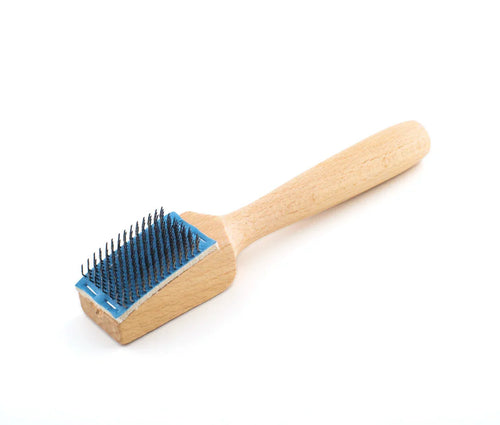
To care for ballroom dance shoes optimally, it is essential to regularly roughen the suede soles with a special wire brush. This prevents the soles from becoming slippery due to accumulated dirt and wax from the dance floor. Always store your shoes in a breathable cotton bag for good ventilation and use shoe trees to maintain the shape. Avoid contact with water, as this can irreparably damage the leather.
How do you clean Xsensible shoes?
You clean Xsensible shoes by first removing loose dirt with a soft brush. Then use a slightly damp cloth with a mild cleaner suitable for the specific material, such as leather or suede. Always let the shoes dry at room temperature and avoid direct heat sources such as the heater. After drying, treat them with a protective spray to fully restore the water-repellent layer.
How often should you spray shoes?
For optimal protection of your dance sneakers, it's best to spray them again every eight to ten times you wear them. For intensive use or training in different environments, once a month is a good guideline. Always ensure the shoes are completely clean and dry before applying the spray. Spray evenly from a distance of thirty centimeters for an effective dirt-repellent layer.
How long do dance shoes last on average?
On average, quality dance shoes last between six and twelve months with a usage intensity of two to three times per week. The exact lifespan depends heavily on the surface, your specific dance style, and the degree of maintenance. When the cushioning of your dance sneakers becomes noticeably less or the sole no longer offers grip, it's time for replacement. However, good maintenance can significantly extend the useful life.
Can I wash street dance shoes in the washing machine?
It is strongly discouraged to wash street dance shoes or dance sneakers in the washing machine. The heat and excess water can dissolve the adhesive bonds and permanently damage the cushioning materials in the sole. As a result, the shoes lose their necessary support and fit. Instead, clean them manually with a soft brush, lukewarm water, and a mild soap to ensure the long-term quality of your hip hop footwear.
How do I keep my hip hop dance sneakers fresh after a workout?
To prevent unpleasant odors in your dance sneakers, it is important to take them out of your sports bag immediately after every workout. Let them air out in a dry place and, if necessary, use cedar shoe trees or special odor eaters to effectively absorb moisture. Regularly changing into clean socks and using an antibacterial spray also helps keep your shoes hygienic and fresh during intensive street dance sessions.
Why are special dance sneakers better than normal sports shoes?
Special dance sneakers are essential for street dance because they have a specific sole with a 'spin point'. This facilitates turning movements and helps prevent knee injuries. Unlike regular sports shoes, they offer the perfect balance between grip and sliding ability on a dance floor. In addition, they are specifically designed to absorb the impact of hip hop movements, providing superior cushioning and flexibility while performing complex choreographies.
The beauty of good dance sneakers is that they grow with you as your skills on the dance floor improve. What I especially want to tell you is that a few minutes of attention after your workout makes the difference between shoes that are worn out after a few months or remain your favorite gear for years. Above all, remember that your street dance shoes perform best if you give them the chance to air out naturally and never place them directly near a heat source. A regular cleaning not only keeps the look sharp, but also ensures that the soles maintain their essential grip for those explosive moves.
Are you ready for a new, fresh pair to take your hip hop clothing to the next level? Check out our women's dance sneakers collection for models that perfectly combine style with the necessary support. Also for the young b-boys and b-girls, a good foundation is crucial; so don't forget to check our dance sneakers children collection. Your shoes are the foundation of every powerful choreography; treat them as the tools of your passion, and they will carry you through every beat with ease.


