Buying Bachata Shoes: Sensual and Comfortable Dancing

Table of Contents

After an hour of Bachata, your feet often feel as if you've been walking on glowing coals, while those fluid hip movements should actually be effortless. The right bachata shoes are essential for your balance and technique; they combine a flexible suede or leather sole with a stable heel for maximum control during turns. Whether you choose an elegant heel or a flat dance sneaker, it's all about the right grip on the dance floor without overloading your joints.

In my classes, I often see students appearing in regular sneakers, but they 'stick' too much to the floor during fast turns. That's asking for knee and ankle injuries. In latin dancing, your foot must be able to breathe and move with every isolation and sensual movement. I always advise my students to invest in footwear specifically designed for a dancer's pressure points. Although high-quality salsa shoes often suffice, the specific flow of Bachata requires a shoe that offers both firmness and extreme flexibility. You notice the difference immediately in your confidence on the floor; you simply stand more stably and can easily keep going for hours without blisters.

Choosing the Perfect Bachata Shoes

In practice, I often see dancers underestimating the impact of their footwear on their technique. Especially in Bachata, where the connection with the floor and your partner is central, the right shoe makes the difference between a stiff basic step and that fluid, sensual flow we all strive for. What I often see on the dance floor is beginners starting in sneakers with a lot of grip. This is a common mistake; that grip causes your knees to have to absorb the rotation instead of your shoes, which leads to annoying injuries in the long run.

Sole and Ease of Turning

A good Bachata shoe must have a suede or leather sole. In practice, you immediately notice that this allows you to turn in a controlled manner without slipping. In Bachata Sensual, where we work a lot with isolations and weight shifts, it is essential that you feel the ball of your foot well. These salsa shoes are specifically designed with this flexibility in mind, allowing your foot to make the natural rolling motion needed for that typical Bachata hip action.

Stability and Heel Height

For the ladies, the choice of heel height is often a point of discussion. A common mistake is choosing a 10-centimeter stiletto right away because it looks elegant. However, in Bachata, you are often in a 'close hold' and perform complex body rolls. If you aren't stable, you lose your balance and pull your partner off their axis.
  • Heel height: For most dancers, a heel of 5 to 7 centimeters is ideal. This shifts your weight just enough to the ball of the foot without sacrificing stability during a cambré (where the lady leans back).
  • Fit: The shoe should fit like a second skin around your foot. If your foot slides in the shoe, blisters occur and you lose precision in your footwork.
  • Ankle support: Preferably choose a model with a sturdy ankle strap or a cross-strap over the instep for extra security during fast footwork sections (shines).

The Needs of Men

For men, it's all about the balance between a formal look and the technical functionality of latin dancing. In practice, I see that men often choose a shoe with a small heel (the so-called Cuban heel). This helps tremendously with forward weight transfer, which is crucial for leading your partner well. These salsa shoes offer the necessary cushioning in the heel, which prevents fatigue during a long social dance evening. A specific detail to look out for is the flexibility of the midsole. In Dominican Bachata, which is characterized by fast and rhythmic footwork, the shoe must respond immediately to your movements. A sole that is too stiff hinders your speed. Also, ensure the shoe fits well at the heel; if your heel slips out of the shoe while dancing, you lose control over your lead, which your partner will immediately feel in the connection.

Comparison with Salsa Shoes

In practice, I often see dancers thinking that one pair of shoes suffices for all Latin styles. Although technically you can manage on any dance shoe, there are subtle but crucial differences between what you need for an uptempo Salsa song and a fluid Bachata. The biggest difference is not in the appearance, but in the way your weight shifts and how you make contact with the floor.

Maneuverability versus Stability

Salsa is all about speed, explosiveness, and countless spins on the ball of the foot. You need shoes that allow you to pivot in a fraction of a second without twisting your ankle. What I often see is that specific women's latin dancing shoes for Salsa have a slightly narrower heel to support that precision. In Bachata, and specifically in the Sensual style, your base is much more 'grounded'. You do fewer fast pirouettes and many more undulating movements where your entire foot touches the floor. A common mistake is choosing a heel that is too high and thin for Bachata Sensual. Because you work a lot with body rolls and weight shifts where you sometimes go deep into your knees, stability is your best friend. A slightly wider heel or a lower heel height helps you maintain your balance during those intimate, slow movements. For men, I see in practice that men's latin shoes with a suede sole are essential for both styles, but a more flexible sole in Bachata helps to better roll the foot during the sideways basic step.

The role of the sole and flexibility

Looking at the anatomy of the shoe, Bachata requires enormous flexibility in the instep. Where in Salsa you often stay 'tripping' on your forefeet, the Bachata flow requires a foot that can breathe and bend. These are the main technical differences you will notice:
  • Turning speed: Salsa shoes are often stiffer in the sole to facilitate fast spins, while Bachata shoes are softer for a better floor feel.
  • Cushioning: In practice, I notice that Bachata dancers benefit more from extra padding under the ball of the foot because the steps are often heavier and more emphatic (the well-known 'tap' on the fourth count).
  • Heel closure: In Salsa, a sturdy ankle strap is crucial for the lateral forces during spins. In Bachata, you mainly look for a shoe that doesn't slip at the heel during backward isolations.
What I often advise students who dance both styles is to look at the intensity of their movement. If you notice you're having trouble with your balance during body waves in Bachata class, switch from a stiletto heel to a 'flare' heel. These bachata shoes offer just that little bit of extra surface area on the floor, which immediately increases your confidence in your footwork. For men, it's mainly a matter of sole maintenance; because in Bachata you 'glide' more over the floor instead of stepping, your suede sole gets saturated with dirt faster, affecting the grip. A good shoe brush in your bag is therefore no luxury, regardless of whether you dance Salsa or Bachata.

Features of Good Dance Shoes

In practice, I often see dancers underestimating how much influence their footwear has on their technique, especially in a dance like Bachata where the connection to the floor is essential. If you stand on a wooden dance floor in regular sneakers, you quickly notice that the rubber soles have too much grip. This is a common mistake I see beginners make; they try to start a turn, but their foot stays stuck, causing the torsion to be fully absorbed by the knee and ankle. Good dance shoes solve this problem immediately by providing the right balance between grip and glide.

The sole: Suede and ease of turning

What really distinguishes a dance shoe from a street shoe is the sole. Almost all professional shoes for latin dancing are equipped with a suede (chrome leather) sole. This material is specifically chosen because it allows you to glide in a controlled manner without slipping. In Bachata Sensual, where we use a lot of undulating movements and pivots on the ball of the foot, this is crucial.

What I often advise my students is to pay attention to the flexibility of the midsole. In Bachata, you want to be able to roll your foot completely. When dancing the 'Bachata basic', you should be able to 'feel' the floor with your toes before fully shifting your weight. A stiff sole blocks this anatomical movement, resulting in a wooden dancing style. These salsa shoes for men, for example, are designed with a split-sole or a very flexible full sole, which is perfect for the fast footwork sections (footwork/shines) often seen in Dominican Bachata.

Stability and heel placement

Another important aspect is the position of the heel. For the ladies, I often see them choosing a heel that is too high because it looks elegant, but in practice, this comes at the expense of stability during 'dips' and 'body rolls'. In Bachata, your center of gravity is often slightly more forward, on the ball of the foot. A good dance shoe has the heel placed exactly under the center of the heel, so your weight is directed straight down. This prevents you from wobbling backward during a turn.

  • Suede soles: Provide the perfect amount of resistance and smoothness on the dance floor.
  • Cushioning: Good shoes have extra padding under the metatarsals (the heads of your metatarsal bones) to prevent fatigue.
  • Ankle support: Especially in Bachata Sensual, where many sideways movements occur, a sturdy heel counter is a must to prevent sprains.
  • Fit: A dance shoe should fit like a second skin; as soon as there is space between your foot and the shoe, you lose control over your footwork.

Material and breathability

In practice, I see that dancers who train four or five hours a week often get foot pain if they wear shoes made of synthetic material. Leather or satin molds over time to the unique anatomy of your foot. For men, a supple leather shoe is often the best choice because this material 'breathes' and gives in the places where the foot becomes wider under load.

A common mistake when fitting is buying a size that is too large "so they are comfortable". Remember that dance shoes always stretch. When you first put them on, they should be almost uncomfortably tight. After a few Bachata lessons, you will notice the material becomes softer and the shoe takes the exact shape of your foot. This provides the precision needed for complex patterns and the sensual flow Bachata is known for.

Comfort During Latin Dancing

What I often see on the dance floor are dancers sitting on the sidelines halfway through a social dance evening to take off their shoes. That's a shame, because in a dance like Bachata, you want to be able to keep making those fluid hip movements and fast footwork without feeling a sting in your sole with every step. In practice, comfort in salsa shoes is not a luxury, but an absolute requirement for your technique. If your feet hurt, your whole body tenses up, and you see that immediately in the sensuality of your movements.

Stability and anatomical support

A common mistake is the idea that a dance shoe only needs to be beautiful. In Bachata, you stand a lot on the ball of your foot, especially during the 'tap' on the fourth and eighth count. This asks a lot from your metatarsals. What I often see in cheaper models is that arch support is missing, causing your foot to sag. This not only leads to tired feet but can even cause inflammation under the plantar fascia in the long run.

For the followers, the stability of the heel is crucial. In practice, I see that ladies often choose a heel that is too high before they have found the right balance. These salsa shoes must have a heel counter that firmly encloses your ankle so you don't 'wobble' during a turn. A similar principle applies to men: the sole must be flexible enough to roll your foot well, but firm enough to provide support while leading. Good salsa shoes for men often have a small heel lift that helps place your weight slightly more forward, which is essential for the correct Latin posture.

Friction and the health of your knees

Another technical aspect often overlooked is the resistance of the sole. In practice, I see dancers on sneakers trying to turn on a wooden floor. Because rubber soles have too much grip, the feet stay stuck to the ground while the knee joint continues to rotate. This is a recipe for meniscus injuries. Specific salsa shoes are equipped with a suede sole that provides exactly the right amount of 'slide'. This allows you to pivot smoothly without overloading your joints.

To maximize comfort during a long night of dancing, I always recommend looking at the following points when purchasing:

  • Cushioning: Check if there is extra padding under the ball of the foot; this is where most pressure is applied during Bachata.
  • Fit: The shoe should feel like a second skin. Every millimeter of space between your foot and the shoe causes friction and thus blisters.
  • Material: Choose high-quality leather or satin that molds to your foot as it gets warmer through movement.
  • Flexibility: You must be able to point your foot completely; the sole should not be stiff like a normal street shoe.

What I always tell my students: invest in your feet. A good shoe not only improves your balance and turning speed but above all ensures you don't wake up with muscle pain in your shins the next day. Comfort is the foundation from which your confidence on the dance floor grows.

Learning Bachata or Salsa

When you start with Bachata or Salsa, you quickly notice that the technique of your feet forms the basis for everything you do above them. What I often see in beginners is that they underestimate the impact of the surface and their footwear on their joints. In practice, Bachata requires a completely different weight transfer than Salsa. In Bachata, especially in the Sensual style, you stay much more 'grounded'. Your knees are often slightly bent and you roll your foot from the ball to the heel to create that typical, fluid hip movement. A common mistake is wearing sneakers with too much grip on a wooden dance floor. If you try to turn in a fast Salsa combination and your shoe 'sticks' to the floor, your knees and ankles absorb the full torsion. This inevitably leads to injuries in the long run. That's why the right salsa shoes are essential; the suede sole ensures you have just enough resistance to maintain control but can spin smoothly without straining your joints.

The technique of weight transfer

In Salsa, everything revolves around speed, explosiveness, and precision. You are constantly on the ball of your foot to make those fast 'one-two-three' steps. The timing is precise, and if your shoes are too heavy or clunky, you tire faster and fall behind the beat. In Bachata, on the other hand, the 'tap' on the fourth count is crucial for styling. Here I often see students put their full weight on that tap, while it should be a light touch to prepare for the next step. For men, stability while leading is of great importance, especially in complex turns. In practice, I see that men's latin shoes with a small heel (often between 2.5 and 4 centimeters) help enormously to bring body weight slightly more forward. This makes it easier to maintain contact with your partner and respond faster to tempo changes in the music. Without that slight elevation, many men tend to hang on their heels, which disrupts the connection and the dynamics in the dance.

Why the right sole makes the difference

Whether you choose the fast cross-body leads in Salsa or the sensual isolations in Bachata, your feet must be able to communicate with the floor. A few technical things to look out for in your first pair of shoes:
  • The flexibility of the arch: The shoe should bend with your foot so you can fully 'point' for a neat finish to your steps.
  • The heel counter: This should fit firmly around your heel so you don't slip out of your shoe during a double turn or a quick change of direction.
  • The thickness of the sole: A thin, flexible sole ensures you feel the floor, which immediately improves your balance and confidence.
What I always tell students: invest in shoes specifically designed for latin dancing. Unlike standard going-out shoes, these are made to perform for hours without getting blisters. Especially in isolation techniques where your upper body moves independently of your feet, that specific balance between grip and glide is vital to make your movements look effortless.

Maintenance of Your Shoes

What I often see after an intensive bachata night is that dancers stuff their shoes directly into a plastic bag and throw them in the back of the closet. A common mistake, because the combination of sweat and a lack of ventilation is disastrous for the lifespan of your material. If you invest in quality salsa shoes, you want the fit and the grip of the sole to be preserved as long as possible. In practice, this means that maintenance goes beyond just a quick polish; it's about preserving the technical properties that support your feet during those fast footwork combinations.

The suede sole: Grip and glide

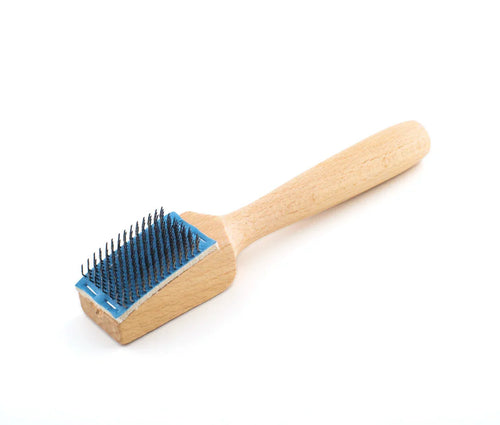
Most bachata and latin shoes have a suede sole. This material is perfect because it provides just enough grip to not slip, but also lets you turn without straining your knees. However, dust from the dance floor and spilled drinks often create a slippery, hard layer on the sole. We call this the 'glazing' of the sole. To prevent this, you should use a steel shoe brush.

  • Always brush from the center to the outside to 'open' the suede again.
  • Do not force the brush; short, firm strokes are more effective than pushing hard.
  • Preferably do this before every dance class or social, so you are always on the floor with maximum control.

With the sturdier men's salsa shoes, I often see the sole on the inside of the foot wear out faster due to dragging during the basic step. By regular brushing, you redistribute the fibers and prevent the sole from becoming bare at specific points.

Hygiene and shape retention

Bachata is a physically intensive dance where your feet produce a lot of heat and moisture. In practice, I see that dancers who don't let their shoes air out experience material stretching faster. For men, I always recommend cedar shoe trees. Cedar wood extracts moisture from the leather and ensures the shoe retains its original shape. Without trees, the toes of salsa shoes curl up over time, which negatively affects your balance while dancing.

For the ladies, it's essential to look at the heels. A worn heel tip can disrupt the balance of the entire shoe and even damage the dance floor. Therefore, always use heel protectors. These transparent caps not only protect your heel from wear but also give you that little bit of extra surface area for more stability during your turns.

Practical tips for on the go

A tip I always give my students: never wear your dance shoes outside. Suede is extremely vulnerable to moisture and dirt from the street. Walking through a rain shower once and the sole becomes hard and unusable for the dance floor. Whether you choose satin or leather, maintenance determines how long you enjoy your shoes for latin dancing.

  • Use a cotton shoe bag that breathes, instead of a sealed plastic bag.
  • Let your shoes rest for at least 24 hours after a night of dancing before using them again; this gives the cushioning in the insole time to return to its original shape.
  • Carefully clean satin shoes with a slightly damp cloth and mild soap, but never rub too hard so as not to damage the shine of the fabric.

By incorporating these simple habits into your routine, you ensure that your bachata shoes not only last longer but also continue to provide the support you need for those sensual and technical movements on the floor.

Frequently Asked Questions

Which shoes for Bachata?

For Bachata, flexible shoes with a suede or leather sole are essential to turn smoothly on the dance floor. Ladies often choose elegant sandals with a heel between 5 and 8 centimeters for a sensual look. Men prefer light, flexible dance shoes. Comfort is crucial, as Bachata requires a lot of footwork where stability and good grip are indispensable for every passionate dancer.

What kind of shoes for salsa dancing?

For salsa dancing, shoes with a smooth sole, such as suede or smooth leather, are necessary to prevent knee injuries while turning. Women usually wear latin dance shoes with a heel that provides sufficient support around the ankle. For men, classic salsa shoes with a small heel or special dance sneakers are ideal. It is important that the shoes fit snugly so you have maximum control over your fast, technical footwork.

Which shoes are good for dancing?

Good dance shoes are distinguished by their specific soles and extreme flexibility. For styles like salsa and bachata, shoes with suede soles are best because they offer the perfect balance between gliding and grip. The shoe must support the arch well and fit firmly around the heel. Avoid normal sports shoes with rubber soles, as they offer too much grip, which can be harmful to your joints during fast turning movements.

What is easier to learn, bachata or salsa?

Bachata is generally considered easier to learn for beginners than salsa. The basic rhythm of Bachata is simpler with four counts and the tempo is often lower, giving more time to master the steps. Salsa has a more complex rhythm and requires faster footwork and more technical turns. However, both dances complement each other perfectly and are often practiced together at latin dance parties.

Why are special latin dance shoes important?

Special latin dance shoes are important because they are specifically designed for the fast turns and lateral movements of salsa and bachata. The suede sole ensures you can turn in a controlled manner without slipping or straining your knees. Moreover, they provide the necessary flexibility in the sole, allowing you to roll and point your feet properly, which is essential for correct technique and an elegant look on the floor.

How do you choose the right heel height for bachata shoes?

When choosing the right heel height for bachata shoes, your personal experience is leading. Beginners often start with a lower heel of 5 to 6 centimeters for extra stability and balance. Advanced dancers regularly choose heels of 7 to 9 centimeters for a more elegant line and posture. The most important thing is that you can continue dancing comfortably all night. A flare heel often offers more support than a stiletto heel.

What should men look for when buying salsa shoes?

Men should look for a thin, flexible sole of suede or leather when buying salsa shoes. This ensures optimal contact with the floor and allows for smooth spins without resistance. The fit should be tight without pinching, so the foot doesn't slide in the shoe while dancing. Many men choose a model with a slightly raised latin heel, which helps with correct weight distribution.

The beauty of bachata is the unique balance between passion and technique. What I especially want to tell you is that your shoes form the basis of that connection with your partner and the floor. Remember above all that the right bachata shoes are not just a fashion choice; they protect your joints and give you the grip needed for those sensual hip movements and smooth turns. Whether you choose an elegant heel or a sturdy men's shoe, the right suede sole makes the difference between tired feet and dancing effortlessly all night long. Give yourself that extra bit of confidence and view our women's latin dancing collection for the perfect match for your style. Also for the men who want to take their footwork to the next level, it pays to invest in quality; view our men's latin collection and experience the difference in stability yourself. Ultimately, dancing is about pure freedom. As soon as you put on the right shoes, the uncertainty disappears and only the music remains. Let yourself be guided by the rhythm and shine on the dance floor.

Back to blog
💃

Ready to shine on the dance floor?

Discover our collection salsa shoes - by dancers, for dancers.

✓ 30 Day Returns ✓ Free Shipping €85+ ✓ 6 Month Factory Warranty

📚 More about latin & salsa

💬 Questions? Message Vanessa on WhatsApp!