

Table of Contents
- Why Choose Ballroom Shoes?
- Comfort and the Right Fit
- Materials and Different Sole Types
- Style for Standard Dancing
- Maintenance of Your Dance Shoes
- Tips for the First Purchase
- Frequently Asked Questions
Do you find yourself correcting your grip more often during a tight tango than actually leading? Good ballroom shoes for men are the foundation of your technique; they combine a flexible suede sole with a stable heel for the ideal balance between grip and controlled gliding on the parquet floor. In my years as an instructor, I have seen countless dancers struggle in regular office shoes or stiff sneakers, which invariably leads to forced movements and unnecessary pressure on the knees.
When you get serious about ballroom dancing, you immediately notice that a specific dance shoe is not a luxury, but an essential tool. A high-quality shoe supports your arch during the powerful steps of the Quickstep and allows you to turn effortlessly without straining your joints. Whether you are just starting your first course or have been tearing up the floor in standard dances for years, the right footwear determines whether you go home at the end of the evening with a smile or with blisters. I would like to share my experience on which details make the difference between a bad purchase and a pair you will enjoy for years.
Why Choose Ballroom Shoes?
I regularly see men appear in the dance school in their daily office shoes or, even worse, in sneakers with a thick rubber sole. Although that might be fine for a first trial lesson, in practice you quickly notice that you are limiting yourself in your technical development. In ballroom dancing, everything revolves around the interaction between your foot and the floor. A regular shoe is simply not designed for the lateral movements and constant weight shifts involved in standard dances.
A common mistake is the thought that a smooth sole is the only thing that matters. But there is a whole anatomical logic behind real men's ballroom shoes. Where a normal shoe often has a stiff sole that forces your foot into a static position, a dance shoe is flexible in the right places. This allows you to fully roll through your foot, from heel to toe, which is essential for that fluid 'swing and sway' movement in the English Waltz or the Slow Foxtrot.
The technique of the suede sole
What I often see is that beginners underestimate how much influence the sole has on their knee joints. The suede (chrome leather) sole of a dance shoe offers the perfect balance between grip and glide. In practice, this means that you don't get 'stuck' to the parquet during a turn. When you try to turn with rubber soles, your knee absorbs the torsion that the shoe does not allow, which is guaranteed to lead to injuries in the long run.
While the men focus on their footwork, I see that their partners often switch to professional women's ballroom shoes faster because of the stability the heel offers. For men, that stability is just as crucial, but from the heel construction. A standard dance shoe for men usually has a heel height of 1 inch (about 2.5 cm). This small difference from a flat shoe ensures that your center of gravity is shifted slightly more towards the ball of the foot. This helps you react faster and keep your weight correctly over your standing leg.
Durability and contact with the floor
Another specific advantage of investing in good ballroom shoes is the feedback you get from the floor. Because the soles are thinner and more flexible than those of street shoes, you 'feel' the floor better. This might sound abstract, but in practice, it helps you enormously in controlling your balance. You feel exactly when your weight transitions from your heel to the ball of your foot during a forward step in the Tango.
- Protection of the dance floor: Street shoes bring in dirt and small stones that damage the expensive parquet. Dance shoes are only worn indoors and keep the floor in top condition.
- Lightweight construction: You will notice that your legs tire much less quickly. An average dance shoe weighs significantly less than a sturdy men's shoe.
- Fit: Dance shoes should fit around your foot like a second skin. This prevents sliding inside the shoe, which in turn prevents blisters and uncertainty while dancing.
Choosing the right shoe is therefore not a matter of vanity, but of functionality and safety. Whether you are just starting your first bronze course or have been on the floor for years, the difference in comfort is immediately noticeable from the first step you take.
Comfort and the Right Fit
In practice, I often see men stepping onto the dance floor with shoes that are actually a size too big. A common mistake is to think that dance shoes should fit just like your daily sneakers. Nothing could be further from the truth. In ballroom dancing, your shoe is your most important tool; it is the direct connection between your body and the parquet floor. If there is even a little bit of play in the shoe, you lose control over your footwork, which gets in the way of your balance during a powerful heel strike in the English Waltz or a fast spin in the Quickstep.
What I often advise my students is to strive for a 'glove fit'. The shoe should fit tightly around the foot without cutting off circulation. When you try on the right men's ballroom shoes, your toes should just touch the front of the shoe. This might feel a bit tight at first, but remember that quality leather always stretches a bit. If a shoe already feels 'nice and roomy' in the store, you will notice after three evenings of intensive dancing that your foot starts to slide in it, which irrevocably leads to blisters and instability.
The anatomy of the heel and arch
A specific technical aspect that many dancers overlook is the sturdiness of the heel counter. In standard dances, you constantly shift your weight from back to front. A weak heel counter causes your foot to slip out of the shoe during backward steps. When fitting, make sure the heel feels well 'locked'. In addition, arch support plays a crucial role. Because you work a lot on the ball of the foot in ballroom, the sole must be flexible enough to allow your foot to articulate, but firm enough to prevent fatigue in the arch.
In practice, I see that the balance in a dance couple often starts at the base. While the man ensures a stable 'frame', his partner's women's ballroom shoes must offer the same degree of precision to keep the collective movement fluid. If one of the two partners does not have the right grip or support, it directly affects the dynamics of the entire couple.
Practical tips for fitting
To make sure you make the right choice, you can follow these steps when fitting:
- Wear your dance socks: Always try on the shoes with the thin socks you also wear during dancing or competitions. Thick sports socks give a distorted picture of the fit.
- Test the heel closure: Take a few powerful steps backward and notice if your heel stays firmly in the shoe without lifting.
- Check sole flexibility: Try to fully extend (point) your foot. The sole should follow the shape of your foot without large gaps appearing at the sides of the shoe.
- Pay attention to the width: Many brands offer different width sizes. Do you have a wide forefoot? Then don't force yourself into a narrow model, as this hinders your ability to distribute your weight correctly.
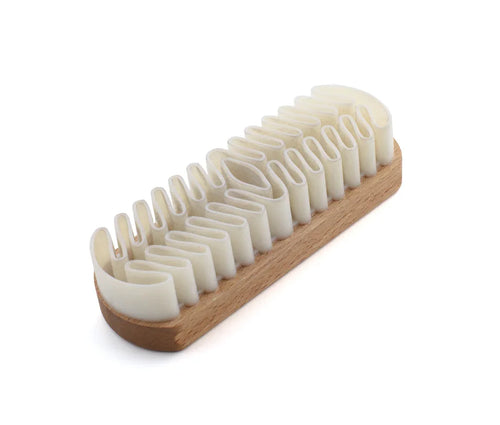
Finally, the material of the sole determines your comfort. Real ballroom shoes are equipped with a suede sole. This provides exactly the right amount of resistance: enough grip not to slip, but enough smoothness to turn effortlessly. Don't forget that these soles need maintenance; regularly use a sole brush to roughen the suede hairs so that you maintain that optimal connection with the dance floor.
Materials and Different Sole Types
In practice, I often notice that dancers underestimate the impact of the material of their shoe. In ballroom dancing, a shoe is not just a piece of clothing, but a technical tool that determines how much feel you have with the floor. For the upper of the shoe, you usually see two options for men: matte leather (often nappa or calf leather) and patent leather. What I often see is that beginners immediately choose patent leather because it looks so sharp with a tuxedo or tailcoat, but there is a catch.
Patent leather is much stiffer and breathes less than regular leather. Moreover, patent leather has the annoying property that it can 'stick' together when your feet pass each other in a tight change or during progressive steps in the Slow Foxtrot. A common mistake is to then start dancing wider, while the solution is simply a drop of silicone oil or a bit of vaseline on the inside of the shoe. If you go for comfort and durability during training, I usually advise looking at flexible men's ballroom shoes made of quality leather. This material molds completely to the anatomy of your foot after a few lessons, which is essential for the correct foot roll.
The anatomy of the suede sole
The most important part of a ballroom shoe is undoubtedly the sole. Unlike normal men's shoes with a rubber or hard leather sole, specific shoes for standard dancing are almost always equipped with a sole of chrome suede. This is a very specific type of leather that is roughened to provide the perfect balance between grip and glide.
- Grip: You need enough resistance to push off powerfully during a Tango step without slipping away.
- Glide: During turns (spins), the sole must cooperate sufficiently to minimize the friction on your knee joint.
- Feedback: The sole is thin enough so you can 'feel' the floor, which is crucial for your balance and weight shift.
In practice, I often see dancers going onto the floor with their normal shoes. This is not only harmful to the dance floor but also dangerous for your joints. A rubber sole 'bites' into the parquet, forcing your knee to absorb the turn instead of your foot. This principle of controlled gliding is universal in the dance world; you also see that most women's ballroom shoes have exactly the same suede finish to make those fluid movements possible.
Maintenance for preserving technique
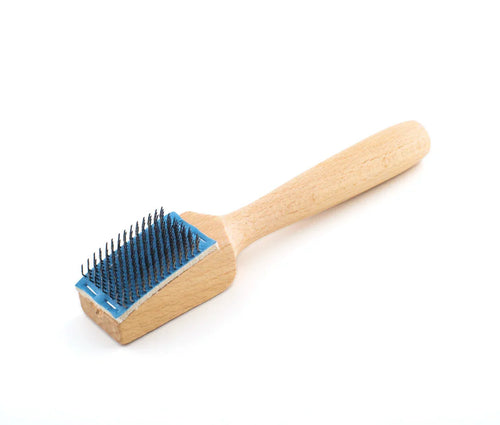
A common problem is that the suede sole becomes smooth over time. This happens because the fibers of the suede are flattened and mix with dust and floor wax. The result is a mirror-smooth sole, causing you to lose control over your frames and movements. I always recommend having a steel sole brush in your dance bag. By regularly roughening the sole (always brush from heel to toe), you pull the fibers back up and restore the grip.
Also, make sure you never wear these shoes outside. Moisture is the greatest enemy of suede; as soon as a suede sole gets wet, it loses its unique properties and becomes hard and unusable for the dance floor. In practice, this means that you only put on your dance shoes in the changing room or upon entering the dance school, never on the way in the car or on the street.
Style for Standard Dancing
In standard dancing, such as the English Waltz, Tango, or Quickstep, everything revolves around the presentation of a clean, continuous line. What I often see in dance class is that men focus on their upper body and frame but forget that the visual line begins at the feet. A good men's shoe for standard dancing is not just a technical tool but an essential part of your silhouette. In practice, this usually means a classic, black shoe that blends seamlessly into the trousers, making your legs look optically longer and your movements appear more fluid.Technique and the 'Heel Lead'
The biggest technical difference between standard and other styles is the way you strike the floor. Where in Latin you mostly dance on the ball of the foot, ballroom dancing in the standard category revolves around the 'heel lead'. In almost every forward step in the Waltz or the Slow Foxtrot, you place your heel down first. A common mistake is wearing regular men's shoes with a rubber sole or a heel that is too high. Specific ballroom shoes for men have a lower, wider heel (usually around 2.5 cm) that provides the necessary stability during the rolling of the foot. The sole of these shoes is almost always made of suede. This is crucial for the right balance between grip and glide. In practice, you notice that on a wooden competition floor you have exactly enough resistance to push off powerfully for a 'drive', but also enough smoothness to turn without straining your knees. When I see students struggling with their balance during a double reverse spin, nine times out of ten it's due to footwear that offers too much or too little grip.Material: Patent Leather versus Matte Leather
A much-discussed topic among dancers is the choice between patent leather and matte leather. Patent leather is the standard for competitions and galas; it reflects the light and gives that extra professional look under a tuxedo or tailcoat. However, there is a practical disadvantage: patent leather sticks. What I often see happening with beginners dancing on patent leather for the first time is that their shoes get hooked together as soon as the feet pass each other in a chassé. This can lead to dangerous stumbles. My tip is to rub the inside of the shoes (where they touch each other) with a little bit of oil or a special silicone spray. This ensures that the shoes slide past each other instead of catching. For weekly training, however, I often recommend matte standard dance shoes. These are often slightly more flexible and require less maintenance than the fragile patent variants. Don't forget that your partner also needs the right support; in our collection of women's ballroom shoes, you will find models specifically designed to provide the stability needed for following powerful standard movements.What to look for when purchasing
When looking for your first or next pair, keep the following points in mind that I have found essential over the years:- The fit: The shoe should be tight, almost like a second skin. Every millimeter of space between your foot and the shoe causes instability during rising and falling.
- The arch: Unlike Latin shoes, which are extremely flexible, standard shoes need more firmness in the arch to properly guide the pressure from the heel to the toe.
- Maintenance: Always use a suede brush to roughen the soles. Once the sole becomes smooth due to accumulated dust and wax, you lose control over your acceleration in dances like the Quickstep.
- Socks: Always wear thin, black socks that are long enough. Nothing ruins the line of a beautiful Tango faster than a piece of bare leg becoming visible between the trouser leg and the shoe.
Maintenance of Your Dance Shoes
What I often see in the dance school is that men invest hundreds of euros in a beautiful pair of shoes, only to simply throw them in a bag after every lesson and not look at them again. A common mistake is underestimating how quickly sweat and floor dirt break down the technical properties of your shoe. In ballroom dancing, and particularly standard dances like the English Waltz or the Quickstep, the interaction between your sole and the floor is crucial for your balance and technique. As soon as that grip is lost, it directly affects your posture and footwork.The suede sole: Your most important tool
The sole of quality men's ballroom shoes is almost always made of suede (chrome leather). In practice, I see that these soles 'clog up' over time. A combination of floor wax, dust, and skin oils from your hands creates a smooth, shiny layer under your foot. This is life-threatening during a fast turn or a powerful 'heel lead'. To fix this, a steel sole brush is indispensable. Always use this brush from heel to toe to 'open' the fibers of the suede again. Do this carefully, though; I often see dancers scraping half the sole off. You only want to bring back the texture, not thin out the leather. If the floor is extremely slippery, you can put a small drop of castor oil on the sole brush before brushing, but be careful with this to avoid stains on the dance floor.The upper and shape retention
Whether you dance on calf leather, suede, or patent leather, moisture is your biggest enemy. After an intensive training session, your shoes are damp inside. A crucial tip I always give my students: take your shoes out of your bag as soon as you get home. Preferably use cedar shoe trees. This material not only absorbs moisture but also ensures that the leather doesn't wrinkle or deform around the instep. For men dancing in patent shoes, there is a specific problem: 'sticking'. During a 'brush' where the feet pass each other, patent shoes can hook together, which can lead to nasty falls. Therefore, treat your patent shoes regularly with a special patent oil or a drop of silicone oil to keep them flexible and smooth. Although we focus on the men here, the exact same principle applies to women's ballroom shoes regarding the maintenance of the material and soles.Practical tips for a longer lifespan
In practice, you significantly extend the life of your dance shoes by following a few simple rules:- NEVER wear them outside: The suede sole is not resistant to moisture, sand, or rough tiles. One walk to the car in your dance shoes can permanently damage the soles.
- Alternate: If you train more than three times a week, it is advisable to have two pairs of shoes. Leather needs at least 24 hours to fully recover and dry out.
- Clean the inside: Occasionally use a slightly damp cloth with a mild alcohol solution to clean the insole. This prevents the buildup of bacteria and unpleasant odors, which is not an unnecessary luxury, especially in intensive ballroom dancing.
- Check the heels: On men's shoes, the heels often wear down unevenly, depending on your technique in the Tango or Quickstep. Have a worn heel replaced in time by a professional shoemaker before the frame of the shoe is damaged.
Tips for the First Purchase
The switch from your daily sneakers to your first pair of real dance shoes is a moment that directly influences your dancing pleasure. What I often see in the dance school is that men have the tendency to buy their first pair of men's ballroom shoes a size too large, purely out of the habit of everyday footwear. In practice, however, this works counterproductively. During ballroom dancing, and particularly with standard dances like the English Waltz or the Quickstep, you need direct contact with the floor. If your foot slides in the shoe, you lose control over your balance and your footwork, which can lead to injuries or an uncertain posture.The right fit: Tighter than you think
A common mistake is thinking that a dance shoe should fit as loosely as a walking shoe. A good ballroom shoe should feel like a second skin, or what we often call a 'glove fit' in the dance world. When you put the shoe on, your toes should just touch the front without painfully curling up. The leather will stretch a bit after a few lessons and mold to the anatomy of your foot. When fitting, also pay attention to the heel closure. When you make a 'heel lead' – the typical forward step in standard dances where you place the heel down first – your heel must absolutely not slip out of the shoe. This not only causes blisters but also disturbs your timing. If you are starting with a partner, also point out the importance of a firm fit for her own ballroom shoes, as a stable base for both of you makes leading and following a lot easier.Material and sole: Grip versus slip
The sole is perhaps the most important part of your purchase. Virtually all ballroom shoes are equipped with a suede sole. This material offers the perfect balance between grip and slip; you don't want to slip during a powerful turn, but you also don't want your shoe to 'stick' to the floor, which is disastrous for your knee joints. In practice, I often see beginners choosing patent leather because it looks professional in photos. However, my advice for a first pair is: choose matte leather or suede. Patent leather sticks together as soon as your feet pass each other in a 'chassé' or 'closed change'. For a beginner still perfecting their footwork, this can lead to stumbles. Save the patent leather shoes for when your technique is more stable and you start dancing competitions.Practical checklist for the store or webshop
To prevent regret after two lessons, you can follow these points:- Fit with the right socks: Wear the thin, smooth socks you will also wear while dancing. Thick sports socks give a distorted picture of the size.
- Check the 'shank': This is the bridge in the sole. For standard dances, you need a sturdy shank that provides support to your arch during the fluid movements.
- The heel height: For men, a standard heel is usually 2 to 2.5 centimeters. This helps you shift your weight slightly more to the ball of the foot, which is essential for the correct posture.
- Maintenance: Buy a steel brush (sole brush) immediately. The suede soles become smooth and hard from dust on the dance floor; by regularly roughening them, you maintain the necessary grip.
Frequently Asked Questions
Why do you need special ballroom shoes?
Special ballroom shoes are essential for men because they have a suede sole that provides the perfect balance between grip and glide. Unlike normal shoes, they offer extra flexibility and support at the arch, which prevents injuries. This allows you to turn smoothly and make controlled movements during ballroom dancing without putting unnecessary strain on your joints on the dance floor.
What is the difference between standard and Latin shoes for men?
The main difference lies in the heel height and the flexibility of the sole. Standard ballroom shoes usually have a low, wide heel of about 2.5 centimeters for stability during long steps. Latin shoes for men often have a higher heel of 4 centimeters, which helps shift body weight to the forefoot for faster hip movements and technical rhythmic footwork while dancing.
How tight should men's ballroom shoes fit?
Ballroom shoes should fit very snugly, almost like a second skin, but without painfully pinching your toes. Because dance shoes made of leather or suede often stretch slightly over time, a tight fit at purchase is crucial. A well-fitting shoe prevents your foot from sliding, which reduces the chance of blisters and gives you maximum control over your movements.
Which sole is best for ballroom shoes?
The best sole for ballroom shoes is made of suede. This sole offers the ideal resistance on wooden dance floors; it is grippy enough not to slip, but smooth enough to turn effortlessly. For outdoor use or rougher floors, there are also dance shoes with a rubber sole, but for professional ballroom dancing and training, suede remains the absolute standard for optimal performance and safety.
How do you maintain suede soles of dance shoes?
You maintain suede soles by regularly brushing them with a special steel dance shoe brush. During ballroom dancing, dust and dirt accumulate under the sole, making it smooth and hard. By going over the sole with the brush, you make the hairs of the suede rough again. This restores the much-needed grip on the floor and significantly extends the lifespan.
Can I use regular men's shoes for ballroom dancing?
While it is technically possible, experts advise against using regular men's shoes for ballroom dancing. Normal shoes often have rubber soles that provide too much grip, which can cause knee injuries during fast turns. Moreover, they lack the specific heel support and flexibility needed for ballroom technique. Investing in real dance shoes improves your dance experience and protects your body from overstrain.
How long do men's ballroom shoes last on average?
The lifespan of ballroom shoes depends on training frequency, but on average they last one to two years with recreational use. With intensive daily use, this can be shorter, around six months. Wear is usually first visible on the suede sole and the inner lining. By letting your shoes air out well and brushing the soles in time, you optimize durability.
The beauty of the right ballroom shoes is that they not only make you dance technically better but also give you that unmistakable feeling of self-confidence as soon as you step onto the floor. What I especially want to tell you is that comfort should never be secondary to style; a suede sole that offers exactly the right grip and a heel that guarantees stability are essential for those fluid, controlled movements that make standard dances so beautiful. Remember above all that investing in quality means your feet get tired less quickly, allowing you to face every training or competition with renewed energy.
Are you ready to take your performance to the next level? Then be sure to take a look at our men's ballroom standard collection for shoes that effortlessly combine craftsmanship and elegance. And if you dance with a partner, don't forget that the right base makes the difference for her too in our extensive women's ballroom standard collection. Ultimately, ballroom dancing is about that unique connection with the music and your partner, and with the right footwear under your feet, the way is clear to set every step with pure conviction. The dance floor is waiting for you – make it something unforgettable.


