

Do you know that feeling? You're standing on the dance floor, the music starts, you want to go for that first elegant turn and... CRACK! Your foot sticks to the ground as if there's a pack of gum under your sole. Or even worse: you slip away as if you're on an ice rink with slippery socks. Believe me, I've seen it all in my classes. Girl, the biggest mistake you can make as a beginner is thinking that your "regular" shoes will suffice. Choosing the right sole is the difference between dancing like a goddess or waking up the next day with knees that feel like they've been through a meat grinder.
If you want the answer quickly: For most indoor dance lessons (Salsa, Bachata, Ballroom), a suede sole is the absolute winner because it allows you to turn perfectly without losing grip. Are you going to an outdoor party or dancing on a rough floor? Then choose a rubber sole. Do you want maximum flexibility for your feet? Then the split sole is your best friend. Before we dive deep into the details of suede versus rubber, first check out my full Choosing Dance Shoes: Guide per Dance Style (2025) to see which model actually fits your style.
Table of Contents
- The "I'll just wear my regular shoes" pitfall
- Suede Soles: The Golden Standard indoors
- Rubber Soles: For the sidewalk and slippery tiles
- The Split Sole: Let your arch speak
- Brands that get it: From Werner Kern to Tangolera
- Maintenance: Don't just throw those shoes in your bag!
- Preventing painful feet and the wrong sole
- Frequently Asked Questions (FAQ)
The "I'll just wear my regular shoes" pitfall
I hear it so often in the dressing room: "Oh, I'll just come with my regular shoes (ich komme mit meinen normalen), that saves money." Honey, stop that immediately. I mean it. Regular sneakers or pumps are made to have grip on the street. They are stiff. If you try to do a spin in Salsa or a pivot in Tango with them, your foot won't turn, but your knee will. And believe me, a torn meniscus is a lot more expensive than a pair of good dance shoes from Capezio.
The biggest difference between dance shoes and regular shoes is the friction. A normal sole is unpredictable on a dance floor. One time you slip on a bit of dust, the next time you're stuck fast. Dance shoe soles are designed for controlled gliding. You want to be able to turn without resistance, but you also want to be able to stop when the music demands it. That is the magic of a real dance sole.
What you can do right now: Grab your favorite "regular" shoes and try making a turn on your kitchen floor. Do you feel that pulling pain in your ankle or knee? That's the sign that your soles are working against you. Time for an upgrade, babe!
Suede Soles: The Golden Standard indoors
If you ask me what most of my students wear, it's suede. Suede (also called chrome leather) is that soft, hairy bottom you see with brands like Ray Rose and Werner Kern.
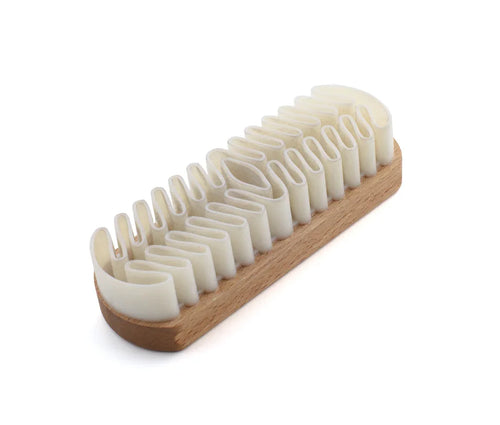
Why is suede so fantastic? 1. Perfect Balance: It's smooth enough to do three pirouettes in a row, but grippy enough not to wobble around like Bambi on ice. 2. Floor Feel: Suede soles are often thinner, so you really feel the floor. This helps with your balance and technique. 3. Adjustable: Is the floor too slippery? Then you dampen the sole a bit or use a brush. Is the floor too stiff? Then you brush the sole smooth.
But watch out: suede is a diva. She hates water and she hates dirt. If you walk across a wet parking lot with your suede soles, the fun is over. The leather becomes hard, slippery, and loses all its good properties. So wear your dance shoes with suede soles only indoors.
For ladies who are just starting out and looking for something with a stable base, take a look at the low heel dance shoes. Many of these models have a high-quality suede sole that gives you that necessary confidence on the dance floor.
Rubber Soles: For the sidewalk and slippery tiles
In the past, rubber was a no-go in the dance world, but technology has changed. We're not talking about the heavy sole of a hiking boot, but about special "dance rubber" or TPU.
When do you choose rubber (the so-called tanzschuhe gummisohle)? - Outdoor parties: Salsa on the quay? Bachata in the park? Suede will be ruined immediately. Rubber can take a beating. - Slippery floors: Sometimes a tiled floor in a rented hall is so mirror-smooth that you have no grip even with suede. A thin rubber sole offers a solution. - Hybrid use: Brands like Tangolera often have models that you can wear both indoors and outdoors without immediately ruining your soles.
The disadvantage? Rubber can sometimes be too stiff. If you have to turn a lot, you really need to look for shoes with a "spin spot" under the ball of the foot. This is a smoother piece in the rubber sole that saves your knees.
Pro-tip: If you often dance at different locations, it's smart to have one pair with suede and one pair with rubber. Check our Last Size Love sale for an affordable second pair!
The Split Sole: Let your arch speak
Now we're going to the next level. A split sole means the sole consists of two parts: one under the heel and one under the ball of the foot. The middle part (the arch) is free.
Why would you want this? - Flexibility: You can stretch your foot much further (pointing). You see this a lot in Jazz, Modern, and advanced Latin dancers. - Lightweight: There is less material under the shoe, making them often feel light as a feather. - Contact: You have much more feel for the floor because the shoe follows the natural movement of your foot.
For beginners, however, a split sole can be tiring. Because the shoe offers less support in the arch of your foot, your own muscles have to work harder. If you're not used to dancing for hours, this can lead to cramps. Brands like Capezio and Bloch are the kings of the split sole. They are perfect for training sessions where you want to work on your foot technique.
Brands that get it: From Werner Kern to Tangolera
I have stood on hundreds of different shoes in my career, and believe me, the brand matters for the quality of the sole.
1. Werner Kern: The Mercedes of dance shoes. Their suede soles are of a quality you'll find almost nowhere else. They stay soft and flexible for a long time. Ideal for Ballroom and the serious Salsa dancer.
2. Tangolera: These shoes come from the Tango world but are being discovered en masse by Salsa and Bachata dancers. Why? Their soles are often slightly thicker and offer incredible cushioning. They also have fantastic options for those who want to dance both indoors and outdoors. View the Tangolera dance shoes collection here.
3. Ray Rose: If you're really going for athletic performance. Their soles are extremely thin for maximum floor contact. You see them a lot in international competitions. Ray Rose is for the lady who wants to feel exactly what she's doing.
4. Capezio: The go-to for everything related to split soles and sneakers. If you're looking for that urban look but still want to be able to turn, then Capezio is your brand.
Maintenance: Don't just throw those shoes in your bag!
Listen closely, because this is where most beginners go wrong. You buy beautiful shoes with suede soles and after three weeks they are as slippery as an eel and as hard as concrete. What happened? Dust, floor wax, and sweat have soaked into the sole.
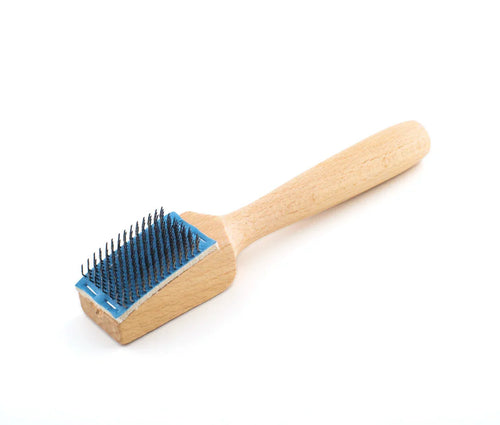
The solution: The Dance Shoe Brush. This is a steel brush that you use to pull the suede hairs back up. - How do you do it? Always brush from the center to the outside. Apply light pressure. You'll see the sole get that "rough" look again. - When? Actually, give them a quick brush before every lesson. - Don'ts: NEVER use water to clean your suede soles unless you know what you're doing. Water makes the leather hard.
And one more thing: store your shoes in a breathable bag (usually you get a cloth bag with them). Don't just throw them loose in your gym bag among your sweaty clothes. The moisture affects the glue and the sole.
Painful feet and the wrong sole
Do you get burning feet after an hour of dancing? That's often due to the combination of the sole and the cushioning. A sole that's too thin on a hard concrete floor (even if there's parquet over it) is a recipe for misery.
If you know you suffer from joint pain, choose a brand with a good comfort line. Werner Kern, for example, has shoes with extra support in the arch. The choice of split sole vs. full sole also plays a role here. A full sole provides more stability, which is less tiring for the untrained foot.
Do you have wide feet? Then a sole that's too narrow will pinch, causing your foot to "sag" over the edge of the sole. This causes blisters and pain. So don't just pay attention to the material of the sole, but also to the width of the footbed.
Frequently Asked Questions (FAQ)
1. Can I dance outside with suede soles? No, really don't do it! One rain shower or a few pebbles and your soles are ruined. Suede is only for indoor floors.
2. What is the difference between a dance shoe with a rubber sole and a regular sneaker? A dance-rubber sole is much thinner, more flexible, and often has a 'spin spot' to facilitate turning. A regular sneaker is too bulky and has too much grip, which is dangerous for your knees.
3. How long does a suede sole last? With intensive use (dancing 2-3 times a week), they last about a year to a year and a half before they are truly "done." Proper maintenance with a brush significantly extends their lifespan.
4. Which song is called "Come with Me"? This is a funny question I often hear in the studio! There are hundreds, but in the Salsa world, the version by Tito Nieves is an absolute classic. Perfect for trying out your new shoes!
5. What does the song by Uncle John's Band mean? Another random question! "Uncle John's Band" is by the Grateful Dead. Although it's not a typical dance track for a Latin club, it's about togetherness and music – exactly what dancing is all about too!
6. Should I buy a split sole as a beginner? I usually advise against it for the first few months. Start with a full sole for more stability. Once your feet are stronger and your technique more refined, you can switch to a split sole for that extra flair.
7. My soles squeak on the floor, now what? This often happens with new rubber soles. It usually goes away after a few hours of dancing. If it persists, you can put a little bit of baby powder on the sole (but be careful not to make the floor too slippery for others!).
8. Where can I find cheap dance shoes to start with? Always take a look at the Last Size Love | Last sizes dance clothing & dance shoes. You'll find top brands there for a fraction of the price, perfect if you're still discovering what you like.
So, now you're a real expert on soles! No more excuses about "regular shoes", okay? Your feet will thank you, and your dance partner will too (because you won't be constantly stepping on their toes due to a lack of balance). Still have doubts? Send me a message or drop by the shop. See you soon on the dance floor?
Ready to make the right choice?
Shop our favorite collections here:
- Comfortable low heels (0-5cm)
- Tangolera for ultimate stability
- Ray Rose for the pro-look


