

Table of Contents
- What are Footundeez exactly? (The 'Foot Thong' explained)
- Why your feet beg for Footundeez: The 'Why'
- When do they die? How long do Footundeez last?
- Are they comfortable? Comfort and choosing the right size
- Maintenance: How to keep those little pieces of fabric fresh?
- Footundeez vs. the rest: When do you switch to real shoes?
- My studio secrets for beginning dancers
- Frequently Asked Questions (FAQ)
What are Footundeez exactly? (The 'Foot Thong' explained)
Let's be honest: the first time you see a pair of Footundeez, you probably think: "Am I supposed to wear that?" It looks like a half-baked sandal or, as the Americans say so beautifully, a foot thong. It is a piece of suede under the ball of your foot, held by an elastic mesh material that goes between your toes. But make no mistake, this small bit of fabric is the result of years of innovation by brands like Capezio.
The essence of modern dance is contact with the floor. You want to feel the ground, you want to be able to spread your toes, and you don't want to lose that organic connection through a thick sole. But turning on bare feet (making pivots) on a rough ballet floor? That's asking for trouble. Footundeez solve this. They only cover the part of your foot that endures the most friction during turning. The rest of your foot — your heel and your toes — remains free. This allows you to maintain that 'barefoot look' that is so important in contemporary dance, while getting the technical support to finally land that triple turn without your foot 'sticking'.
I often see beginners trying to dance in socks. Do. Not. Do. That. Socks are life-threatening on a dance floor; you have zero grip and before you know it, you're in a split when you didn't intend to be at all. Footundeez have suede patches on the bottom. This gives you the perfect slide-to-grip ratio. You can slide when you need to, but you have traction when you want to push off for a jump. If you're also exploring other dance styles where you need a bit more heel, definitely check out our collection of low heel dance shoes, but for modern class, these 'undies' are your best friend.
Why your feet beg for Footundeez: The 'Why'
Why would you spend money on two small pieces of fabric? Because your feet are your only instrument in dance class. As an instructor, I've seen too many students who had to stop after three weeks because the skin was literally hanging off their feet. The 'why' behind Footundeez is simple: protection of the epidermis (your skin) without changing the biomechanics of your foot.
When you make a chassé or start a pirouette, an enormous amount of heat is generated by the friction between your skin and the floor. Your skin is simply not built for that, unless you grow calluses for years (and believe me, you don't want that, because calluses eventually tear too). Footundeez act as a second skin. The suede soles absorb the heat and the friction. Moreover, they provide a little bit of cushioning. Although they aren't thick cushions like in a sneaker, that thin layer of suede still helps to soften the impact on your metatarsals during small jumps.
Another point is hygiene. Dance schools certainly clean their floors, but dozens of people walk on them with bare feet. With Footundeez, you still have a barrier between you and the floor. And let's not forget the aesthetics. In modern dance, everything revolves around the lines of your body. A heavy shoe interrupts the line from your leg to your instep. Footundeez are usually skin-colored (nude), making them almost invisible on stage. You get the technical benefits of a shoe with the look of a bare foot. That's why brands like Bloch and Capezio make them in so many different shades, so there's always one that matches your skin tone.
When do they die? How long do Footundeez last?
This is the question I get most often: "When do they need replacing?" Because let's be honest, it's a fragile-looking product. The lifespan of your Footundeez depends on three things: how often you dance, what kind of floor you dance on, and how intensive your footwork is.
On average, with recreational use (1 to 2 classes per week), they last about 4 to 6 months. You know they 'die' when: 1. The suede on the bottom becomes smooth and shiny (you lose your grip). 2. The holes between the toes start to stretch out or tear. 3. The elastic (the mesh) loses its stretch and the 'shoe' starts to slide during dancing.
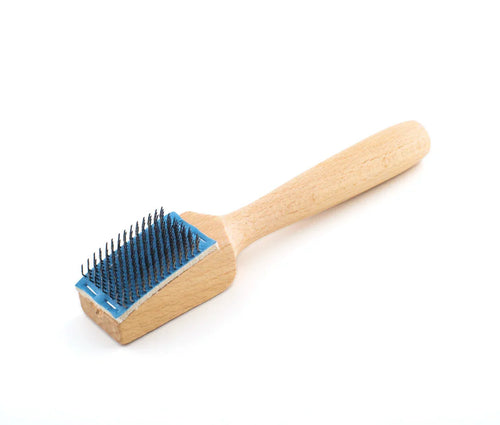
If you see that the suede turns black and feels hard, you can try to carefully roughen it up with a copper brush (the same one we use for the soles of Werner Kern or Ray Rose shoes). But be careful: the sole of a Footundee is much thinner than that of a ballroom shoe. If you can see through it, it's time for a new pair. Dancing on worn-out Footundeez is actually worse than dancing on bare feet, because the suede can then become unpredictably slippery. See it as an investment in your own safety. If you notice that you're also going to social dance events more often and need something sturdier, take a look at our Portdance women's dance shoes for those moments when you can't show up in your 'undies'.
Are they comfortable? Comfort and choosing the right size
In the beginning, Footundeez feel a bit strange. You have those elastics between your toes and that can take ten minutes to get used to. But a good pair of Footundeez should fit like a glove. They absolutely shouldn't pinch, but they shouldn't be so loose that they turn when you make a tendu.
Most brands work with sizes like S, M, L, and XL instead of standard European shoe sizes. My tip? It's better to buy them slightly too tight than too loose. The material (especially the mesh top) always stretches a bit more after the first few lessons. If they are too big, the suede will fold over under your foot, which causes exactly the blisters you were trying to prevent! It should feel like a firm hug for your forefoot.
Are you blessed with wide feet? Then look for variants with a double strap or a wider mesh area. Brands like Capezio often have different models, such as the 'Pulse', which offer more support around the arch of the foot. If you notice that your feet get tired quickly in these minimalist shoes, that could be a sign that you need a bit more support. In that case, for your other classes (such as salsa or tango), you can look at brands known for their stability, such as Tangolera.
Maintenance: How to keep those little pieces of fabric fresh?
Let's not beat around the bush: dancing is sweating. And those Footundeez are directly on your skin. After a few intensive classes, they can start to smell quite a bit. The good news? Most Footundeez can simply be washed.
My advice: hand wash them with a mild soap. Better not to throw them in the washing machine, and if you do, use a laundry bag and a cold program. The heat of a dryer is the absolute enemy of the elastic and the suede; they will shrink and the suede will become rock hard. Just let them air dry, but not in full sun or on the heater.
A handy trick from the studio: sprinkle a little bit of talcum powder or baking soda in your Footundeez after class. This absorbs moisture and neutralizes odors. And don't forget to take them out of your dance bag as soon as you get home! Nothing is worse than opening your bag the next day and experiencing a 'scent explosion'. Did you accidentally ruin them in the wash anyway? Don't panic, check our Last Size Love | Last sizes for an affordable new pair.
Footundeez vs. the rest: When do you switch to real shoes?
Footundeez are perfect for modern class, but they aren't the solution for everything. Sometimes you need more. Let's compare them with other options:
- Bare feet: The purest form, but painful on rough floors and zero cushioning.
- Dance feet (Socks): There are special dance socks with grip, but they often don't offer the precision of a Footundee because the fabric can slide around your foot.
- Jazz shoes: These have a full sole and a small heel. They offer much more support, but you lose that 'ground contact'.
- Lyrical shoes: These look like Footundeez but often also cover the toes. Great if you quickly suffer from cold toes or if you want to protect your nails.
When do you switch to something else? If you notice you're getting pain in your heels or ankles, you probably need a shoe with more shock absorption. For styles like Latin or Ballroom, Footundeez are naturally a no-go. For those, you'll want to look at top brands such as Ray Rose, which provide the necessary support for your entire foot and ankle. But for those fluid, floor-bound movements of contemporary dance, the undies remain unbeatable.
My studio secrets for beginning dancers
When you're just starting out, everything is overwhelming. The steps, the music, and then those strange things on your feet. Here are a few pro-tips that I would also give my best friend:
1. Always bring a spare pair. There's nothing more annoying than an elastic snapping in the middle of a diagonal. Footundeez weigh nothing, so throw an extra pair in your bag. 2. Tape your toes if necessary. Sometimes the elastic between your big toe and second toe can cause irritation. A small piece of sports tape (or a band-aid) on your skin under the Footundee works wonders. 3. Pay attention to the floor. Are you dancing on a wooden floor? Then Footundeez are often more slippery than on a Marley (plastic) floor. Adjust your speed until you know how much grip you have. 4. Combine with the right clothing. Wear your Footundeez under your leggings or tights for a sleek look, or over them if you want to be able to take them on and off quickly during class. 5. Listen to your feet. If you feel pain that isn't just 'muscle soreness', check if your footwear is still adequate. Sometimes a switch to a model from Bloch or Rummos is just what your feet need for a different fit.
Frequently Asked Questions (FAQ)
1. What are footUndeez for?
FootUndeez are designed to protect the ball of the foot during dancing, especially in styles like modern, contemporary, and jazz. They offer protection against friction and blisters, while giving the dancer the freedom of bare feet for optimal floor contact and aesthetics.
2. Are footUndeez comfortable to wear?
Yes, they are designed to feel like a 'second skin'. Although the feeling of elastic between the toes can take some getting used to at first, they are made of breathable mesh and soft suede. After a short break-in period, you'll hardly notice you're wearing them.
3. What do ballerinas put on their feet?
Ballerinas usually wear ballet shoes (soft shoes) made of canvas or leather, or pointe shoes for advanced work. However, during modern classes or rehearsals, ballerinas also often wear Footundeez or similar foot protection to save their feet without wearing full shoes.
4. What is a foot thong?
A 'foot thong' is an alternative name for Footundeez or lyrical shoes. The name comes from the design which, just like a flip-flop or thong underwear, attaches with straps between the toes and only covers the ball of the foot with a protective sole.
5. Can I wear Footundeez in regular shoes?
I wouldn't recommend that. They are really made for direct contact with the dance floor. In a regular shoe, they will slide and can cause irritation. Only put them on when you enter the studio!
6. Do they stretch much?
Yes, the mesh material stretches over time. So it's better to buy them on the tight side. If they get too loose, you lose the technical benefits and they can even become dangerous because you could trip over them during fast movements.
7. Why choose Capezio Footundeez?
Capezio is the pioneer in this field. Their suede quality and the durability of the elastic are often superior to cheaper imitations. If you are serious about your training, investing in a good brand like Capezio or Bloch is always the smart choice.
Dancing on Footundeez gives you a sense of freedom that you won't achieve with any other shoe. It's the perfect balance between the raw energy of modern dance and the necessary care for your body. So girl, stop with those socks and those bare feet that are getting damaged, and treat yourself to that pair of 'undies'. Your feet will thank you at the next class!
Ready to conquer the floor?
At Miss Salsa, we have everything you need for your dance adventure. Whether you're looking for the perfect Footundeez for your modern class or beautiful Ray Rose dance shoes for your first gala, we are ready for you with expert advice from people who are on the floor themselves.
Check out our latest offers here and score your new favorite dance buddies!


