

Table of Contents
- What is Jazz Dance?
- Clothing for Jazz Dance Class
- Essential Jazz Shoes
- Stylish Jazz Evening Wear
- Freedom of Movement in Modern Jazz
- Accessories and Maintenance
- Frequently Asked Questions
You stand in the studio ready for a powerful jump, but halfway through you notice that your clothing limits your freedom of movement or that you lose grip on the slippery dance floor. The ideal outfit for modern jazz consists of form-fitting, stretchy clothing such as high-quality leggings and a breathable top, combined with flexible jazz shoes that offer both support and the necessary friction for turning movements. In the years that I have been teaching, I have seen countless dancers struggle with shirts that are too wide and fall over their faces during floorwork or regular socks that are simply too dangerous during fast movements.
In jazz dance, it is essential that I, as an instructor, can clearly see your lines and the alignment of your knees to prevent injuries and refine your technique. A good outfit supports your isolations and jumps without you constantly having to pull up your pants. Whether you choose classic jazz pants or tight shorts, the focus is always on the right balance between comfort and technical functionality. I am happy to share my experience on which materials last longest and why the right jazz shoes are essential for any serious dancer who wants to make progress in modern jazz class.
What is Jazz Dance?
In the dance studio, I often notice that students find jazz dance difficult to define at first. It is not a static style; it is a lively mix of African rhythms, European ballet techniques, and modern show elements. Where ballet focuses on verticality and working 'upwards', jazz dance is all about seeking the floor and using your own center of gravity. What I often see is that dancers coming from a classical background have trouble letting go of that stiffness. Jazz requires a certain 'earthy' quality where your knees are often slightly bent (plié) to be able to react quickly to the music. The technique behind jazz dance is demanding. It revolves around isolations: the ability to move one part of your body—such as your shoulders, ribcage, or hips—while the rest of your body remains completely still. In practice, a common mistake is that dancers move their entire torso during a head roll or shoulder isolation, causing the sharpness of the movement to be lost. Good control of your core is essential here. Because you turn a lot and make sudden stops, the right equipment is crucial. I always advise my students to train in flexible jazz shoes, because these support the arch of the foot while still maintaining that necessary feel for the floor for spins and slides.The transition to Modern Jazz
Modern jazz is the evolution we see most in the commercial dance world and on stages today. It combines the clean lines of traditional jazz with the fluid, often emotional movements of modern dance. Unlike the highly rhythmic 'staccato' movements of old jazz styles, in modern jazz, you see much more release techniques and floorwork. This means your clothing must also meet different requirements. Most modern jazz clothing is made of breathable, elastic fabrics that not only accentuate your lines but also prevent you from getting abrasions while rolling across the floor. What makes modern jazz so specific are the following characteristics:- Syncopation: Shifting the accent to the weak beat in the music, which creates a surprising and dynamic effect.
- Contraction and Release: Tightening the abdominal muscles (curving the back) followed by a sudden relaxation, a technique that requires a lot of strength from the deep core muscles.
- Parallel positions: Unlike ballet, where the legs are always 'turned out', in jazz you work a lot from a parallel position of the feet.
- Layouts and Kicks: Extreme extensions where the upper body often bends backwards or sideways while one leg is thrown high into the air.
Clothing for Jazz Dance Class
In jazz class, everything revolves around the balance between expression and technical precision. What I often see in the studio is that dancers struggle with clothing that is either too tight, limiting freedom of movement, or too loose. In modern jazz, it is essential that the teacher can observe your physical lines. If you perform a 'battement' or start a 'pirouette', you don't want an oversized shirt masking your technique or getting in the way of your feet.The basics: From leggings to jazz pants
Most dancers choose tight leggings or form-fitting jazz pants. In practice, I notice that high-waisted leggings often work best because they stay in place during floor exercises and fast movements. A common mistake is wearing pants that are just a bit too long; this is downright dangerous because you can trip over the hem during a 'chassé' or a 'grand jeté'. For the male dancers in my classes, I often see that specific jazz pants or sports leggings with shorts over them are the best solution. The key is that the fabric offers enough stretch for deep lunges and complex isolations without the fabric pulling at the crotch or knees.Why the right shoes make the difference
In my experience, your feet are your most important tools in jazz dance. I regularly see students starting the lesson in socks, but I usually advise against this for the technical parts in the center of the room. Socks simply offer no grip and no support to the arch of the foot during landings after a jump. A pair of high-quality jazz shoes is a necessary investment for your technique. These shoes often have a split-sole, meaning the sole consists of two parts. This allows you to fully 'point' your foot and provides the necessary flexibility for the fast footwork that is so characteristic of modern jazz. When choosing footwear, you must also consider the anatomy of the foot. For younger dancers, I often recommend jazz shoes for children that offer extra support around the heel. This is crucial during the growth phase when tendons are still very flexible and need extra stability during sideways movements. For adults, too, the fit is sacred; the shoe must fit like a second skin around the foot to prevent blisters during turns. For male dancers, there are wider men's jazz dance shoes specifically designed for a larger foot structure and offering more cushioning.Layers and materials in practice
A jazz class usually starts with a solid warm-up to make the muscles flexible. In practice, many dancers start with a form-fitting cardigan or a 'shrug'. As soon as the heart rate goes up and we start the 'across the floor' combinations, the extra layers come off. It is then important that you wear a top underneath that fits well.- Choose breathable materials such as a mix of cotton and lycra or technical sports fabrics that wick sweat away quickly.
- Avoid thick hoodies or sweaters during the technical part; these obstruct the view of your shoulders and neck, preventing me as a teacher from seeing if you are unconsciously shrugging during an 'isolation'.
- Ensure your hair is securely fastened, for example in a bun or a tight ponytail, so it doesn't whip in your face during a 'spot' while turning.
Essential Jazz Shoes
When you start with modern jazz, your first instinct might be to put on regular sneakers or even socks. What I often see in the studio is that this immediately compromises technique. Socks offer too little grip during a powerful pirouette, causing you to lose grip on the wooden floor, while sneakers are often too stiff to roll through your foot properly. The right jazz shoes form the bridge between your body and the dance floor. They must fit tightly around the foot, almost like a second skin, so you can still 'feel' the floor while stretching your instep.
Split-sole versus full sole
A crucial aspect of modern jazz technique is the 'point'. In practice, I notice that dancers on a full sole often struggle to fully show their arch. Therefore, I recommend the split-sole variant for most classes. In these shoes, the sole is interrupted under the arch, allowing the shoe to move effortlessly when you stretch your foot. This is not only aesthetically more beautiful during a jump or kick, but it also helps in developing the small foot muscles that are essential for stability.
For beginners or dancers recovering from an injury, a full sole can sometimes be useful for extra resistance and support, but as soon as you start complex combinations, flexible jazz dance shoes with a split sole are truly a must. It allows you to shift your weight better between your heel and the ball of your foot, which is crucial for fast weight transfers in modern jazz.
Choice of material and fit
A common mistake when purchasing new footwear is buying for growth or choosing a size too large for 'comfort'. In practice, however, leather will always stretch. If jazz shoes already feel comfortably loose the first time you try them on, they will become baggy after a few lessons. This is dangerous because your foot will slide inside the shoe during turns, which can lead to ankle injuries.
- Leather: This material is durable and fully molds to the anatomy of your foot as the leather warms up from the friction of dancing.
- Canvas: Often slightly cheaper and breathable, but it offers less support and wears out faster during intensive floorwork.
- Synthetic fabrics: Often used in entry-level models, but these have less stretch than real leather.
What I often recommend to my students is to look for the small rubber heel (often made of EVA material). This heel is not just for decoration; it provides much-needed shock absorption during a chassé or a landing from a jump. The rest of the sole should be smooth enough to turn without straining your knees, but grippy enough not to slip during a deep lunge. When fitting, also pay attention to the closure: laces give you more control over the width, while slip-on models (with elastic) are quicker to put on and take off between exercises.
Stylish Jazz Evening Wear
In practice, I often see the line between daily training clothes and clothing for an evening performance or advanced class blurring. Yet an evening-long modern jazz session or an informal showcase requires a specific approach. Where during the day in the studio you might choose a simple oversized sweater to stay warm, stylish evening wear is about making your technique visible without sacrificing elegance. The most important thing is that your clothing does not hinder the fluid, often explosive movements of jazz dance.
A common mistake I often see with dancers is wearing too many loose layers during a choreography with lots of floorwork. Nothing is as bothersome as a shirt falling over your head during a roll or a slide across the floor. For a stylish evening look, I recommend working with layering that follows your anatomy. Think of a form-fitting bodysuit with a subtle mesh top over it. This maintains the visual line of your back and shoulders, which is essential for the aesthetics and correct alignment of your upper body.
The right basis for technique and lines
What you wear on your feet largely determines your appearance on the dance floor. For a clean, professional look, I personally always choose footwear that flatters the natural curve of the instep. The right jazz shoes with a split-sole ensure that your foot can fully articulate during a tendu or dégagé. In practice, I see that dancers who try to dance in regular sneakers often strain their ankles unnecessarily because the shoe does not move with the complex articulation of the foot involved in modern jazz.
- Choose breathable fabrics such as supplex or high-quality lycra that effectively wick away moisture during intensive choreographies.
- Avoid large jewelry or zippers that make noise or can get caught on your clothing during partner work.
- Ensure your pants or leggings stop just above the ankle, so your footwork and your modern jazz shoes remain clearly visible to the teacher or audience.
- Wear seamless underwear under your dance set to prevent unsightly lines that interrupt the visual flow of your movements.
Functionality meets stage presence
When putting together an outfit for a jazz evening, color use is a powerful tool. Although black is the standard because it creates a slim and uniform silhouette, I find that deep colors such as burgundy, dark green, or navy blue can greatly enhance the emotional expression of a modern choreography. Do make sure the fabric of your leggings is thick enough; a common problem is fabrics becoming see-through as soon as you go into a deep plié or do a grand écart on the floor.
Don't forget the cultural context of jazz dance; it is a genre that calls for personality and flair. A subtle detail, such as an open back or an asymmetrical neckline, can give your outfit that little bit extra without distracting from your performance. If you invest in high-quality jazz shoes and clothing specifically designed for the anatomical requirements of the dancer, you will notice that you stand on the floor with much more confidence. After all, you want the focus to be on your technique and your performance, not on an outfit that constantly slips or pinches during your pirouettes.
Freedom of Movement in Modern Jazz
In the dance studio, I often see that the choice of clothing and footwear has a direct impact on the technical execution of a choreography. Modern jazz is a dynamic discipline that requires extremes: from explosive jumps and fast pirouettes to fluid floorwork and deep contractions. What I often see is that dancers are limited in their expression simply because their outfit works against the anatomical lines of their body. If your clothing is too tight at the shoulders or hangs too loose around the ankles, you lose the visual precision so characteristic of this style. The essence of modern jazz lies in the isolation of body parts and the ability to switch quickly between tension and relaxation. In practice, this means your clothing should feel like a second skin. A common mistake is wearing shirts that are too wide and hide the line of the spine. For a teacher, it is essential to see if your pelvis is correctly tilted during a tilt or if your shoulders stay low during a port de bras. Therefore, I always recommend form-fitting tops made of breathable materials with lots of stretch.The role of footwear in articulation
A crucial part of freedom of movement is in the feet. In modern jazz, we use the feet very intensively for takeoff, balance, and articulation. Good jazz shoes are indispensable here because they support the arch of the foot while accentuating the flexibility of the instep. I often notice that dancers who try to dance in regular sneakers have trouble rolling through the foot. This not only hinders technique but can also lead to injuries to the ankles or knees in the long term because natural rotation is blocked. When choosing the right equipment for this style, you should consider the following points:- Choose a split-sole for your jazz dance footwear; this allows the foot to fully point and flex without resistance from a stiff sole.
- Wear clothing with flat seams to prevent irritation while rolling across the floor (floorwork).
- Ensure your pants or leggings have a high waist that doesn't slip during jumps or inversions, so your focus stays on the dance and not on your clothing.
- Select materials that wick away moisture, as modern jazz is a very physically intensive form of dance where you sweat a lot.
Floorwork and technical precision
In practice, I see that floorwork plays an increasingly large role in contemporary modern jazz. This involves sliding, rolling, and turning across the floor, which requires clothing that protects the skin from floor burns without inhibiting movement. High-quality leggings combined with the right modern jazz shoes provide the necessary grip and glide at the right moments. A common problem with beginners is that they have too much grip, causing them to strain their knees during turning movements. The suede or rubber soles of specialized dance shoes are designed precisely so that you have enough grip for a powerful takeoff, yet can spin smoothly without your foot 'sticking' to the dance floor. By investing in clothing specifically designed for the demands of this dance form, you give yourself the space to grow technically and fully surrender to the choreography.Accessories and Maintenance
Your outfit is only truly complete when the details are right, but in jazz dance, accessories go beyond just aesthetics. In the years I've been teaching, I've noticed that dancers often invest heavily in nice leggings or a top, but then neglect the maintenance of their equipment. That's a waste, because well-maintained equipment not only extends the life of your gear but also prevents injuries caused by reduced grip or support.
The essence of good jazz shoes
What I often see with beginners is that they start in socks or simple gymnastics slippers. In practice, however, you quickly notice that in modern jazz you need much more support for your arch, especially during jumps and fast movements. The right jazz shoes are designed with a split-sole, which is essential for the articulation of your foot. When you perform a tendu or a pointé, the shoe must follow the natural curve of your instep without excess fabric gathering at the toes.
A common mistake is buying shoes that 'feel comfortable' like a normal gym shoe. In dance class, however, a shoe must fit tightly around the foot, almost like a second skin. If space is left over, you lose control during pirouettes and run the risk of your foot sliding, which causes blisters. For intensive training, I always recommend looking at quality modern jazz shoes made of supple leather or breathable canvas, depending on how hot your feet get during dancing.
Maintenance tips from practice
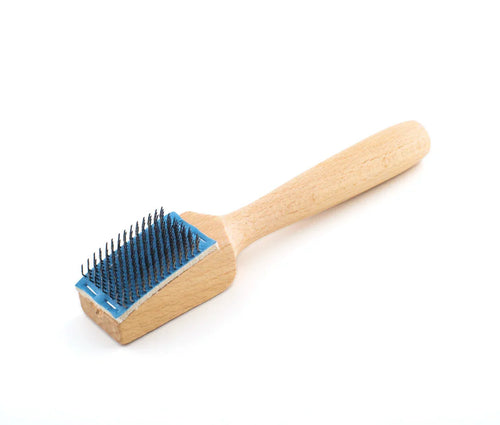
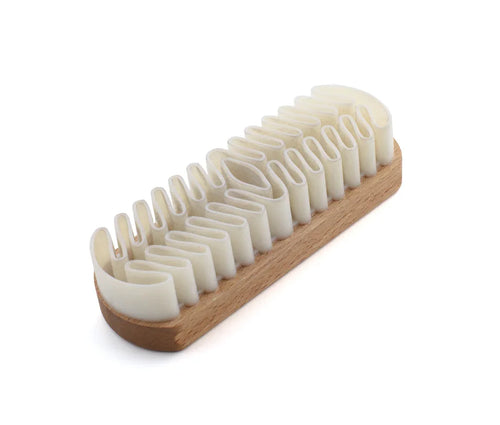
Maintaining your shoes is often underestimated. The suede sole under your jazz dance shoes is crucial for the right balance between glide and grip. Over time, dust and floor wax accumulate in the fibers of the suede, making the sole slippery and hard. What I often see is that dancers then slip during landings, which can be dangerous for the knees. Therefore, use a special brass brush weekly to roughen the suede again. Always brush from the heel toward the toe to open up the fibers.
- Always air out your shoes immediately after class. Do not put them in a closed plastic bag, but choose a bag made of mesh material so moisture can escape and the leather does not rot or smell.
- NEVER wear your dance shoes outside the studio. Even a short walk across the parking lot to the car ruins the soles due to stones and dirt that get into the soft material.
- Regularly check the laces or elastic. In practice, these often snap at the most inconvenient moments, such as just before a performance.
Indispensable extras for modern jazz
Besides shoes, there are a few accessories that significantly improve your dance experience. In modern jazz, we often use floorwork. A common mistake is thinking your knees can handle it. In practice, I often see bruises and abrasions that could have been prevented with thin, flexible knee pads. These should be tight enough so they don't slip during a slide, but must not cut off your circulation when you fully bend your knee.
Don't forget your hair. Although a loose bun can look artistic, in jazz dance, where there is a lot of turning (spotting), it is simply impractical. A sturdy ponytail or braid that sits close to the head ensures you don't lose balance from your own hair whipping in your face. Make sure you always have a set of spare elastics and bobby pins in your bag; you'll be surprised how often you help a fellow dancer out of a jam with them.
Frequently Asked Questions
What should a woman wear to a jazz evening?
For a jazz evening, such as a concert or performance in a club, the dresscode is often 'smart casual' with an elegant touch. Think of stylish trousers with a silk blouse, a pencil skirt, or a nice dress. Combine this with comfortable heels or neat loafers. Accessories such as subtle jewelry complete the classic jazz look while you enjoy the atmospheric music.
What do you wear to a jazz dance class for adults?
In a jazz dance class for adults, freedom of movement is paramount. Choose form-fitting leggings or jazz pants combined with a breathable T-shirt or a tight-fitting top. This allows the teacher to properly assess your posture and technique. Don't forget to wear real jazz shoes with a split sole for the right grip and flexibility. Wear layers, such as a cardigan, for during the warm-up.
What is the jazz dance style?
The jazz dance style, also called jazz dance, is a dynamic and expressive form of dance with roots in African-American culture. It is characterized by rhythmic footwork, isolations of the body, and explosive movements such as jumps and turns. Modern jazz often combines these traditional elements with influences from ballet and contemporary dance, resulting in an energetic and versatile style performed to pop or jazz music.
What is jazz-style clothing?
Jazz-style clothing for dancers is specifically designed to accentuate the lines of the body without restricting movement. Key items include jazz pants, form-fitting tops, and the iconic jazz shoes. For performances, materials with shine, sequins, or fringes are often chosen to enhance the dynamics of the movements. It's about a balance between technical functionality and a theatrical, stylish appearance.
Which jazz shoes are best for beginners?
For beginners, jazz shoes with a split sole and a small heel are usually the best choice. These shoes offer the necessary flexibility in the instep, which is essential for correctly stretching the foot during exercises. Choose a model made of leather or canvas that fits snugly around the foot. A suede or rubber sole provides the perfect balance between glide and grip.
Why are specific jazz shoes important in modern jazz?
Specific jazz shoes are crucial in modern jazz because they protect the foot while providing maximum flexibility. Unlike regular sneakers, jazz shoes allow the dancer to turn smoothly without straining the knees or ankles. The sole is specially designed to provide cushioning for jumps and support for the fast, technical footwork so characteristic of jazz dance.
How do you best maintain jazz dance clothing and shoes?
To keep your jazz dance clothing looking good, it's best to wash it inside out at a low temperature and let it air dry. For leather jazz shoes, it's important to let them air out well after every class. Use a slightly damp cloth for stains, but never put them in the washing machine. By taking good care of your gear, the materials will retain their stretch longer.
The beauty of jazz dance is the unique balance between technical precision and raw expression. What I especially want to share with you is that your clothing should reflect that same balance. Whether you're hitting the floor in modern jazz or working on your technique in the studio, your outfit should feel like a second skin that accentuates your movements instead of restricting them. Remember above all that the right foundation starts at your feet; good jazz shoes give you exactly that grip and flexibility needed for deep pliés and explosive jumps.
If you're ready to take your performance to the next level, it's worth investing in items that both breathe and move with you. View our women's jazz collection for clothing specifically designed to enhance your lines on the dance floor. Ultimately, jazz dance is about telling your story, and with the right outfit, you have all the freedom to empower that story. Let your creativity run wild and enjoy every movement you make.


