

Table of Contents
- History of Jazz Shoes
- Differences with Tap Shoes
- Flamenco Shoes versus Jazz
- Materials and Modern Design
- Combining with Pole Dance Clothing
- Tips for Optimal Maintenance
- Frequently Asked Questions
In the thirty years that I have been standing in front of the mirror wall, there is one mistake I see beginner dancers make time and again: choosing the wrong shoe for the wrong floor. A good jazz shoe is a technical tool that offers the perfect balance between the flexibility of a bare foot and the necessary support for fast pirouettes and jumps. Where with flamenco shoes you rely on a sturdy, solid heel for powerful footwork, or with tap shoes you focus on rhythmic metal sounds, jazz is precisely about that elusive fluidity and contact with the ground.
I often notice in my lessons that students underestimate the technical differences between materials. A leather sole reacts very differently to a wooden ballet floor than a rubber split-sole, and you feel that difference directly in your ankles after an hour of intensive training. Whether you are used to the specific grip of pole dance clothing or are making the transition from another discipline, the right choice of shoe determines how freely you actually move. In this guide, I share my practical experience on the evolution of design, so that you make a choice that supports your technique instead of working against it.
History of Jazz Shoes
In the studio, I often see that students take the jazz shoe for granted, but the shoe we wear now is the result of decades of technical adjustments and cultural shifts. In the early years of jazz, around the 1920s and 30s, the specific 'jazz shoe' as we know it today simply did not exist yet. Dancers on Broadway and in Vaudeville theaters at the time often used ordinary street shoes with a leather sole or modified Oxford shoes. What I often explain to beginners in practice is that jazz dance at that time was inextricably linked to tap dance. Many early jazz dancers actually wore tap shoes, but without the metal taps, to have more grip on the wooden floors while still being able to make those characteristic sliding movements.From stiff leather to the split-sole revolution
The real change came when jazz dance evolved from a social dance to a technically extremely demanding performing art. Choreographers like Jack Cole and later Bob Fosse demanded movements that were simply impossible with stiff, heavy shoes. Think of deep pliés in second position, fast isolations, and the need to be able to fully 'point' the foot. A common mistake when studying dance history is the idea that shoes were always flexible. In reality, the transition to the split-sole (the divided sole) was a huge breakthrough for the anatomy of the dancer. Where flamenco shoes, for example, are built on resistance, stability, and producing sound through a hard, nailed sole, the jazz shoe had to 'disappear' on the foot. By removing the middle part of the sole and replacing it with supple leather or neoprene, the longitudinal arch of the foot was given all the room to work. In my classes, I notice that this is essential: without that flexibility, you cannot use the intrinsic foot muscles correctly, which can prevent injuries to the tendons in the long run.The influence of modern materials
In practice, I see that the modern jazz shoe has become a hybrid of different sports disciplines. The introduction of rubber soles instead of full leather was a reaction to changing dance floors. We used to dance on varnished wood, which was slippery and required leather to be able to turn. Nowadays, almost all studios have vinyl floors (marley), which are much more grippy. The materials we use now, such as breathable mesh and synthetic stretch leather, can also be found in other branches of the sports world. Even in the development of modern pole dance clothing and footwear, that same balance between grip and freedom of movement that the jazz shoe has perfected over the years is being looked at. Some important milestones in this design are:- The introduction of the laceless 'slip-on' jazz shoe, which ensures a sleeker silhouette on stage.
- The use of EVA rubber for the heels, which absorbs shocks during jumps (grand jetés).
- The integration of neoprene inserts at the instep, which ensures a glove-like fit that adapts to the swelling of the foot during a long rehearsal day.
Differences with Tap Shoes
I regularly see students walk into the studio with a bag full of different pairs, unsure which shoe is suitable for which discipline. Although a tap shoe looks a lot like a classic jazz shoe at first glance – think of the lace-up closure and the low model – the differences in practice are enormous. The biggest difference is, of course, the sound, but as a dancer, you feel it mainly in the technique and the way you make contact with the floor. In practice, I see that beginners often underestimate the stiffness of a tap shoe. Where a jazz shoe is designed to allow the foot to articulate and stretch for that perfect 'point', a tap shoe is a percussion instrument. Under the heel and the ball of the foot are metal plates, the so-called 'taps'. These plates make the sole rigid. A common mistake is trying to turn jazz chassés or pirouettes on tap shoes; due to the metal's lack of grip on a wooden floor, you will inevitably slip. Jazz shoes, on the other hand, have a rubber or suede sole that provides just enough resistance to turn in a controlled manner without slipping.Construction and Anatomy
What I often see is that dancers transitioning from jazz to tap have to get used to the weight. A jazz shoe is feather-light and feels almost like a second skin, especially with the more modern slip-on models. Tap shoes are significantly heavier due to the metal plates and the often sturdier, more solid construction of the shoe itself. This extra weight is necessary to create volume, but it requires different muscle control in your ankles and lower legs.- Sole flexibility: Jazz shoes often have a split-sole (a two-part sole) for maximum flexibility of the instep. Tap shoes almost always have a full-sole to ensure the resonance of the sound.
- Sound insulation: In jazz, you want to be able to move silently, while in tap, every contact with the floor must be a conscious tone.
- Impact on the joints: In practice, I notice that the hard landing of a tap shoe demands more from your knees and ankles than the cushioning effect of a good jazz shoe.
Technique and Use
An interesting point of comparison is the percussive technique. Although tap shoes are the most well-known 'sound makers', you see a similar focus on rhythm with flamenco shoes. However, the difference is that flamenco shoes do not have metal plates, but countless small nails in the toe and heel that have been driven into the leather. This gives a much duller and earthier sound than the clear 'click-clack' of tap. In a jazz class, this sound is of no use; there everything revolves around the fluid line of your leg and the soft landing after a jump. Soms vragen leerlingen me of ze hun outfit voor andere lessen kunnen aanhouden. Although you can wear pole dance clothing perfectly fine during an intensive jazz warm-up because of the freedom of movement, the choice of footwear is much less flexible. You simply cannot learn jazz technique on a shoe with an iron plate. You lose the feeling with the floor and you run the risk of putting the wrong strain on your foot muscles because the shoe does not move with your natural movement. Remember: jazz shoes are there to follow your movement, tap shoes are there to make the movement audible.Flamenco Shoes versus Jazz
In the dance studio, I regularly get asked by students if they can 'borrow' their shoes from one discipline for another. What I often see is that dancers who are just starting with flamenco think that their jazz shoes will suffice for a bit, or vice versa. In practice, however, this is a recipe for injuries and poor technique. The biggest difference lies in the function: a jazz shoe is designed to let the foot merge with the floor, while flamenco shoes function as a percussion instrument.
In jazz dance, it's all about the 'line' of the foot and the ability to turn and jump smoothly. The sole is therefore often made of suede or rubber and is extremely flexible. In flamenco, the sole is actually rock hard and often equipped with a steel shank to absorb the blows of the footwork (the zapateado). A common mistake is underestimating the weight; a flamenco shoe is heavy and solid, which is essential for the sound, but disastrous if you want to make a light jazz jump.
The technique of sound and grip
If we look at the anatomy of the shoe, you see small nails driven into the heel and toe in flamenco. This is a fundamental difference with tap shoes, where there are loose metal plates under the sole that can move for a clear 'tink'. The nails in flamenco are intended for a deep, dry strike. If you walk into a jazz class with these shoes, you not only damage the often fragile marley floor, but you also have zero grip when performing a pirouette.
In practice, I notice that the stability you need for flamenco is very different from jazz. In flamenco, the heel (often a sturdy block heel) must absorb your weight perpendicularly during stomping. In jazz, you are looking for a heel that propels you forward or a flat sole that gives maximum freedom to the midfoot. It's just like the difference between different sports: you don't go running in hiking boots, even though both have soles.
Why the right equipment makes the difference
Another aspect that is often overlooked is friction. Just as you need specific fabrics in pole dance clothing that provide grip on the pole but at the same time give freedom of movement, your footwear must match the resistance of the dance floor. Jazz shoes let you slide where necessary, while the heavy sole of a flamenco shoe forces you to a direct stop if you make a sideways movement that is not right above your center of gravity.
- Impact on the joints: Cushioning in a jazz shoe is minimal because the dancer absorbs the landing with the muscles. A flamenco shoe offers a hard platform that requires specific ankle stability to process the shocks of stomping.
- Floor contact: In a jazz class, you want to 'feel' the floor with your toes (pointing). In a flamenco shoe, your foot is wrapped in stiff leather, making that subtle articulation impossible.
- Durability: Use your jazz shoes for flamenco? Then the leather will tear within one lesson due to the force of the footwork.
My advice to students is always: invest in the specific shoe for the style you practice. It not only increases your dance pleasure, but it also protects your knees and back from the wrong strain that arises when you try to compensate for unsuitable footwear.
Materials and Modern Design
In the dance studio, I often see that dancers underestimate the impact of material choice. What I often notice is that a student chooses a shoe that looks nice, but which in practice hinders the communication between the foot and the floor. In jazz dance, it's all about the articulation of the foot; you want to be able to control every movement of your metatarsals. Traditionally, leather is the standard, and that's not without reason. Leather has the unique property that it 'lives'. In practice, I see that a leather jazz shoe completely forms to the anatomy of your foot after three or four lessons. A common mistake I see beginners make is buying a pair that feels "comfortably loose" immediately. Leather stretches. If they already fit perfectly in the store, you'll be swimming in them after a month, which is dangerous for your ankles during fast pivots or jumps. The firmness of leather offers a similar stability to what you see in flamenco shoes, where the shoe really has to function as a second skin to support the powerful technique.The Evolution of the Sole and Flexibility
One of the most important innovations in modern design is the split-sole. Where we used to often dance on full soles (which was good for building muscle in the instep), I now see almost exclusively split-soles in my classes. This design removes the material under the arch of the foot, allowing you to make a much more extreme 'point'. In practice, this offers advantages for:- A better foot line during jumps and extensions.
- More grip when pushing off for a pirouette.
- Direct feedback from the floor when landing jumps.
Breathability and Aesthetics
What I often see during intensive rehearsals is that feet overheat in completely closed leather shoes. That's why in modern design you increasingly see a combination of leather and mesh. This hybrid design is a relief for dancers who put in many hours in a row. It keeps the foot cool and prevents the leather from becoming baggy too quickly due to sweat. Additionally, I see a shift in aesthetics. Where jazz shoes used to be purely functional, they are now designed with an eye on the broader dance world. The sleek, minimalist lines you see, for example, in modern pole dance clothing, are seeping into jazz aesthetics. It's about creating a long, continuous line from the hip to the toe. A modern low-cut model without laces (the so-called slip-on) helps enormously here because there are no visual interruptions on the instep. In practice, always choose a material that supports your specific foot type; if you have weak ankles, stick with a sturdier leather model with laces for that extra compression.Combining with Pole Dance Clothing
In practice, I see more and more often that dancers in the pole dance studio are moving away from the standard towering heels and choosing the subtle flexibility of jazz shoes. Especially with 'Low Flow' and 'Exotic Floorwork', the choice of your footwear is crucial for how you move. What I often see is that students start barefoot, but quickly notice that the friction of the floor against the instep or the side of the foot causes painful abrasions. A good jazz shoe offers the perfect balance here between protection and the freedom to fully point your foot. When choosing the right set-up, it's important that your shoes match the functionality of your outfit. Because pole dance clothing is often minimalist to maintain maximum grip on the pole, you don't want a bulky shoe that interrupts the visual lines of your legs. A tight-fitting jazz shoe made of leather or canvas extends your lines, while a heavy sneaker can make your movements look clumsy.Floorwork and the right grip
A common mistake is thinking that any dance shoe is suitable for the pole dance studio. In practice, shoes with a hard or metal sole simply don't work. Think, for example, of flamenco shoes; the nails in the heel and toe would irreparably damage the dance floor and the pole. Jazz shoes, on the other hand, usually have a suede or rubber split sole. For floorwork, I usually recommend suede because this allows you to slide smoothly across the floor during transitions, while still maintaining enough control when pushing off for a pirouette. Let bij het combineren op de volgende praktische zaken:- Choose a color that matches your leggings or heels-socks to create an uninterrupted line from your hip to your toes.
- Ensure the shoe fits tightly around the arch of your foot; excess fabric will fold when pointing, which looks messy during inverted moves.
- Check if the toe of the shoe has extra reinforcement, as you often roll over the top of your toes during floorwork.
The anatomy of movement
What many dancers forget is that jazz shoes have a very different impact on your ankles than dancing in heels. Where in heels you constantly force your center of gravity forward, jazz shoes force you to use your own muscle power in your ankles and calves. This is technically much more challenging for your anatomy. Unlike the stiff structure of tap shoes, which force your foot into a certain position for the sound, jazz shoes give you the complete freedom to articulate your metatarsals. When you wear jazz shoes with a short pole short and a sports top, you create an athletic, modern look that fits perfectly with contemporary pole dance styles. The advantage of this combination is that you can seamlessly transition from dynamic spins on the pole to complex acrobatics on the floor, without having to fear that your shoes will fly off or your ankles will buckle. It is a functional choice that benefits your technique, provided you choose a model that fits your foot like a second skin.Tips for Optimal Maintenance
In the years that I have been teaching and on stage myself, I have seen countless pairs of jazz shoes end up in the trash prematurely. What I often see is that dancers invest in quality shoes but then treat them like a pair of old sneakers. In practice, the way you handle your footwear directly determines how your feet feel during a fast pirouette or a jump combination. A well-maintained shoe provides the necessary friction and support, while a neglected shoe can become dangerously slippery or too grippy.Keeping leather jazz shoes supple
Most jazz shoes are made of supple leather or a combination of leather and stretch material. A common mistake I see in my students is that they leave their shoes in a closed bag immediately after an intensive rehearsal. Sweat soaks into the leather, causing the material to eventually harden and crack. Just as with high-quality flamenco shoes, leather needs time to breathe and dry. Always take them out of your bag after class and let them air dry, but never directly near a heater; the heat extracts the natural oils from the leather, changing the fit. If you notice the leather starting to get stiff, you can use a small amount of colorless leather balm. Do not apply this to the sole, but only to the top. This keeps the leather elastic, which is essential for the 'point' of your foot. In practice, I see that dancers who do this monthly get at least half a season longer out of their shoes than dancers who skip this.The sole and grip on the floor
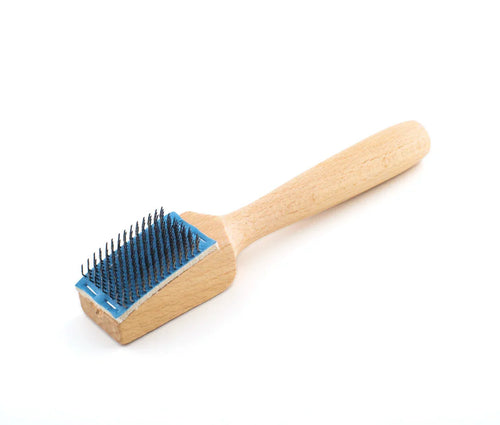
The suede sole of a jazz shoe is your most important tool for spins and slides. Over time, dust and floor wax accumulate under the sole, making it mirror-smooth. A handy technique I always recommend is using a steel sole brush. Gently brush up the suede sole to bring the fibers back up. However, do this in moderation; brushing too hard wears the suede away unnecessarily fast. What I also often advise dancers who combine different styles is to look critically at the wear patterns. Just as you regularly check with tap shoes if the screws are still tight so as not to damage the floor, with jazz shoes you must check that there are no stones or dirt in the sole that could scratch the ballet floor.Hygiene and storage
Let's be honest: dance shoes can start to smell quite a bit. Instead of using aggressive sprays that can affect the glue of the sole, I often use cedar shoe trees or simple bags with activated charcoal. This absorbs moisture without affecting the structure of the shoe. For your other dance wardrobe, such as pole dance clothing or tight jazz pants, different washing instructions often apply (usually cold and without fabric softener), but for your shoes, prevention is the best method.- Never wear your jazz shoes outside the studio. Concrete and asphalt destroy the suede sole within minutes.
- Use a cotton shoe bag instead of plastic to prevent the material from suffocating.
- Cut your toenails straight and short; this prevents you from pushing holes in the toe of your (often thin) leather jazz shoes.
- If possible, alternate between two pairs if you dance more than ten hours a week, so that the material can fully recover.
Frequently Asked Questions
What is the most important difference between jazz shoes and ordinary sneakers?
Jazz shoes are specifically designed for maximum flexibility and freedom of movement on the dance floor, which is essential for complex foot movements. Unlike stiff sneakers, they often have a split sole of suede or rubber, allowing dancers to fully stretch and bend their feet. This makes them indispensable for jazz dance, where precision and technique are central, while simultaneously providing the necessary support during intensive training sessions.
Can I also use jazz shoes as an alternative to flamenco shoes?
Although both shoe types are intended for dance, jazz shoes are not suitable as a replacement for flamenco shoes. Flamenco requires specific footwear with a sturdy heel and small nails in the sole for the characteristic percussive sound. Jazz shoes are much softer and lack the structural firmness needed for the powerful footwork techniques of flamenco, meaning they cannot replicate the unique dance experience.
How do jazz shoes differ technically from classic tap shoes?
The main difference between these two types of dance shoes lies in the sole construction and the intended purpose. Tap shoes are equipped with metal plates under the heel and toe to produce sound, while jazz shoes are focused on quiet, fluid movements. Where jazz models offer maximum flexibility for jumps and pirouettes, tap shoes are much stiffer to optimally enhance the resonance of the rhythmic strikes.
Is specific pole dance clothing necessary when practicing jazz dance?
Although jazz dance and pole dancing are both physically demanding, the required equipment differs significantly per discipline. Pole dance clothing is often designed for maximum grip on the pole through exposed skin, while jazz clothing focuses on stretch and coverage for floorwork. Although some sporty tops are interchangeable, it is recommended for jazz dance to wear clothing that clearly accentuates the lines of your body.
What should I look for when choosing the right size jazz shoe?
When fitting jazz shoes, it is crucial that they fit your foot like a second skin for optimal control. They may feel quite tight at first, as materials such as leather will stretch slightly over time and mold to the shape of your foot. Ensure there is no excess space at the toes, so you maintain full precision during turns.
What are the benefits of a split sole compared to a full sole?
A split sole offers the dancer significantly more flexibility in the arch of the foot, which is essential for accentuating the foot line during jumps and point work. A full sole, on the other hand, offers more resistance and support, which is often pleasant for beginners who still need to further strengthen their foot muscles. The final choice therefore depends heavily on your experience level and the specific style of jazz dance you practice.
How can I best extend the lifespan of my new jazz shoes?
Good maintenance starts with only wearing your shoes on a suitable indoor floor to prevent premature wear to the soles. Let them air out well outside your bag after each class to avoid moisture buildup and unpleasant odors. For leather models, you can occasionally use a mild conditioner to keep the material supple, while suede soles should be brushed regularly for grip.
The beauty of jazz shoes is that they bridge the gap between technical precision and your unique artistic expression on the dance floor. What I especially want to share with you is that the right shoe gives your self-confidence a huge boost, whether you focus on fluid lines or explosive jumps. For those who


