

Table of Contents
- What are jazz shoes?
- Difference between jazz and modern
- Properties of leather
- Advantages of canvas
- Making the best choice
- Maintaining your shoes
- Frequently Asked Questions
Are you standing in the dance studio ready for a diagonal crossing, but your feet feel like they're in the wrong gear? The choice between leather or canvas jazz shoes determines how you make contact with the floor and how quickly the material molds to your arch. While leather is known for its durability and the way it fits like a second skin over time, canvas offers immediate flexibility and better ventilation during an intensive modern jazz class.
In the more than fifteen years that I have been teaching jazz dance, I have seen countless students struggle with blisters or a lack of grip, purely due to a wrong material choice for their specific foot type. I still remember my own first pair of leather shoes; they were quite tight at first, but eventually offered the necessary stability for powerful jumps and landings. Canvas, on the other hand, is ideal for dancers who love a lightweight feel and direct contact with the floor without any break-in time. I have worn out both materials on various dance floors and will help you make the decision here, so that your next lesson is once again fully about technique and expression instead of your footwear.
What are jazz shoes?
In the dance studio, I often see students starting their first lessons in socks or even in sturdy sports sneakers. While that may seem fine for a first trial lesson, in practice you quickly notice that your technique suffers. Jazz shoes are specifically designed to bridge the gap between the full flexibility of a bare foot and the protection a dancer needs for intensive footwork. Unlike an ordinary shoe, a jazz shoe is extremely lightweight and snug-fitting, almost like a second skin around your foot.
What makes these shoes truly unique is the construction of the sole. Most modern jazz shoes have a so-called split-sole. This means the sole is interrupted at the arch of the foot, allowing you to fully point and flex your foot without any resistance from the shoe itself. This is essential for techniques within modern jazz, where the line of the leg and foot is a crucial part of the aesthetic. A common mistake I see in beginners is that they buy shoes with a continuous sole because it feels more stable, but in practice, this hinders the development of the foot muscles and the articulation of the metatarsals (the midfoot bones).
Anatomy and functionality in the lesson
If you look at the bottom of a jazz shoe, you usually see a small rubber or plastic heel and a suede or rubber patch under the ball of the foot. This is not just a design choice; it is a pure necessity for your safety. During a pivot turn or a quick chassé, you need a sole that is smooth enough to turn without straining your knees, but grippy enough not to slip during a powerful push-off for a jump.
In practice, I often see that dancers who dance in regular sneakers experience joint pain because the grip of a street shoe is too stiff for the turning movements associated with jazz dance. Good women's jazz shoes offer exactly that balance. Additionally, the small heel provides light cushioning, which protects your heel during landings, something you miss with a standard ballet shoe.
- Split-sole: Maximum freedom of movement for the arch and instep.
- Low heel: Provides shock absorption for jumps and keeps the center of gravity correct.
- Snug fit: Prevents sliding in the shoe, which prevents blisters and instability.
- Different closures: From laces for extra sturdiness to slip-on models with elastic for quick costume changes.
Why the right choice influences your technique
An aspect that is often overlooked is how the shoe supports the anatomy of the foot during floorwork. In many modern jazz choreographies, you slide across the floor on the arch of your foot. A quality shoe from our jazz dance collection protects the skin from friction burns while maintaining flexibility.
What I often advise my students is to pay attention to the 'box' of the shoe. Although jazz shoes do not have a hard toe like pointe shoes, the material must be firm enough to protect your toes during fast movements. Whether you choose leather or canvas, the shoe should 'hug' your foot, so to speak. If there is space left at the toes, you lose contact with the floor, and that is exactly what you need for those controlled, powerful jazz moves. Understanding what a jazz shoe does for your body is the first step toward improving your overall dance performance.
Difference between jazz and modern
In the dance school, I often notice that students find it difficult to define the difference between jazz and modern. They sometimes think it's the same because both styles deviate from classical ballet, but the technique and the physical experience are worlds apart. In practice, I see that students coming from ballet often find their way into modern more quickly, while dancers with a lot of explosive energy and a love for tight rhythms feel right at home with jazz dance. The biggest difference lies in how you use your weight and gravity. In jazz dance, you work a lot "up," with a strong focus on upper body isolations and fast, sharp foot movements. You are often in a parallel position and use powerful jumps and fast pirouettes. A common mistake I see with beginners is that they try to turn on their bare feet or regular socks during a jazz class. That is asking for injuries to the knees and ankles. Good jazz shoes are essential here because the sole provides just enough grip not to slip, but is smooth enough to spin easily without your foot sticking to the floor. Modern, on the other hand, is much more about "release" and consciously surrendering to gravity. You work a lot on the ground (floorwork), rolling, sliding, and catching yourself. Where in jazz you strive for those tight, almost geometric lines, in modern you look for the natural flow and the breathing within the movement.Technique and the role of your footwear
In a modern-jazz class, these two worlds are often combined. You need the technical foundation of jazz for the jumps and turns, but the fluid transitions of modern. What I often see is that dancers in these hybrid classes struggle with their shoe choice. If you choose leather jazz shoes, you choose durability and a material that, over time, completely molds to the anatomy of your foot. This is ideal for powerful footwork where you put a lot of pressure on the ball of the foot. In modern jazz, the flexibility of the arch is crucial for the aesthetics of the movement. You want to be able to fully "point" your foot without the shoe offering resistance. When purchasing jazz shoes for women, pay particular attention to the presence of a split-sole. A split-sole ensures that the shoe bends under the arch of your foot, which is essential for both the deep pliés in modern and the tight lines in jazz.Practical differences on the dance floor
If you are in doubt between the two styles, look at these concrete differences that I use in daily teaching practice:- Rhythm: Jazz is often syncopated (accents on the unexpected beat) and follows the beat of the music closely. Modern more often works with phrasing based on breathing and emotion.
- Foot position: In jazz, you see many parallel "forced arch" positions, where you stand on the ball of the foot with bent knees. Modern uses both parallel and turnout, but often with a "grounded" feel where the weight lies deeper in the heels.
- Floorwork: In modern, you are on the floor more often than you are standing. In jazz, you usually stay on your feet unless a specific choreography requires a "knee drop" or slide.
Properties of leather
In practice, I often see that dancers moving from a recreational to a more intensive level almost immediately prefer leather. There's a reason for that. Leather is a natural product that behaves like an extension of your own foot. While canvas often retains the same shape, leather has the unique property of completely molding to your anatomy through the heat and friction of your feet. What I often see in the studio is that a pair of well-broken-in jazz shoes made of leather feel like a second skin after a few weeks, with the shoe following the exact curve of your arch.
Durability and resistance in floorwork
With a dynamic style like modern jazz, you can't avoid floorwork. Think of slides, rolls, and fast transitions where you move sideways across the floor. In practice, canvas wears out quite quickly at such moments, especially at the points where the most pressure is applied, such as the ball of the foot and the sides. Leather shoes are much more robust. They offer natural protection against the friction of the dance floor, making them a better investment in the long run.
- Wear resistance: Leather can take a beating and tears less easily during intensive use on a ballet floor or wooden floor.
- Grip and slide: Leather offers a predictable balance between grip and glide, which is essential for making controlled turns.
- Protection: The thicker material provides more cushioning and protection for the small bones in your feet during jump landings.
A common mistake I see with students is that they buy their leather jazz shoes too large. Because leather stretches, they must be really 'tight' the first time you try them on, almost like a firm sock. If there is already space at the toes when purchasing, you will notice that you start to slide in your shoe after three lessons. This comes at the expense of your stability during a jazz dance class, especially during fast movements like chassés or pirouettes.
The influence on your technique
Technically, leather offers a certain kind of resistance that helps you build strength in your feet. Because the material starts out stiffer than canvas, you have to use your foot muscles more actively to show that perfect 'point.' In practice, this often results in a more beautiful line and a stronger arch. Moreover, the structure of the leather helps you better feel where your weight is placed. When performing a complex combination within modern jazz, that contact with the floor is crucial for your balance.
Although leather can feel a bit stiff at first, the 'break-in' period is more than worth it. A handy tip I often give: wear your new leather shoes at home for a while with a pair of thick socks while just walking around. The heat from your feet speeds up the process of the leather molding to your metatarsals. You will notice that over time the shoe no longer works against you, but instead supports and accentuates every subtle movement of your foot.
Advantages of canvas
In practice, I notice that the choice for canvas often stems from a need for immediate comfort and breathability. Where leather can still feel stiff during the first use and really needs to be molded to the foot, a canvas shoe feels like a second skin immediately. What I often see in the studio is that dancers who are prone to blisters or who have very intensive training days prefer this material. Canvas has the property of regulating moisture much better than leather. During an intensive lesson in modern jazz where you jump and turn a lot, your feet stay cooler and drier, which not only feels more pleasant but also benefits the hygiene in your shoe.Breathability and immediate fit
A common mistake is the thought that canvas offers less support. Although leather is indeed firmer, canvas offers a degree of flexibility that is essential for accentuating your technique. When you point your foot, the canvas follows the line of your arch more accurately without 'air bubbles' forming at the arch of the foot. This is especially visible in advanced dancers who want to perfect their footwork. In dance class, I often advise looking at the structure of the fabric; modern canvas is often woven with a light stretch, allowing the jazz shoes to close directly around the contours of your metatarsals. Additionally, the 'break-in' period for canvas is virtually non-existent. Where with leather you are sometimes busy for weeks dancing out the stiffness, with canvas you can go full out during your first rehearsal. This also makes them extremely suitable for young growing dancers or beginners who are not yet sure if they will continue with jazz dance for years. You don't have to go through a painful phase of pinching leather, which significantly lowers the threshold for dancing with pleasure.Maintenance and practical advantages
What many dancers don't know is that canvas shoes are in many cases easier to keep clean. After a season on a dusty studio floor, your shoes can look quite gray. Although I always advise being careful, many canvas models can go in the machine on a cold program in a laundry bag, something that is absolutely impossible with leather. This keeps your gear fresh, especially if you train several times a week.- Price-quality ratio: Canvas is generally cheaper to purchase, which is handy if you have a strict budget or change sizes often.
- Lightweight: The material weighs almost nothing, making your jumps and fast foot changes in modern jazz feel less heavy.
- Vegan option: For dancers who prefer not to use animal products, canvas is the standard alternative to the traditional leather sole and upper.
- No stretch-out: Where leather can become too wide over time due to body heat and sweat, canvas retains its original shape better over its entire lifespan.
Making the best choice
Making the decision between leather and canvas depends not only on your budget, but especially on how you use your feet during class. In practice, I often see that dancers develop a strong preference based on the floor they dance on or the intensity of their choreography. If you mainly do jazz dance in a studio with a grippy Marley floor, leather reacts very differently than canvas. Making the right choice starts with understanding your own anatomy and how the shoe supports your technique.When do you choose leather?
What I often see in advanced dancers is that they swear by leather because of its durability and the way the shoe molds to the foot. Leather has the unique property of stretching and following the exact contours of your arch and heel. This creates a 'second skin' feel that is essential for precision work. However, a common mistake is that dancers buy leather shoes too large. Because leather works, the shoe should feel almost uncomfortably tight when purchased. After a few lessons in modern jazz, you will notice that the material becomes more flexible and gives space in exactly the right places. In practice, leather is also the superior choice for floorwork and fast turns. The natural grip of leather on a wooden dance floor gives you that little bit of extra control during a pirouette. If you look at professional men's jazz shoes, you see that leather is often the standard because it better absorbs the powerful push-off in jumps without tearing.- Durability: Leather lasts significantly longer than canvas with intensive use (3-4 times per week).
- Shaping: The shoe adapts to the unique shape of your foot, which helps in accentuating your 'point'.
- Protection: The thicker material offers more protection during complex floorwork where the arch touches the ground.
When is canvas the better option?
Canvas is an excellent choice for dancers who suffer from hot feet or who are looking for a shoe that is 'ready' to dance in right out of the box. Unlike leather, canvas hardly stretches. What fits you in the store is what you keep. For young growing dancers, I often see parents choosing canvas jazz shoes for children, because they are more affordable and easier to wash if they start to smell after an intensive season. A specific advantage of canvas is the way it emphasizes the line of the foot. Because the material is thinner, you often see the arch of the foot more clearly, which can be aesthetically very beautiful in modern jazz. However, in practice, canvas wears out faster at the toes, especially if you drag across the floor a lot during transitions.The deciding factors
To help you with your decision, I have listed the most important considerations that I always discuss with my students in the studio:- The intensity of your training: Do you dance one hour a week? Then canvas is often sufficient. Do you train daily for a pre-professional program? Then invest in leather.
- Your foot type: Do you have a very narrow foot? Leather will close around your foot better as you break it in.
- Maintenance: Are you someone who rarely takes their dance gear out of the bag? Canvas is more sensitive to mold from sweat, while leather lasts for years with good maintenance.
Maintaining your shoes
You have finally made the decision and purchased a beautiful pair of shoes, but after a few weeks of intensive classes in the studio, you notice they are losing their shine or – worse still – starting to smell. What I often see in dance class is that students stuff their shoes directly into a closed bag afterward and leave them there until the next training. This is truly the fastest way to halve the lifespan of your material. Whether you choose leather or canvas, maintenance determines how long you maintain that perfect connection with the floor.
Leather shoes: Prevent drying out
Leather is a living material that reacts to heat and moisture. During a modern jazz class, your feet generate an enormous amount of heat. The sweat that is released contains salts that can dry out the leather as soon as it dries. A common mistake is to place leather shoes near the heater to let them dry. Never do this! The heat causes the natural oils to disappear from the leather, causing cracks to form at the arch, exactly at the point where your foot needs to be able to flex during a relevé.
- Take your shoes out of your bag as soon as you get home to let them air out at room temperature.
- Occasionally use a special leather balm or colorless shoe polish to keep the material supple, especially around the ball of the foot where the most tension is.
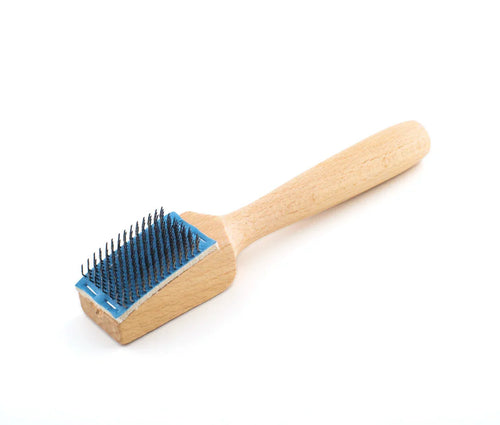
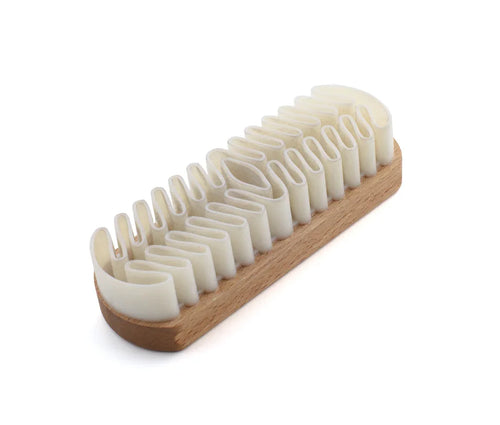
- If the sole becomes slippery due to accumulated dust from the dance floor, you can carefully roughen it with a suede brush to maintain your grip.
In practice, I notice that well-maintained jazz shoes made of leather mold to your foot like a second skin over time. If you notice that the shoe feels stiff when making a point, it is often a sign that the leather has become too dry and needs some extra nourishment.
Canvas and hygiene in the studio
Canvas shoes have the great advantage of being breathable, but the downside is that they also absorb much more sweat and bacteria than leather. For intensive jazz dance sessions involving a lot of floorwork and sliding, canvas wears out faster at the toes. A practical tip I always give my students: preferably do not wash your canvas shoes in the washing machine. Although it is tempting to 'freshen them up' this way, the glue of the sole can come loose and the fabric often shrinks unevenly, which does not benefit your balance and technique.
What works much better in practice:
- Clean surface stains with a soft toothbrush and a very small amount of mild soap.
- Use cedar shoe trees or simply put dry newspaper in the shoes after class; this pulls the moisture out of the fibers and maintains the shape of the toe.
- Always wear thin, cotton dance socks if you notice you sweat quickly; this forms an essential barrier between your skin and the canvas lining.
A crucial point in maintenance is also checking the split-sole. In both leather and canvas, I often see dirt or hair from the studio floor getting stuck in the notch under the arch of the foot. This can limit your freedom of movement during fast footwork combinations or jumps. Make it a habit to check after every class if any lint or resin residue is sticking to the bottom. Your shoes are your most important tool; treat them with the same respect with which you work on your own technique.
Frequently Asked Questions
What are jazz shoes?
Jazz shoes are specially designed footwear for dance styles such as jazz dance and modern jazz. They are characterized by a flexible sole, often a split-sole, allowing the dancer to optimally stretch and bend the foot. These shoes offer a good balance between grip and glide on the dance floor. They are usually made of leather or canvas and have a small heel for extra support during jumps and turns.
What is a canvas shoe?
A canvas shoe is made of a sturdy, woven textile material, usually cotton or linen. In the context of jazz shoes, canvas is popular because the material is breathable and quickly molds to the shape of the foot. Canvas shoes are often more affordable than leather variants and can usually be machine washed, which makes them very practical for intensive training sessions in the professional dance studio.
What is the difference between jazz and modern dance?
The difference between jazz and modern dance lies mainly in the technique and energy. Jazz dance is often explosive, rhythmic, and focused on entertainment, with many isolations and tight lines. Modern dance is more focused on fluid movements, the use of gravity, and floorwork. Although both styles can use flexible jazz shoes, modern dancers also often dance barefoot or in special foot thongs for more floor contact.
What are leather shoes made of?
Leather shoes are made from the processed skin of animals, usually cattle, calves, or pigs. For high-quality jazz shoes, supple calfskin or suede is often used because of its durability and ability to stretch. This natural material offers an excellent fit that feels like a second skin over time. Leather is also very wear-resistant, making these shoes last longer with intensive use on different floors.
Why do dancers choose a split-sole for jazz shoes?
Dancers choose a split-sole for jazz shoes because this sole consists of two separate parts under the heel and the ball of the foot. This design offers maximum flexibility in the arch, making it easier to fully stretch the foot. A split-sole is essential for the technical precision required in jazz dance and modern jazz, as it accentuates the natural arch of the foot.
How long do leather jazz shoes last on average compared to canvas?
Leather jazz shoes last significantly longer on average than canvas variants. While canvas can wear out or show holes at the toes over time, leather is a robust material that resists friction. With weekly use, leather shoes can last a year or longer, while canvas often needs replacement after six months. This makes leather a more sustainable investment despite the higher purchase price.
How do you choose the right size for jazz shoes?
When choosing the right size for jazz shoes, it is important that they fit snugly around the foot without pinching the toes. Leather shoes in particular stretch slightly, so they should feel like a firm glove when purchased. No space should be left at the heel or the arch. For modern jazz, a snug fit is crucial to guarantee stability during fast turns and jumps.
The beauty of jazz dance is that you can let your own style speak fully, and that starts with the foundation under your feet. What I especially want to tell you is that there is no 'wrong' choice between leather and canvas; it is purely about your personal preference in the studio. Remember above all that leather offers you that unparalleled durability and a perfect fit as the shoe molds to your foot, while canvas gives you that immediate flexibility and breathability that are essential during an intensive modern jazz class.
Once you know which material best suits your dance style, you can specifically look for the perfect match. Feel free to take a look and view our women's jazz collection to find the pair that takes your technique to the next level. Your feet are your most important instrument; give them the support they deserve so you can perform every jump and turn with full confidence. The right jazz shoes not only make your movements smoother, they also make you shine just that little bit extra on the dance floor.


