

Table of Contents
- The Right Jazz Shoes
- Shoes for Musical Performances
- Wearing Comfort and Socks
- Clothing for Jazz Dance
- Material and Fit
- Maintenance of Dance Shoes
- Frequently Asked Questions
You are standing in the wings for your first big jazz dance number, but you feel your feet sliding in those old sneakers that are actually far too stiff for a sharp pointe. Good jazz shoes are the most important investment for any musical theater performer, as they offer the perfect balance between grip on the floor and the necessary flexibility to fully articulate your arch. Whether you choose a model made of supple leather or breathable canvas, the right shoe supports your technique during intensive modern jazz classes without hindering your natural freedom of movement.
In the fifteen years that I have been teaching, I have seen countless students struggle with burning soles or unstable ankles, simply because the fit or material did not match their level. I still remember my own first pair of black slip-ons; the difference in my pirouettes and ball changes was immediately noticeable as soon as I felt that split-sole moving with me. It’s not just about the appearance, but about technical details like the thickness of the rubber sole and the sturdiness of the heel counter. I am happy to help you see the forest for the trees, so that you buy shoes that feel like a second skin instead of an obstacle on stage.
The Right Jazz Shoes
In the years that I have been teaching and performing on stage myself, I have seen countless dancers struggle with their footwork, simply because their footwear did not match the choreography. In musical theater, your shoe is your most important instrument; it must be able to handle the explosiveness of jazz, but also support the refined lines of ballet and the floorwork techniques of modern jazz. What I often see is that beginners tend to buy shoes that 'fit comfortably' like a sneaker, but in practice, you actually need a shoe that fits like a second skin around your foot to prevent injuries.Split-sole or continuous sole?
A common mistake is choosing a continuous sole (full-sole) because it seems to offer more support. For young children who still need to develop their foot muscles, this is fine, but for the serious musical dancer, a split-sole is essential. In practice, you see that a split-sole allows you to fully articulate your foot. When you make a 'point', the shoe follows the natural curve of your arch. This is crucial for the aesthetics of modern jazz, where the line of your leg is visually extended into your toes. Most modern jazz shoes are now equipped with a small rubber heel. This heel isn't just for looks; it acts as a shock absorber during jumps and ensures that your weight is shifted slightly more towards the ball of the foot, which significantly improves your reaction speed in fast combinations.Material and fit: Leather versus Canvas
When fitting new shoes for jazz dance, the fit is often a point of discussion. I always advise my students to prefer leather over canvas if the budget allows. Leather has the unique property of molding to the anatomy of your foot as it warms up through friction and movement.- The 'Glove' rule: A jazz shoe should feel almost too tight when purchased. There should be no space left at the toes. If there is air between the fabric and your instep, you will slide in the shoe, which in practice leads to instability during pirouettes.
- Maintenance of the sole: Most jazz shoes have a suede or rubber sole pad under the forefoot. Suede gives you the perfect 'slide' for turns on a wooden theater floor, while rubber offers more grip for powerful push-offs.
- Laces or slip-on: In the musical world, 'slip-on' models (without laces) are often chosen. During quick costume changes backstage, every second counts, and you don't want to run the risk of a lace coming loose in the middle of an ensemble number.
Shoes for Musical Performances
When you move from the rehearsal room to the stage for a musical performance, the dynamics of your footwork change completely. What I often see is that dancers underestimate how intensive a two or three-hour show is for their feet. In a musical, you are not just working on sharp technique; you are combining singing, acting, and often very explosive choreographies. The shoe you choose must therefore not only look good under your costume but also be technically supportive for the specific demands of the theater.
In practice, I see that choosing the right sole makes the difference between a confident performance and an unsafe situation on stage. Theater stages can be treacherously slippery, especially if smoke machines are being used or if the floor has just been waxed. For the fluid movements seen in modern jazz, where floorwork and fast transitions are central, you need a shoe that moves with the anatomy of your foot but also provides enough grip when pushing off for a jump.
The balance between grip and flexibility
A common mistake is choosing a shoe that is either too grippy or too slippery. If you have too much grip, you risk knee injuries during turns. If you have too little grip, you slide away during a powerful lunge or a 'tendu' on a slippery wooden floor. What I often advise musical performers is to look at a split-sole construction. This means the sole consists of two parts, allowing the arch of the foot to move freely. This is essential for aesthetics; a beautiful 'point' is often a requirement in musical theater for the sharp lines in the choreography.
For more dynamic pieces, where you have to jump or run across the set a lot, sturdy jazz sneakers are often a better option than the traditional thin jazz shoe. These offer more cushioning for the heel and the ball of the foot, which is crucial for preventing calf fatigue during a long performance period with eight shows per week. The extra shock absorption protects your joints against the hard impact of the theater floor.
Practical tips for on stage
In addition to the technical specifications, there are a few practical matters to keep in mind when choosing shoes for a production:
- Color choice: In most musicals, you are asked for 'tan' (skin color) or black shoes. Tan optically extends the line of your leg, which makes a big difference in how your movements come across to the audience, especially with shorter costumes.
- Breaking in: Never go on stage with brand new shoes during the premiere. Leather needs to mold to your foot. Wear your new jazz shoes during the final rehearsal weeks to prevent blisters and pressure points.
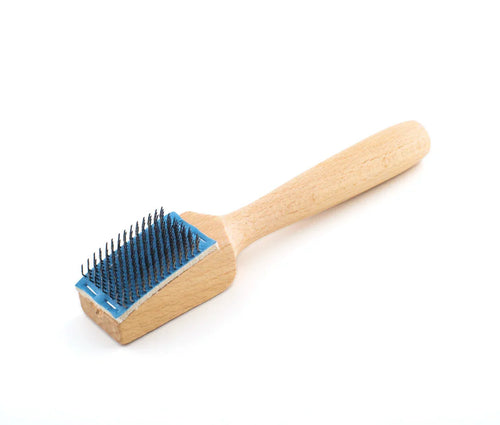
- Maintenance of the sole: If you notice your suede soles becoming slippery due to dust on the stage, use a small wire brush to roughen the fibers again. This immediately gives you back the necessary control for your pirouettes.
- Fastening: For quick costume changes, slip-on models without laces are ideal. Make sure the elastic is tight enough so your shoe doesn't fly off your foot in the middle of a 'kick-ball-change'.
What I often notice in practice is that the anatomy of the foot determines which brand fits best. Some dancers have a very high arch, where a lace-up shoe offers more adjustability to distribute the pressure. Others benefit from a neoprene insert that closely encloses the foot. The most important thing is that the shoe feels like a second skin; in a musical performance, you want to be able to think about everything — your lines, your breathing, your focus — except your feet.
Wearing Comfort and Socks
In the dance studio, I often see that dancers underestimate how tightly jazz shoes should actually fit. A common mistake is buying shoes that feel 'comfortable' right away, like a regular sneaker. In practice, however, this means the shoe will start to sag after three modern jazz classes. Leather is a natural product that molds completely to your foot and stretches due to the heat and friction of dancing. When you fit new jazz shoes, they should initially feel almost like a second skin, where your toes just touch the front without curling over.The balance between grip and stretch
Wearing comfort is largely determined by the construction of the sole. For musical theater, I almost always recommend a split-sole. This gives you the freedom to fully articulate your foot and show your arch during jumps or pointes. What I often see with beginners is that they get cramps in the arch of the foot; this is often because the shoe does not offer enough support or is too stiff. A good jazz shoe has a small heel that helps in shifting your weight to the ball of the foot, which is essential for fast transitions in choreographies. If you notice that you suffer from joint pain or tired feet during long rehearsal days, it might be wise to alternate with sturdier footwear. In practice, many professionals wear jazz sneakers while learning the choreography because of the extra cushioning and support at the heel, switching to the lighter jazz shoe only just before the run-through.Socks, tights, or bare feet?
The question of whether to wear socks in your jazz shoes is a source of constant discussion in the dressing rooms. In my experience, this depends entirely on the material of the shoe and your personal skin type.- Cotton socks: Better to avoid these. They absorb moisture, become heavy, and cause friction, which is guaranteed to lead to blisters during an intensive modern jazz class.
- Dance tights or thin nylon socks: This is the standard for musical theater. It ensures your foot slides easily into the shoe and prevents the leather from sticking to your skin.
- Bare feet: Some dancers swear by it for maximum contact with the shoe, but keep in mind that this does not benefit the lifespan of your leather due to the effects of sweat.
Clothing for Jazz Dance
In the dance studio, everything revolves around the line of the body. What I often see with beginners is that they choose wide sweatpants or oversized T-shirts because it feels comfortable, but in practice, this is often hindering. In jazz dance, and certainly with the technical aspects of modern jazz, a teacher must be able to see the alignment of your knees, hips, and ankles. If your knees are slightly bent during a landing when they should be straight, or if your pelvis is tilted during a pirouette, this goes unnoticed under baggy clothing. This not only increases the chance of injury but also slows down your technical growth. A common mistake is underestimating the stretchability of materials. Choose fabrics like supplex or high-quality elastane that move with you during deep lunges and big jumps. The clothing should feel like a second skin, so you don't have to constantly pull at your pant legs or shoulder straps during a combination. For a streamlined look and optimal freedom of movement, I recommend looking at close-fitting jazz shoes that accentuate the shape of your foot, combined with high-waist leggings that offer support to your core.Layers and Muscle Warmth
In practice, I notice that dancers often start the class too cold. Jazz dance is explosive; you ask a lot of your hamstrings and your psoas muscle during jumps and kicks. Wearing layers during the warm-up is essential to make your muscles supple and stimulate blood circulation. Think of a close-fitting cardigan or a warm-up top that you can take off after the first fifteen minutes of isolation exercises. When your feet and ankles are warm, you reduce the chance of straining the Achilles tendon. It helps enormously to wear flexible jazz dance shoes during the warm-up that provide direct feedback from the floor. This type of footwear ensures you can clearly feel the articulation of your midfoot during a tendu or dégagé, which forms the basis for every powerful jump in a musical choreography.Practical tips for your dance outfit
When putting together your outfit for a jazz or musical class, there are a few concrete things to look out for to get the most out of your training:- Choose pants that stop just above the ankle or fit closely at the ankle. This prevents you from getting the heel of your shoe caught in your own pant leg during fast footwork combinations or turns.
- Wear a sports bra or top that provides sufficient support during jumps (grand jetés), but leaves your shoulder blades free for full arm movements and port de bras.
- Ensure your clothing matches your footwear. In the musical world, you are often asked for black clothing with black jazz shoes to create a calm and professional image during auditions, while in a modern jazz class, you more often see skin-colored options to optically lengthen the legs.
- Avoid large jewelry or zippers that can get in the way during floorwork. In jazz dance, you often roll across the floor; a zipper on your back or a thick button can be quite painful.
Material and Fit
In the dance studio, I often see dancers struggling with blisters or cramps in their feet, simply because the choice of material does not match the intensity of their training. In musical theater and jazz dance, your footwear is your most important tool; it must not only protect but also support your technique. What I often see is that dancers make the mistake of choosing a shoe that is too stiff, while flexibility is actually the key to those sharp 'pointed toes' that every choreographer looks for.
Leather versus Canvas
The battle between leather and canvas is one of durability versus feel. In practice, I almost always recommend leather for musical theater. Why? Because leather behaves like a second skin. After a few classes, the material molds to the unique anatomy of your foot, including the position of your toes and the width of your arch. High-quality jazz shoes made of supple cowhide leather offer that necessary 'stretch and recovery' that you need during explosive jumps and fast pivots.
- Leather: Durable and molds to the foot. Ideal for intensive rehearsals where you slide across the floor a lot (floorwork).
- Canvas: Cheaper and breathes better, but offers less support and wears out faster with intensive use in the studio.
- Synthetic/Microfiber: Often a vegan alternative, but note: this stretches less than real leather, which sometimes makes the fit more difficult.
A common mistake I see with beginners is that they think canvas is easier because it feels softer in the store. However, leather offers that crucial resistance against the floor that you need to maintain control during a pirouette. If you invest in leather jazz shoes, you will notice that you retain much more 'feel' with the floor, which is essential for the dynamics in modern jazz.
Finding the perfect fit
How tight should a jazz shoe really be? A golden rule in the dance world is: like a glove. There should absolutely be no empty space at the toes. In practice, this means your toes should just touch the front of the shoe when you stand flat, without them curling painfully. However, as soon as you go on relevé (stand on your toes), the shoe pulls tight around your foot. Do you see wrinkles in the leather or have 'air' under your arch? Then the shoe is probably too big or the last does not fit your foot type.
What I often recommend is to pay attention to the type of sole. For modern jazz and musical theater, a 'split-sole' (a divided sole) is the standard. This design leaves the arch of the foot completely free, beautifully accentuating your instep while stretching your foot. Many modern models also have an insert of neoprene or stretch material around the arch. This ensures the shoe 'hugs' the foot, regardless of whether your foot is flexed or pointed. If you are looking for that specific balance between grip and flexibility, take a look at these professional jazz dance shoes that are specially designed to follow the contours of the foot.
Don't forget that your feet can swell slightly during a long rehearsal due to heat and blood circulation. Therefore, preferably fit your shoes at the end of the day or after a warm-up. A shoe that fits perfectly in the morning can feel just a bit too tight during an intensive choreography, which can lead to annoying cramps in your sole.
Maintenance of Dance Shoes
You've finally found the perfect jazz shoes for your next musical audition, but how do you ensure they last longer than one season? What I often see in the dance studio is that dancers leave their shoes in their bag immediately after an intensive rehearsal and only take them out again at the next class. This is one of the biggest mistakes you can make. Sweat contains salts and acids that slowly eat away at the leather and glue joints of your footwear, causing the material to tear faster and lose its shape.
Ventilation and Hygiene in Practice
In practice, moisture management is your most important task when it comes to maintenance. Especially in a discipline like modern jazz, where you move across the floor a lot and your feet work hard, your shoes become quite wet inside. A handy tip I often give my students: take your shoes out of your bag immediately when you get home and put some unprinted newspaper or cedar shoe trees in them. This absorbs the moisture without affecting the anatomical shape of the shoe. Never use a hairdryer or the heater to speed up the drying process; the extreme heat causes the leather to dry out and become brittle, meaning your jazz dance shoes will lose their suppleness in no time and no longer mold comfortably around your foot.
- Let your shoes air out for at least 24 hours between two intensive rehearsals to allow the material to recover.
- Optionally use a natural spray based on tea tree oil or baking soda to kill bacteria and unpleasant odors, but avoid aggressive chemical sprays that can damage the leather.
- Clean the leather regularly with a slightly damp cloth to remove accumulated dust and rosin from the dance floor, so the material can continue to breathe.
The Sole and Grip on the Dance Floor
A common mistake among musical theater dancers is that they also wear their shoes briefly outside the studio, for example during a break or while walking to the car. The suede split soles of your shoes are specifically designed for the right balance between sliding and grip on a professional dance floor. As soon as suede comes into contact with street dirt, moisture, or grease, it loses its functional properties. If you notice your soles are becoming 'clogged' and feel slippery while doing pirouettes, it's time to roughen the sole. Use a special dance shoe brush with steel bristles for this. Always brush carefully from the center to the outside to lift the fibers of the suede again. This is essential for your safety; a slippery sole can lead to nasty slips during a fast jazz combination.
When are your shoes due for replacement?
In practice, I often see dancers who keep using worn-out material for far too long out of sentimental value or to save costs. However, a shoe that has lost its structural integrity no longer offers support to your arch and ankles, which increases the chance of injuries such as shin splints or ankle sprains. Pay particular attention to the following signals:
- Worn-through soles: If you feel the temperature of the floor directly through the sole at the ball of your foot, the cushioning is completely gone.
- Holes at the toes: Due to intensive floorwork in modern jazz, the toe of the shoe often wears out first.
- Loss of lateral support: If your foot starts to 'overhang' at the sides of the sole, the leather no longer offers the necessary stability for jumps.
Maintaining your material well is not just a matter of hygiene, but above all of injury prevention. A good pair of jazz shoes that is in top condition ensures that your technique comes into its own optimally and that you stand on stage with confidence during every performance.
Frequently Asked Questions
What shoes should you wear for jazz?
For jazz dance, you preferably wear specific jazz shoes with a flexible split-sole. These shoes, often made of leather or canvas, offer the perfect balance between grip and glide for turning movements. The suede or rubber sole helps in stretching the foot. For modern jazz, close-fitting models are essential to make the dancer's technique and foot lines clearly visible.
What shoes do you wear for a musical performance?
For a musical performance, the choice of shoe depends on your role and the choreography. Often, black or beige jazz shoes are worn for versatile dance numbers. Female performers also regularly wear character shoes with a heel for an elegant look. The most important thing is that the shoes offer sufficient support for intensive movements and seamlessly match the costumes of the entire cast on stage.
What do you wear on your feet with jazz shoes?
Under jazz shoes, you usually wear thin, seamless dance socks or special dance tights that match your skin tone or outfit. Make sure the socks are not too thick, otherwise you lose contact with the floor. Some dancers prefer bare feet for maximum control, but socks help significantly in absorbing sweat and preventing painful blisters during long, intensive rehearsals.
What do you wear to a musical?
As a visitor to a musical, the clothing style is usually 'smart casual'. For performers going to an audition or rehearsal, close-fitting dancewear such as leggings and a tight shirt is essential. This allows the choreographer to properly assess your technique. Combine this with your jazz shoes so you are immediately ready to dance and can move comfortably throughout the session.
What is the difference between a full-sole and a split-sole in jazz shoes?
A full-sole offers more support and is often used by beginners to build foot strength. A split-sole consists of two parts, making the shoe much more flexible in the middle section. This allows you to stretch your feet better and accentuate the arch more beautifully. For modern jazz and musical theater, the split-sole is the most popular choice because of the enormous freedom of movement it offers.
Should jazz shoes be tight when purchased?
Yes, jazz shoes should fit tightly like a second skin when purchased. Since they are usually made of leather, they will stretch over time and mold to your feet. There should be no extra space at the toes, as this can cause a tripping hazard. A close fit guarantees that the shoe does not slide during fast turning movements and technical jumps.
How do you maintain jazz shoes for a longer lifespan?
To keep your jazz shoes in top condition, it is important to wear them only indoors on a professional dance floor. Use a soft cloth to regularly remove dust and dirt. For leather shoes, you can occasionally use a special balm to keep the material supple. Let them air out well outside your dance bag after every class to prevent unpleasant odors and material wear.
The beauty of jazz dance is the unique mix of technique and pure expression that you show on stage. Whether you choose a flexible split-sole for that perfect point or a model with laces for extra stability during a fast choreography, the right shoe forms the foundation of your performance. What I especially want to give you is that comfort should never come at the expense of style; a shoe that feels like a second skin gives you the confidence to perform every jump and turn with conviction. For those looking for that perfect balance between grip and flexibility right away, it pays to check out our women's jazz collection and find the shoe that truly supports your modern jazz skills.
Above all, remember that your feet are your most important instrument in the world of musical theater. As soon as you put on the right jazz shoes, you feel the floor better and doubt disappears, so you can focus entirely on the magic of the moment. You already have the talent and the passion; make sure your material gives you the freedom to show that to the whole room. Shine on that stage, the spotlight is waiting for you.


