Table of Contents
- What are Latin & Ballroom?
- Popular Latin Dance Styles
- Elegant Ballroom Dance Styles
- Choosing the Right Dance Shoes
- Clothing for the Dance Floor
- Tips for Starting to Dance
- Frequently Asked Questions
As an experienced instructor, I see it time and again in my studio: the right equipment makes or breaks your dance experience. How often do I hear: "My feet hurt!" or "This dress restricts my movement!" Today I’ll take you through everything about Latin & Ballroom dancing, and share my personal guide to choosing the right styles, shoes, and clothing. Whether you dream of the sensual energy of Latin dances like the Rumba and the Cha-Cha-Cha, or the elegant sweeps of Ballroom like the Waltz and the Quickstep, the foundation starts with what you wear.
After years of being on the dance floor myself and guiding countless students, I know exactly where the pitfalls lie. I'll give you practical tips on the essence of good salsa shoes – think of the flexibility of the sole and the right heel height – and why a specific fabric for your clothing is just as crucial as your step. It’s about feeling free and comfortable, so you can focus entirely on the music and your partner. I share my insights on what really works and what you should look out for, based on my own experiences and the common questions I get in classes. Let’s make sure your next dance session feels not only fun but also effortless.
What are Latin & Ballroom?
As a dancer, I often see people using the terms Latin and Ballroom interchangeably, or thinking they are one and the same. But in practice, they are two beautiful, yet very different worlds within partner dance. Although they both require elegance and musicality, they each have their own character, movement patterns, and even the atmosphere on the dance floor is completely different. It’s a bit like the difference between an energetic, spontaneous jam session and a perfectly orchestrated concert.The World of Latin Dancing: Passion, Rhythm, and Freedom
Latin dances, as the name suggests, often find their origins in Latin American cultures. Think of the fiery Salsa, the sensual Bachata, the playful Cha-Cha-Cha, the romantic Rumba, the energetic Jive, and the dramatic Paso Doble. What I often see in Latin dancing is the emphasis on rhythm, hip movement, and a more open, dynamic connection between the partners. In the practice, this means you use a lot of body isolation; your hips move independently from your upper body, and your feet are often lightning fast. The music is infectious and invites improvisation and expression. A common mistake for beginners is that they stay too stiff in their upper body. Try to let that energy flow through your whole body, from your feet up. For these dance styles, shoes with flexible soles are essential. I always recommend looking at our collection of women's Latin dance shoes; they are designed to support those crucial turning and bending movements, often with a suede sole for the perfect balance between grip and glide.Ballroom Dancing: Elegance, Structure, and Fluid Movement
On the other hand, we have Ballroom dancing, also called Standard dancing. Here we think of the classic Waltz (English Waltz and Viennese Waltz), the fluid Foxtrot, the dynamic Quickstep, and the intense Tango. The focus here is much more on posture, frame, and creating a harmonious whole as a couple. What I often emphasize in my lessons is the importance of the 'frame' – the connection between the partners through the arms and the upper body, which must be constant. The movements are often larger, more fluid, and across the dance floor. There is less emphasis on individual hip movement and more on the joint progression and elegance of the couple. The music varies from stately and romantic to lively and cheerful. A common challenge is maintaining a constant, strong frame without becoming cramped. This requires a lot of practice in your back muscles and shoulder stability. And just like with Latin, the right shoes are crucial. For these styles, women's Ballroom standard shoes are indispensable. They provide the necessary stability and support for the longer, gliding steps and the often higher heels that complement the Ballroom posture. For the specific, sharp steps and the intense dynamics of the Tango, I often see dancers choosing the sturdiness and specific design of Tango shoes, which offer a perfect balance between flexibility and robustness for those fast, defined movements. In short, whether you choose the expressive freedom of Latin or the structured elegance of Ballroom, both styles offer a unique and rewarding dance experience. It's about understanding the nuances and fully immersing yourself in them, from your posture to the choice of your shoes.Popular Latin Dance Styles
When you enter the world of Latin dancing, you step into a vibrant culture full of rhythm, passion, and expression. Unlike the fluid, often more structured movements of ballroom, Latin is about energy, hip movement, and a strong connection with your partner and the music. What I often see with beginners is that they let themselves be intimidated by the speed or the apparent complexity. But believe me, with the right focus and a good dose of enthusiasm, you can soon dance along.
Salsa: The Beating Heart of the Dance Floor
Salsa is the gateway to Latin dancing for many people, and for good reason. It is dynamic, social, and incredibly versatile. There are different styles, such as 'On1' (LA style) and 'On2' (New York style or Mambo), which refer to the beat on which the 'break step' falls. In practice, this means that with On1 you often move more directly and powerfully, while On2 has a more fluid, almost hypnotic turn. The basis is the same everywhere: a quick, quick, slow cadence with a clear weight shift that creates the characteristic hip movement. A common mistake is forcing the hips; the hip movement naturally comes from the bending and stretching of the knees and shifting weight to the ball of your foot. For these fast turns and precise foot placement, good salsa shoes are essential. They offer the necessary flexibility and grip, but also allow you to turn smoothly.
Bachata: The Sensual Embrace
Bachata, originating from the Dominican Republic, has taken off enormously in recent years. It is known for its intimate connection, sensual hip movements, and beautiful musical stories about love and sorrow. The basic step is simpler than Salsa, often a four-beat pattern with a characteristic 'tap' or 'lift' on the fourth beat. What I often explain is that hip movement in Bachata is less about speed and more about a fluid, almost wavy movement coming from the pelvis. Modern Bachata, or 'Bachata Sensual', integrates many body rolls, dips, and waves, which requires a deeper connection and communication between partners. The shoes you choose for this should provide enough support for these deeper movements, while also guaranteeing flexibility for hip isolations.
Cha-Cha-Cha: Playful and Rhythmic
The Cha-Cha-Cha, with its cheerful and flirtatious character, is a celebration of rhythm. The 'cha-cha-cha' counts three quick steps on the 4 and 1, which gives it its iconic sound and feel. In practice, this means you combine short, sharp movements with clear hip action. Think of a playful cat stretching. The feet must be fast and precise, and the hip movement, although less pronounced than in Bachata, is still crucial for the authenticity of the style. A good balance between grip and the ability to turn quickly is indispensable here. For the fast steps and weight shifts of Latin dancing, you really need specific shoes. They are different from the ballroom standard shoes designed for long, gliding steps, or the tango shoes which often have a higher heel and sturdier construction for the specific posture and pivot movements of tango. Latin dance shoes are lighter, more flexible, and often have an open design to let the foot breathe and maximize freedom of movement.
Whether you choose the energy of Salsa, the sexuality of Bachata, or the playful rhythm of Cha-Cha-Cha, the most important thing is that you enjoy the music and the connection. Each of these styles has its own charm and teaches you something unique about movement, rhythm, and self-expression. Dive in and discover your favorite!
Elegant Ballroom Dance Styles
As a dance teacher with years of experience on the dance floor, both in the studio and at international competitions, I’ve noticed that many people have a romantic image of ballroom dancing – and rightly so! It is the embodiment of elegance, grace, and connection. Where Latin dancing often revolves around individual expression and rhythm, ballroom is more about the harmony between partners, fluid movements across the floor, and impeccable posture. I often see it as a visual conversation without words, where your body speaks the language.
The Classics: Standard Ballroom
Within the world of ballroom, we traditionally distinguish 'Standard' dances. These are the styles you often see at gala balls and in classic films: the Viennese Waltz, the English Waltz, the Tango (the ballroom variant, which is different from Argentine Tango), the Foxtrot, and the Quickstep. What I often see with students starting these styles is that they focus on the steps in the beginning. But in practice, it is much more important to concentrate on your frame – the way you hold your arms and upper body – and your posture. A common mistake is collapsing the chest or letting the elbows hang. You want a strong but flexible connection with your partner, where you both float across the floor as one.
Take the English Waltz, for example: it revolves around a constant, fluid movement in three, where each step transitions seamlessly into the next. The challenge lies in controlling gravity and creating that 'rise and fall' movement that is so characteristic. For the fluid movements of Standard dances, you need shoes that combine stability and flexibility. Although the term 'salsa shoes' might suggest otherwise, the requirements for grip and support are crucial, and for the true Standard styles, you will find specific salsa shoes that are perfect for the ballroom floor, designed for those long, gliding steps.
Shoes and Clothing: Your Foundation for Elegance
The right gear is essential in ballroom dancing. I cannot emphasize enough how important good dance shoes are. They are your direct connection to the floor and largely determine your balance, your turns, and your comfort. In Standard ballroom dancing, you often see shoes with a closed toe and a heel height that varies, but usually lies between 5 and 7 centimeters. The sole is almost always made of suede, which provides just the right amount of grip and glide on a wooden dance floor.
In terms of clothing for Standard styles, it's all about line and movement. Think of long, flowing dresses for the ladies that accentuate the movement of the dance, and sharp suits for the men. It’s not just for show; the choice of fabric and design influences how you move and how the dance looks. A dress with a lot of volume in the skirt, for example, helps to emphasize the 'sway' and rotation of the Viennese Waltz. For the more rhythmic and energetic Latin dances, which often have a completely different dynamic, there are also specialized salsa shoes that provide the necessary agility. And for the passionate Tango, which again has a completely different dynamic, there are also specialized salsa shoes that provide the necessary agility, specifically designed for fast, sharp movements.
My advice: invest in quality shoes and comfortable, well-fitting clothing. It really makes a world of difference in how you feel, how you dance, and ultimately how quickly you progress. Remember that ballroom dancing is a journey, and every step, every turn, contributes to the elegance you radiate.
Choosing the Right Dance Shoes
As a dancer, I know from experience that the right shoes make the difference between an evening of frustration and an evening where you can truly shine on the dance floor. It’s not just an accessory; your dance shoes are an extension of your feet, essential for technique, comfort, and injury prevention. I often see beginners appearing in regular street shoes, and then the first lesson is immediately a struggle against slippery or overly grippy soles. You really want to avoid that!
The Foundation: Why Dance Shoes are Different
Why can't you just wear your dress shoes? The core lies in the sole. Dance shoes almost always have a suede sole. This sole gives you exactly the right amount of grip and glide on the dance floor. You don't want to stick, as that hinders your turns and can lead to knee injuries. But you also don't want to slip with every step. The suede provides that perfect balance. What I also often see is that people think a sole that feels a bit stiff in the beginning will naturally loosen up. That's true, but make sure they aren't too stiff, because then you lose the directness with the floor that you need.
Additionally, dance shoes are designed for flexibility. Your feet must be able to bend, stretch, and articulate. This is crucial for footwork technique, whether you're doing an elegant point in ballroom or the fast ball-flat-ball movements in Latin.
Specific Requirements for Latin and Ballroom Dancing
Latin Dance Shoes: Freedom and Feeling
For Latin dancing, think salsa, rumba, cha-cha-cha, or jive, open-toe shoes with often a higher heel are the norm. The open toe gives your toes the freedom to move and 'grip', which is essential for the balance and dynamics of these styles. The heel, often a flared or slim stiletto, helps shift your weight to the ball of the foot, which improves hip action and 'grounding'. A common mistake when choosing women's Latin dance shoes is that they are too loose. You want the shoe to feel like a second skin, so you pass every movement of your foot directly to the floor. In practice, I see that a heel height between 6 and 9 cm is often experienced as comfortable and effective for most ladies. For men, Latin shoes are often flatter with a small block heel, providing stability for powerful leading movements.
Ballroom Dance Shoes: Stability and Elegance
In ballroom standard dancing, such as the waltz, tango (standard), quickstep, and foxtrot, the focus is on fluid, sweeping movements and a strong, stable posture. Here you often see shoes with a closed toe and a lower, wider heel. The closed toe offers more support and protection, which is important for complex foot patterns and close contact with your partner. The wider heel, usually between 3 and 5 cm for ladies, ensures maximum stability during long gliding steps and pivots. I recommend choosing ballroom standard dance shoes that fit well around the instep and heel without pinching. A good fit is crucial for the stability you need to shift your weight smoothly from one foot to the other and to perform turns in a controlled manner.
For men, shoes in ballroom standard are often an Oxford style with a small, wide heel. Here, too, it's about stability and a clean line.
Tango Shoes: The Passionate Choice
Although tango is often grouped under Latin, it has its own specific shoe style, especially Argentine tango. These shoes can be both open and closed, but often stand out for their higher, slenderer heels and emphasis on firm ankle support. Heels can vary from 7 to as much as 10 cm, supporting the classic tango posture and powerful, precise foot movements. If you delve into Argentine tango, you will notice that tango shoes are designed to facilitate the complexity of ganchos, boleos, and pivots, where a good fit around the arch is essential for balance and control.
Tips for Buying and Maintaining
- Fit is Everything: Dance shoes should be tight but not painfully pinching. Your toes may lightly touch the front but not fold over. Leather stretches a bit, satin less.
- Breaking In: Break in your new shoes at home on a smooth floor. Don't dance a whole evening in them before they are broken in; that's asking for blisters.
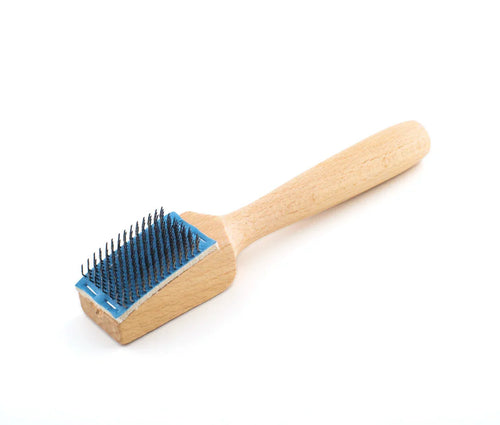
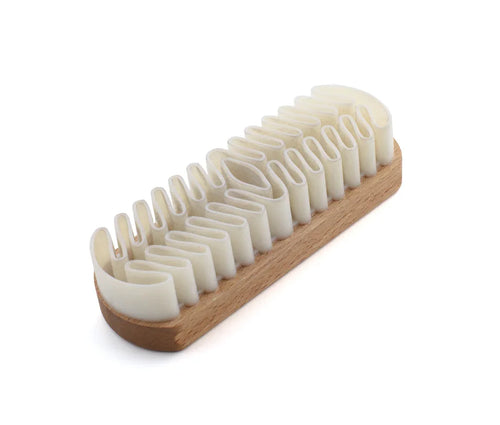
- Sole Care: Brush your suede soles regularly with a special dance shoe brush. This removes dirt and restores texture, maintaining your grip.
- Heel Protectors: Consider heel protectors for your women's Latin or tango shoes. They protect your heels and the dance floor.
The right dance shoes are an investment in your dancing pleasure and your technique. They give you the confidence to execute every movement with precision and passion. Choose them carefully, maintain them well, and you will notice how they take your dancing to a higher level.
Clothing for the Dance Floor
When you start Latin or Ballroom dancing, you quickly notice that the right clothing and especially the right shoes make a world of difference. It's not just about looking good, but much more about comfort, freedom of movement, and preventing injuries. What I often see with new dancers is that they start in clothing that restricts their movements, or worse, with shoes that are totally unsuitable. That's a shame, because it takes the fun out of dancing and makes it much harder to master the technique.
The Foundation: Dance Shoes
Let's be honest, the shoes are the most important thing. Your feet are your connection to the floor and largely determine your balance, your turns, and your overall dance feeling. Over the years, I have seen dancers struggle with their pirouettes or lose their balance countless times, simply because their shoes aren't cooperating. A common mistake is dancing in regular street shoes; they often have too much grip or too little, and rarely offer the right support for the specific movements you make.
- Latin Dance Shoes: For dance styles such as Salsa, Cha-Cha-Cha, Rumba, and Jive, look for shoes that are flexible and allow you to move easily on the ball of your foot. For ladies, the heel is usually between 5 and 9 centimeters high, often a flare heel for stability. The sole is almost always made of suede, which provides an ideal balance between grip and glide on the dance floor. This type of sole is crucial for fast turns and the fluid footwork you see in Latin. These women's Latin dance shoes offer the perfect combination of flexibility and support you need.
- Ballroom Dance Shoes: In Ballroom Standard dancing, such as the Waltz, Tango, Quickstep, and Foxtrot, the focus is more on stability and an elegant, fluid line. Women's ballroom shoes typically have a lower, wider heel (often between 4 and 7 centimeters) and a closed toe. The sole is also suede here, but the shoe itself is stiffer than a Latin shoe to provide more support to the foot, which is essential for the long, gliding steps and straight posture. Good women's ballroom standard shoes help you perform those graceful movements with confidence.
- Tango Dance Shoes: Although Tango is often grouped under Latin, the shoes are often unique. They combine the flair of Latin with the need for precision. Women's tango shoes often have a higher, thinner heel and a tighter, more elegant design to accentuate the characteristic posture and sharp, controlled movements.
Remember that dance shoes are designed to be worn indoors. The suede sole damages quickly outside and loses its functionality. Brush your soles regularly to keep them clean and grippy enough.
Clothing for Movement and Appearance
Besides shoes, the rest of your outfit is also important. For practice sessions and lessons, comfort is key. I always recommend breathable fabrics that do not restrict your freedom of movement. Think of:
- For Latin: Ladies often wear a supple skirt or dress that accentuates the movements of the legs and hips. A top that fits well and doesn't ride up is ideal. Men usually choose comfortable trousers and a breathable shirt or T-shirt. In practice, I see many tight pants that are perfect for following the lines of the body.
- For Ballroom: Here, elegance is often more important. Ladies choose longer, supple dresses or skirts that emphasize the fluid movements of the dance. It is important that the clothing is not too tight at the arms or shoulders so as not to hinder posture. Men often wear neat trousers and a shirt, sometimes with a vest or blazer for a more complete look.
The most important thing is that you feel free to move and that your clothing doesn't get in the way. Avoid clothing with too many loose parts that could get caught on something, or fabrics that restrict your movements. Choose materials that wick away sweat and keep you cool, because dancing is a high-performance sport!
Tips for Starting to Dance
If you're just starting Latin or Ballroom dancing, a fantastic journey awaits you. I often hear the question: 'Where on earth should I begin?' and that's a fair question because there's so much to learn! But believe me, the basics are less intimidating than you think. What I always start with with new students is posture. This is the absolute foundation of every dance. What I often see is that people become too stiff, or conversely, collapse. Think of an imaginary line running from the crown of your head, through your shoulders, hips, and knees to the ground. You want to be tall and elegant, but relaxed. Your abdominal muscles are your 'powerhouse' – don't clench them hard, but keep them lightly active. This gives you stability and helps you change direction quickly without losing your balance.
The Right Dance Shoes: Your Foundation
A crucial, and often underestimated, aspect is your footwear. In practice, I unfortunately still too often see beginners coming in with sports shoes or street shoes. This is a common mistake that can hinder your progress and even cause injuries. You need shoes that are flexible, with a suede sole that offers the right friction on the dance floor. For the dynamic and fast movements of Latin, such as salsa or cha-cha, special Latin dance shoes are essential. These shoes often have a higher, sturdy heel that helps you with your balance and the rolling of your foot. For the fluid, gliding movements of Ballroom, such as the Viennese Waltz or Foxtrot, a lower, wider heel and a more stable design is more suitable. Take a look at our collection of Ballroom standard shoes; these offer the perfect support for the elegance these dances require.
Understanding Musicality and Rhythm
Besides posture and shoes, developing musicality is vital. Dancing is, after all, moving to music! A common challenge for beginners is counting the beat. Take the time to listen to the music without dancing. Clap along with the beat, try to find the '1'. In many Latin dances, like Salsa, you dance on 1-2-3, 5-6-7, where 4 and 8 are often pauses. In Ballroom, like the Waltz, it’s a constant 1-2-3. Listen to the instruments, feel the energy. In practice, I see that people who listen to dance music a lot, even outside of class, develop a sense of rhythm faster. It’s not just counting; it’s feeling how the music flows through you and inspires your movements. Sometimes it helps to visualize how the music moves your body.
Practice Makes Perfect: Patience and Consistency
And finally, be patient with yourself. No one becomes a master dancer in a few lessons. What I always recommend to my students is consistency. Practice the basic steps for ten minutes a day at home, in front of the mirror. You don't need a partner to perfect your footwork and posture. If possible, find a 'practice partner' to practice with outside of lessons; this is incredibly valuable for your learning process. And remember: every dancer, no matter how experienced, once started. The journey is just as important as the destination. Enjoy every step, every new movement you learn. Dare to make mistakes, because that's how you learn the most. And if you delve into the passion of, for example, Tango, where intensity and connection are central, you will notice that with the right Tango shoes you can dive even deeper into the experience, because they are specially designed for the specific movements and the 'embrace' of this beautiful dance.
Frequently Asked Questions
What is the main difference between Latin and Ballroom dancing?
The main difference lies in movement and energy. Latin dances, like Salsa and Chacha, are dynamic, rhythmic, and often sensual, with lots of hip movement and individual expression. Ballroom dances, like the Waltz and Tango, are more elegant, fluid, and revolve more around partnership, posture, and larger, sweeping movements across the dance floor. Both have unique techniques and atmospheres.
What types of shoes are essential for Latin dancing?
For Latin dancing, shoes with a flexible sole and a sturdy heel are essential. Women often choose open-toe shoes with a higher, slenderer heel (flare or stiletto) that snugly enclose the feet. Men usually wear shoes with a low, wide heel and a suede sole. Flexibility is crucial for the fast foot movements and weight shifting characteristic of Latin.
Are special dance shoes really necessary, or can I start with regular shoes?
While you can start a trial lesson with comfortable, flat shoes with a smooth sole, special dance shoes are highly recommended. They provide the right grip, flexibility, and support needed to prevent injuries and develop the correct technique. The suede sole provides the perfect balance between gliding and grip, which is crucial for turns and fast foot changes.
What is suitable clothing for beginners during a Latin dance class?
For a Latin dance class, comfortable, breathable clothing that offers freedom of movement is ideal. Ladies can choose leggings or a loose skirt with a top that doesn't slip down. Men often wear a T-shirt and comfortable trousers. Avoid tight jeans or clothing that restricts your movements. The most important thing is that you can move freely and are not distracted by your clothing.
What clothing is recommended for Ballroom dance classes?
For Ballroom dance classes, it's important that the clothing does not hinder your posture and movements. Ladies often wear a supple skirt or dress that shows leg movements, combined with a comfortable top. Men choose neat trousers and a shirt or T-shirt. Clothing that is tight enough to show the line of the body helps the instructor evaluate your technique.
How do I choose the right size and fit for my dance shoes?
Dance shoes should be tight but comfortable, without pinching. Your toes may lightly touch the front but not be squeezed. The shoe must fit well around the foot so there is no room for the foot to slide, which can cause blisters. Try on shoes at the end of the day when your feet are slightly larger, and test them with some dance moves.
Are there specific dress codes for men in Latin or Ballroom?
For men, guidelines for lessons are usually less strict than for ladies, but comfort and freedom of movement remain key. For Latin lessons, a T-shirt and flexible trousers suffice. For Ballroom lessons, men often choose neater trousers and a shirt. At social dance evenings or competitions, requirements are higher, often involving a shirt, tie, and possibly a vest or blazer.
What are the most popular Latin and Ballroom dance styles I can learn?
In Latin dancing, popular choices include Salsa, Chacha, Rumba, Jive, and Samba, each with their unique rhythm and character. For Ballroom dancing, the Viennese Waltz, English Waltz, Tango, Quickstep, and Foxtrot are very popular. Many dance schools offer beginner courses in these styles, allowing you to build a good foundation and discover which style suits you best.
The beauty of Latin & Ballroom dancing is not just the elegance or the energy, but especially the expression you put into it.