

Table of Contents
- Basics of Latin Dancewear
- The Right Salsa Shoes
- Choosing Comfortable Bachata Shoes
- Outfits for Social Dancing
- Clothing for Latin Competitions
- Maintenance of Dancewear
- Frequently Asked Questions
The first time I attempted a salsa spin in regular sneakers, I almost flew around the corner – and not in a good way. Proper Latin dancewear for women is essential to prevent injuries and support your technique; this ranges from flexible training outfits to professional dresses combined with the right salsa shoes with suede soles. Whether you are just starting with Latin dancing or preparing for your first competition, your outfit must move with you without hindering you.
In my years on the dance floor, I have seen countless students struggle with soles that are too stiff or heels that are just too high for a fast bachata. For weekly classes, I usually recommend a breathable top and a skirt with built-in shorts. But as soon as you step onto that competition floor, the dynamics change. Then you look for bachata shoes that give your ankles the right support and clothing that accentuates every hip movement. I have personally noticed that the right choice of shoes makes the difference between a painful evening and gliding effortlessly across the floor. Below, I explain how to make the transition from comfortable casual to that sparkling competition look.
Basics of Latin Dancewear
In practice, I often see that the transition from regular sports pants to real Latin clothing makes a world of difference in how someone moves across the floor. It's not just about the look or the glitter, but primarily about the technical support of your body during complex movements. In Latin dancing, whether it's a fast cha-cha-cha or a fluid rumba, everything revolves around the action of the hips and the constant weight transfer to the ball of the foot. If your clothing hinders you in this, you often teach yourself the wrong technique to compensate for that limitation.The crucial role of the right footwear
A common mistake I see with beginners is wearing shoes with too much grip, such as regular sneakers or rubber soles. This is asking for knee injuries because your feet stick to the wooden floor while your upper body is already starting the turn. The right salsa shoes have a suede sole. This material offers the perfect balance: it provides just enough slip for smooth spinning but also offers the necessary resistance for a powerful push-off and controlled stops. What I often advise ladies who are just starting is not to go for the highest heel right away. In practice, I see that a heel of 5 to 7 centimeters works best for most dancers to maintain balance while learning to place your weight forward. For men, stability is just as important; a good heel height helps them maintain the correct 'forward connection' with their partner. Therefore, always look for high-quality latin dance shoes that support the arch of the foot well, as men often form the base around which the lady turns.Freedom of movement and material choice
Regarding the clothing itself: stretch is your best friend, but the thickness of the fabric is crucial. In dance class, I regularly see students appear in stiff jeans, which greatly limits the extension in the legs. You want to be able to fully extend your knees and allow your hips to rotate freely without the fabric pulling.- Choose form-fitting tops: This is essential so that an instructor can properly correct your posture, backline, and shoulder position. Loose shirts often hide technical errors that are difficult to unlearn later.
- The length of the skirt: A shorter Latin skirt with fringes or an asymmetrical line is not just for show. The movement of the fabric helps you visually see if your hip action is powerful enough.
- Breathability: An intensive social dance evening or a training session can get quite sweaty. Synthetic fabrics specifically developed for sports wick moisture better than heavy cotton.
The Right Salsa Shoes
What I often see with beginners is that they step onto the dance floor with their daily sneakers or pumps with a rubber sole. Although this might work for the first trial lesson, you quickly run into physical limits. In practice, the sole of your shoe is the most important instrument you have. In salsa and bachata, everything revolves around the 'pivot' – turning on the ball of your foot. When your shoes have too much grip, as with a standard rubber sole, you block this turning movement. The friction that then arises is directly passed on to your ankle and knee joints. A common mistake is underestimating this load; in the long run, this can lead to unpleasant injuries to the menisci or ankles.
Most high-quality salsa shoes are therefore equipped with a suede sole (chrome leather). This material offers the perfect balance between grip and glide. You have enough grip not to slip away during a fast 'cross body lead', but you can effortlessly make double spins without your knees protesting. Remember that these suede soles are specifically intended for indoor use; never wear them outside, as moisture and dirt make the sole hard and slippery, causing you to lose the unique effect.
Heel height and stability in Salsa and Bachata
A point I often get questions about is heel height. For fast footwork sections (shines) in salsa, stability is crucial. If you are not yet used to dancing in heels, I recommend starting with a 'flare' heel of 5 or 6 centimeters. A flare heel widens slightly at the bottom, which provides a larger contact area with the floor. In practice, this gives you that little bit of extra confidence when catching your weight after a spin.
With bachata shoes, you often see female dancers choosing a slightly higher, thinner heel or a model with more flexibility in the instep. Because bachata (especially the Sensual variant) revolves much more around body waves and closer contact with the partner, the connection with the floor through your toes is essential. A good dance shoe should feel like a second skin. When fitting, make sure there is no space left at the heel and that your toes come exactly to the edge of the sole. Leather always stretches a bit, so a shoe that fits 'just right' when purchased is often too large after three months of intensive dancing.
What to look for when purchasing
In addition to the sole and the heel, there are a few technical details that make the difference between an evening of pain-free dancing or going home with blisters. When choosing, pay attention to the following points:
- The heel cup: This should be sturdy and enclose your heel well to absorb lateral movements.
- Flexibility: You must be able to fully 'point' your foot. The sole must bend with the arch of your foot.
- Straps: Choose models with straps that go around the ankle or in an X-shape over the instep for maximum support.
- Cushioning: Good brands incorporate extra padding under the ball of the foot, which is essential because in Latin dancing you rarely fully load your heel.
Although we are focusing on the ladies here, the technology behind the shoe for men is just as important. A common piece of advice to my male students is to invest in specific latin dancing shoes with a suede sole and a slightly raised heel. This helps the man bring his weight more to the front of the foot, which significantly improves communication and 'lead' in the dance. Whether you choose a classic pump or a more casual dance sneaker, make sure the technical properties match the floor you dance on and the intensity of your movements.
Choosing Comfortable Bachata Shoes
Nothing is more annoying than having to stop halfway through a Bachata social because your feet are burning or your ankles feel unstable. What I often see is that dancers underestimate the intensity of Bachata. Although the tempo is often lower than in Salsa, the technique – especially in Bachata Sensual – requires enormous control over your weight transfer and balance. In practice, this means that your shoe must not only be beautiful but must also technically fit the anatomy of your foot perfectly.
A common mistake I see with beginners is wearing shoes with a sole that is too stiff. In Bachata, everything revolves around the 'flow' and subtle turns on the ball of the foot. If your sole has too much grip, you block your knee joint during a pivot, which leads to injuries in the long run. The right salsa shoes with a suede sole are therefore essential; they offer just enough slip to turn but maintain the grip you need for that controlled basic step.
The balance between heel height and stability
When choosing the right heel height for Bachata, I always advise being honest about your own level and the strength in your ankles. In practice, I often see female dancers go straight for a 9-centimeter stiletto, only to spend the whole evening walking with bent knees because they cannot find their balance. For Bachata, where you move very 'grounded' and let your hips do the work, a flare heel of 5 to 7 centimeters is often the best choice.
This wider heel gives more support under the heel, which is crucial during the 'tap' on the fourth beat. While the ladies often focus on elegance, it is just as important for the men to look at the technical side. Good latin dance shoes for men offer the necessary cushioning in the heel that prevents fatigue in the lower back during a long evening full of body rolls and footwork.
Fit and material usage
The fit of a Bachata shoe should feel like a second skin. Because your foot gets warm and expands slightly during dancing, the material of the shoe determines your comfort throughout the evening. Here are a few things to look for when fitting:
- Open versus closed toe: In Bachata, sandals with straps often provide more flexibility for footwork, but make sure your little toe doesn't escape out the side.
- Satin versus leather: Satin shoes mold to the foot faster but are more fragile. Leather offers more firmness and lasts longer with intensive use.
- The heel cup: A sturdy heel cup is essential. If your heel slips in the shoe, you lose the connection with the floor, which immediately worsens your balance during spins.
- Flexibility of the sole: Test if you can easily bend the shoe at the instep. For the isolations in Bachata, you need a sole that allows you to fully point your foot.
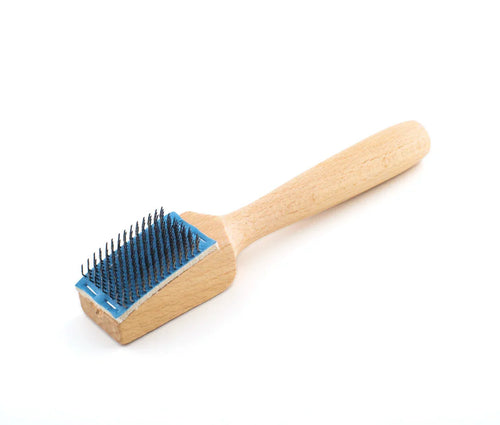
What I often recommend to my students is to break in new shoes at home first with a thick sock. This helps to stretch the material just enough without you getting blisters during your first real social. Don't forget that the sole of your latin dancing shoes needs maintenance; regularly use a wire brush to make the suede rough again if it has become slippery due to dust on the dance floor. A well-maintained shoe not only dances more pleasantly but also gives you the confidence to perform those complex combinations without hesitation.
Outfits for Social Dancing
In social dancing, whether you're going to a salsa night, a bachata party, or a kizomba social, everything revolves around the balance between freedom of movement and personal style. What I often see on the dance floor is that dancers underestimate the intensity of an evening out. In a lesson, you regularly stand still for explanations, but during a social, you are often in motion for hours on end. A common mistake is wearing clothing that is too tight around the shoulders or armpits, preventing your arms from moving freely during a 'cross body lead' or a 'hammerlock'. In practice, I often choose fabrics that breathe and dry quickly. Cotton seems comfortable, but after three fast songs, it holds moisture and feels heavy and clammy. Synthetic blends with elastane are much more practical because they move with your hips and legs. For ladies, a pencil skirt with a split or fluid pants is ideal. With a skirt, make sure it doesn't ride up during turns; nothing is more annoying than constantly having to adjust your clothing while trying to focus on the connection with your partner.The foundation starts at the feet
The floor at a social venue is rarely as perfect as the one in the dance school. You encounter everything: from rough concrete to slippery parquet. That's why your choice of shoes is crucial. These salsa shoes are perfect for social dancing because they offer the necessary flexibility in the sole, which is essential for articulating your feet during footwork or 'shines'. A suede sole helps you turn in a controlled manner without straining your knees, which is a common problem for dancers who dance in normal sneakers with rubber soles. Don't forget your dance partner. In practice, I often see men struggling with grip on the floor, which affects how stable you stand as a lady. Good salsa shoes for men provide a solid base, making the lead-follow dynamic much smoother. If your partner is stable, you also dare to take more risks in your styling and spins.Practical tips for the social dance floor
In addition to aesthetics, there are a few technical details you should pay attention to to get through your evening comfortably:- Avoid large accessories: Long necklaces or large bracelets can be dangerous. I have seen more than once a partner's finger get caught in an earring or a watch during a fast turn. Keep it minimalistic.
- Check the length of your skirt: If you dance a lot of bachata, you often stand in a 'close hold'. A skirt that is too long can cause your partner to step on your clothing when performing footwork.
- Layers are your best friend: It often starts cool in a hall, but the temperature rises quickly. A stylish jacket or cardigan over your top is smart, as long as you can easily take it off.
- Spare items: In practice, experienced dancers often bring an extra pair of shoes. If the floor is extremely rough, you might want to switch to a shoe with a smoother sole to save your joints.
Clothing for Latin Competitions
When you make the transition from the social dance floor to the competition circuit, the function of your clothing changes drastically. Where you can still get away with a nice skirt and a top at a bachelorette party or a salsa night, competitions are about the perfect balance between athletic performance and visual impact. In practice, I often see that dancers underestimate the technical side of their outfit. A dress is not just 'pretty'; it is an instrument that must enhance your movements, not hinder them. What I often see with beginning competition dancers is that they choose clothing that looks beautiful in the mirror but works completely against them during a fast Jive or a powerful Samba. A common mistake is choosing fabrics that are too heavy or fringes that break the line of the leg instead of lengthening it. In latin dancing, everything revolves around the action of the hips and the speed of the feet. Your clothing should accentuate this action. Think of asymmetrical lines that make your legs appear longer and materials such as lycra or stretch mesh that make every muscle contraction visible to the jury.The technical foundation: Shoes and stability
The foundation of your competition look, however, does not start with the glitters, but with your feet. During a competition, you often dance several rounds in one day, on a floor that is sometimes more slippery or rougher than you are used to. A good grip is essential for your balance during double spins or sharp stops. These salsa shoes are specifically designed to offer the necessary flexibility in the sole, so you can fully 'point' your foot and maintain contact with the floor. A specific detail I always stress with my students is the state of the suede soles. On the competition floor, you don't have time to slip. Always use a shoe brush between rounds. For the men, the same principle applies; they need shoes with a specific Latin heel that helps with the correct transfer of weight to the ball of the foot. Good salsa shoes for men ensure that the partner stands stable, which directly affects the lady's balance during leads.Practical tips for competition day
In addition to aesthetics, there are a number of practical matters that can make or break your performance. Over the years, I have seen countless small disasters that could have been prevented with good outfit preparation.- Check the 'stretch' of your seams: During a competition, you take larger steps and make more extreme movements than during class. Make sure your clothes are double-stitched at crucial points such as the armpits and the crotch.
- The 'bra-cup' check: Nothing is as distracting as a dress that shifts during a powerful Rumba walk. Make sure the cups in your dress are at the right height and firmly attached, so you can focus entirely on your technique.
- Hair and accessories: Your hair must be 'fixed'. A flying strand of hair in your eye during a spin can completely disrupt your orientation. Use hairnets and extremely strong gel.
- Shoe straps: Use transparent elastic straps over the instep if you have narrow feet. This prevents you from slipping out of your shoe during fast kick actions in the Jive.
Maintenance of Dancewear
In practice, I often see dancers invest hundreds of euros in a beautiful outfit, only to simply leave it in a sports bag after an intensive social evening or a sweaty training session until the next class. That is one of the biggest mistakes you can make. Sweat contains salts and acids that attack the elastic fibers of fabrics such as lycra and spandex. If you want your clothing to maintain the shape needed for those tight lines during dancing, immediate maintenance is essential.Washing without losing the stretch
A common mistake is using fabric softener on dancewear. Although it smells nice, fabric softener leaves a layer over the fibers, causing the fabric to lose its breathability and the elasticity to deteriorate faster. What I often advise my students is to always wash dancewear inside out in a laundry bag. Use a mild liquid detergent and wash at a maximum of 30 degrees. For clothing with a lot of fringes or mesh inserts, which we see a lot in latin dancing, hand washing is often the safest option. Afterwards, never hang the clothes in full sun and avoid the dryer at all times. The heat from a dryer is the enemy of any dance outfit; it melts the fine elastic threads in the fabric, causing your clothes to 'sag' at the hips and knees over time.Caring for your dance shoes
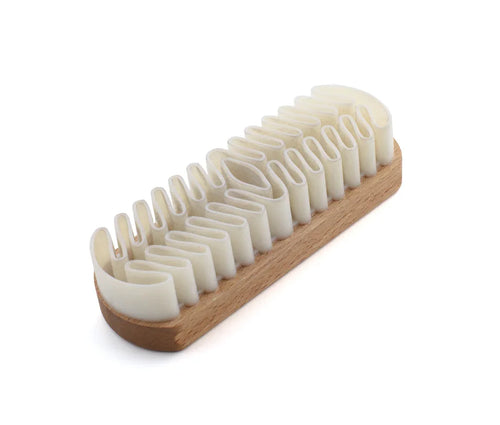
Your shoes are your most important tool on the floor. Whether you train in professional salsa shoes or recreational models, the suede sole requires constant attention. In practice, I see that dancers often wait too long to brush their soles. As soon as the sole becomes smooth and shiny from accumulated dust and wax from the dance floor, you lose the grip needed for controlled spins and spin speed.- Use a special steel shoe brush after every session to bring the hairs of the suede back up. Always brush from the heel to the toe.
- Never wear your shoes outside. Even a short walk from the car to the dance school can irreparably damage the suede due to moisture and dirt.
- The same applies to men: the soles of sturdy men's latin shoes must also be regularly refreshed to prevent slipping during powerful actions.
- Use cedar shoe trees for your leather shoes to absorb moisture and maintain the shape.
Competition clothing and stones
With competition clothing featuring Swarovski crystals or sequins, there is an extra challenge: tanning spray. A common problem is that tanning cream leaves stains in the neckline or under the armpits. What I often see is people using aggressive stain removers, but this can dissolve the glue of the stones. Instead, use a soft toothbrush with a little mild soap to dab the stains very locally. If you train at high intensity, such as with fast bachata combinations, make sure you let your bachata shoes air out completely afterwards. Do not put them directly into a sealed plastic bag, but use a breathable cotton shoe bag. This not only prevents unpleasant odors but also ensures that the glue bonds in the shoe do not become weak from the remaining moisture. By building these small routines into your system, you ensure that your equipment lasts as long as your passion for dancing.Frequently Asked Questions
What should I look for when buying salsa shoes?
When buying salsa shoes, the sole is the most important part. Choose a suede sole that provides enough grip but also allows you to turn smoothly without straining your knees. Additionally, the shoe should fit snugly for maximum stability. For beginners, choose a lower heel of 5 to 7 centimeters to maintain balance during fast and technical footwork combinations.
What is the difference between salsa and bachata shoes?
Technically, there is little difference between salsa and bachata shoes; both styles fall under Latin dance shoes with flexible soles. However, for bachata, shoes with extra flexibility in the instep are often chosen for sensual movements. Many female dancers prefer a slightly more stable heel or an open sandal model for bachata that elegantly accentuates the foot while performing footwork.
What clothing is suitable for Latin dancing during a regular dance class?
For a regular class in Latin dancing, comfortable, stretchable clothing is essential. Choose form-fitting leggings or a skirt with built-in shorts, combined with a breathable top. It is important that your instructor can clearly see your knees and hips to correct your technique. Avoid clothing that is too loose, as it can get in the way during fast turns or intensive partner work.
How high should the heel of Latin dance shoes for women be?
The ideal heel height for Latin dance shoes varies by level and personal preference. Beginners often start with a 5-centimeter heel for a stable base. Advanced dancers usually choose 7 to 9 centimeters to encourage better balance over the ball of the foot. A flare heel offers more stability than a stiletto heel, which is essential for powerful and fast Latin movements.
Can I wear regular shoes for Latin dance classes?
Although you can wear regular shoes with a smooth sole for a trial lesson, experts advise against this for structured training. Regular shoes lack the flexibility and the suede sole needed for safe turning. This can lead to unpleasant knee injuries. Investing in real salsa shoes protects your joints and significantly improves your technique through the right grip and support on the dance floor.
What is the best clothing for an official Latin dance competition?
For a Latin dance competition, the clothing is much more striking than casual dancewear. Competition dresses are often decorated with sequins, rhinestones, and fringes to accentuate the dancer's movements. The rules for dancewear can vary by association, but the goal is always to create a dynamic appearance. Don't forget that proper Latin shoes with a suede sole are absolutely mandatory here as well.
How do I maintain the suede soles of my Latin dance shoes?
Maintaining the suede soles of your salsa shoes is crucial for longevity and safety. Use a special steel shoe brush to regularly roughen the sole. This removes accumulated dirt and wax from the dance floor, allowing the sole to maintain its grip. Always brush from the heel towards the toe and avoid getting the soles wet for optimal results.
The beauty of Latin dancing is that your outfit grows with your passion and your increasing confidence on the dance floor. What I especially want to share with you is that the right foundation makes the difference between uncertain shuffling and turning with full abandon. Whether you are just starting your first lessons or preparing for a brilliant debut at a competition, your clothing and shoes are your most important allies for optimal performance. Remember above all that comfort and technique go hand in hand; therefore, invest in quality salsa shoes or bachata shoes that give your feet the support they need during every fast spin.
Are you ready to take your look to the next level? Then be sure to take a look at our women's latin dance collection for items that let you shine with every movement. For dance partners also looking for that perfect balance between elegance and freedom of movement, our men's latin collection offers the ideal solution. Ultimately, it's not just about how you look, but how free you feel as soon as the music starts. Let your clothing enhance your inner strength and dance every step with the pure pride you deserve.


