

Table of Contents
- Comfortable Clothing for Latin Dancing
- Choosing the Perfect Salsa Shoes
- Why Get Good Bachata Shoes
- Handy Accessories for Dance Class
- Hygiene and Personal Care
- Preparing for Your First Lesson
- Frequently Asked Questions
Are you constantly fighting the stiff floor during your first salsa lesson? In my years teaching, I've seen hundreds of students struggling in sneakers, while the secret to smooth Latin dancing simply begins with the right basic equipment. For success on the dance floor, you need high-quality salsa shoes or bachata shoes with a suede sole, clothing that wicks away sweat and offers sufficient freedom of movement, and the willingness to make mistakes.
I remember a student who wanted to quit in frustration after three weeks because her turns kept failing. As soon as she switched from normal pumps to real dance shoes, I saw her stability and enjoyment increase immediately. The difference lies in the technical details, such as the flexibility of the sole and the specific placement of the heel for better balance over your forefoot. In this article, I share my practical experience on what you really need to prevent injuries and make faster progress, without having to spend a fortune on unnecessary accessories right away. Important to know: the essentials that make the difference between clunking and gliding.
Comfortable Clothing for Latin Dancing
When you first step onto the dance floor, the temptation is great to choose clothing you would normally wear to a party. In practice, however, I often see students regretting their tight jeans or a top that keeps slipping down after half an hour. In Latin dancing, whether it's the explosive movements of salsa or the sensual isolations of bachata, freedom of movement is your top priority. Your clothing should act as a second skin that doesn't hinder you when making a 'cross body lead' or a quick turn.
What I often see with beginners is that they underestimate the intensity of a dance lesson. Within fifteen minutes, your body temperature rises significantly. Therefore, choose breathable fabrics. Cotton is comfortable, but it holds moisture, leaving you with a wet shirt at the end of the lesson. Synthetic materials with a bit of stretch (lycra or elastane) often work better because they wick away moisture and maintain their shape, even after dozens of 'cucarachas'.
The basics: Freedom of movement and technique
For the ladies, it is essential that the shoulders can move freely. Many figures in Latin dance require you to keep your arms high or have them led behind your back. A jacket that is too tight or a blouse without stretch limits your range, which directly negatively impacts your technique. A common mistake is wearing clothing that is too loose to hide insecurities; however, the teacher then cannot properly correct your knee and hip action. Tight-fitting but stretchy leggings or a dance skirt are ideal for making your lines visible.
A crucial part of your outfit is your footwear. A common problem on the dance floor is knee pain, which often arises from wearing shoes with too much grip, such as running shoes. These salsa shoes are specifically designed with a suede sole that offers just enough slip to be able to turn without straining your joints. In practice, you immediately notice that your balance improves and your footwork becomes faster as soon as you switch from ordinary sneakers to specialized footwear.
Practical tips for the dance floor
For the men, the fit of the pants is often the stumbling block. Jeans that are too tight limit the hip movement that is so characteristic of Latin styles. If you cannot make a full lunge step without the fabric pulling, the pants are too tight. Additionally, bringing an extra shirt to class is not an unnecessary luxury, especially during intensive bachata sessions where you dance a lot in a closed position. For the right support and stability during footwork, professional salsa shoes for men are indispensable; they have a small heel that forces your weight to the ball of the foot, exactly where you want it for maximum control.
Here are some concrete things to look out for when putting together your dance outfit:
- Layers work best: Start with a cardigan that you can take off once the warm-up is over.
- Avoid sharp accessories: Large rings or watches with sharp edges can hurt your partner while leading or following.
- Test your range: Raise your arms straight up and do a deep knee bend. If your clothing pinches or shifts, it is not suitable for the lesson.
- Shoe choice: Invest in specific bachata shoes with a flexible sole if you find yourself dancing on your toes a lot or struggling with the floor connection.
Ultimately, it's about feeling confident. If you are constantly busy pulling down your skirt or straightening your straps, you lose the connection with the music and your partner. Good clothing and the right footwear form the technical basis on which you further build your dance skills.
Choosing the Perfect Salsa Shoes
When you're just starting with Latin dancing, you might think your old sneakers or neat office shoes will suffice. In practice, however, I see students every week struggling with burning feet or, even worse, painful knees after half an hour of class. The reason is simple: normal shoes are made to provide grip on the street, while in salsa and bachata you need to be able to glide and turn in a controlled manner. The wrong sole causes your foot to 'stick' to the floor while your knee is already in the turn, which is a recipe for injuries. A common mistake I see with beginners is underestimating the suede sole. Real dance shoes have a sole of chrome leather (suede) that gives you the necessary balance between grip and smoothness. This allows you to make spins without straining your joints. For the ladies, the choice is often even more complex due to the heel height. What I often advise is not to go straight for the highest stiletto heel. Stability is more important in Latin dancing than extra height, especially when you are trying to master the fast footwork patterns of bachata. These salsa shoes for women are specifically designed to distribute the pressure on the ball of the foot, which is essential because you rarely lean on your heels in these dance styles.What to look for in the fit
Unlike your daily footwear, dance shoes should fit your foot like a second skin. There should be absolutely no space between your foot and the footbed. In dance practice, I often see people buying their shoes too large, causing the foot to slide. This causes blisters and ensures you lose control over your 'leading' or 'following'.- The heel cup: This must fit firmly so that you don't slip out of the shoe during a fast cross-body lead.
- Flexibility: The shoe must bend effortlessly at the instep. You must be able to fully 'point' your foot.
- Open or closed toe: In salsa, ladies often choose open shoes for more freedom of movement, while men usually wear a closed model for a sharp look.
Differences between men's and women's shoes
For the men, the technique is different, but the need for good equipment is just as high. I often see men struggling with their footwork because they wear stiff shoes that block the natural movement of the foot. Good salsa shoes for men often have a slightly raised heel (the so-called Cuban heel) that helps bring your weight forward, exactly where it belongs for a good connection with your partner. A split-sole model is an excellent choice here, because the middle part of the sole is flexible, which gives you much more control over your weight transfer. What I often see with advanced dancers is that they have different pairs for different styles. Although you can dance salsa perfectly fine in most bachata shoes, the fast rotation of salsa sometimes requires a slightly sturdier sole than the sensual, rolling movements of bachata. In practice, this means your shoe must work with the anatomy of your foot. When fitting, pay particular attention to the arch support; if there is a gap there, you will guaranteed have tired feet after an evening of social dancing. Invest in quality, because your feet are your most important instrument on the dance floor.Why Get Good Bachata Shoes
In the dance school, I often see students starting their first lessons in their daily sneakers or flat casual shoes. Although that seems fine for the first steps, after a few weeks you notice that your technique gets stuck and your movements feel clunky. In practice, your footwear is your most important tool. In bachata, everything revolves around the connection with the floor and the fluid movement of your hips. When your shoes have too much grip, as with ordinary sports shoes with rubber soles, you block the natural rotation of your knees and ankles.
A common mistake is underestimating friction. During a bachata turn or a simple 'pivot', your foot must be able to turn smoothly without your joint taking the hit. What I often see is that dancers get knee problems because their shoe literally 'bites' into the dance floor. Therefore, specific shoes with a suede or thin leather sole are essential. These materials offer exactly the right balance between gliding and grip, allowing you to move in a controlled manner without risking injuries.
Protecting your body and anatomical support
Bachata may often seem slower than salsa, but the physical load is very specific. Think of the 'sensual' movements where you transfer a lot of weight or the fast footwork combinations from the Dominican style. Without the right support, the arch of your foot tires very quickly. For the ladies, a stable heel height and good positioning of the heel are crucial to maintaining the correct 'forward pitch'. This helps not only with your own balance but also with the physical connection with your partner. These salsa shoes are perfect for the stability you need during complex turns and hip isolations.
- Shock absorption: Professional dance shoes have a reinforced insole that cushions the impact on your joints, which is essential for your lower back during a long evening of dancing.
- Sole flexibility: The sole must be flexible enough to allow your foot to fully roll and stretch with every step, something that is impossible with normal shoes.
- Snug fit: A dance shoe should fit like a second skin; every millimeter of play causes instability and increases the chance of twisting.
Technique and confidence on the dance floor
In practice, I see that students who switch to professional footwear immediately radiate more confidence. You simply dare to take more risks in your footwork if you know you won't slip or unexpectedly stick to the floor. For the men, it is important that the shoe is not too bulky or too wide. You want to be able to 'feel' the floor to keep your timing tight, especially with the syncopations in the music where you take steps between the beats. These salsa shoes are perfect for men who seek both comfort and sharp technique without compromising on a professional appearance.
Furthermore, the anatomical shape of a real Latin shoe helps you to keep your weight constantly on the ball of your foot. This is the basis of almost all Latin dances. If you dance in ordinary shoes, you tend to lean on your heels more often, which makes you 'run after the music' and makes it harder to follow or lead your partner. By investing in good equipment, you give yourself the chance to really master the subtle nuances of bachata, such as the specific hip action on the fourth beat, without your equipment working against you.
Handy Accessories for Dance Class
Once you've taken the step to the dance school, you'll soon notice that Latin dancing asks quite a lot of you physically. It's not just about the steps, but also about how you control your body and your equipment. What I often see is that beginners underestimate how much influence the right accessories have on their learning process. The difference between a stiff turn where you strain your knee and a fluid spin often lies in the details of your equipment.
The essence of the right sole
In practice, I see many students struggling with their balance during fast combinations in salsa or bachata. The cause almost always lies in the footwear. Ordinary sneakers often have a rubber sole that offers too much grip on a wooden dance floor. During a turn, your foot blocks while your knee wants to keep turning; a recipe for injuries. Specific salsa shoes are therefore not a luxury, but a necessity for your joints. These shoes have a sole of suede or special leather, giving you just enough grip not to slip, but allowing you to spin effortlessly.
The same applies exactly to the men. A common mistake is thinking that sturdy lace-up shoes will suffice. However, the stiffness of a normal shoe hinders the movement of your foot. Good Latin dancing shoes for men are flexible in the instep, which is essential for the right technique in the basic step and leading your partner. If you notice that your calves or ankles hurt after class, there's a good chance your shoes are working against you instead of with you.
Maintenance and hygiene on the floor
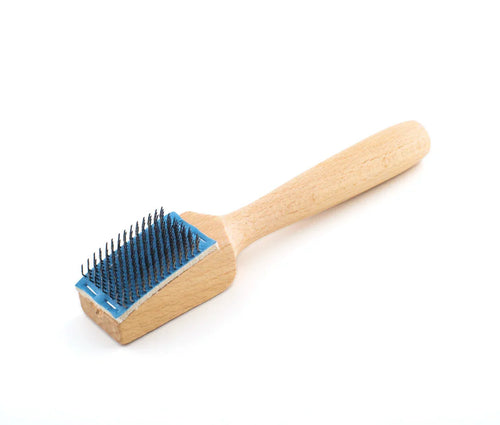
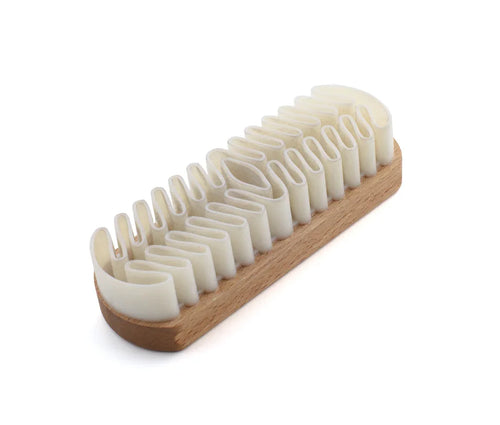
In addition to the shoes themselves, there are a few small items that complete your bag. If you invest in shoes with a suede sole, a shoe brush is indispensable. In practice, I see that these soles become smooth over time due to dust and accumulated dirt from the dance floor. By regularly roughening the sole with a steel brush, you maintain control during your footwork. Here are some items I standardly have in my own dance bag:
- A small towel: Latin dancing is intensive. Nothing is more annoying for your dance partner than a clammy arm during a close embrace in bachata.
- Spare clothing: Especially for the men who act as 'leaders', an extra T-shirt or shirt is advisable. After an hour of intensive salsa, a fresh shirt is very pleasant for the next dance round.
- Heel protectors: For the ladies who dance in heels, these plastic caps not only help to save the heel but also provide that little bit of extra stability on slippery floors.
- Mints: You are constantly close to each other. Fresh breath is simply part of the social etiquette of dancing.
Why details make the difference
An aspect that is often forgotten is the anatomy of the foot during dancing. In Latin dancing, you constantly shift your weight to the ball of the foot. Accessories such as gel insoles can help, but they never replace the support of a shoe specifically designed for this movement. What I often advise students who want to take it seriously is to look at bachata shoes with a sturdy ankle strap. This prevents your foot from sliding in the shoe, which prevents blisters and increases your confidence during complex turns.
Ultimately, it's about removing distractions. If you don't have to think about painful feet, a slippery floor, or excessive sweating, you can focus entirely on the connection with your partner and the timing of the music. Good accessories form the bridge between a difficult lesson and that wonderful flow where everything seems to go automatically.
Hygiene and Personal Care
Latin dancing is all about connection, and in practice, that means you are often very close to your dance partner. Whether you're dancing an intimate bachata or an energetic salsa, you share each other's personal space. What I often see is that beginners underestimate the physical intensity of a lesson. After fifteen minutes of footwork and intensive turn sessions, the body temperature rises significantly, and with it, the production of sweat. Good hygiene is therefore not a luxury, but a basic requirement for a pleasant dance experience for both yourself and your partner.
Freshness on the dance floor
A common mistake is using too much perfume or cologne to mask the smell of sweat. In practice, this often works counterproductively; the mix of heavy scents in a warm dance hall can be suffocating for your partner. Better to choose a neutral deodorant and make sure you always have a pack of mints or gum with you. In the privacy of a 'close hold' in bachata, fresh breath is essential. Additionally, hand hygiene is crucial. You touch dozens of different hands during an evening. Washing your hands between lessons or using a mild disinfectant gel not only helps against bacteria but also ensures your hands don't feel sticky while leading or following.
- Always bring a small towel to pat your face and neck dry in between.
- Wear layers; an extra T-shirt or shirt in your bag is worth its weight in gold in practice if your first shirt gets soaked.
- Avoid greasy hand creams just before class; this makes your grip slippery and unsafe during turns.
- Ensure well-groomed nails; nails that are too long can unintentionally scratch your partner during complex hand changes.
Maintenance of your equipment and feet
Your feet perform the greatest feat during dancing, and that directly affects your footwear. What I often see is that dancers leave their shoes in a closed bag immediately after class. This is a recipe for unpleasant odors and mold growth, especially with the suede soles found under most dance shoes. These porous soles absorb moisture and dirt from the dance floor. If you invest in high-quality salsa shoes, it is essential to let them air out outside your bag after every session.
The same applies exactly to the men. In practice, I see that men often keep their shoes longer, giving bacteria more opportunity. Good bachata shoes made of leather or suede need time to release the absorbed moisture. Use cedar shoe trees if necessary; these pull the moisture out of the material and maintain the anatomical shape of the shoe. Also, don't forget to regularly roughen your suede soles with a special shoe brush. This removes accumulated dirt and grease, which not only keeps your grip for your spins but also keeps your shoes smelling considerably fresher. By taking good care of both your own body and your equipment, you step onto the dance floor with much more confidence.
Preparation for Your First Lesson
Crossing the threshold of a dance school for the first time can feel a bit awkward, but in practice, that tension usually disappears as soon as the first bongo beats blast from the speakers. What I often see with beginners is an enormous focus on perfectly executing the steps, while the real gain lies in good physical preparation. It's not just about remembering the steps, but about giving your body the chance to execute the movements correctly without unnecessary resistance.The right foundation under your feet
A common mistake I see weekly is new students showing up in sports shoes with a lot of tread or grip. In Latin dances like salsa and bachata, almost everything revolves around the 'pivot' – turning on the ball of your foot. If your sole has too much grip on the dance floor, your foot blocks while your knee and hip want to turn. This creates an enormous load on your joints. In practice, I always advise ladies to look for footwear with a suede sole. These specific salsa shoes offer exactly the right amount of friction: enough not to slip, but smooth enough to make fluid turns without forcing your knees. Also for the men, the choice of footwear is decisive for the learning process. What I often see is that men think their daily office shoes will suffice, but these are often too stiff and have a sole that marks or sticks. Good salsa shoes for men have a flexible split-sole or a continuous suede sole, giving you much more contact with the floor. This helps you to distribute your weight better and react faster to the music, which is essential when leading your partner.Practical matters and etiquette
In addition to your footwear, your choice of clothing is more important than you think. Jeans that are too tight can limit you in your 'Cuban motion', the typical hip movement where your knees must be able to bend and stretch independently of each other. Choose stretch material or clothing that falls loosely around your legs. In practice, I also often see the temperature in a dance hall rising quickly. Keep this in mind by working in layers. Here are a few practical tips that will make your first lesson a lot more pleasant:- Always bring a bottle of water; an hour of intensive Latin dancing is a serious cardio workout.
- Bring an extra shirt or a towel if you know you sweat easily; Latin dancing is a social sport where you are close to your partner.
- Avoid large, protruding jewelry or watches that can get caught in your dance partner's clothing during a turn.
- Don't focus too much on your feet in the beginning; try to keep your chin up and make eye contact with your partner or the teacher.
Frequently Asked Questions
Why are salsa shoes important for beginners?
Salsa shoes are essential for beginners because they have a suede sole that offers exactly the right amount of grip and smoothness. This allows you to turn smoothly without straining your knees. Additionally, they provide the necessary ankle support and flexibility that ordinary shoes lack. Investing in good salsa shoes speeds up your learning process and prevents annoying injuries during intensive Latin dancing on the dance floor.
What is the difference between salsa shoes and bachata shoes?
Although salsa shoes and bachata shoes are often similar, the difference usually lies in the flexibility and heel height. Bachata often requires more footwork and hip movements, which is why dancers sometimes choose a slightly lower heel or a more flexible sole. However, a suede sole is crucial for both styles. Many dancers use universal Latin dance shoes that are excellent for both fast salsa and sensual bachata.
What clothing is most suitable for Latin dancing?
For Latin dancing, it is important to wear clothing that is breathable and offers a lot of freedom of movement. Choose stretch fabrics such as spandex or thin cotton. For ladies, a flowy skirt or tight-fitting leggings are popular, while men often choose comfortable trousers or chinos with a stretch shirt. Avoid jeans that are too tight, as they limit your movements during complex steps and fast turns on the dance floor.
How do I choose the right size for my Latin dance shoes?
When buying Latin dance shoes, the fit should be tighter than with normal shoes. Your foot should not slide in the shoe to prevent blisters and instability. Often, suede or leather shoes stretch slightly over time. Make sure your toes just touch the front without pinching. A good fit is crucial for the balance and technique required in Latin dancing.
Can I wear ordinary sneakers to a salsa class?
Although it is sometimes allowed for a first trial lesson, ordinary sneakers are discouraged for Latin dancing. Sneakers often have rubber soles with too much grip, which makes turning difficult and can lead to knee injuries. Salsa shoes have a special suede sole that provides the perfect balance between gliding and grip. For a safe and enjoyable experience, switching to real dance shoes is a smart investment for every dancer.
How do I maintain my salsa and bachata shoes?
To extend the life of your salsa and bachata shoes, proper maintenance is essential. Use a special steel brush to regularly roughen the suede soles; this removes dirt and restores grip. Never wear your dance shoes outside on the street, as moisture and rough surfaces will immediately damage the soles. Store them in a breathable shoe bag to keep the material fresh after an intensive dance lesson.
What else should I bring to my first Latin dance lesson?
In addition to your salsa shoes, there are some basics that increase your success. Always bring a bottle of water to stay hydrated during intensive movement. A small towel is handy for wiping away sweat. Also, don't forget mints for fresh breath, as Latin dancing is a social sport where you are close to your partner. Finally, a positive attitude and patience are the most important requirements.
The beauty of Latin dancing is that it is so much more than just a series of steps; it is a powerful way to express your passion and self-confidence. What I especially want to tell you is that your success on the dance floor stands or falls with the right preparation and materials. Whether you're mastering the fast turns of salsa or perfecting the fluid hip movements of bachata, your feet need the right support to prevent injuries and immediately improve your technique.
Remember above all that investing in quality is immediately noticeable in your dancing pleasure. For the men who want to take their footwork to a higher level, our men's Latin collection offers the stability and flexibility essential for every move. Ladies looking for that perfect balance between elegance and grip can find what they need in the extensive women's Latin dancing collection. With the right salsa shoes or bachata shoes, you transform uncertainty into pure flow. Let your passion run free and shine with every step you take.


