

Table of Contents
- Introduction: Why Polish?
- Requirements: Your Polishing Kit
- Step-by-Step Cleaning
- Applying Shine & Protection
- Avoiding Common Mistakes
- Long-term Maintenance Tips
- Frequently Asked Questions
That perfect shine, that optimal grip on the dance floor... how often have you wondered how to preserve those of your beloved Latin shoes? In my years as a dance instructor, I see it time and again: students who dance with heart and soul, but write off their shoes after just a few months. That’s a shame! Because with the right shoe care, your dance shoes can last much longer and retain their crucial properties. This blog post is your personal guide to correctly cleaning and maintaining your Latin dance shoes, so they help you through countless salsas, bachatas, and cha-chas.
Cleaning good dance shoes is more than just wiping them with a cloth; it is an essential part of your routine as a serious dancer. I still remember how as a young dancer I thought buying new shoes was the only solution when they looked worn out. Until an old master taught me the real tricks of shoe maintenance. From that moment on, I understood that the lifespan of your shoes directly depends on how you care for them. It's not just about aesthetics, but also about functionality: the suede soles must maintain their grip, the leather must remain supple, and the rhinestones must keep sparkling. So let's take a look at how we can give your Latin shoes that well-deserved attention, so they are always ready for the next shines and spins.
Introduction: Why Polish?
As a passionate dancer, you know that your Latin dance shoes are more than just an accessory; they are an extension of your body on the dance floor. I often see dancers making huge investments in beautiful Latin dance shoes, but then forgetting how essential proper maintenance is. Why would you put so much time and energy into perfecting your technique, only to neglect the foundation of your performance – your shoes?
The reality is that the lifespan and performance of your dance shoes are directly related to the level of shoe care you give them. In practice, I see far too often that shoes already show wear and tear after a few months that could have been prevented. It's not just about aesthetics, although a shiny pair of shoes certainly contributes to your appearance on the dance floor. It's primarily about functionality, safety, and comfort.
Functionality & Safety: Grip is Everything
Think of those crucial turns, fast foot changes, or an elegant spin in the salsa or bachata. The grip of your suede soles is of vital importance here. What I often see is that after an evening of dancing, the soles are full of dust, dirt, and even lint from the dance floor. This creates a slippery, unpredictable surface. A common mistake is to ignore this and think that a quick wipe is enough. But in practice, you soon notice that you have less control, you slip where you normally stand, and your movements become less fluid. This is not only frustrating but also increases the risk of injuries. Proper shoe maintenance of the soles ensures that you maintain that perfect balance between grip and glide, essential for, for example, fast chassés or a controlled pivot.
Comfort & Lifespan: Your Feet Deserve It
Besides grip, comfort plays a huge role. A pair of well-maintained dance shoes just feels better. Think of the upper material: whether it's satin, leather, or a synthetic alternative, sweat and dirt can build up and make the material stiff. Stiff materials can rub, cause blisters, and reduce the flexibility of the shoe, hindering your foot movements. Especially in intensive dance styles like Jive or Paso Doble, where you ask a lot of your feet, this is crucial. By regularly cleaning and caring for your salsa shoes or other dance shoes, you preserve the suppleness of the material and the cushioning of the insole. This not only significantly extends the lifespan of your precious shoes but also ensures that your feet stay fresh and comfortable longer, night after night.
In short, the time and effort you put into the shoe care of your Latin dance shoes is an investment in your dancing pleasure, your safety, and the durability of your equipment. It is a sign of respect for your craft and for yourself as a dancer. It ensures that you can always step onto the dance floor with confidence and style.
Requirements: Your Polishing Kit
As a passionate dancer, I know from experience how essential good shoe care is. You invest not only in a pair of beautiful Latin shoes but also in your comfort, your grip, and ultimately your performance on the dance floor. A well-maintained dance shoe lasts longer and feels much better. What I often see with both beginners and advanced dancers is that they pay attention to their technique but sometimes overlook the basics of shoe care. That’s a shame, because with the right supplies and a bit of a routine, you significantly extend the lifespan of your favorite pair. Let’s see what you really need in your polishing kit.
The Essential Tools for your Soles and Upper
The soles of your Latin shoes are your contact with the floor; they determine your grip and your ease of turning. The upper is your calling card and protects your feet. For both, you need specific care.
-
The Suede Shoe Brush: Your Best Friend
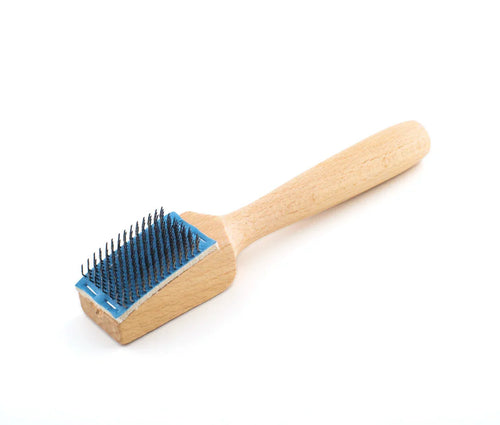
This is absolutely number one. Most Latin dance shoes have a suede sole. This sole becomes slippery over time due to dirt, dust, and dried sweat from the dance floor. A suede brush, often with metal bristles, is indispensable for roughening up the suede fibers again. What I often notice is that people think a regular clothes brush is enough, but it isn't. You need that specific stiffness to restore the grip. Use the brush briefly before every dance session, and more thoroughly afterwards, to clean the soles and ensure your dance shoes always offer optimal grip. A common mistake is brushing too hard, which makes the suede wear out too quickly. Light, even pressure is sufficient. -
Quality Shoe Polish or Cream (for leather shoes)
Do you have leather Latin shoes, for example, classic men's shoes or certain elegant women's models? Then good shoe polish or cream is crucial. Choose a color that matches your shoes, or a neutral cream. Cream nourishes the leather and keeps it supple, which prevents cracking. Polish provides that beautiful shine and a protective layer. In practice, I see that many dancers do polish their leather shoes, but often not regularly enough. Remember: every time you dance, the leather is stressed. A good polish after a few sessions does wonders for the lifespan and appearance. -
Soft Cleaning Cloths and Microfiber Cloths
For applying and buffing cream or polish, and for wiping off dust, soft cloths are indispensable. Microfiber cloths are ideal because they leave no lint and effectively pick up dirt. I always have a few clean cloths in my dance bag; one for the initial cleaning and one for polishing. -
Mild Cleaner for Synthetic or Satin
Not all Latin shoes are made of leather; many women's models are made of satin, synthetic material, or even glitter fabric. For these materials, you need a special, mild cleaner. Absolutely do not use aggressive cleaning agents, as they can cause stains or affect the glue. A slightly damp cloth with a little pH-neutral soap is often enough for surface dirt. Always test on an inconspicuous spot first. -
Shoe Trees: Shape Retention is King
After an intensive dance session, your shoes can be damp from sweat. Wooden shoe trees (cedar wood is ideal) absorb this moisture and help maintain the original shape of the shoe. This prevents wrinkles and the collapsing of the upper, especially with leather shoes. This is truly a tip I give every dancer for optimal shoe maintenance, especially if you dance several times a week.
By having these basic requirements in your polishing kit and using them consistently, you ensure that your Latin dance shoes not only look fantastic but also perform optimally and give you pleasure on the dance floor longer. Good care is not a luxury; it is an investment in your dancing pleasure.
Step-by-Step Cleaning
As a dancer, you know how important your shoes are. They are an extension of your body and a crucial part of your performance. But just like your muscles, they also need maintenance to keep performing optimally. In practice, I often see that people only think about cleaning when their shoes really don't look good anymore, or when the grip of the sole disappears. That's a shame, because with regular and correct maintenance, you significantly extend the lifespan of your beloved Latin shoes and maintain that essential grip on the dance floor. Let's look at how you handle that step-by-step, exactly how I care for my own shoes and those of my students.
What you need: The basic equipment
Before you start, make sure you have everything at hand. This prevents you from having to search halfway through and interrupting the process. What I always use myself:
- A special suede brush for dance shoes. This is really crucial, not a regular clothes brush!
- A soft cloth, preferably microfiber.
- A mild cleaning agent, specifically for shoes or a very diluted mild soap solution (e.g., baby shampoo).
- A small bowl with lukewarm water.
- Optional: a shoe tree to maintain the shape.
- Optional: a special shoe conditioner or protector, depending on the material.
The cleaning: From sole to upper
The process consists of a few clear steps, where we work from the sole to the upper.
1. The suede sole: The foundation of your grip
This is perhaps the most important step for Latin dance shoes. The suede sole provides the perfect balance between grip and glide. What I often see is that people do not brush their soles or do it incorrectly. Due to dirt, dust, and sweat, the suede becomes flat and slippery, causing you to lose grip. My advice is to brush your soles after every dance session, or at least weekly.
- Take your special suede brush.
- Brush the sole vigorously but with care. The intention is to stand the suede fibers back up and loosen embedded dirt. Always brush in one direction, or in small circular movements, and avoid too much pressure in one spot. You will see that the sole becomes rougher again and regains its original color.
- A common mistake here is using water or cleaning agents on the suede sole. Absolutely do not do this, unless you have a product specifically developed for suede soles of dance shoes. Water makes the suede hard and slippery.
2. The upper: Shine and appearance
The upper of your women's Latin shoes or men's shoes can be made of different materials: satin, leather, patent leather, or synthetic. Each type requires a specific approach.
- Satin: This is delicate. Gently dab with a slightly damp microfiber cloth, possibly with a drop of mild detergent. Do not rub, but dab. Hard rubbing can damage the fabric or create stains. I often use a little lukewarm water with a tiny bit of baby shampoo.
- Leather and Synthetic: These materials are more robust. Wipe off dirt and sweat with a slightly damp cloth. For stubborn stains, you can use a special leather cleaner. Dry immediately afterwards with a clean, dry cloth.
- Patent Leather: This material is relatively easy to clean. A slightly damp cloth is often enough to remove stains and fingerprints. For extra shine, you can use a special patent leather conditioner.
3. The inside and drying: Fresh and shape-retaining
The inside of your shoes absorbs a lot of sweat. This can lead to odors and the breakdown of the material. What I do after an intensive dance evening:
- Wipe the inside clean with a dry cloth. You can optionally use a special shoe deodorant or a little baking soda to absorb odors. Let this sit overnight and tap the powder out the next day.
- Always let your shoes air out well. Do not put them in the sun or on the heater, as direct heat can cause the material to shrink or dry out. Let them dry at room temperature, preferably with a shoe tree inside to maintain the shape. This is a small effort with a big effect on the lifespan.
By following these steps consistently, your Latin dance shoes will stay in top condition. It is an investment in time that pays off double in comfort, grip, and a longer lifespan for your favorite dance partners.
Applying Shine & Protection
After the thorough cleaning, it's time for the finishing touch: giving your shoes that deep shine again and protecting them from the rigors of the dance floor. This is not a luxury; it significantly extends the lifespan of your dance shoes and ensures you always look representative. What I often see is that after cleaning, people think they are finished, but the finishing touch really makes the difference in both appearance and durability.
Choosing and applying the right products
Before you start, it is crucial to have the right products at hand. Not every shoe polish is suitable for every dance shoe. Over the years, I have learned that you use different agents for leather and synthetic leather than for suede.
For leather and synthetic leather shoes:
Here it's all about nourishing, shine, and protection. After cleaning your shoes – and I assume you have thoroughly removed any stains and dirt – it's time for the polishing. My approach is as follows:
- Shoe cream or balm: Start with a nourishing shoe cream. This is essential to keep the leather supple and prevent drying out, which can lead to cracks. Apply a small amount with a soft cloth or applicator brush. Work it well into the leather, using circular movements. Let it soak in for a while – ten to fifteen minutes is usually enough.
- Polishing for shine: Then take a clean, soft brush (a horsehair brush works perfectly here) and gently brush out the cream. You will see that the shoe already gets a nice, subtle shine. For that deep, mirror-like shine you often see with professional dancers, you can finish with a high-quality shoe wax. Apply a thin layer, let it dry briefly, and then buff it with a clean, dry cloth, such as a flannel cloth. What I often do in practice is spit a little on the shoe (yes, really!) and then polish with the cloth; the heat and moisture help the wax work in even better and give an amazing shine. This is a trick I learned from an old ballroom dancer!
For suede dance shoes:
Suede is a completely different story. You absolutely do not want to smear shoe polish or wax on it, because that irrevocably ruins the texture. What you do want is to restore the ‘nap’ – the velvety structure – and protect the suede.
- Roughening: After cleaning and drying your suede shoes, use a special suede brush. Gently brush the suede in one direction to get the fibers back up. What I often see is that people brush too hard, which can damage the suede. Be patient and work with light, even movements.
- Protecting: For suede, a good waterproofing spray is your best friend. This spray forms an invisible protective layer that repels water and dirt without affecting the breathable properties of the suede. This is especially useful if you have salsa shoes made of suede that you also wear off the dance floor, or if you accidentally spill a drink. Make sure you do this in a well-ventilated area and keep sufficient distance as indicated on the packaging. I regularly spray my suede shoes, such as my favorite men's dance shoes, to keep them in top condition.
Don't forget the sole!
A common mistake is forgetting the sole. With Latin dance shoes, the sole is often made of suede, which is essential for grip and being able to turn. These soles should absolutely not be polished or impregnated with the aforementioned agents. Always use a special sole brush with metal bristles for the suede sole to roughen it up. This removes caked-on dirt and restores the grip, which is crucial for your pirouettes and turns. I always brush my soles before and after every dance session; it's a small ritual that makes a big difference in my dance performance.
By following these steps carefully, you ensure that your Latin dance shoes not only shine but are also optimally protected. This not only extends their lifespan but also ensures you step onto the dance floor with confidence and style.
Avoiding Common Mistakes
As an experienced dancer and shoe lover, I have seen many Latin dance shoes pass by over the years. And with that experience also comes insight into the pitfalls that many dancers fall into when it comes to caring for their precious footwear. It's such a shame to see how beautiful Latin dance shoes, chosen with so much passion, prematurely lose their shine or even become damaged due to incorrect maintenance. Important to know: the most common mistakes and how to avoid them, so your shoes last as long as your dance career.Too Aggressive Cleaning: Less is More
One of the biggest misconceptions I often encounter is the idea that 'good polishing' means you have to rub hard or use aggressive agents. Nothing could be further from the truth! Especially with delicate materials such as satin, suede, or leather, a wrong approach can have disastrous consequences.What I often see is:
- Using water on suede: Suede and water are not friends. Water leaves stains and can permanently change the structure of the suede, making it hard and stiff. For the sole, it is absolutely out of the question, because then it loses grip, which is essential for your turning movements.
- General cleaning agents: Think of all-purpose cleaner, dish soap, or even nail polish remover – I've heard it all. These agents are much too aggressive and contain chemicals that can affect the glue of the shoes, fade the color, or dry out the material. Your dance shoes, especially the soles, are specifically designed for flexibility and grip; these agents destroy those properties.
- Brushing too hard: Especially with suede uppers or suede soles, brushing too hard can damage the fibers, causing the shoe to wear out faster or even show cracks. It is important to work with care.
Practice shows: always choose specific products. For the optimal shoe care of delicate dance shoes, you need mild cleaners and conditioners specifically designed for the materials of your shoes. Think of a special suede brush with brass bristles for the soles, or a soft cloth with a mild foam cleaner for the upper. This preserves the quality and functionality of your shoes.
Incorrect Storage and Drying: The Invisible Enemy
After an intensive dance evening, it's tempting to quickly throw your sweaty dance shoes into your dance bag and not look at them again until the next lesson. But this is a recipe for discomfort and rapid wear. Moisture and heat are the perfect breeding ground for bacteria and fungi, which not only cause a nasty odor but also affect the materials of your shoes and weaken the glue connections.What I often see is:
- Storing shoes airtight: Your dance bag, a plastic bag – these are not places where your shoes can breathe. The moisture stays trapped, leading to odor and material breakdown. This is disastrous for both comfort and lifespan.
- Drying directly near a heat source: Putting your shoes on the heater or drying them with a hair dryer might seem like a quick solution, but the sudden heat can dry out leather and cause it to crack, weaken glue layers, and affect the fit. This can leave your shoes irreparably damaged.
- Not using shoe trees: Without shoe trees, your shoes, especially leather ones, can lose their shape and wrinkle faster. Shoe trees help absorb moisture and maintain the original shape, which is crucial for fit and support.
In practice, I always advise taking your dance shoes out of your bag immediately after dancing. Let them air dry in a well-ventilated area, away from direct sunlight or heat sources. Optionally use cedar wood shoe trees; these not only absorb moisture but also spread a pleasant, natural scent. This significantly extends the lifespan of your shoes and keeps them fresh, ready for your next dance session.
Long-term Maintenance Tips
Once you've found the perfect Latin dance shoes – whether it's those shiny satin stilettos for a Rumba, or those comfortable leather shoes for hours of Salsa lessons – you naturally want to enjoy them for as long as possible. I often see in practice that people invest a lot in good shoes, but then forget that long-term maintenance is just as crucial for both lifespan and your performance on the dance floor. It's not just about cleaning; it's a routine, a respect for your instrument.
Daily Rituals After Dancing
What I often see after an intensive dance evening is that shoes are carelessly thrown into a bag. Big mistake! Sweat and moisture are your shoes' biggest enemies. They affect the material and cause nasty odors. Immediately after dancing, I always take my shoes out of my bag and let them air out. Don't put them directly in the sun, as that can dry out leather and cause colors to fade, but just in a place where they can breathe quietly.
The suede sole, your direct contact with the floor, is essential for your grip and ease of turning. A common mistake is ignoring the sole. Dust, dirt, and skin flakes build up, causing you to lose grip and exert more force for turns. Use a special suede brush – the one with the metal bristles – to gently roughen up the fibers of the sole again. Do this after every dance session. This keeps the sole open and 'sticky' enough for those perfect pivots and spins. For those specifically looking for the right shoe care for women's dance shoes, including these brushes, a wide range is available.
Deeper Periodic Maintenance and Protection
Besides the daily routine, there is also the periodic maintenance that keeps your shoes really fresh. I speak from experience: a well-maintained shoe feels better and gives you more confidence.
- The upper: Depending on the material – leather, satin, or synthetic – it needs a different approach. For leather shoes, I occasionally use a leather conditioner to keep the leather supple and prevent drying out. Satin shoes are somewhat more sensitive; here I use a slightly damp cloth and optionally a mild textile cleaner. Avoid aggressive chemicals, which can affect the color or damage the material.
- The heels and heel tips: These are often the first parts to wear out. Regularly check if the heel tips are still firm and not worn down too far. A worn-out heel tip not only changes your balance but can also damage the heel itself. Replacing on time is a small effort that prevents much larger repairs. I have often seen dancers continue to dance on worn-out heels, which is not only bad for the shoe but also for your ankles and knees.
- Inside: The insole also needs attention. It absorbs the most sweat. Let the shoes air out well and consider using insoles that you can replace or wash. This not only helps against odors but also extends the lifespan of the original insole.
The Right Products and When to Invest in New
In practice, I notice that the right tools make the difference. Think of shoe trees, preferably made of cedar wood, which absorb moisture and maintain the shape of the shoe. This is especially important for salsa shoes that endure a lot. I use them standard after every session. There are also special sprays that help against odors without affecting the material. Invest in a good shoe care set; it's an investment in the lifespan of your dance partner at your feet. For a complete overview of products that help maintain all your dance shoes, including general shoe care accessories, you can view our collection.
Eventually, a point comes where even the best care is no longer enough. You notice this by various signals: the sole no longer offers grip, even after brushing; the cushioning has disappeared and you feel the floor too much; or the shoe simply no longer offers the support you need for your technique. A worn-out shoe can lead to injuries and reduce your dancing pleasure. Listen to your feet and don't be afraid to invest in a new pair when necessary. Your performance and comfort are worth it.
Frequently Asked Questions
How often should I polish my Latin shoes?
The frequency depends on how intensively you dance. For optimal shine and lifespan, it is recommended to lightly clean and polish your shoes after every few dance sessions. A more thorough polish, including conditioning, is recommended once every two to four weeks, depending on the wear and type of material of your shoes. Regular maintenance prevents dirt buildup and significantly extends the lifespan.
What products do I need to polish my Latin shoes?
Essential products include a soft brush (for dirt and dust), a microfiber cloth, a quality shoe polish matching the color and material of your shoes (often leather or satin), and optionally a conditioner to keep the leather supple. For suede soles, a special suede brush is indispensable. Ensure your products are pH-neutral to prevent damage and protect the materials.
How do I clean the suede soles of my Latin shoes?
The suede soles are crucial for grip on the dance floor. Use a special suede brush (often a wire brush with fine bristles) for this to remove dirt and dried sweat. Gently brush in one direction to stand the fibers back up, thereby restoring the grip. Avoid contact with water or regular shoe polish, as this can damage the suede and affect functionality.
What should I do about stubborn stains on my shoes?
With stubborn stains, acting quickly is essential. For leather shoes, you can use a slightly damp cloth with a bit of mild leather cleaner and gently dab, do not rub. For satin shoes, this is trickier; try a damp cloth with a very small amount of diluted mild soap. Always test on an inconspicuous spot first. When in doubt, consult a professional for specialized advice.
What is the best way to store my Latin shoes after polishing?
Store your Latin shoes in a cool, dry place, away from direct sunlight and extreme temperatures. Use shoe trees to maintain shape and prevent wrinkles. Ideally, store them in breathable shoe bags to keep out dust and allow air circulation. Avoid plastic bags, as these can trap moisture and promote mold growth. Proper storage is just as important as regular polishing.
Are there tips to extend the lifespan of my shoes besides polishing?
Yes, alternate your shoes if you have multiple pairs. This gives the materials time to 'rest' and dry. Avoid wearing your dance shoes off the dance floor to minimize wear on the soles. Use a shoehorn to protect the heel counter when putting them on. And consider having worn-out heels or soles replaced in time by a specialist to prevent further damage.
What is a quick tip for maintenance between two dance sessions?
For quick maintenance between sessions, you can briefly brush up the suede soles of your shoes with the special suede brush after dancing to restore grip. Wipe the uppers with a soft, dry cloth to remove dust and light dirt. This prevents buildup and keeps your shoes fresh longer and ready for the next dance, without taking up much time.
What I especially want to share with you is that your dance shoes are an extension of your passion. They carry you through every rumba, cha-cha, and salsa, and therefore deserve the very best care. The beauty of good maintenance is that it not only gives you a shiny appearance on the dance floor but also significantly extends the lifespan of your precious shoes. Above all, remember the power of regular cleaning, cherishing the suede, and the correct way of storing; small effort, great result.
Invest in the right products and you will notice the difference. If you are serious about maintaining that professional look and extending the lifespan, I really encourage you to check out our women's shoe care collection. There you will find everything you need to make your shoes shine. Let your shoes sparkle, so you can shine with even more confidence and joy with every step. Because every dance is a story, and your shoes are the silent witnesses that help you tell that story.


