

Table of Contents
- Why Choose Mambo Shoes
- Ideal Shoes for Salsa Dancing
- Comfort During Bachata Dancing
- Important Features of Latin Shoes
- Maintenance of Your Dance Shoes
- Choosing the Right Size
- Frequently Asked Questions
Nothing ruins a good dance evening faster than burning feet or the feeling of being stuck to the floor during a quick turn. In my years on the dance floor, I have seen countless students struggle with their balance simply because they were wearing the wrong footwear. Mambo Shoes are the best choice for Latin dancing because they combine a suede sole with superior flexibility, which is essential for controlled spins and a smooth roll-through of the foot. Whether you are enthusiastically starting with salsa shoes for your first lessons or looking for specific bachata shoes with the right heel height, the correct support makes the difference between a painful evening and effortlessly dancing through until the early hours. I remember well how my own technique took a leap forward as soon as I switched to professional gear; the stability around the ankle immediately gave me the confidence to finally land those complex combinations. For Latin dancing, your shoe is your most important instrument, and investing in quality protects your joints while you further develop your passion for the dance.
Why Choose Mambo Shoes
What I often see on the dance floor is that beginners make the mistake of starting their first lessons with regular sneakers or street shoes. In practice, this almost always leads to frustration. Street shoes have too much grip on a wooden dance floor, causing you to unnecessarily strain your knees and ankles with every turn. Mambo shoes are specifically designed to solve this problem. They offer the exact balance between grip and glide needed for the fast footwork patterns in salsa and the sensual movements of bachata.
A crucial aspect of a good dance shoe is the suede sole. When you perform a cross-body lead or start a double spin, your foot must be able to turn without resistance from the floor. At the same time, you don't want to slip when you shift your weight for a powerful 'break' on the first or second beat. This balance is exactly what high-quality salsa shoes provide. The suede gives you the control to stop when you need to, but the freedom to turn when the music calls for it.
Stability and Anatomical Support
In practice, I often see dancers suffer from pain in their arch or forefoot after an hour. This is usually because regular shoes do not offer the correct anatomical support for the specific posture in Latin dancing. In mambo and other Latin styles, your weight is more often on the ball of the foot. Mambo shoes are constructed so that the shank of the shoe provides extra support to the instep, while the heel cup holds your heel firmly in place.
For men, a common mistake is wearing shoes with a sole that is too thick. This causes you to lose contact with the floor, which is essential for your balance during complex partnerwork figures. The right salsa shoes have a thin, flexible sole that allows you to literally feel the floor. This helps not only with your own balance but also with leading your partner, as you stand more firmly and confidently in your shoes.
Durability During Intensive Dance Evenings
A social dance evening can last for hours, and your feet take a beating from the heat and constant movement. What sets Mambo shoes apart is the use of breathable materials and a lining that effectively wicks away moisture. This is not just a matter of comfort; it also prevents your foot from sliding inside the shoe, which causes blisters.
Whether you choose a classic sandal or a closed shoe, the fit should feel like a second skin. For ladies, the position of the heel is crucial. In inferior shoes, the heel is often placed too far back, causing you to lose balance. In professional bachata shoes, the heel is placed exactly under the natural center of gravity of the heel. This relieves the lower back and ensures that you can perform that typical hip action (Cuban motion) much more naturally without forcing your body. Investing in the right shoes is therefore not a luxury, but a necessity for anyone who wants to get serious about Latin dancing and protect their joints in the long term.
Ideal Shoes for Salsa Dancing
When you start with salsa, you quickly notice that your feet take a beating from the fast footwork and constant turning movements. What I often see on the dance floor is that dancers underestimate how much impact a good sole has on their joints. In salsa, almost everything revolves around the 'pivot' – turning smoothly on the ball of your foot. If you wear regular sneakers, your feet often stick to the floor while your knee is already starting the turn. That is a common mistake that leads to annoying meniscus or ankle injuries in the long run. The ideal shoe for salsa and other forms of Latin dancing must offer a perfect balance between grip and slip. In practice, this almost always means a suede sole. These salsa shoes ensure that you can spin in a controlled manner on a wooden dance floor without losing control, but also without getting stuck during a fast cross body lead. The suede gives you just enough resistance to push off powerfully, while minimizing turning resistance.The right heel height and stability
For the ladies, the choice of heel height and the shape of the heel is crucial for technique. A common mistake I often see with beginners is that they immediately choose a very high, thin stiletto. In practice, I see that dancers who cannot yet maintain their balance fully from their core get tired much faster on a heel that is too thin. For intensive salsa and bachata sessions, I often recommend a 'flare' heel. This heel tapers slightly wider at the bottom, which provides a larger support surface. This is essential when you have to shift weight quickly during complicated shines or when you come out of a double spin. It's not just the ladies who should look critically at their footwear for Latin dancing. For the men, stability around the heel and flexibility of the forefoot are essential. These salsa shoes for men must provide enough stability at the back of the foot, especially when leading powerful figures where your own balance is the foundation for your dance partner. A good men's shoe for Latin often has a slightly higher heel than a regular shoe (the so-called Cuban heel), which helps to bring your weight more toward the ball of the foot, exactly where you want it for this dance style.Specific requirements for bachata shoes
Although many dancers use the same shoes for both salsa and bachata, there are subtle differences in the load on the foot. In bachata, you often stand closer to your partner and the movement is more grounded and fluid. What I often advise dancers who do a lot of bachata is to look at the cushioning in the insole. Because the steps are often smaller and more rhythmic, comfort when placing the foot is a big plus. A shoe that is too stiff hinders you in the sensual hip movements that are so characteristic of the style, while a shoe that is too flimsy gives too little support during a fast salsa section in a remix. In practice, it is important to pay attention to the following technical details when purchasing:- The shoe should fit your foot like a second skin; every extra millimeter of space in the shoe causes friction, which leads to blisters and instability.
- Check if the heel cup is firm enough and does not give way sideways when you apply pressure during a side step.
- The sole must be flexible enough to allow you to fully stretch (point) your foot, which is essential for aesthetics in Latin dancing.
- Choose materials such as quality leather or satin that mold to the shape of your foot over time.
Comfort During Bachata Dancing
In practice, I notice that many dancers underestimate the impact of the right shoe on their Bachata technique. Where Salsa often revolves around speed and complex turns, Bachata revolves much more around the connection with the floor and the subtle weight shift in the hips. What I often see is dancers trying to dance in shoes with a sole that is too stiff, causing the fluid movement of the feet – the so-called 'roll' from heel to toe – to be completely lost. A good Bachata experience starts with the anatomy of the shoe. Because you frequently use the 'tap' on the fourth beat in Bachata, the shoe must offer sufficient cushioning under the ball of the foot. A common mistake is wearing shoes that are too loose at the heel. This causes your foot to slide during the side basic step, which in turn leads to blisters and tired calves. For the ladies, it is essential that the salsa shoes they choose for Bachata have firm ankle support, especially for the Sensual style where body waves and dips require a lot of stability from the ankles.The Balance Between Grip and Glide
When performing Dominican footwork, the speed of your feet is decisive. If your soles have too much grip, your knees block with every turn. If they have too little grip, you lose control during hip accents. In practice, I always recommend a suede sole. This sole offers the perfect resistance on the average dance floor. For men, this is just as important; good salsa shoes should have a heel height that helps to bring the weight slightly more to the front of the foot, which benefits agility. Here are a few specific points I look for when evaluating shoes for Bachata:- The flexibility of the midsole: You must be able to fully stretch and bend your foot without resistance from the shoe.
- The fit around the instep: The shoe should feel like a second skin to minimize friction.
- Cushioning in the insole: Especially during long social dance evenings, extra padding under the metatarsals is not a luxury but a necessity.
Prevent Injuries Through Proper Support
An aspect that is often overlooked in Latin dancing is the position of the heel relative to the body's line of gravity. In Bachata, you often stand closer to your partner than in other dance styles. This means your balance must be perfect so as not to lean against your partner. When you dance in high-quality bachata shoes, you notice that the heel cup is deep enough to keep your foot in place, even during fast syncopations. What I often see with beginners is that they choose sneakers with rubber soles. While this seems comfortable, it is a recipe for knee injuries because the rubber sole 'grabs' the floor while your body wants to turn. In practice, I see that dancers who switch to real dance shoes immediately notice an improvement in their hip action. Because the shoe allows for the correct rotation, the hips don't have to work as hard to compensate for the movement. This not only provides more comfort but also looks much more technical and elegant on the dance floor. Therefore, invest in footwear specifically designed for the pressure points involved in this dance style.Important Features of Latin Shoes
In practice, I often see beginner dancers step onto the dance floor with regular sneakers or rubber soles. That is one of the most common mistakes I encounter. In Latin dancing such as salsa and bachata, everything revolves around the interaction between your foot and the floor. A regular shoe "grabs" the floor, which puts an enormous strain on your knees and ankles during turns. What distinguishes a real dance shoe is the technical construction specifically tailored to the fast weight shifts and rotations of Latin disciplines.
The most essential part is the suede sole. This material offers the perfect balance between grip and glide. You don't want to slip during a fast bachata combination, but you also don't want your foot to stay stuck when you start a double spin. These specific salsa shoes are therefore equipped with high-quality chrome leather (suede) that gives you control over your pivots without forcing your joints. Another important aspect is the flexibility of the shank — the bridge of the shoe. Unlike stiff standard shoes, a Latin shoe must move with the arch of your foot so that you can fully stretch (point) your feet and make optimal use of the ball of your foot.
Stability and Anatomical Support
What I often notice with my students is that the choice of heel height is often based on appearance instead of technique. In Latin dancing, your weight is anatomically positioned more forward, on the ball of the foot. A good shoe supports this posture by positioning the heel in the right place under the heel bone. For men, this is just as important. A common mistake is wearing shoes that are too heavy, making footwork slow. The right salsa shoes for men often have a slightly higher heel (the Cuban heel) or a very stable low heel that helps the hip action proceed more naturally.
- The fit: A Latin shoe should feel like a second skin. In practice, this means they should fit almost too tightly when purchased, as the leather or satin will still mold to your foot during dancing.
- Open toe vs. Closed toe: In Latin, we usually see open shoes for ladies, which helps with being able to fully articulate the toes and rolling through the foot.
- Heel cup: A firm heel cup is crucial. If your heel slips in the shoe, you immediately lose control over your leading or following.
- Cushioning: Look for shoes with extra padding under the ball of the foot; when using bachata shoes intensively for an evening, these cushions absorb the shocks from your footwork.
The influence on your technique
If you want to work seriously on your technique, you cannot avoid specific footwear. I see a direct difference in a dancer's balance as soon as they switch from street shoes to real Latin shoes. The shoe almost forces you into the correct forward position, which is essential for the connection with your partner. Without the right shoes, you are often subconsciously busy compensating for a lack of balance, which limits your creativity and pleasure in the dance. Invest in a pair that suits your level and the shape of your foot; you will notice that figures that previously seemed impossible suddenly feel much more natural due to the correct floor contact.
Maintenance of Your Dance Shoes
In practice, I unfortunately see it happen all too often: a dancer buys a beautiful pair of shoes, but after three months of intensive Latin dancing, they look like they’ve been around for years. Your dance shoes are your most important tool on the floor. Whether you focus on fast footwork combinations in salsa or the sensual hip movements of bachata, your shoes take a beating from friction, sweat, and constant pressure. Proper maintenance is not just a matter of aesthetics; it is essential for your safety and the lifespan of your investment.The sole: Your grip on the dance floor
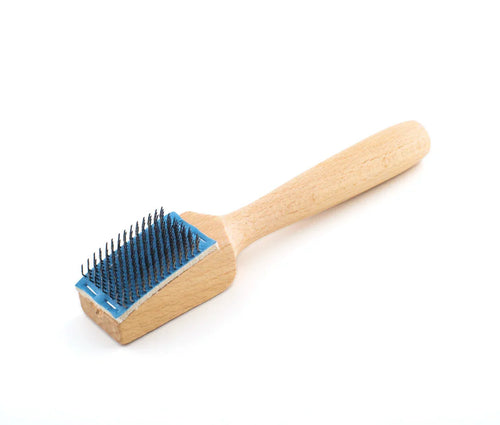
The suede sole is what makes a dance shoe unique. It offers exactly the right balance between glide and grip. What I often see is dancers not brushing their shoes for too long, causing the sole to 'glaze'. The suede becomes flattened and picks up dirt and wax from the dance floor, making the sole mirror-smooth. This is life-threatening during a fast double turn. When you invest in high-quality salsa shoes, a steel sole brush is your best friend. Always use the brush from the center toward the sides to lift the fibers of the suede again. Do this every two or three dance evenings. A common mistake is brushing with too much force; you only want to remove the dirt and roughen the leather, not scrape the entire sole off. If you notice that your salsa shoes remain slippery even after brushing, a drop of oil on the brush can sometimes help, but be extremely careful with this to prevent stains on the upper.Material care and moisture management
Another crucial aspect that is often forgotten is how you handle your shoes after class or a party. Never throw them directly into a sealed plastic bag. Your feet sweat while dancing, and that moisture absorbs into the satin or leather. If this cannot air out, the material will rot and unpleasant odors will develop. In practice, I always advise my students to use cedar shoe trees, especially for men's models. Cedar wood extracts moisture and maintains the shape of the shoe. For the ladies, maintaining satin bachata shoes is a craft in itself. Satin is easily soiled. Have a stain? Use a slightly damp cloth with a very small amount of mild soap and dab the stain away. Never rub, as you will damage the fibers of the fabric. For men, leather shoes occasionally need a thin layer of colorless shoe polish to keep the leather supple. Dried-out leather cracks faster at the bending points of the toes, and that is often the beginning of the end for your favorite pair.Protection of heels and soles
A specific tip for followers: use heel protectors. These are plastic caps that you slide over the heel. They not only protect the heel itself from wear but also give you just that little bit of extra stability on slippery floors. As soon as you see the heel tip (the bottom rubber of the heel) starting to wear down and you see the metal coming through, you must have them replaced immediately at a cobbler. If you continue with this, you will damage the dance floor and there is a high chance the heel will split beyond repair. Finally, the most important rule I give every dancer: never wear your salsa shoes outside. Even that short walk from the car to the dance school is disastrous. A small stone or a damp sidewalk will ruin the suede sole immediately. Only change your shoes upon entering the hall; this way you keep the dance floor clean and your shoes in top condition for years of dancing pleasure.Choosing the Right Size
In the years that I have been teaching and on the dance floor, the most frequently asked question is always: "What size should I have?" The answer is simple, but counterintuitive for many: your dance shoe should feel like a second skin. What I often see is beginners buying their dance shoes in the same size as their daily sneakers or walking shoes. That is a common mistake. In a normal shoe, you want some extra space at your toes for comfort while walking, but in Latin dancing, that extra space is your biggest enemy.
Why tighter is better in practice
In practice, a shoe that is too large means your foot will slide inside the shoe. As soon as friction occurs between your sole and the insole, you will inevitably get blisters. Moreover, you lose control over your 'floor pressure'. In dances like salsa and bachata, you want to constantly feel contact with the floor to push off powerfully for spins and cross-body leads. These salsa shoes must therefore close firmly around the foot from the first moment. Materials like leather and satin always stretch a fraction due to the heat and moisture of your feet during an intensive social dance evening.
- The toe test: In open shoes (sandals), your toes should reach exactly to the edge of the sole, or even hang over a fraction. This helps you correctly position your weight forward on the ball of your foot, which is essential for your balance.
- The heel check: There should be absolutely no space between your heel and the back of the shoe. If your heel slips during a 'back basic', you immediately lose your stability.
- Width vs. Length: If you notice your foot sliding sideways, the shoe is too wide, not too long. Have narrow feet? Then choose models with adjustable buckles at the forefoot to perfect the fit.
Sizing for men and women
For men, the fit is just as crucial, although their shoes often look more like a regular dress shoe. A common problem for men is that the foot starts 'swimming' in the shoe after an hour of dancing. These salsa shoes are anatomically designed to support the arch of your foot. This is essential for correct posture and preventing tired calf muscles after a long workshop. When trying them on, make sure the laces pull the sides of the shoe tightly around the instep without the material wrinkling.
What I often recommend when fitting new bachata shoes with a higher heel is to pay attention to the position of your heel directly above the heel of the shoe. If the shoe is too large, your center of gravity shifts backward, causing you to lose balance more quickly during double turns or fast footwork sections. In dance practice, I see that students who buy a shoe that is 'just a bit too tight' in the beginning ultimately enjoy their investment much longer. A dance shoe that already feels 'nice and roomy' in the store is often so stretched out after three months of intensive use that it becomes unsafe for your ankles. So choose that firm enclosure; your feet will thank you as soon as you start your first spins.
Frequently Asked Questions
Why are special salsa shoes important for Latin dancing?
Special salsa shoes are essential because they have a suede sole that offers the perfect balance between grip and glide on the dance floor. This allows you to turn smoothly without straining your knees or ankles. Unlike regular sneakers, these shoes provide the necessary flexibility and support specifically needed for the fast footwork and movements of Latin dancing.
What is the difference between bachata shoes and regular dance shoes?
Bachata shoes are distinguished by their extreme flexibility and comfort, which is crucial for the sensual hip movements and footwork in bachata. While regular dance shoes are sometimes stiffer, these shoes allow the foot to fully stretch. This ensures a better connection with the floor and prevents injuries during long dance evenings, making them the ideal choice for any passionate Latin dancer.
How do I choose the right size for my Mambo shoes?
When choosing the right size for Mambo shoes, it is important that they fit snugly, almost like a second skin. Dance shoes always stretch slightly due to the supple leather or satin. Measure your feet accurately and consult the specific size chart. A shoe that is too loose can lead to blisters and instability, which directly negatively affects your performance during Latin dancing.
Which sole is most suitable for Latin dancing on a wooden floor?
For Latin dancing on a wooden floor, a suede sole is the best choice. This sole provides just enough resistance not to slip, but also allows you to make spins and turns effortlessly. It is important to regularly roughen this sole with a special steel brush to maintain the grip. This ensures your salsa shoes continue to perform optimally on smooth and professional dance floors.
How do I maintain my Latin dance shoes for a longer lifespan?
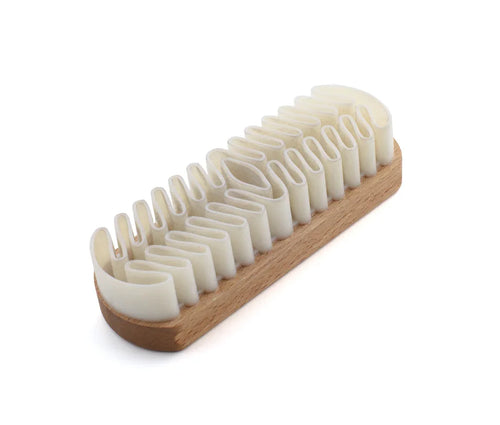
To keep your Latin dance shoes in top condition, you should regularly brush the suede soles with a dance shoe brush. This removes dirt and accumulated grease from the floor. Always let your shoes air out well after dancing, but avoid direct sunlight or the heater, as this can dry out the material. Optionally, use shoe trees to maintain the shape and significantly extend the life of your shoes.
Can I also wear salsa shoes outside during a festival?
No, it is strongly discouraged to wear salsa shoes with a suede sole outside. Moisture, dirt, and rough surfaces such as asphalt immediately ruin the delicate sole, causing them to lose their sliding properties. For outdoor parties, it is better to choose Latin shoes with a hard leather sole or a special rubber sole that can withstand different surfaces, so you can continue to dance safely.
What is the ideal heel height for beginning Latin dancers?
For beginning Latin dancers, a heel height between 5 and 7 centimeters is ideal. This height offers enough elegance for the dance style without compromising your balance. A lower flare heel is often more stable than a thin stiletto, which helps in building confidence on the dance floor. As your technique improves, you can eventually switch to a higher heel for a more pronounced line.


