

Table of Contents
- What are merengue shoes?
- Difference with salsa shoes
- Comfort during latin dancing
- Grip and sole types
- Bachata shoes versus merengue
- Maintenance of your dance shoes
- Frequently Asked Questions
Have you ever tried making a fast Merengue turn while your shoes stuck to the floor? In my years on the dance floor, I have seen countless students struggle with stiff soles that not only ruin their flow but also put unnecessary strain on their knees. The best Merengue shoes are specifically designed with a flexible, suede or leather sole that provides just enough grip to stand stably, but is smooth enough to spin effortlessly during latin dancing. Whether you are looking at elegant salsa shoes with a sturdy heel or the somewhat more flexible bachata shoes, it is all about the right balance between technical support and cushioning.
I remember well that I started on regular sneakers myself; after half an hour, the soles of my feet were burning and I simply couldn't get through the basic steps smoothly. Good dance shoes have a contoured footbed that supports the arch of your foot, which is essential for those characteristic, fast hip movements of the Merengue. When you invest in quality footwear, you immediately notice that your technique improves because you are no longer fighting against the resistance of the floor. Below, I share my practical experience on what to look for when purchasing, from the ideal heel height to the type of material, so that you can stand comfortably and injury-free on the dance floor all evening.
What are merengue shoes?
In practice, I often get asked if there is a specific type of shoe designed exclusively for the merengue. Although you won't often see a "merengue shoe" label on a box in the dance world, in practice we are talking about footwear that is specifically adapted to the unique mechanics of this Dominican dance. Merengue is characterized by a constant 2/4 time signature and a 'marching' step where one leg is always slightly bent. What I often see is that dancers underestimate the intensity of this constant weight transfer. Real merengue shoes fall under the broader category of latin and salsa shoes, but they must meet a number of specific requirements to support the fast hip action and compact turns. Unlike ballroom dancers, who often make long, gliding steps, merengue dancers stay closer together and make many small, rhythmic steps in place. This requires a shoe that is extremely flexible in the forefoot, so that the foot roll (from ball to heel) proceeds smoothly without resistance from a stiff sole.The technical side of the rotation
A crucial aspect of merengue is the rotation. Because the dance partner is often close by and the figures become more complicated as the tempo increases, you must be able to turn on a dime. A common mistake is wearing regular sneakers with a rubber sole. Rubber grips the dance floor, causing the torsion to end up in your knees instead of in the movement of your foot. Good merengue shoes almost always have a sole made of suede (also called chrome leather). This material offers the perfect balance between grip and glide. For male dancers, this is just as important; they often benefit from salsa shoes with a suede sole and a slightly raised heel (the so-called Cuban heel), which helps to shift the weight to the ball of the foot. This makes the typical hip movement, which arises from the bending and stretching of the knees, a lot more natural.Stability and anatomical support
In practice, I see that dancers often experience pain in their foot arch after an hour of merengue. This is because the merengue step forms a constant load for the intrinsic foot muscles. A good shoe for this dance style must therefore have:- A strong shank: This is the bridge in the sole that supports your foot arch, but remains flexible enough at the forefoot to be able to 'point'.
- Central heel placement: For ladies, it is essential that the heel is directly under the heel bone. If the heel is too far back, you lose your balance during the fast sideways steps (chassés).
- Cushioning in the insole: Because you frequently land on the ball of your foot in merengue, extra padding under the forefoot is not an unnecessary luxury to prevent fatigue.
Difference with salsa shoes
In practice, I often get asked if you can't just pull your old salsa shoes out of the closet for merengue. Although both dances fall under the broad heading of 'latin', the technique of the feet is fundamentally different. Where salsa revolves around complex turns, linear patterns, and fast spins on the ball of the foot, merengue is much more 'grounded'. It is essentially a constant march in place where your weight completely transfers from one foot to the other on every beat. What I often see on the dance floor is that dancers who are used to salsa tend to stay on their toes too much during the merengue. This causes unnecessary tension in the calf muscles. In merengue, you want a shoe that supports the natural roll of the foot, from the ball to the heel, while you make that typical hip action. For the ladies, this means that the stability of the heel is even more important than during a fast salsa spin. These salsa shoes are often designed for extreme flexibility in the instep, but in merengue, you benefit from a sole that gives just a bit more body to absorb the constant 'stomp' without getting tired soles.The role of the sole and heel stability
A common mistake is underestimating the heel counter. In salsa, you move forward and backward a lot in a line, but in merengue, you often turn around your own axis or that of your partner while maintaining that marching step. This puts lateral pressure on the shoe that you experience less intensely in standard latin dancing. In practice, I see that shoes with a heel counter that is too weak wear out faster, causing you to lose stability during the fast hip movements. For men, too, the choice of the sole is decisive for dancing pleasure. Where you can sometimes get away with a smoother sole in a fast mambo step, in merengue you need that specific control not to slip away during the syncopations. Good salsa shoes for men offer that perfect balance between a suede sole for the right grip and a heel that is low enough not to lose contact with the floor.Important technical differences
To keep it clear, these are the main points where the needs of a merengue dancer differ from a pure salsa dancer:- Weight distribution: In salsa, the weight is more often forward on the ball of the foot. In merengue, you shift your full body weight on every beat, which requires a shoe with excellent cushioning under the entire foot.
- Turning resistance: Because merengue has fewer consecutive spins than salsa, the sole can have a bit more 'bite'. You don't want your foot to slip away the moment you start that powerful hip movement.
- Flexibility: Although bachata shoes and salsa shoes must be extremely flexible for 'point' work, a merengue shoe can be slightly stiffer in the arch of the foot for extra support during marching.
Comfort during latin dancing
In practice, I often see that dancers underestimate the importance of comfort until they are standing on the sidelines halfway through a party with burning soles. In a dance like the merengue, which is known for its constant, marching basic step and fast hip movements, your body takes quite a beating. Unlike a quiet ballroom dance, in latin dancing you are constantly on the ball of your foot. This requires a shoe that not only looks beautiful but also supports the anatomy of your foot during every turn and weight shift. What I often see is that beginners start with regular sneakers or pumps with a rubber sole. A common mistake, because rubber grips the floor at moments when you actually need to be able to spin. This puts an enormous strain on your knees and ankles. When you invest in specific salsa shoes, you immediately notice that the suede sole gives you the freedom to glide in a controlled manner without losing grip. This is essential for the short, powerful movements that are so characteristic of the merengue and bachata.The anatomy of a comfortable dance shoe
Real comfort lies in the details that you often don't see directly on the outside. Consider, for example, the padding under the metatarsals. Because the pressure during dancing lies almost entirely on the forefoot, there must be extra cushioning there to prevent fatigue. In practice, I notice that dancers who choose shoes with a high-quality insole made of microfiber or leather continue dancing much longer without suffering from cramps in the foot arch. For men, a similar principle applies. A stiff shoe hinders the rolling movement of the foot, which is crucial for that fluid latin look. Good salsa shoes are therefore often equipped with a split-sole or a very flexible continuous sole. This allows you to fully stretch your foot and gives you much more contact with the floor, which significantly improves your balance during complex combinations.What to look for when fitting
If you are going to buy shoes for latin dancing for the first time, the fit is the most important thing. A dance shoe must sit on your foot like a second skin; every millimeter of space you have left can result in sliding and therefore in blisters. Here are a few concrete points I always emphasize during my lessons:- The heel closure: Your heel must absolutely not slip out of the shoe when lifting your foot. A sturdy heel counter is essential for stability.
- Toe space: With open shoes, your toes should just not come over the edge of the sole, but they should also not be too far back.
- Flexibility: Test whether you can easily bend the sole at the ball of the foot. If the shoe is too stiff here, you will suffer from your calves faster.
- Material: Leather and satin mold to your foot over time, while synthetic materials often remain stiff and breathe less well.
Grip and sole types
In practice, I notice that many dancers underestimate the sole of their shoe, while this is precisely the part that determines whether you go home with knee complaints after an evening of Merengue or with a smile. Merengue is characterized by that constant, marching movement where your weight continuously shifts. If your sole has too much grip on the floor, your foot blocks while your hips and knees still want to keep turning. This is a common mistake I often see in beginners who step onto the dance floor in regular sneakers with rubber soles.
The suede sole: The standard for control
What I often advise students who are serious about Merengue is the switch to a suede sole. Suede offers exactly that 'sweet spot' between grip and glide. You have enough grip not to slide away during the fast sideways steps (chassés), but you can still turn effortlessly without your joints protesting. When choosing salsa shoes for Merengue, you see that this sole is almost always the standard in the dance school.
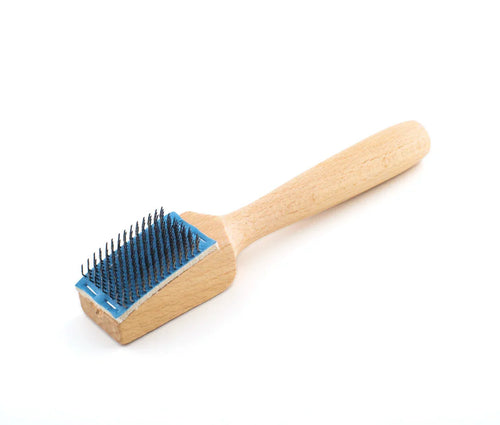
A specific detail to look out for with suede is maintenance. In practice, I see that dance floors become slippery over time due to dust or conversely stiff due to spilled drinks. Therefore, always use a steel sole brush to 'roughen up' the hairs of the suede again. This ensures that you maintain control during the fast 1-2-1-2 cadence of the Merengue.
Leather soles for the social dancer
Not everyone dances exclusively on the perfectly maintained wooden floors of a dance studio. If you are often found at latin parties in cafes or at outdoor locations, then suede is vulnerable. In that case, leather soles are an excellent alternative. Leather is naturally smoother than rubber, but offers more resistance than suede on a slippery tile floor.
For men looking for a solid base for their footwork, the right latin shoes with a leather or thin plastic sole are often the best choice. It gives you the opportunity to generate that typical Merengue swing in the hips without your foot 'sticking' to the ground. Note with leather soles that they can be very slippery in the beginning; break them in first on a rough surface to take off the first layer of slipperiness.
Why the thickness of the sole matters
When dancing Merengue and other forms of latin dancing, contact with the floor is essential. A sole that is too thick, such as those seen on platform soles or thick sports shoes, prevents you from 'feeling' the floor. This comes at the expense of your balance. In practice, I see that dancers on thinner, flexible soles can react much faster to the accelerations in the music.
- Suede soles: Perfect for wooden floors and professional dance schools; offers the best balance for spins.
- Leather soles: Ideal for 'social dancing' on various surfaces such as laminate or smooth tiles.
- Hybrid soles: Sometimes you see plastic soles specifically developed for both indoor and outdoor use, handy for festivals.
- Thickness: Choose a thin, flexible sole so your foot can roll naturally with every step.
A final tip from my own experience: always test your new shoes by making a few 'pivots' (turns on the ball of the foot). If you notice that your kneecap gives a pulling sensation, the sole is too stiff for that specific floor. The right grip is a personal preference, but safety for your joints always comes first when choosing your equipment.
Bachata shoes versus merengue
In the dance school, I often get asked if you can't just use the same pair of shoes for bachata and merengue. Although both dances fall under the latin umbrella, the load on your feet is substantially different. In practice, I see that dancers who dance merengue for hours in shoes that were actually designed for fast bachata footwork often suffer from their joints faster. That has everything to do with the mechanics of the step. In merengue, there is a constant, marching movement on every beat of the music. You continuously shift your weight from one foot to the other, with the knees and hips doing the heavy work. What I often see is that dancers put a lot of pressure on the ball of the foot because of this. A shoe for merengue must therefore primarily excel in shock absorption. These latin dancing shoes are often equipped with a slightly thicker suede sole that absorbs the constant impact of the 'marching step', without you losing contact with the floor.The difference in footwork and stability
Bachata, and particularly the modern and sensual variants, requires many more lateral movements, slides, and fast 'taps' on the fourth beat. For this, flexibility of the sole is crucial. A common mistake for beginners is choosing a shoe that is too stiff. In practice, with bachata you need a sole that moves almost like a second skin during a slide, while with merengue you want that extra stability under your midfoot to be able to isolate the hip action (the famous Cuban motion) properly. For men, a similar principle applies. Where a bachata shoe can often be a bit lighter and more flexible for complicated footwork patterns, a shoe for merengue must be sturdy enough to support the powerful step. These latin shoes offer the necessary grip on slippery wooden floors, which is essential because in merengue you 'glide' less and 'step' more than in bachata.- Weight transfer: Merengue requires a constant, full weight transfer on every beat, which demands more from the cushioning in the heel and forefoot.
- Flexibility: Bachata shoes are often more flexible in the arch of the foot to accentuate taps and point movements.
- Turning speed: Although both dances contain turns, the turns in merengue are often more compact. A stable base is more important here than with the sometimes wider turns in bachata.
- Contact with the floor: In merengue, you want a 'grounded' feeling; a sole that is too thin can lead to fatigue in the foot muscles in this dance style.
The role of heel height
Another technical detail that is often overlooked is the heel height. In practice, I notice that ladies often dance more comfortably in merengue on a slightly lower or wider heel (such as a flare heel) than in bachata. Because in merengue you constantly bend and stretch your knees to generate that hip movement, a more stable heel ensures less strain on the lower back. In bachata, you more often see higher, slimmer heels because the dance style requires a bit more of an elegant, upward stretch. However, if you are at a social dance event all evening where both styles are played, I often recommend a middle ground: a heel of 5 to 7 centimeters that is wide enough to keep your balance during the intensive merengue tracks.Maintenance of your dance shoes
What I often see on the dance floor is that dancers invest in quality shoes, but then treat them like normal sneakers. In practice, however, a dance shoe is a technical instrument that needs specific care to maintain the balance between grip and glide. Especially in an energetic dance like the Merengue, where your feet are constantly in motion with small, fast steps, the condition of your sole determines your dancing pleasure and your safety.
A common mistake is wearing dance shoes outside the dance hall. The suede sole of high-quality latin dance shoes is extremely vulnerable to moisture and dirt from the street. As soon as suede gets wet or comes into contact with grease, it loses its unique properties. You will notice that you then either get too much grip (which is dangerous for your knees during turns) or lose all grip. So wear your shoes only inside on a clean dance floor.
Roughening the suede sole
After a few evenings of intensive dancing, you will see that the soles of your shoes become smooth and shiny. This is due to a combination of accumulated dust and the pressure of your body weight pressing down the fibers of the suede. When I teach, I notice immediately when a student dances with 'polished' soles; they slip away during the basic step or lose their balance during an acceleration. To prevent this, you must regularly roughen the sole with a special steel dance shoe brush.
- Always brush from the heel towards the toe to get the fibers up again.
- Do not apply too much pressure; you only want to remove the dirt and the grease layer, not scrape away the suede.
- Do this preventatively, not only when you are already almost slipping on the floor.
For men who train intensively, maintaining their salsa shoes is just as crucial. Because men often put more weight on the ball of the foot while leading, this part of the sole wears out faster. By brushing regularly, you significantly extend the life of the material.
Moisture management and shape retention
Merengue is a physically intensive dance where you will inevitably sweat. What many dancers forget is that this moisture pulls into the leather and the lining of the shoe. A crucial practical tip: never leave your shoes in your dance bag after a lesson or a party. The leather cannot breathe then, causing it to smell and the fit to be lost faster.
Preferably use cedar wood shoe trees for your bachata shoes or latin models. Cedar wood extracts moisture from the leather and neutralizes odors naturally. For ladies with heels, it is wise to use heel protectors. These are plastic caps that you slide over the heel. They not only protect the floor from scratches, but also prevent the heel of your favorite pair of salsa shoes from wearing out too quickly down to the metal of the pin. In practice, this saves you a lot of trips to the shoemaker for new heels.
Finally, it is advisable to give your shoes a rest. If you dance several times a week, it is better to alternate between two pairs. This gives the material time to dry completely and return to its original shape, which doubles the life of your investment.
Frequently Asked Questions
What should I look for when buying merengue shoes?
When buying merengue shoes, optimal comfort is the most important factor for every dancer. Pay particular attention to a flexible sole and sufficient cushioning in the footbed for shock absorption. Because merengue requires many fast hip movements and steps, the shoe must fit snugly without pinching. Choose breathable materials such as leather or satin for a pleasant experience while dancing.
What is the difference between salsa shoes and merengue shoes?
Technically, there is little difference between salsa shoes and merengue shoes; both fall under the broad category of latin dance shoes. Both styles require a suede or leather sole for controlled turning and gliding. However, merengue dancers often choose a slightly lower or more stable heel because of the fast, marching steps of the dance, while salsa dancers sometimes prefer higher heels.
Are bachata shoes also suitable for merengue?
Yes, bachata shoes are excellent for merengue. Because both dance styles are closely related within the latin scene, they place exactly similar demands on the footwear. Good bachata shoes offer the necessary flexibility for footwork and the right grip for turning movements. Whether you choose a closed shoe or a sandal model, the stability these shoes offer is perfect for both forms.
Which sole is best for latin dancing on a wooden floor?
For latin dancing on a wooden floor, a suede sole is the absolute standard. Suede offers the perfect balance between grip and glide, which is essential for safe turns and spins. It prevents annoying knee injuries because your foot doesn't stick to the floor. For outdoor events on rougher floors, however, you're better off choosing a hard leather or synthetic sole.
How tight should dance shoes fit when purchased?
Dance shoes should fit very snugly when purchased, almost like a second skin on your foot. This is important because materials like leather and satin still stretch considerably during intensive dancing. If a shoe feels comfortably loose immediately, it will become too wide after a few lessons, which reduces stability. Do ensure that your toes are not painfully folded over.
Can I use regular sneakers for merengue?
Although it is possible, experts advise against regular sneakers for merengue. Rubber soles of normal sneakers often have too much grip, which can cause your feet to stick during turns. This significantly increases the risk of ankle and knee injuries. Specific dance sneakers with a split-sole or a special pivot point under the ball of the foot are a much safer and more comfortable alternative for dancers.
How do I maintain my latin dance shoes for a longer lifespan?
Maintenance of your latin dance shoes starts with the sole. Regularly use a special steel sole brush to roughen up the suede and remove accumulated dirt. This restores the grip on the dance floor immediately. Always let your shoes air out well outside your bag after dancing, but avoid direct sunlight. For leather uppers, use a mild shoe cream to keep the material supple.
The beauty of the perfect merengue shoes is that they give you the confidence to fully immerse yourself in the music without being distracted by painful feet. What I especially want to give you is that comfort should never be an afterthought; a flexible sole and the right support are essential to perform those fast hip movements and turns effortlessly. Whether you take to the floor for a fiery merengue or switch to bachata shoes for a sensual track, your feet deserve the best care. Just like with quality salsa shoes, this choice is about that crucial balance between stability and freedom of movement.
Above all, remember that the right investment in your dancing pleasure makes the difference between having to sit down halfway through the evening or effortlessly continuing into the early hours. Give yourself that freedom and discover the perfect fit in our women's latin dance collection or check out the stylish options in our men's latin collection. Good shoes are not just an accessory, they are your most important partner on the dance floor. Let nothing hold you back from shining and enjoy every step you take.


