

Table of Contents
- What is Rueda de Casino?
- Importance of Good Salsa Shoes
- Improving Grip and Agility
- Comfort in Latin Dancing
- Bachata Shoes vs Rueda Shoes
- Tips for the Right Choice
- Frequently Asked Questions
Nothing is more frustrating than being stuck to the floor halfway through a fast "dame" exchange because your soles simply have too much grip. For Rueda de Casino, the best shoes feature a smooth suede or leather sole, allowing you to turn effortlessly without putting unnecessary strain on your knees. In my years as an instructor, I have noticed that the right salsa shoes make the difference between a smooth "enchufla" and a nagging pain in your joints at the end of the evening.
In my classes, I still too often see enthusiastic dancers showing up in regular sports shoes. While they are fine for outdoors, they block the rotation that is so essential in all forms of Latin dancing. A good dance shoe should feel like a second skin; firm enough to maintain your balance in a dynamic group circle, but flexible enough for subtle footwork. Whether you are looking at specific bachata shoes with extra cushioning or choosing low dance sneakers, it's all about the balance between grip and slip. In this article, I share my experience on which material works best on different floors, so your next purchase is an immediate hit.
What is Rueda de Casino?
Rueda de Casino is basically the Cuban form of salsa, but danced in a circle. What makes it unique is that it is not an individual affair between two partners, but a collective game. There is always one leader, the 'Cantante', who calls out the figures or indicates them with hand gestures. What I often see in the dance school is that the energy in a Rueda group shoots up immediately as soon as the circle forms. It's about timing, speed, and especially the ability to react immediately to commands while changing partners in a fraction of a second.The dynamics of constant partner changes
In practice, Rueda de Casino means your feet never stand still. At commands like 'dame' or 'enchufla', you slide in a smooth motion to the next partner. This requires enormous agility from your feet. A common mistake I see with beginners is wearing sneakers with too much rubber grip. Because you are constantly making pivot movements on the ball of your foot in a Rueda, soles that are too stiff can lead to nasty knee injuries. Men often have to take large, powerful steps to keep the circle compact, and a pair of technically well-designed salsa shoes provides the necessary support for the ankles and the right flexibility in the sole. The speed at which the exchanges follow each other ensures that your balance is constantly challenged. While you might get away with a less technical foot roll during the softer, more controlled movements often seen with bachata shoes, the Rueda circle punishes that mercilessly. You must be immediately 'grounded' after every turn or exchange to catch the next 'call', whether it's a simple 'vacilala' or a complex 'setenta'.Technique and foot placement in the circle
The anatomy of movement in Rueda de Casino is horizontal and circular. Unlike linear salsa (such as LA style), where you mainly stay on an imaginary line, in Rueda you move sideways and constantly around your own axis and that of the circle. This means the side of your foot and the ball of your foot endure much more pressure. What I often advise my students is to pay attention to the stability of the heel.- Turning speed: Because the Cantante sometimes calls the commands in rapid succession, you must be able to spin without resistance.
- Stability upon landing: After a partner exchange, you must immediately stand stable to lead or follow your new partner. Quality salsa shoes with a suede sole ensure you have just enough grip not to slip, but can still turn smoothly without straining your joints.
- Spatial awareness: In a tight circle, foot placement is crucial to avoid stepping on your neighbor's toes. A shoe that fits closely around the foot helps with more precise placement.
Importance of Good Salsa Shoes
In Rueda de Casino, everything revolves around speed, alertness, and synchronization. What I often see on the dance floor is that dancers underestimate the physical intensity of this group dance. You are not just busy with your own steps; you are constantly reacting to the commands of the 'cantante' and changing partners at a high tempo. If you are standing on regular sneakers with a stiff rubber sole, you are asking for trouble. Rubber has too much grip on a wooden dance floor, which is disastrous for your joints. In practice, I see that this leads to difficult turns where the torsion ends up entirely in your knee joint instead of the ball of your foot. Good salsa shoes are therefore not a luxury, but a necessity for your physical health and dance pleasure. A real dance shoe is equipped with a suede or leather sole that offers just enough 'slide' to pivot smoothly, but also gives enough 'grip' not to slip away during a powerful 'dile que no'. The difference in freedom of movement is immediately noticeable as soon as you step into the circle.Protection of joints and technique
A common mistake among beginners is the assumption that sturdy sports shoes offer sufficient support. However, the anatomy of a quality dance shoe is specifically designed for the biomechanics of Latin dancing. In Rueda, your center of gravity is almost constantly on the ball of your foot to switch quickly. The shaft of professional shoes is reinforced and the heel is positioned so that your weight is automatically brought slightly forward. This helps you react faster to unexpected figures. For men, this aspect is just as crucial. The salsa shoes for men often have a slightly raised heel and a flexible sole. This is essential for correct posture and balance while leading multiple ladies in a circle. Without this specific support, I often see dancers suffer from lower back pain or burning feet after an intensive Rueda session due to a lack of shock absorption and flexibility.Why specific shoes make the difference
In practice, I notice that students who switch to professional footwear immediately make a leap in their technique. You no longer have to fight against the resistance of the surface. Here are a few reasons why the right shoe choice improves your performance in the Rueda:- Turning ability: The suede sole ensures that your 'pivots' (turning on one foot) go effortlessly without overstraining your meniscus.
- Floor feel: You have much more contact with the floor, which is essential for timing in complex figures like the 'enchufla doble'.
- Lateral stability: Whether you choose flexible bachata shoes or a sturdier salsa pump, the construction prevents you from spraining your ankle during fast, lateral partner changes.
- Foot flexibility: With good dance shoes, you can fully 'point' and roll through your foot, which is impossible with a stiff normal shoe.
Improving Grip and Agility
In Rueda de Casino, everything revolves around speed, timing, and being able to react blindly to the 'caller'. What I often see in practice is that dancers are technically very strong, but their shoes literally stand in their way. In group dances like Rueda, you cover much more distance than in a normal social dance; you constantly change partners, make fast turns like the 'Enchufla', and must be able to stop immediately to stay in step with the circle. The right balance between grip and agility is essential here. A common mistake is dancing in regular sneakers with a rubber sole. Rubber is designed to offer grip, but in the world of latin dancing, too much grip actually works against you. If your foot stays stuck to the floor while your body starts a turn, that torsion goes directly to your knees and ankles. This is why professional dance shoes almost always have a sole of suede or smooth leather.The perfect balance on the dance floor
The secret to a good Rueda experience lies in being able to 'pivot' (turn on the ball of the foot). In practice, I see that dancers who invest in specific salsa shoes get much less tired. The suede sole acts as a kind of natural brake: you have grip when you apply pressure, but you can slide effortlessly as soon as you shift your weight. This is crucial in figures like the 'Prima' or 'Vacilala', where the speed of the turn determines if you are on time for the next partner exchange. For men, agility is just as important, especially since they are often the driving force in the circle. Good salsa shoes for men have a thin sole that allows you to feel the floor well. This contact with the floor, also known as 'floor feel', ensures that you can anticipate tempo changes in the music faster. A heavy shoe with a thick sole makes your footwork clumsy, which in a compact Rueda circle often leads to stepping on each other's toes.Tips for optimal floor contact
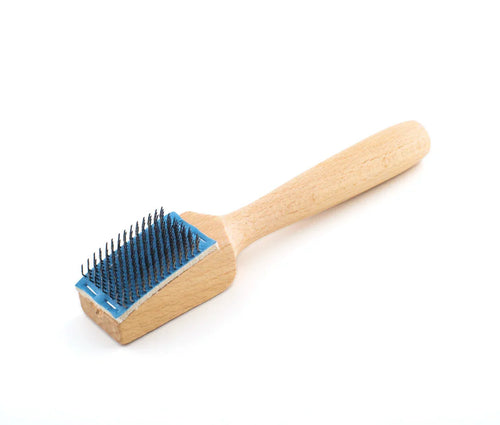
To maximize your agility in the Rueda, I recommend paying attention to the following points:- Maintenance of your soles: A suede sole becomes smooth over time due to dust and wax on the dance floor. Regularly use a steel shoe brush to roughen up the fibers of the suede again. This gives you back the control you need for sharp stops.
- Turn on the ball of your foot: Ensure your weight is placed slightly forward. In many bachata shoes and salsa models, the heel height and balance are specifically adjusted for this, making it easier to keep your heels light.
- Fit is everything: Your shoe should feel like a second skin. If your foot slides inside the shoe, you lose precious milliseconds with every step. This is especially dangerous during fast 'Siete' variations where you must suddenly change direction.
Comfort in Latin Dancing
In the world of Rueda de Casino, comfort is not a luxury, but an absolute necessity. What I often see with students just starting group classes is that they underestimate the physical strain of an hour of constant turning and partner exchanges. In Rueda, you never stand still; you are continuously in motion, reacting to commands from the 'caller' and making fast lateral movements. If your shoes pinch or don't offer the right support, you notice it immediately in your ankles and knees.
A common mistake is thinking that your favorite sneakers will also work fine on the dance floor. In practice, however, I see that the rubber soles of regular shoes have too much grip. This causes enormous torsion on your knee joint during an 'Enchufla' or a fast turn. Good salsa shoes are therefore equipped with a suede or smooth leather sole. This allows you to turn in a controlled manner without your foot 'catching' on the floor, which is essential to prevent long-term injuries.
The anatomy of support
In Latin dancing, and specifically in the energetic Cuban style, your weight lies primarily on the ball of your foot. This is a technical detail that is often skipped in theory but makes the difference in practice between an evening of fun or three days of muscle pain. A shoe must offer enough cushioning at that specific point. The metatarsals take the biggest hits during footwork.
For men, the flexibility of the sole is crucial. A stiff sole hinders your natural foot roll. These salsa shoes are specifically designed to offer that flexibility while still maintaining the stability needed for leading your partner in a chaotic Rueda circle. When trying them on, make sure the shoe fits your foot like a second skin; every millimeter of space you have left causes friction and therefore blisters.
- Cushioning: Look for shoes with a padded insole, especially under the forefoot.
- Fit: Choose materials like leather or satin that mold to your foot over time.
- Heel stability: For ladies, a heel that stands directly under the heel bone is crucial for balance during fast transitions.
Why specific shoes make the difference
Whether you are training for a performance or just going to a weekly social dance night, the right equipment changes your entire dance experience. I always tell my students that in regular shoes you lose 50% of your energy correcting your balance. When you switch to professional salsa shoes, you notice that your movements become smoother and you get tired less quickly.
This applies not only to salsa; even if you switch to a slower bachata, you need that same technical basis. Although bachata shoes often have more styling options, the core of comfort remains the same: good arch support and a sole that allows interaction with the floor. In practice, I see that dancers who invest in quality grow much faster in their technique because they no longer have to fight against their own footwear. So make sure you choose a model specifically developed for the intensity of the dance floor, so you can fully concentrate on the music and the dynamics of the group.
Bachata Shoes vs Rueda Shoes
In the dance school, I often see dancers thinking that one pair of shoes will suffice for all Latin disciplines. Although a good all-around dance shoe goes a long way, in practice, you notice a world of difference as soon as you switch between an intimate Bachata and an explosive Rueda de Casino. The dynamics of these two dances place totally different demands on your feet and your balance.
What I often see in Bachata, especially in the Sensual style, is that the emphasis is on fluid weight transfers and close contact with the floor. You make a lot of use of the ball of your foot for isolations and wavy movements. Because of this, salsa shoes with a very flexible sole are popular because they give you the freedom to fully articulate your foot. In Bachata, it's about finesse and control on a small surface.
The chaos of the Rueda circle
Rueda de Casino, however, is a completely different story. Instead of the linear or stationary movements of Bachata, in a Rueda, you are constantly moving in a circle. You make fast movements, perform complex 'Enchuflas', and change partners lightning-fast. A common mistake is wearing shoes with a heel that is too high or thin during a Rueda. Because the speed is high and you often have to react to the commands of the 'Cantante', stability is your best friend.
In practice, for Rueda, I often recommend shoes with a bit more firmness around the heel and ankle. For men, this is less of a problem, but they must especially pay attention to the turning properties of the sole. Sturdy salsa shoes with a suede sole are essential to make those constant pivots (turning movements) without overstraining your knees. In a Rueda, you sometimes turn three times in one figure while running to the next partner; if your sole then has too much grip, your joint blocks.
Important differences at a glance
If you are unsure which pair to put on for a night out, pay attention to these specific characteristics that make the difference between a smooth dance and painful feet:
- Heel height and stability: In Bachata, you can often get away with a higher heel (7-9 cm) because the movements are more controlled. In Rueda, I often advise ladies to choose a lower, wider heel (5-7 cm) for more grip on the sometimes chaotic group dynamics.
- Sole stiffness: For Bachata, you want a sole that feels almost like a second skin. For Rueda, the sole can have a bit more 'body' to absorb the impact of fast steps.
- Fastening: In a Rueda circle, toes sometimes get stepped on or a foot accidentally gets bumped. A shoe that sits firmly around the instep with cross straps offers extra safety that you miss less in a simple Bachata pump.
Another point often overlooked is the surface. Bachata is often danced in a quieter corner of the room, but the Rueda circle claims the middle of the floor where it is often smoother or rougher due to intensive use. Ensure your bachata shoes are not too fragile if you also want to use them for Rueda. I have seen more than once a thin strap snap during an enthusiastic 'Prima con la Hermana' because the lateral pressure was simply too great. Choose quality and firmness if you know you are going into the circle.
Tips for the Right Choice
In the Rueda de Casino circle, the dynamics are totally different than in a regular social dance. You are not just dancing with your partner, but you are reacting to commands from the 'cantante' and constantly switching places. What I often see is that dancers underestimate the intensity of these constant movements. In practice, this means your shoes must not only be beautiful but especially technically correct for fast lateral movements and abrupt stops. A common mistake is wearing shoes with too much grip. During a figure like the 'Enchufla', you turn on the ball of your foot while passing your partner. If your sole is too stiff, your ankle blocks and your knees take the full impact. I therefore always advise looking at the structure of the sole before investing in new footwear for your weekly Rueda class.The balance between grip and sliding
The right sole is the difference between turning smoothly and getting injured. For ladies, a suede sole is often the standard, but pay attention to the width of the contact surface under the forefoot. Because you often take larger steps in Rueda to be on time with the next partner, you need stability. These salsa shoes are perfect for this kind of group dynamic because they offer the necessary flexibility without losing contact with the floor. A similar principle applies to men. In practice, I often see men dancing in regular sneakers, which is disastrous for the joints during a fast 'Vacilala'. A professional dance shoe with a split-sole offers the solution here. Good salsa shoes ensure you can fully roll through your foot, which is essential for the typical Cuban 'guaguancó' style often woven into Rueda.- Choose suede or smooth leather: This allows you to turn in a controlled manner without your foot 'sticking' to the dance floor.
- Pay attention to the heel closure: In Rueda, you sometimes literally run from one partner to another. A shoe that slips at the heel is guaranteed to cause blisters.
- Cushioning is crucial: The constant 'taps' and the speed of the Casino style require an insole that absorbs shocks, especially if you dance on a hard club floor.
Stability during the 'Dame'
The most recognizable part of Rueda is the 'Dame' (changing partners). This often involves a fast turn and a step back. If your shoe doesn't fit well, you lose your balance the moment you grab the hand of your new partner. I notice many students struggle with their balance because their shoes are too loose. A dance shoe must feel like a second skin; there should be no space between your foot and the footbed. For women, heel height is a point of attention. In Rueda, I usually advise a heel of maximum 5 to 7 centimeters, preferably a 'flare' heel that flares out slightly at the bottom. This gives just that little bit of extra support when the circle starts turning faster and commands follow each other in rapid succession. It's not about how high your heel is, but how sure you are on your feet while the whole group moves around you. Don't forget that in a group dance you are also responsible for the safety of the dancers around you; slipping due to poor footwear can cause a domino effect in the entire circle.Frequently Asked Questions
What are the best salsa shoes for Rueda de Casino?
The best salsa shoes for Rueda de Casino have a smooth sole of suede or leather. This is essential for the fast turning movements and partner exchanges characteristic of this group dance. Good shoes offer sufficient support to the arch and ankle, while being flexible enough to glide smoothly across the dance floor without losing grip or causing knee injuries during intensive choreography.
Can you wear regular sneakers during Latin dancing?
Although regular sneakers seem comfortable, they are often unsuitable for Latin dancing because of the rubber soles that offer too much grip. This increases the risk of knee and ankle injuries during fast turns. Specific dance sneakers with a split sole and a pivot point are a better alternative. These offer the desired cushioning and flexibility, allowing you to move effortlessly and safely through the room during your dance lessons.
Are bachata shoes also suitable for Rueda de Casino?
Yes, bachata shoes are generally excellent for Rueda de Casino. Both dance styles fall under Latin dancing and require similar properties, such as a smooth sole and good stability. For Rueda, where you change partners frequently and move in a circular fashion, a sturdy shoe that fits well around the foot is extra important. Whether you choose dance heels or flat shoes, comfort remains the most important factor.
Why is a suede sole important for salsa shoes?
A suede sole is crucial for salsa shoes because it offers the perfect balance between grip and glide. On a wooden dance floor, suede ensures you can turn in a controlled manner without slipping, while still providing enough resistance for powerful steps. This significantly reduces the strain on your joints. Don't forget to roughen the soles regularly with a special steel brush to maintain the optimal texture.
Which heel height is ideal for ladies in group dancing?
For group dancing like Rueda de Casino, a heel height between 5 and 7 centimeters is often recommended for ladies. A lower flare heel offers more stability during the fast movements and partner exchanges so typical of this Cuban style. Beginners are best starting with a lower heel or even flat shoes to first master the technique and balance before switching to higher dance shoes.
How do I maintain my Latin dance shoes for a longer lifespan?
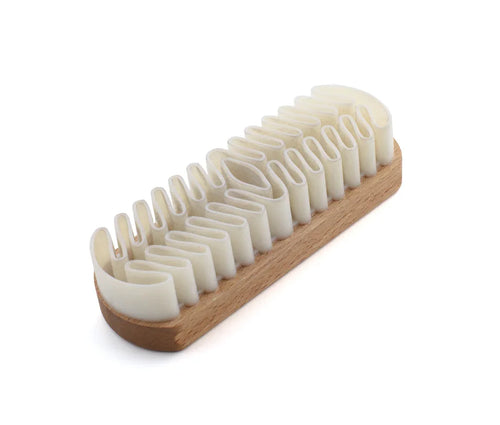
Maintenance of your Latin dance shoes starts with wearing them exclusively indoors. Use a suede brush to roughen the soles after each use, removing dirt and wax from the dance floor. Always let your shoes air out well after dancing, but avoid direct sunlight or heating sources, as the leather can dry out. By following these simple steps, your precious shoes will stay in top condition much longer for every dance night.
What should I look for when buying new Latin shoes?
When buying new Latin shoes, fit is the most important thing. The shoe should be tight around the foot without pressure points, as dance shoes made of leather or satin often stretch slightly. Additionally, pay attention to the quality of the sole and the stability of the heel. For Rueda de Casino, a sturdy closure around the ankle is essential to prevent you from accidentally slipping out of your shoe during dynamic group figures.
The beauty of Rueda de Casino is the unique energy that arises when an entire group moves in sync to the salsa beats. What I especially want to tell you is that in that dynamic circle, you don't want to fight with your shoes; the right balance between grip and turning ability makes the difference between a stiff movement and a fluid flow. Remember above all that stability is the foundation of your confidence on the dance floor, especially when the 'cantante' speeds up and the figures follow each other in rapid succession.
Good shoes are not a luxury, but an essential part of your dance pleasure. Whether you choose an elegant heel or a sportier model, make sure your equipment supports you in every quick turn. Therefore, take a look at our women's latin dance collection or discover the perfect match in the men's latin collection to give your feet the right foundation. Ultimately, Rueda is about the connection with the group and the pure joy of movement. With the right pair on your feet, you no longer have to think about your steps, but can fully let yourself be led by the rhythm of the music. Stand firm, dance free, and enjoy every moment in the rueda.


