Salsa Congress Outfit: The Ultimate Clothing Guide

Table of Contents

You stand before your suitcase and wonder if that new outfit will survive the three-hour workshop and the intensive social dance night. A good salsa congress outfit is a careful balance between style, technical freedom of movement, and breathability, where the right salsa shoes make the difference between effortless spinning or dropping out early with blisters. In the years that I have visited and taught at international congresses, I have seen countless dancers struggle with tight clothing or footwear that simply wasn't suitable for the marathon that a dance weekend inevitably is.

For latin dancing, functionality is your greatest asset. During the daytime workshops, I always advise my students to choose light stretch materials that wick away moisture, while the evening parties call for that extra visual flair. But don't underestimate the surface; the most beautiful dress or the sharpest suit loses its shine if your bachata shoes have no grip on the often slippery hotel floors. In this guide, I share my practical experience with fabrics that don't wrinkle in your suitcase and the essential details I personally look for before stepping onto the dance floor. Not a theoretical story, but honest advice directly from the dance world.

Combining Comfort and Style

During a multi-day salsa congress, you are often on the dance floor from early afternoon until deep into the night. What I often see with dancers going to a major event for the first time is that they focus entirely on the aesthetics of their outfit, but forget that they actually need to be able to perform under high pressure. A beautiful outfit is worthless if you have to sit on the sidelines with burning feet after three songs. In practice, the balance between comfort and style revolves around the right materials and, even more importantly, the right technical support under your feet.

The anatomy of the perfect dance shoe

A common mistake is underestimating the impact of the surface. Most congress locations have wooden floors or specially laid dance floors, but the friction can vary enormously per room. For the ladies, the choice of heel height is crucial for lasting an entire weekend. These women's latin dancing shoes are specifically designed with extra cushioning under the metatarsals (the heads of the metatarsal bones), which is essential because in salsa and bachata you constantly dance on your forefoot to react quickly to your partner's signals. For the gentlemen, I often see them choosing standard dress shoes or sneakers with a rubber sole. This is risky; rubber provides too much grip, giving your knees a huge blow with every spin. The right salsa shoes for men have a suede sole that offers exactly the right amount of 'slip'. This allows you to make smooth turns without overloading your joints, while still maintaining enough control during fast footwork sections (shines).

Clothing choice and range of motion

In addition to footwear, the fabric of your clothing determines how you get through the evening. In practice, I often see dancers choosing heavy fabrics or clothing that is too tight around the shoulders. When dancing salsa or bachata, you need a full range of motion in your arms. A handy test when trying on your outfit: reach your arms straight up and do a deep lunge. If the fabric pulls or restricts your movement, it's not suitable for the social dance floor.
  • Breathability: Choose fabrics such as lycra blends, thin cotton, or technical fabrics that wick away moisture. Avoid thick polyester that doesn't breathe, because the temperature in a crowded dance hall rises rapidly.
  • Stability: For ladies who spin a lot, an outfit that stays in place is a must. Test whether your skirt doesn't crawl up too far during a double spin and whether your top offers enough support during fast direction changes.
  • Accessories: Keep it minimalistic. Long necklaces or large earrings can get tangled in your partner's hands or hit your own face during a quick turn.
Combining comfort and style also means taking into account the transition from workshops to the social party. Many experienced dancers choose a more sporty look during the day with comfortable bachata shoes with a lower heel or even dance sneakers, to save their feet for the 'gala' night where more formal clothing and higher heels come out of the closet. By switching smartly and investing in quality materials, you ensure that you not only look great but also make it to the last dance of the night with a smile on your face.

The Right Salsa Shoes

Your feet are your most important instrument during a salsa congress. What I often see with dancers going to a big weekend for the first time is that they completely underestimate the impact of dancing 10 to 15 hours over three days. In practice, this means that the choice of your footwear makes the difference between still being on the dance floor full of energy on Sunday evening or sitting in the hotel bar with blisters and painful knees. A common mistake is wearing shoes with a rubber sole on a wooden dance floor. Rubber provides too much resistance, forcing your knee and ankle joints with every turn. For a congress, suede soles are the absolute standard. These soles offer just enough grip to maintain control during fast footwork sections, but also let you spin effortlessly without your joints taking the hit. These salsa shoes are specifically designed with this balance in mind, which is essential when fatigue sets in after a few hours.

Stability and heel height for ladies

For the ladies, the temptation is great to choose the highest, most elegant heel. However, what I often see during the social hours at three in the morning is that dancers on heels that are too high lose their technique because their ankles are simply exhausted. If you look at the anatomy of the foot during dancing, you see that a heel that is too thin or too high forces your center of gravity too far forward, which causes back problems. In practice, I recommend choosing a 'flare' heel instead of a stiletto. A flare heel is slightly wider at the bottom, which provides significantly more stability during spins and cross-body leads. These shoes for latin dancing offer the necessary support in the foot height, making you less likely to suffer from cramps in your arch.
  • Heel height: Choose a lower heel (5-7 cm) for daytime workshops and save your show heels for the evening parties.
  • Flexibility: The sole must be flexible enough to fully 'point' your foot, which is crucial for proper styling.
  • Fit: Salsa shoes should fit like a second skin; every millimeter of space between your foot and the shoe can lead to friction and blisters.

Men: Support and weight distribution

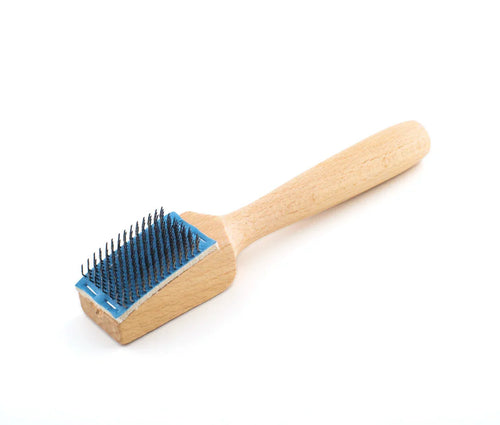
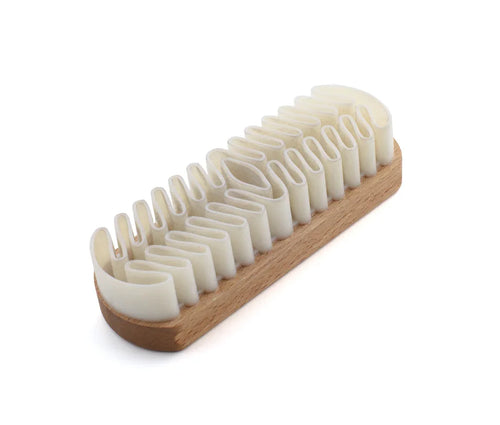
With the gentlemen, I often see them thinking that their regular dress shoes or sneakers will suffice. A common mistake is dancing in shoes with a sole that is too thick, causing you to lose contact with the floor. Good salsa shoes for men usually have a suede sole and a small elevation in the heel (often 2.5 to 4 cm). This raised heel helps to place your weight more actively on the ball of your foot, which increases your reaction speed during fast partnerwork combinations. For those who also dance a lot of bachata at a congress: although the technique differs, the requirements for your footwear remain largely the same. Specific bachata shoes often have a slightly more flexible split-sole, which is useful for the rolling foot movements and isolations that are so characteristic of modern bachata. Whether you choose a classic leather look or a more sporty dance sneaker, make sure the shoe fits your heel firmly to prevent sprains during fast turns. Finally, don't forget to bring a suede brush in your dance bag. At congresses, floors often become slippery due to dust or sticky due to spilled drinks; roughening your soles between workshops can completely change your dance experience that day.

Outfits for Latin Dancing

What I often see on the dance floor of major congresses is that dancers underestimate the physical strain of a three-day event. You're not just dancing for an hour; you're sometimes on your feet for ten hours a day, divided between workshops and the social parties at night. When choosing outfits for latin dancing, the balance between aesthetics and technical functionality is therefore essential. A common mistake is wearing clothing that looks beautiful in the mirror, but restricts your movement as soon as you start a complex turn pattern.

Functionality for the Follower

In practice, I often see ladies choosing skirts or dresses that fly up too far during a fast spin. This can be uncomfortable and take you out of your concentration. I always advise working with layers or choosing clothing with built-in shorts. Also pay attention to the neckline; in latin dancing there is a lot of physical contact and you don't want your partner to get their fingers or watch caught behind loose decorations.

The most important investment, however, remains your footwear. For the ladies, ankle stability is crucial, especially during the fast footwork sections of a quick mambo or the sensual movements in bachata. These salsa shoes are perfect for dancers who need both support and flexibility to take their technique to the next level without getting injured. A good shoe helps you to distribute your weight correctly over the ball of your foot, which is essential for your balance during spins.

Comfort and Hygiene for the Leader

For the gentlemen, the biggest challenge is often heat management. A common mistake I see with beginners is wearing a thick cotton shirt. After three songs, it's completely soaked, which is unpleasant not only for yourself but also for your dance partner. In practice, experienced leaders bring at least three to four extra shirts for an evening of social dancing.

  • Choose breathable fabrics such as dry-fit materials or thin linen blends that dry quickly.
  • Make sure your trousers have enough stretch in the crotch and thighs for deep lunges or fast shine sections.
  • Avoid large watches or bracelets that can hurt the follower's wrist during a 'hand flick'.

The sole of your shoe is also a technical aspect you shouldn't skimp on. Regular sneakers often have too much grip, which is disastrous for your knee joints when turning. These salsa shoes are specifically designed with a suede or smooth sole, allowing you to pivot effortlessly on the dance floor. Whether you are looking for specific salsa or bachata shoes, make sure the fit is snug; every millimeter of play in your shoe translates to instability while leading.

The Impact of Material on Connection

In the latin scene, everything revolves around the connection between partners. Fabrics that are extremely slippery, such as certain types of satin, can make it harder for a leader to keep a grip on the follower's back during a 'closed position'. On the other hand, fabrics that are too rough can chafe during a whole night of dancing. What I often recommend is testing how the fabric reacts to movement: does it block your shoulder blades when you lift your arms? If the answer is yes, leave it in the closet for another party. A good latin outfit should feel like a second skin, so you can focus entirely on the music and your partner.

Specific Bachata Shoes Tips

What I often see at large congresses is that dancers simply use their Salsa shoes for Bachata as well without thinking about the specific biomechanics of this dance. Although both dances fall under the Latin umbrella, the foot technique in Bachata is significantly different. Where you spin a lot in Salsa and stay on the ball of your foot, Bachata – and especially the Sensual variant – requires a much greater degree of grounding and weight transfer through the entire foot. In practice, I notice that a common mistake is the choice of a sole that is too stiff. In Bachata, you make many 'waves' and isolations where your knees and ankles are constantly changing angles. If your shoe doesn't move with you, you block the energy flow from the floor to your hips. These latin dancing shoes, for example, are specifically selected for their flexible footbed, which is essential to make those fluid hip movements (the typical Bachata 'pop' on the fourth beat) look natural.

Sensual vs. Dominican: What your feet need

Depending on your preference within Bachata, your shoe choice should vary. At a congress, you often dance both styles, but you will notice that your feet react differently:
  • Bachata Sensual: This is all about stability during dips and body rolls. For ladies, I often recommend a heel that is placed slightly more towards the center of the heel. This gives more support to the metatarsals when your partner leads you into a lean or cambré.
  • Dominican Bachata: This style is lightning fast with complex footwork. A heavy shoe is of no use here. For the men, a lightweight model is crucial. These latin dancing shoes for men offer that necessary freedom for fast syncopations and footwork without your ankles getting tired after just an hour.

The right sole for the congress floor

A technical detail that is often overlooked is the friction of the sole. At a congress, you often dance on temporary wooden floors that are either mirror-smooth or sticky due to the humidity in a full room. For Bachata, you want to have slightly more 'grip' than for Salsa, because your feet are more often flat on the ground for deep isolations. I always advise choosing a suede sole, but bring a shoe brush to the congress. If the floor becomes slippery due to dust, brush the sole to regain grip. However, if you do many outdoor events or dance on concrete during a pre-party, sneakers with a split-sole are a better alternative to save your joints. Something else I often tell my students: pay attention to the width of the toe. In Bachata, you use many 'taps'. If your shoes are too tight at the toes, you will notice after three hours of dancing that every tap starts to hurt. Make sure your toes have room to spread; this not only improves your balance but also prevents the typical blue nails we unfortunately see too often after an intensive weekend. When in doubt, always choose a material that molds to your foot, such as quality leather or satin with a soft lining.

Accessories and Practical Items

During a salsa congress, you are often on your feet for more than twelve hours a day. What I often see is that dancers focus entirely on their main outfit, but forget the small, practical details that determine whether you make it through the night without blisters or overheating. In practice, your bag of accessories is at least as important as the clothes you wear. The difference between a successful weekend and having to stop early usually lies in the preparation of your gear.

The essence of good footwear

A common mistake is underestimating the surface in different hotel rooms. Some floors are smooth parquet, while other temporary dance floors can feel sticky. For ladies, heel stability is crucial during fast spins and complex footwork patterns. These salsa shoes are perfect for long hours on the dance floor because they provide the right support to the arch and relieve the metatarsals. When purchasing, pay attention to the placement of the heel; it should be directly under the heel for maximum balance.

For the gentlemen, the sole of the shoe is the most important factor. You want enough grip for your basic step, but enough 'slide' to be able to turn without resistance. In practice, I often see men dancing in regular sneakers, which in the long run is disastrous for the knees due to the sticky rubber soles. Professional salsa shoes with a suede sole prevent your joints from having to absorb the shock of a turn, keeping you fit even on the third day of the congress.

Indispensable items in your dance bag

In addition to your shoes, there are a number of items I standardly have in my bag. A congress is a physical war of attrition and the temperature in the rooms rises quickly. Use the following checklist to put together your survival kit:

  • The shoe brush: Indispensable for shoes with suede soles. Dust on the floor makes your soles slippery and they lose their grip. Brush them regularly (always from heel to toe) to keep the texture rough.
  • Hand fans: This is not a luxury, but a necessity. Especially during the social dance evenings after the workshops, the humidity is high. A good fan helps you to cool down quickly between dances.
  • Extra shirts or dresses: What I often see with gentlemen is that they are completely soaked after two hours of social dancing. Bring at least two or three extra shirts per evening. For the ladies: if you wear an outfit that is very tight or made of synthetic material, bring a spare option in case a seam comes loose during an intense turn pattern.
  • Blister plasters and talcum powder: Even the best bachata shoes can start to irritate after ten hours of dancing due to friction and sweat. Preventively apply some talcum powder to areas where you feel friction.
  • Microfiber towel: A small, discrete towel to dab sweat from your face and hands between songs is much appreciated by your dance partners.

Technical details and maintenance

A technical detail that is often overlooked is the heel protectors for ladies. Many congress locations even mandate these to protect the floor, but they also serve another purpose: they increase the surface area of your heel, providing more stability during your spins. In practice, you notice that you are less likely to twist a tired ankle if you use heel protectors.

Also, don't forget that your shoes need to air out after a day full of workshops. Don't put them directly into a sealed plastic bag, but use a breathable fabric shoe bag. This prevents the suede and leather from smelling and significantly extends the life of your investment. By choosing quality materials wisely and bringing the right accessories, you focus entirely on the music and the connection with your partner, instead of on discomfort in your feet.

Dress Codes and Theme Parties

If you're going to a multi-day salsa congress for the first time, the wardrobe can be a significant source of stress. What I often see is that dancers arrive with suitcases full of glitter and glamour, but completely forget that a congress is actually an athletic marathon. In practice, you are often on your feet from two in the afternoon until six in the morning, divided between workshops and the social evening parties. An outfit must therefore not only impress under the disco lights but also be technically correct for the movements you make.

The theme nights are the backbone of every congress. Whether it's a classic 'White Party', a 'Gatsby Night', or a 'Tropical' theme, the dress code sets the atmosphere. A common mistake I see at theme nights is that dancers choose costumes that restrict movement. Think of jackets that are too tight for the men, blocking the shoulder blades during a cross body lead, or ladies choosing dresses with long fringes that get caught in the partner's buttons during a fast spin. When choosing your outfit for the gala night, it is essential to pay attention to the fabric: choose breathable materials with stretch.

The balance between style and technique

When putting together your look for Saturday night – usually the 'Gala Night' – shoe choice is the most important of all. The floors at congresses vary from smooth parquet to sticky laminate in hotel rooms. These salsa shoes are perfect for such varying conditions because they offer the necessary flexibility in the sole to roll your feet properly during a mambo step. For the followers, a heel with good central placement under the heel is crucial to maintain balance during multiple turns, where the pressure on the ball of the foot increases enormously.

A similar rule applies to the gentlemen. Although sneakers are becoming more popular in the scene, I see that many advanced dancers still fall back on a classic model with a suede sole for the parties. These salsa shoes are perfect for men who want to save their knees; the suede sole provides just enough resistance not to slip, but lets you pivot without friction. This is technically of great importance to prevent meniscus injuries, especially when the tempo of the music exceeds 200 BPM.

Practical tips for theme nights

Over the years, I've learned that good preparation makes the difference between dancing all night or sitting on the sidelines with blisters after two hours. Here are a few concrete things to look out for when planning your theme outfits:

  • Test your range: Put on your outfit at home and do some shines and turns. If you notice your trousers are too tight in the groin or your top crawls up when lifting your arms, leave it at home.
  • Accessories: Avoid large watches, loose-hanging necklaces, or bracelets. I have seen more than once a follower get caught in a leader's watch strap, which can lead to painful jerks on the arms.
  • Shoe change: Always bring a spare pair. If the floor becomes more slippery during the night due to sweat and dust, a pair of specific bachata shoes with a lower heel or a different sole structure can save your night.
  • Sweat management: Especially for leaders, an extra shirt is no luxury. After three hours of intensive salsa, a fresh shirt is not only nice for yourself but certainly also for your dance partners.

Remember that the culture at a congress is about connection and expression. Your clothing is an extension of your dance style. Whether you choose an understated black look or an elaborate theme costume, ensure that the technique of your movement always takes precedence over the aesthetics of the clothing. After all, a dancer who feels comfortable in their clothes radiates much more confidence on the floor.

Frequently Asked Questions

What should I wear to a salsa congress?

For a salsa congress, choose clothing that is both stylish and functional. During the workshops during the day, comfortable sportswear or casual outfits in which you can move freely will suffice. For the evening parties, dancers often go all out with elegant dresses or neat trousers. Always ensure breathable fabrics, as latin dancing is intensive and you will sweat quickly during the social dance evenings.

Are special salsa shoes really necessary for a congress?

Yes, special salsa shoes are essential for an optimal dance experience. These shoes have a suede or leather sole that provides exactly enough grip and smoothness for spinning movements on the dance floor. This prevents knee injuries and ensures better balance. Moreover, they offer the necessary flexibility in the arch, which is crucial for the fast footwork techniques you encounter during a salsa congress.

What is the difference between salsa shoes and bachata shoes?

Although they look very similar, bachata shoes are often slightly more flexible to support the wavy body movements and footwork. Salsa shoes sometimes offer more stability for fast spins. For both styles of latin dancing, however, shoes with a suede sole are the standard. Many dancers use the same pair for both dances, as long as the fit is snug and the sole allows for smooth turns.

Which heel height is best for latin dancing at a congress?

The ideal heel height for latin dancing varies by level and comfort. Beginners often choose a lower, stable heel of 5 centimeters. Advanced dancers regularly wear heels of 7 to 9 centimeters for an elegant line. Because congresses mean many hours of dancing, it is wise to choose a height that you can sustain for a long time without pain, or alternate different heights throughout the day.

Can I wear sneakers while salsa dancing at a congress?

You can wear sneakers, provided they are special dance sneakers with a smooth sole. Normal street sneakers often have too much grip, which can be dangerous for your joints when turning. Dance sneakers offer excellent cushioning and support, which is ideal for the intensive workshops during the day. For the gala parties in the evening, however, most dancers prefer traditional, more elegant latin shoes for a complete look.

What do men usually wear to a salsa congress?

During workshops, men usually wear comfortable jeans or chinos with a breathable T-shirt or polo. For the evening parties, nice trousers and a stylish shirt are the standard. Because men sweat a lot during latin dancing, it is a golden rule to bring several extra shirts to the dance floor. This way you stay fresh and comfortable all night for yourself and your dance partners.

How many different outfits do I need for a full weekend?

For a three-day salsa congress, you need at least six outfits: three casual sets for the workshops during the day and three festive outfits for the evening parties. Don't forget to bring extra spare clothes and plenty of clean underwear, as you will probably shower and change several times a day. Also always bring an extra pair of dance shoes in case your feet get tired from a specific model.

The beauty of a salsa congress is that you can fully show yourself, both in your moves and in your outfit. What I especially want to tell you is that the perfect look starts with the right foundation: your feet. Whether you choose shiny sequins or a sleek, minimalistic style, ensure your clothing moves with you and doesn't work against you. Remember above all that your confidence on the dance floor stands or falls with comfort; nothing breaks your flow faster than pinching shoes while the infectious bachata beats echo through the room. As you pack your suitcase for your next event, this is the ideal time to choose quality that lasts a whole weekend. Check out our women's latin dancing collection for shoes that combine elegance with the necessary grip, or discover the perfect fit in the men's latin collection for those long nights of social dancing. Ultimately, it's about you feeling like the best version of yourself as soon as the music starts. When your outfit is right and your shoes support you in every spin, the dance floor is truly yours. Shine, enjoy every connection, and let your passion for the dance speak.

Back to blog
💃

Ready to shine on the dance floor?

Discover our collection salsa shoes - by dancers, for dancers.

✓ 30 Day Returns ✓ Free Shipping €85+ ✓ 6 Month Factory Warranty

📚 More about latin & salsa

💬 Questions? Message Vanessa on WhatsApp!