

Table of Contents
- Importance of Good Grip
- Salsa Shoes vs Sneakers
- Soles for Latin Dancing
- Grip for Bachata Shoes
- Maintenance of Your Dance Shoes
- Choosing the Right Fit
- Frequently Asked Questions
Spinning in salsa seems simple until you notice that after a few fast spins you are out of balance or, even worse, you start to feel your knees. Good salsa shoes with the right grip are the most important investment for Latin dancing, because they provide the necessary balance between controlled sliding and staying stable on the dance floor. In my years as an instructor, I have seen countless...
Importance of Good Grip
In practice, I often see dancers struggling with their balance, not because their technique is lacking, but because their footwear simply isn't cooperating with the floor. In salsa and Latin dancing, everything revolves around the delicate interaction between the sole and the dance floor. Good grip is a constant balancing act: you need enough resistance not to slip unexpectedly during a powerful cross body lead, but at the same time, the sole must be smooth enough to spin without friction. When this balance is missing, you notice it immediately in your confidence on the floor.
What I often see with beginners is that they go onto the floor in regular sneakers. This is a common mistake that almost always leads to problems. Rubber soles actually have too much grip on a wooden dance floor. This causes your foot to lock while your upper body continues to rotate, which creates enormous torsion on your knee joint. Specific salsa shoes are therefore not a luxury, but a necessity for your physical health. The suede or leather soles under these shoes are designed to provide that controlled slip needed for fluid movements without straining your joints.
Preventing injuries and joint strain
An aspect that is often underestimated is the impact of incorrect grip on the anatomy of the foot and ankle. During an intensive bachata set, you make many fast weight shifts. If your shoes are too slippery, the small stabilizing muscles around your ankles and shins have to work overtime to prevent you from slipping. This not only leads to rapid fatigue but can also result in injuries such as shin splints or strained ankle ligaments.
In practice, I see that quality salsa shoes for men provide a stable base through a sole that has just enough 'bite'. This allows you to keep your weight centered over the ball of your foot. When your shoe provides the right grip, you can push off with more power for a movement, knowing that your foot will stop exactly where you want it to. This gives a sense of control that is essential for leading your partner.
Control during complex turns and spins
When performing a double spin or a fast 'enchufla', the point of contact with the floor is almost exclusively the ball of the foot. This is where the importance of the right grip really becomes clear. If the floor is too rough, you 'bite' into the floor and lose your axis, which often results in a stumble. If the floor is too slippery, your feet fly out from under you as soon as you pick up speed.
Good Latin dancing shoes help you perform your 'spotting' technique better. Because the sole reacts predictably to the floor, you can concentrate fully on your frame and your connection with your partner, instead of constantly worrying about your own stability. Here are some practical tips to keep your grip optimal:
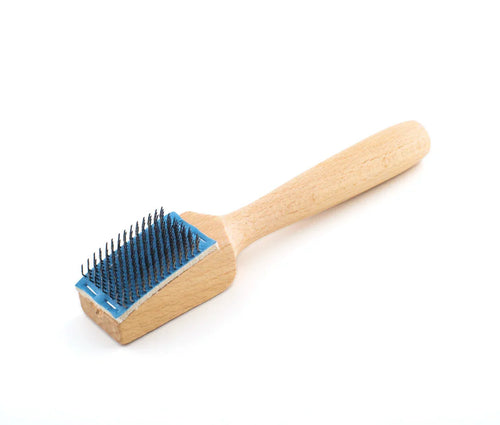
- Regularly use a steel sole brush to roughen the suede of your shoes; this removes accumulated dirt and wax from the floor.
- Pay attention to the humidity in the room; a damp floor can make suede soles sticky, while a dry floor makes them even more slippery.
- Check the condition of your heel protectors; a worn heel can cause unexpected slips because the plastic or metal then makes direct contact with the floor.
- In practice, a drop of castor oil on the sole sometimes works wonders if the floor is extremely slippery, but be very careful with this.
Choosing the right sole is therefore not just a matter of style, but above all of technique and safety. Whether you choose suede for maximum control on a professional dance floor, or a hybrid sole for parties on location, the grip determines how freely you can move. A dancer who trusts their equipment dances with more expression and less fear of mistakes.
Salsa Shoes vs Sneakers
I see it happening weekly in the dance school: enthusiastic beginners stepping onto the dance floor in their trusted sneakers. Logical, because sneakers are comfortable and you already have them in the closet. But in practice, you notice after just a few lessons that you run into limitations. The biggest difference between a regular sneaker and professional salsa shoes lies in the interaction with the floor. Where a sneaker is made to provide grip on asphalt or in the gym, a dance shoe is designed to slide in a controlled manner.
The danger of too much grip
A common mistake is the thought that more grip is always better. In sports like running that is true, but in dancing salsa or bachata, too much grip is actually dangerous. Sneakers often have a rubber sole with a coarse profile. When you start a turn (a pivot), the rubber sticks to the wooden floor while your body continues to rotate. What I often see is that the torsion that should actually take place in the foot is now completely absorbed by the knee. In the long term, this is a guarantee for meniscus problems and other knee injuries. Good salsa shoes have a sole of suede or smooth leather, allowing you to spin without resistance while still maintaining contact with the floor.
Balance and anatomy on the floor
In addition to the sole, the construction of the shoe plays a crucial role in your technique. Sneakers are often thickly padded and have a wide sole that makes your foot 'lazy'. In Latin dancing, such as when wearing specific bachata shoes, you must constantly be able to shift your weight to the ball of your foot. A dance shoe is cut much slimmer and has a flexible arch, allowing you to fully stretch and articulate your foot.
In practice, I see that dancers in sneakers often dance 'flat-footed'. They lose the connection with the floor because they don't feel the nuances of the surface through the thick sole. With men, I often see that the heel of a sneaker is too bulky, making fast footwork combinations (shines) feel heavy and slow. Specially designed salsa shoes for men have a slight elevation in the heel that automatically brings your weight slightly more forward, exactly where it needs to be for a good Latin posture.
The main differences at a glance
- The Sole: Sneakers have rubber (lots of grip), dance shoes have suede or smooth leather (controlled sliding).
- Flexibility: The sole of a dance shoe is flexible at the instep, while sneakers often have a stiff sole that hinders foot roll.
- Weight: Dance shoes are extremely lightweight, which prevents leg fatigue during a long social dance evening.
- Stability: A dance shoe fits closely around the heel and instep, so your foot doesn't slide inside the shoe during fast turns.
What I always tell my students: you don't have to buy the most expensive shoes right away, but don't skimp on your joints. If you want to learn to turn seriously without straining your knees, the switch from sneakers to real Latin shoes is the most important investment you can make. You will notice that your technique jumps forward as soon as you have shoes that work with you instead of against you.
Soles for Latin Dancing
The sole of your shoe is literally the only point of contact between you and the dance floor. In practice, I often see that dancers underestimate the importance of this. They focus on the appearance of the shoe, while the sole determines whether you go home at the end of the evening with knee pain or with a smile. In Latin dancing, such as salsa and bachata, everything revolves around the 'pivot' – turning on the ball of your foot. If your sole has too much grip, like a standard sports shoe, your foot locks while your knee and hip want to continue rotating. This is a common mistake that leads to injuries sooner or later.
What I often see is that beginners start on sneakers with rubber soles. Although that feels safe because you don't slip, it hinders your technique. A good sole for Latin dancing must give you the control to stop when you want, but also the freedom to spin effortlessly. These salsa shoes for women are specifically designed with a suede (chrome leather) sole that offers exactly that balance. Suede is the standard in the dance world because it adapts to the floor; through the fibers of the leather you have grip under pressure, but you slide as soon as you shift your weight.
Suede versus Rubber on the Dance Floor
In practice, the choice of your sole also depends on the location where you dance. Most professional dance schools have a wooden floor or a special dance floor (marley). On these, suede is unbeatable. However, if you dance a lot at congresses or at locations with a stone floor, suede wears out faster. For men who often make powerful footwork combinations, the right resistance is essential. These salsa shoes for men are constructed so that the sole offers sufficient flexibility under the arch of the foot, while the ball of the foot has the right thickness for maximum control during fast shines.
Another aspect I often explain to my students is maintenance. A suede sole becomes slippery over time because dirt and wax from the floor are pressed into the leather. You then lose the necessary grip. Always use a steel sole brush for this to 'roughen up' the hairs of the suede again. Do this regularly, because dancing on a 'mirrored' sole is life-threatening for your ankles.
Practical tips for the right grip
If you are unsure about the grip of your bachata shoes, pay attention to the following points during fitting and dancing:
- Test the 'pivot': Put your weight on the ball of your foot and try to turn a quarter turn. Do you feel friction in your knee? Then the sole is too rough.
- Check the thickness: A sole that is too thin causes you to feel every stone or unevenness, which becomes painful during a long social dance evening.
- The heel: In Latin dancing, your weight is more often forward, but the heel must be stable when coming down and not slip away.
- Floor type: Do you dance outside on the street or on a rough concrete floor? Then choose a dance shoe with a thin rubber sole instead of suede to protect your shoes.
What I often see with advanced dancers is that they bring two pairs of shoes: one pair with a very smooth sole for 'slow' floors and a pair with more grip for slippery, freshly polished floors. In practice, however, a suede sole is the most versatile choice for 90% of dance situations. It gives you the anatomical freedom to articulate your feet correctly, something that is indispensable during the fast footwork sections of a salsa song. Make sure you invest in quality; your joints will thank you.
Grip for Bachata Shoes
Although Bachata is often seen as 'calmer' than Salsa, the right grip on the floor is perhaps even more critical. What I often see on the dance floor is that dancers struggle with the balance between the 'tap' on the fourth beat and the fluid, sometimes syrupy movements of Bachata Sensual. If you wear Latin dancing shoes with a sole that is too rough, I notice that students overstrain their knees during hip movements. A good bachata shoe must allow you to ground yourself without being glued to the wooden floor.
In practice, the required grip strongly depends on the style you dance. In traditional Dominican Bachata, where the footwork is lightning fast, you need a sole that gives direct feedback. In Bachata Sensual, however, everything revolves around weight transfer and body rolls. A common mistake is wearing shoes with a rubber sole that 'bites' into the floor. This blocks the natural rotation of your ankle and knee, which causes injuries in the long term. Specific bachata shoes with a suede sole are the standard here, because they offer that crucial balance between controlled sliding and stable standing.
The anatomy of the Bachata step
When you take a basic step, you land first on the ball of your foot. In practice, I often see that men underestimate how much grip they need for the leading role. A common mistake with men is wearing regular sneakers with a tread. The Latin dancing shoes for men usually have a flatter suede sole that offers just enough resistance for those controlled sideways steps. Without that specific grip, you slip away during a 'shadow position', which immediately breaks the physical connection with your partner.
Here are a few points I look at when advising students about their grip:
- Sole thickness: For Bachata, you want a slightly more flexible sole than for Salsa, so you can fully roll your foot for that characteristic hip action.
- The state of the floor: A slippery club floor requires a less brushed sole than a rough dance studio.
- Heel stability: For women, a lower flare heel is often more pleasant for grip, because the center of gravity is distributed more over the entire foot during the undulating movements.
Maintenance for constant grip
A tip I always give in my lessons: your grip is not static. It changes as the evening progresses and the floor gets dirtier from dust and drink residue. What I often see is that dancers have perfect control at the beginning of a social dance evening, but after an hour they start to slip. This is because the hairs of the suede sole are flattened and filled with dirt.
Therefore, always use a steel shoe brush. By regularly roughening the sole of your salsa shoes or bachata shoes, you restore the natural grip of the suede. Anatomically speaking, this ensures that your muscles don't have to work as hard to maintain your balance, so you get tired less quickly in your calves and ankles. In practice, this means that you start that complex turn or 'head roll' with more confidence, knowing that your standing leg remains firmly anchored without locking up.
Maintenance of Your Dance Shoes
In practice, I often see that dancers spend hundreds of euros on the perfect shoe, only to then completely neglect the maintenance. That is a shame, because the lifespan and especially the safety of your shoe are directly related to how you care for them. A salsa shoe is not a regular sneaker; the materials are specifically chosen for flexibility and controlled friction on the dance floor. When you invest in quality salsa shoes, it is essential to keep the suede sole in top condition so that you don't slip during a double turn.
The suede sole: Restoring and maintaining grip
The sole of a Latin or bachata shoe is almost always made of suede. This material offers the ideal balance between sliding and grip. What I often see is that these soles 'clog up' after a few evenings of dancing. The suede absorbs dust, floor grease, and minuscule wax particles from the dance floor, making the sole slippery and hard. You lose contact with the floor, which can be life-threatening during fast cross body leads.
A common mistake is trying to clean the sole with water or a damp cloth. Never do this, because water makes the suede hard and unusable. Instead, use a special steel dance shoe brush.
- Always brush from the heel towards the toe (with the grain or across it to lift the hairs).
- Do not apply too much force; you want to remove the dirt and 'open' the fibers, not scrape away the suede.
- Preferably do this before every dance lesson or social party. You will notice that you immediately have more control over your ball-heel landing.
Ventilation and odor control
During an intensive bachata session, your feet sweat enormously. In practice, I see that dancers put their shoes directly into a plastic bag after dancing and leave them there until the next lesson. This is the fastest way to ruin the leather or satin of your men's Latin shoes. The moisture seeps into the lining and affects the glue joints, causing the shoe to stretch out faster and lose its shape.
Take your shoes out of your bag immediately after dancing. Let them air dry, but never near a heater, because that dries out the leather and causes it to crack. For men, I often recommend cedar wood shoe trees. These not only absorb the moisture but also ensure that the toe of the shoe doesn't curl up as it gets older.
Protecting the heel and exterior
For women, the heel is the most vulnerable part. During dancing, an enormous amount of pressure is placed on the small surface of the heel tip. A common mistake is continuing to walk on a worn heel where the metal becomes visible. This not only damages the dance floor (which is not appreciated by the owner of the dance school) but also causes instability in your ankles.
- Always use heel protectors. These plastic caps protect the heel against wear and give you that little bit of extra surface for more balance.
- Satin shoes can be carefully cleaned with a slightly damp cloth and a very small amount of mild soap, but never rub too hard so as not to lose the shine.
- Regularly check the buckles and the elasticity of the straps. With salsa shoes, a firm fit around the instep is crucial to prevent injuries.
By taking five minutes a week for this basic maintenance, you ensure that your bachata shoes not only last longer but that you also stand on the floor with much more confidence. You feel the floor better, you turn more controlled, and you prevent unnecessary injuries to your knees and ankles.
Choosing the Right Fit
A common mistake I see time and again on the dance floor is that dancers buy their shoes in the same size as their daily sneakers. In practice, this simply doesn't work. For salsa shoes, a completely different standard applies: they must feel like a second skin. If there is even a little bit of space between your foot and the footbed, you immediately lose control over your balance during fast spins or complex footwork patterns. What I often see with beginners is that they are afraid of a tight shoe, but remember that a loose shoe is the greatest enemy of your ankles.
When you choose shoes for Latin dancing, the shoe must fully support the arch of your foot (the instep). There should be no 'gap' visible between the sole of the shoe and your own foot arch. This is essential because in salsa and bachata you are constantly shifting your weight to the ball of your foot. If the fit is not snug here, your foot will slide, which not only causes blisters but also ruins your timing because you lose fractions of a second with every step.
The "Toe Rule" and Material Choice
In practice, I often see with women that the toes protrude over the edge of the sole or are much too far back. The ideal fit for open shoes is when your toes come exactly to the edge of the sole, without hanging over it. For men, it is important that the heel counter fits firmly. A common mistake is a shoe that slips at the heel while performing a basic step or a cross body lead. This causes instability in the entire kinetic chain, from your ankle to your knee.
Keep the material in mind when fitting as well:
- Satin: This material hardly stretches. What you buy is what you keep, so the fit must be perfect immediately.
- Leather: Leather molds to your foot and will become slightly wider after a few hours of intensive dancing. Therefore, always buy leather shoes on the tight side.
- Suede soles: The fit must be such that your foot remains directly above the sole, so you can make optimal use of the grip the suede sole provides during turning.
Stability during Turning
When choosing the right fit for bachata shoes or salsa heels, the position of the heel is crucial for your safety. The heel must be placed exactly under the center of your own heel bone. If the heel is too far back, you are constantly pushed onto your heels, which throws your balance backwards. If the heel is too far forward, it feels like you are falling forward. A well-fitting shoe ensures that your center of gravity remains on the ball of the foot, exactly where you need it for those controlled spins.
What I often advise my students is to put the shoes on at home for fifteen minutes on a clean floor first. Don't just walk, but make a few quick turns and check if your foot stays in the shoe or if you tilt 'over the sole'. If your foot rolls away to the side, the shoe is too wide or the support is not firm enough. For a safe dancing experience, a tight fit at the instep and ankle is more important than the color or decorations on the shoe.
Frequently Asked Questions
Why do I need special salsa shoes?
Special salsa shoes are essential because they have a suede or leather sole that offers the perfect balance between grip and glide. Unlike normal sneakers, these shoes prevent annoying knee injuries during turning. The flexible sole supports your arch during Latin dancing, giving you more control over your footwork and balance during fast bachata or salsa steps on the dance floor.
Which sole is best for salsa shoes?
For most indoor floors, a suede sole is the best choice for salsa shoes. Suede offers just enough resistance not to slip, but lets you turn smoothly without straining your joints. Do you often dance outside or on rough surfaces? Then choose a rubber sole with specific spin points, so you can continue to dance safely without immediately damaging your shoes.
How tight should salsa shoes be?
Salsa shoes should fit your foot like a second skin for optimal control. It is important that there is no space between your foot and the shoe, because leather and suede often stretch slightly during Latin dancing. A tight fit ensures maximum stability and prevents you from sliding, which is essential for technical movements and preventing blisters.
Can I dance salsa in regular sneakers?
Although it is possible, experts advise against dancing salsa in regular sneakers. The rubber soles of sports shoes often have too much grip, causing your feet to 'stick' to the floor during turns. This can lead to serious ankle and knee injuries. Special salsa shoes or bachata shoes are specifically designed to absorb these rotational forces safely, which is crucial for every dancer.
What is the ideal heel height for Latin dancing?
For beginners in Latin dancing, a heel height of 5 to 7 centimeters is usually recommended. A lower, wider heel offers more stability while learning the basic steps. Advanced dancers often choose higher heels for a more elegant line. The most important thing is that your center of gravity remains correctly above the ball of your foot, so you maintain balance and grip during fast, technical turns.
How do I maintain the grip of my salsa shoes?
To maintain the grip of your suede soles, you must regularly brush them with a special steel dance shoe brush. Through dancing, dust and dirt accumulate, making the sole slippery and hard. By roughening the hairs of the suede again with the brush, you restore the necessary friction. This maintenance is crucial to be able to continue turning safely on wooden floors.
Are bachata shoes different from salsa shoes?
In general, bachata shoes and salsa shoes are identical; both fall under the category of Latin dancing. They share characteristics such as flexible soles and suede bottoms for optimal turning ability. However, some bachata dancers prefer slightly lower heels or even special dance sneakers for a more 'grounded' feel during sensual movements. For both styles, a good balance between grip and mobility remains the most important factor.
The beauty of the right salsa shoes is the immediate boost in confidence you feel as soon as you step onto the dance floor. What I especially want to tell you is that the right grip is not just about safety, but above all about the freedom to perform those fast spins and complex figures with full dedication. Remember above all that your joints will thank you for the stability of a sole specifically developed for Latin dancing. Whether you seek the passion of bachata or the speed of salsa, the right foundation makes the difference between hesitating and shining on the floor. Give yourself that extra control and discover the perfect match in our women's Latin dancing collection or check out the technical precision in the men's Latin collection. Ultimately, dancing is about completely immersing yourself in the music; with the right grip under your feet, you never have to hold back again. The dance floor is yours, claim it with every powerful step you take.


