

Table of Contents
- Importance of Good Dance Shoes
- Choosing the Right Sole
- Optimal Fit and Comfort
- Style for Latin Dancing
- Maintenance of Salsa Shoes
- Tips for Buying Shoes
- Frequently Asked Questions
You probably recognize it: you try to start a smooth double turn, but your sneakers have so much grip that your knee makes a nasty crack. The best salsa shoes for men are specifically designed with a suede or smooth leather sole to provide the perfect balance between grip and glide, which is essential for Latin dancing without injuries. In my classes, I see men every week who think their trusted sports shoes also work fine on the dance floor. Believe me, I made that mistake myself when I started with bachata twenty years ago. After an hour of intensive footwork, you notice the difference immediately: high-quality bachata shoes relieve your joints and give you that necessary confidence during a busy social.
Whether you're just starting with your first basic steps or have been the star of the dance school for years, the right support is crucial for your technique. A good dance shoe should fit firmly around the instep but give your toes the space to 'feel' the floor with every step. I often notice that students progress faster as soon as they switch to professional footwear. In this article, I share my personal insights on what you should really look for when purchasing, from the flexibility of the sole to the durability of the material, so that you keep dancing injury-free and stylishly.
Importance of Good Dance Shoes
When you're just starting with salsa or bachata, the temptation is great to just pull your daily sneakers out of the closet. What I often see on the dance floor is that men quickly run into physical limits because of this. An ordinary sports shoe is designed for grip and forward movement, but in salsa, everything revolves around turning, lateral movements, and keeping the weight on the ball of the foot. Investing in quality salsa shoes is therefore not an unnecessary luxury, but a necessity for anyone who wants to work seriously on their technique.
A common mistake is the thought that a smooth sole is only intended to be able to turn 'faster'. In practice, however, it is about controlled resistance. If you try to start a double turn with rubber soles, your feet stick to the floor while your knees and hips do make the rotation. This is the shortest path to annoying injuries. Good dance shoes for men usually have a suede or leather sole, giving you just enough grip not to slip, but allowing you to pivot effortlessly without straining your joints.
Technique and floor feeling
In practice, you notice the difference immediately when performing a 'cross body lead' or a 'right turn'. When dancing salsa and bachata, contact with the floor is essential for your balance. A thick sole of a sneaker isolates you from the floor, giving you less feedback about where exactly your weight is. Professional bachata shoes are often lighter and more flexible, allowing you to roll your foot better and accentuate your 'point'.
- Turning ability: The suede sole reduces friction on the knee joints during spins and turns.
- Weight distribution: Dance shoes often force you into a more active posture, where the weight rests lightly forward on the ball of the foot.
- Flexibility: Unlike stiff shoes, dance shoes allow you to use your arch for more expression and stability.
- Cushioning: Despite the thin sole, good models offer specific cushioning under the heel for intensive footwork.
Injury prevention on the dance floor
An aspect that is often underestimated is anatomical support. During an evening of social dancing, you take thousands of steps, often on a hard wooden floor. Without the right support, I often see dancers suffer from their lower back or calves after just an hour. While the right shoes for Latin dancing often have a heel for balance, men's shoes usually have a subtle elevation that helps to relieve the calf muscles during fast combinations.
Additionally, the fit plays a crucial role. A dance shoe must fit like a second skin around your foot. If your foot slides in your shoe, you lose control over your lead. When choosing your first pair, it is important to pay attention to the firmness of the heel counter. A firm heel ensures that your ankle does not tilt inward or outward during complex figures. Whether you choose a classic look or a sportier model, the technical properties of the sole and the stability of the arch ultimately determine how long you can last on the dance floor without fatigue.
In short, the right shoes not only change how you look on the floor, but especially how you feel. You will notice that you lead your partner with more confidence because you no longer have to fight against the resistance of the floor. It is an investment in your own body and your dancing pleasure that is more than worth it.
Choosing the Right Sole
The sole is perhaps the most underestimated part of your dance equipment, while it is precisely the point of contact between you and the floor. In practice, I often see men stepping onto the dance floor with their regular sneakers with rubber soles. A common mistake, because rubber is designed for grip, not for turning. When you start a double spin on a stiff floor with rubber soles, your feet block while your body wants to keep turning. That torsion goes directly into your knee joint and menisci, which is guaranteed to cause injuries in the long run. A good sole should give you the control to stop when necessary, but also the freedom to pivot effortlessly.
What I often advise my students is to first look at the environment where you dance the most. Do you mainly dance on professional wooden dance floors in a studio, or are you more often on the tile floor of a local café during a social party? The surface determines 90% of which sole works best for you. For most salsa shoes for men, you have the choice between suede and leather, and both have their own specific advantages and disadvantages in practice.
Suede soles: The golden standard
For the average salsa or bachata dancer, suede is the absolute favorite. Suede offers that perfect balance between 'slide' and 'grip'. You can slide in a controlled manner during a cross body lead, but you have enough traction to push off powerfully for a quick move. In practice, you notice this especially with the 'ball of the foot' technique; you can easily move your weight without your foot sticking to the floor.
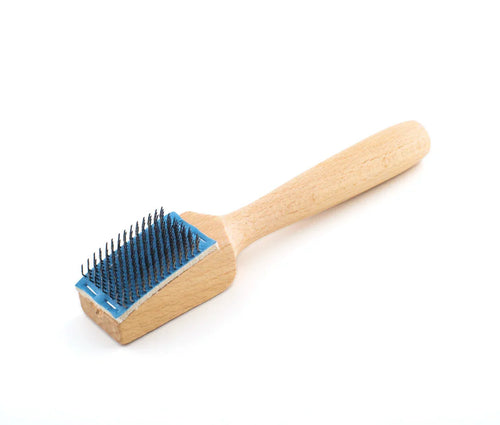
- Maintenance: A suede sole becomes smooth over time because dirt and wax from the floor get into the fibers. Use a steel sole brush to roughen the fibers again.
- Floor type: Ideal for parquet, laminate, and special dance floors.
- Limitation: Never wear them outside. One rain shower or a wet street can irreparably damage the suede sole, making it hard and smooth as glass.
It is interesting to see that the technique for men is often more robust, while the precision in footwork should be comparable to what we see in Latin dancing for ladies. Without the right suede sole, it is simply impossible to execute those subtle footwork combinations (shines) cleanly.
Leather soles for versatility
Sometimes I see dancers who consciously choose a smooth leather sole. This is an excellent choice for the 'social dancer' who visits many different locations. Leather soles are less vulnerable than suede. If you dance at an outdoor party or on a floor that isn't perfectly clean, leather continues to function. It often turns even more smoothly than suede, which is nice if you make many spins, but the disadvantage is that it can feel like skating on a very smooth floor.
In practice, I also often see the emergence of the hybrid sole or the synthetic sole for Latin dancing. These are often slightly thicker and offer more cushioning, which is pleasant if you suffer from joint pain. However, for the true salsa experience where you want to 'feel' the floor to maintain your balance, a thin, flexible suede sole remains the superior choice. It allows you to fully roll your foot, from heel to toe, which is essential for that typical Latin hip action that originates from the ground.
My last tip: always test your new shoes first on a clean floor. If you notice that you are sliding too much, you can dab a little bit of water on the sole for temporary grip, but in the long run, a good brushing is the only way to keep your soles in top condition. Invest in that sole, because your knees will thank you years later.
Optimal Fit and Comfort
In the dance school, I see men every week struggling with their footwork, simply because their shoes are too loose. A common mistake is buying dance shoes in your normal sneaker size. With men's Latin shoes, the intention is precisely that the shoe fits like a second skin around your foot. If there is even a little bit of space at the heel or toes, you lose direct control during a fast double turn in salsa. In practice, this means that you often need a half to a full size smaller than you are used to for your daily footwear.Control from the arch and heel
What I often see is that dancers underestimate how crucial the support of the instep is. While dancing salsa or bachata, you constantly shift your weight from your heels to the ball of your foot. A good shoe must accurately follow the natural hollow of your foot. This prevents the muscles under your foot, such as the plantar fascia, from becoming overloaded after a long evening on the dance floor. When the shoe does not fit well at the arch, your toes unconsciously 'claw' to find grip, leading to rapid fatigue and cramping. When you fit a new pair of salsa shoes, I always advise going through the following checklist:- The heel counter must fit firmly and must not slip when you stand on the ball of your foot.
- The sole must be flexible enough to fully stretch your foot without resistance from the upper material.
- There should absolutely be no empty space between your arch and the insole of the shoe.
- Your toes should just be able to feel the front of the shoe, so you get maximum feedback from the floor.
Material usage and technical properties
In practice, I see that leather and suede give the best results for men. Leather has the unique property that it stretches slightly due to body heat and shapes itself to the specific anatomy of your foot, which is essential for the subtle weight shifts in bachata. For your dance partner, exactly the same principle applies; quality Latin dance shoes ensure that she stands more stably and can better follow your instructions in the lead without losing her balance. Another aspect that is often overlooked is the thickness and stiffness of the suede sole. A sole that is too stiff hinders you in your isolations, while a sole that is too soft offers insufficient cushioning for the heads of your metatarsal bones. The ideal balance ensures that you 'feel' the floor, which directly improves your balance when starting a cross body lead or a complicated shine. When fitting, also ensure that the inner lining is made of microfiber or leather. This prevents your foot from sliding in the shoe due to perspiration, something I often see happening with cheaper shoes made of synthetic material. A stable foot is the basis of every good dancer, and that starts with a fit that leaves no room for doubt.Style for Latin Dancing
In the world of Latin dancing, style is much more than just an outward appearance; it is an essential part of your communication on the dance floor. What I often see at social dance evenings is that men underestimate the impact of their shoe choice on their overall appearance and technique. You can know the most complex patterns, but if your footwork looks clumsy due to shoes that are too heavy or stiff, you lose that typical Latin 'flow'. In practice, a good dance shoe is the tool that helps you make those fluid, almost effortless movements that salsa and bachata are known for.The anatomy of a Latin posture
A common mistake among beginners is that they dance flat on their heels, as they do on the street. Latin dancing, however, requires an active posture where the center of gravity of your body lies slightly forward, over the ball of the foot. This is where the right salsa shoes make the difference. Specific Latin models for men are often equipped with a so-called 'Cuban heel'. Although this takes some getting used to for some, this elevation anatomically forces you into the right position. It helps you move your hips more freely and makes it easier to react quickly to the signals of the music or your partner. When you perform a Cross Body Lead, for example, you have to shift weight very quickly. Without the right support under your arch and a sole that offers just enough grip and slip, your balance becomes disturbed. Good bachata shoes must also be flexible enough to allow your foot to roll off completely. This is crucial for the 'smooth' look you want to achieve in the more sensual variants of the dance.Aesthetics and material usage
In addition to the technical aspects, visual style naturally plays a major role. The Latin scene is a place where you are allowed to show yourself. What I often advise my students is to look at the balance between their clothing and their footwear.- Classic leather: Perfect for a formal gala evening or a traditional salsa dura party. It radiates authority and craftsmanship.
- Suede and Nubuck: We see these materials more and more in the Bachata Sensual and Kizomba corner. They look softer and more modern, which fits well with the fluid movements of these styles.
- Two-tone models: For the dancer who really wants to stand out, there are 'spectator' styles. This gives a nod to the golden years of mambo and shows that you know your classics.
Maintenance of Salsa Shoes
You've finally found the perfect pair, but after a few months of intensive social dancing, you notice that the grip is decreasing or that the leather is starting to pull. What I often see in the dance school is that dancers only think about maintenance when the shoe is actually already damaged. Good maintenance is not just a matter of hygiene; it is essential for your dance performance. If you invest in quality salsa shoes, you want them to last longer than one season and maintain their flexibility.
Treating the suede sole
The sole is the most important part of your shoe for Latin dancing. In practice, I often see that suede soles become completely smooth and shiny over time. We call this the 'clogging' of the sole. It is caused by a mix of dust, floor wax, and perspiration. When this happens, you lose the necessary grip for powerful push-offs, and turning becomes dangerous because you can unexpectedly slip.
- Use a shoe brush: Use a special steel dance shoe brush to raise the hairs of the suede again. Always brush from the center to the sides to work the dirt out.
- Do not brush too hard: A common mistake is brushing too aggressively, making the sole too thin. Only do this if you notice the sole becoming smooth.
- Avoid moisture: Suede and water are enemies. If you accidentally walk through a puddle of drink on the dance floor, dab it dry immediately. Never let the sole air dry near a heater, as the leather will become hard and brittle.
Ventilation and shape retention
After an evening full of intensive salsa or bachata, your shoes are inevitably damp from perspiration. A crucial tip I always give my students: never leave your shoes in your bag until the next lesson. This is the fastest way to collect bacteria and unpleasant odors, which eventually affects the material of your men's Latin shoes.
In practice, cedar wood shoe trees work best. Cedar wood extracts moisture from the leather and neutralizes odors in a natural way. Moreover, trees ensure that the toe of the shoe does not curl upwards, which often happens with flexible dance shoes. For your dance partner, the same applies; the delicate materials of Latin dance shoes also stay beautiful much longer if they get the chance to fully air out between dance sessions.
Protection against the elements
It might sound logical, but I still see it happen weekly: dancers walking from the parking lot to the club in their salsa shoes. The suede sole of a dance shoe is designed exclusively for indoor floors. One walk on the street is enough to press stones and dirt deep into the suede, which can then damage your favorite dance floor (and your knees). Change your shoes only upon entry. This certainly applies to technical bachata shoes, where the close connection to the floor is essential for subtle footwork. By consistently changing your shoes and checking the soles weekly, you ensure that your equipment never lets you down during a spin or a quick shine.
Tips for Buying Shoes
What I often see on the dance floor is that men start on their daily sneakers or neat work shoes. Although that is fine for a first trial lesson, in practice, you quickly notice that your technique suffers. A common mistake is thinking that a stiff sole gives grip; in salsa and bachata, you actually need 'controlled smoothness'. If your sole has too much grip on a wooden floor, your joints lock during a spin, which is disastrous for your knees and ankles. When you invest in quality men's Latin shoes, the sole is usually made of suede or leather. This allows you to turn fluidly without losing the connection to the floor. Remember that your shoe is an extension of your leg; you must be able to 'feel' the floor to maintain your balance during complex patterns.The right fit and material
In practice, I see that many dancers buy their shoes too large. A dance shoe should fit almost too tightly when tried on for the first time. Why? Because the leather or suede shapes itself to your foot after a few hours of intensive dancing. If a shoe already fits comfortably loose in the store, it will wobble around your foot after three months, which is dangerous during fast footwork. Pay attention to the following points when fitting:- The heel must sit firmly in the shoe without slipping up during a 'step-tap'.
- Your toes should just touch the front, but not fold over painfully.
- The instep must be well supported, especially with salsa shoes with a lace-up closure, so your foot does not slide forward in the shoe.
Functionality over aesthetics
A common mistake is choosing a shoe based purely on appearance. For Latin dancing such as the fast Cali-style salsa, you need a lighter, more flexible shoe than for a quiet bachata moderna. In bachata, you often see men choosing a model that looks more like a sneaker but with the technical insole of a dance shoe. What I often advise my students is to look at the 'split-sole' versus the 'full-sole'. A split-sole (where the sole consists of two parts) gives you maximum freedom to stretch and point your foot, which is essential for a beautiful aesthetic in your footwork. A full sole, on the other hand, gives more stability, which can be nice if you still have trouble with your balance during the basic step. In practice, most advanced dancers choose the flexibility of a split-sole to put more expression into their dance. Also, make sure you purchase a suede brush. After a few evenings of dancing, dust and wax from the floor build up under your sole, making it smooth as ice. By roughening the hairs of the suede again with a brush, you get that essential control back with which you confidently start every turn.Frequently Asked Questions
Why do you need special salsa shoes for men?
Salsa shoes for men are essential because they have a suede or leather sole that offers the right balance between grip and glide. Unlike normal sneakers, they prevent knee injuries during fast turning movements in Latin dancing. Additionally, they offer extra support and flexibility, which is crucial for footwork and overall stability on the dance floor during an intensive dance evening.
What is the difference between salsa shoes and bachata shoes?
Although both styles fall under Latin dancing, salsa shoes are often slightly firmer for fast spins, while bachata shoes sometimes offer more flexibility for sensual footwork. In practice, however, most men use the same dance shoes for both styles. The most important thing is that the shoe has a smooth sole and fits comfortably, so you can transition effortlessly between different rhythms and music styles.
Which sole is best for men's salsa shoes?
For indoor locations, a suede sole is the best choice for salsa shoes. Suede offers the perfect control for turning without slipping. However, if you often dance on rougher floors or outdoors, a hard leather sole or a special hybrid sole is recommended. A suede sole does require regular maintenance with a special brush to keep the grip optimal while dancing on location.
How tight should salsa shoes for men fit?
Salsa shoes should fit snugly, almost like a second skin, without painfully pinching your toes. Because dance shoes made of leather or suede often stretch slightly after use, a tight fit at the time of purchase is essential. If the shoe is too loose, you lose stability and control over your movements, which significantly increases the risk of blisters and injuries while performing complex figures.
Can I use regular sneakers for salsa and bachata?
While possible, experts advise against using regular sneakers for Latin dancing. Sneakers often have rubber soles with too much grip, putting heavy strain on your knees and ankles during turns. Special salsa shoes for men minimize this dangerous friction. If you still want to wear sneakers, choose specific dance sneakers equipped with a split-sole and pivot point.
How do I best maintain my suede dance shoes?
Maintaining salsa shoes is crucial for their lifespan. Use a special steel dance shoe brush to roughen the suede sole when it becomes smooth and dirty from dust and wax. Always brush carefully from the center to the outside. Avoid wearing your dance shoes outside on the street, as moisture and dirt directly damage the delicate sole, causing the necessary gliding properties to be lost.
What should I look for when buying my first pair?
For your first pair of salsa shoes for men, comfort and sole type are most important. Choose a timeless model made of quality leather or suede with a suede sole. Also pay attention to the heel height; most men choose a standard low heel, but some Latin dancers prefer a slightly higher Cuban heel for better weight distribution. Try different brands to discover which width fits best.
The beauty of the right salsa shoes is that they are much more than just a fashion accessory; they are your most important instrument on the dance floor. What I especially want to tell you is that a specific suede sole and the right fit not only improve your technique but also prevent injuries during those intensive bachata sessions. Remember above all that comfort is the basis of every smooth spin and powerful step. When your feet no longer protest, space is created for real connection and pure pleasure. Whether you're just starting or have been the star of the dance school for years, the right equipment makes the difference between simply taking steps and truly dancing. Give yourself that upgrade and discover how the items from our men's Latin collection help you move with more confidence. And don't forget: you dance together, so be sure to take a look at the women's Latin dancing collection for your dance partner. The floor is waiting for you; step onto it with the conviction that every move you make feels exactly as it should.


