

Table of Contents
- Clothing for Salsa Class
- Outfits for Salsa Parties
- The Best Salsa Shoes
- Latin and Bachata Shoes
- Comfort and Material Choice
- Practical Tips for Dancers
- Frequently Asked Questions
You're just getting into a smooth cross-body lead, and suddenly your soles block on the wooden floor and you completely lose your balance. The ideal outfit for salsa social dancing combines breathable fabrics with technical footwear, where specific salsa shoes with a suede or smooth leather sole are crucial to protect your joints during turns. In the many years that I have been teaching and attending social parties myself, I have seen too many enthusiastic dancers ruin their evening with jeans that are too tight or sneakers with far too much grip.
Latin dancing is a physical sport in a social setting; you want clothing that offers maximum freedom of movement and doesn't immediately show sweat spots as soon as the DJ cranks up the speed. Whether you choose elegant heels or comfortable, flat bachata shoes, functionality must always come first. I always advise my students in the studio to work in layers. A dance hall can feel chilly when you first enter, but after three songs, the temperature is guaranteed to rise. By choosing materials that move with you and footwear that is truly made for the dance floor, you prevent injuries and dance with significantly more confidence. I've listed the most important clothing tips for you.
Clothing for Salsa Class
Your first salsa lesson is often an exciting experience, but what I often see in practice is that students either dress too formally or wear clothing that restricts their freedom of movement. During a lesson, you are intensively working on technique, repetition, and often a lot of physical effort. Unlike a gala or a formal party, functionality is paramount in a dance class. You want clothing that breathes and moves with your body, especially when you start with the basic steps and the first turns.
Functionality over fashion
A common mistake is wearing jeans that are too tight or clothing made of thick, non-stretching fabrics. In salsa and bachata, you make many lateral movements and turns. If your pants are too tight at the hips, it limits your 'range of motion', which directly negatively affects your technique. What I often recommend is a comfortable chino with stretch for men, or leggings or a flexible skirt for women. When wearing a skirt, make sure it's not too long; you don't want your dance partner or yourself to get a heel caught in the hem during an 'enchufla' or 'cross body lead'.
Additionally, the temperature in a dance school is often high. You are constantly in motion, and the physical proximity of other dancers provides extra heat. Therefore, choose layers. A cotton T-shirt or a top made of breathable material is essential. In practice, I often see advanced dancers always have an extra shirt in their bag to change halfway through the lesson, which is much fresher for your dance partner.
The importance of the right sole
The most crucial part of your outfit is undoubtedly your footwear. Salsa and bachata revolve around the 'pivot' – turning on the ball of your foot. When you dance in normal sneakers with a rubber sole, you have too much grip on the floor. This causes enormous friction on your knee joints and ankles, which in the long run can lead to nasty meniscus injuries.
For the ladies, it is a myth that you have to start on sky-high heels immediately. Stability is much more important while learning basic techniques. These salsa shoes for women are specifically designed with a suede sole, allowing you to turn in a controlled manner without slipping or sticking to the dance floor. The same principle applies to men: avoid heavy shoes with thick treaded soles. Good salsa shoes for men have a flexible sole that makes it possible to roll your feet properly and maintain contact with the floor during fast 'shines'.
Practical tips for the dance floor
- Wear clothing in which you can easily lift your arms above your head without your shirt riding up uncomfortably.
- Avoid large, heavy jewelry or long necklaces; these can hit your partner during a fast turn or get caught on something.
- Choose shoes that fit firmly around your foot. Flip-flops or slip-ons without a heel strap are unsuitable because you will lose them while stepping backward.
- Keep your personal hygiene in mind. Because you dance close to your partner, a small towel and deodorant in your bag are not unnecessary luxuries.
Ultimately, it's about your clothing not distracting you from the music and the connection with your partner. If your shoes fit well and your clothing feels comfortable, you can focus entirely on mastering that tricky 'double turn' or that smooth hip movement so characteristic of Latin dancing.
Outfits for Salsa Parties
At a salsa party, things are much more intense than during your weekly lesson. In practice, I often see dancers underestimate the temperature in the room. As soon as the DJ plays a few fast songs in a row, the heat rises enormously. A common mistake is wearing materials that are too thick, such as heavy denim or thick wool. It's better to choose breathable fabrics that wick moisture well, as nothing is more annoying than a clammy outfit halfway through the evening.
Women: Freedom to turn
For women, the choice is often between pants or a skirt/dress. What I often see with beginners is that they choose a very long maxi dress. Although that looks beautiful, it is impractical on a crowded dance floor. Your partner (or yourself) will step on the hem during a fast turn. A shorter skirt or leggings often work much better. With a skirt, make sure it is 'spin-proof'; you don't want the fabric constantly hitting your legs or riding up too far during a double turn.
Regarding footwear, stability is the most important thing. Your ankles take a beating during fast footwork sections, also known as 'shines'. These salsa shoes are perfect for a night out because they provide the necessary lateral support that normal pumps lack. Ensure your shoes have a suede sole so you can pivot effortlessly on the ball of your foot without straining your knees. Good grip on the floor, without getting 'stuck', is essential to prevent injuries to your cruciate ligaments.
Men: How to stay cool
For men, the dress code at salsa parties is usually 'casual chic'. A neat pair of jeans with a shirt or a good quality polo almost always works. A tip from experience: always bring an extra shirt in your bag. After an hour of intensive dancing, your first shirt is often soaked, and it's not pleasant for your dance partner to be against a wet back during the closed position. Choose shirts with a bit of stretch, so your arms have plenty of room for complex patterns above your head without the fabric pulling at the shoulders.
Footwear is also crucial for men. Many men try to dance in regular sneakers, but the rubber soles cause too much friction on the wooden floor. This can lead to annoying meniscus complaints in the long run. In practice, I see that men who switch to professional salsa shoes immediately have more control over their weight transfer. You want a shoe that fits closely around the foot, so your foot doesn't slide inside the shoe during an abanico or a fast cross-body lead.
Functional details and etiquette
Also think about the small things that can ruin your dance. Large, dangling earrings or long necklaces can get tangled in your partner's fingers during a turn. Watches with sharp edges are also a risk; I have regularly seen scratches on followers' arms caused by an oversized men's watch. Because Latin dances like bachata require much more body contact, rough zippers or hard buttons on the chest are often inconvenient and irritating for your partner.
Finally: test your outfit at home in front of the mirror. Do a few quick turns and lift your arms high in the air. If your shirt rides up to your armpits or your skirt feels uncomfortable with every movement, it's probably not the best choice for the party. Comfort is the foundation of confidence on the dance floor, and that's what you radiate to your partners.
The Best Salsa Shoes
When you go to a salsa party for the first time, you might think your favorite sneakers or those cute pumps will suffice. In practice, however, I often see that this is the biggest mistake beginners make. The floor of a dance hall is either your best friend or your worst enemy, and your shoes determine the relationship between the two. For salsa and bachata, you need a shoe that lets you turn without your knees taking the blow, but that also offers enough grip so you don't slip during a fast cross body lead.
The sole: The secret of the pivot
What distinguishes a real dance shoe from a regular shoe is the sole. Almost all professional salsa shoes are equipped with a suede sole. Why? Because suede offers the perfect balance between sliding and grip. A common mistake is dancing on rubber soles (as with most sneakers). Rubber 'bites' into the floor. If you then try to make a spin, your feet block while your body continues to turn. This is a recipe for meniscus and ankle injuries.
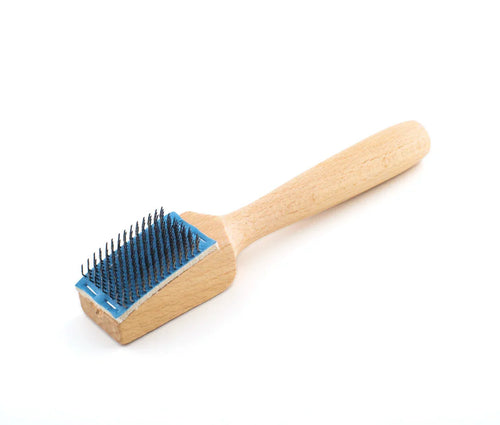
What I often see with advanced dancers is that they carefully maintain their suede soles with a special wire brush. As soon as the sole becomes smooth due to accumulated dust and wax from the floor, you brush the hairs up again for more control. For men who prefer a tougher look, there are also sneakers with a special plastic 'spin spot' under the ball of the foot, but in practice, suede remains the gold standard for technique.
Stability and heel height for women
For women, the choice of the right heel is crucial for balance. A common misunderstanding is that a higher heel always looks better. In practice, I see that women who start too high place their weight too far back, causing them to lose their connection with the partner. When selecting Latin dance shoes, I often advise looking at the following points:
- Heel position: The heel should be directly under the center of your heel for maximum stability, not too far back.
- Heel height: For beginners, a heel of 5 to 7 cm (often called a flare heel) is ideal. This provides a wider base on the floor.
- Straps: Choose a model with an ankle strap or a cross strap over the instep. This prevents you from slipping out of your shoe during fast footwork sections (shines).
What men should know about flexibility
Men often make the mistake of wearing shoes that are too heavy and stiff. Salsa is a dance that happens on the ball of the foot. If your shoe has a thick, inflexible sole, you cannot roll your feet properly. Good salsa shoes for men often have a split-sole or a very flexible midsole. This allows you to fully extend your foot and steer more precisely while leading.
Additionally, I see in practice that men often hesitate between a standard flat heel and a slightly higher 'Cuban heel'. Although a Cuban heel automatically brings your weight slightly more forward (which is technically better for Latin dancing), it takes some getting used to for your balance. If you are also looking for bachata shoes that need to be multifunctional, a lower heel is often more comfortable for longer social dance evenings where you stand on the dance floor for hours on end.
Remember that your shoes are an investment in your dancing pleasure and your physical health. A shoe that fits well around the foot, with no space left at the toes, gives you the most control over your movements on the dance floor.
Latin and Bachata Shoes
What I often see on the dance floor is that beginners underestimate the impact of their shoe choice on their technique. In practice, I see people on sneakers with a thick rubber sole trying to make a double spin. The result? The foot sticks to the wooden floor while the knee continues to turn. That is a recipe for annoying meniscus and ankle ligament injuries. Good shoes are not a luxury in salsa and bachata, but a necessary tool for your mobility. A common mistake is thinking that your regular going-out shoes will suffice. The big difference is in the sole. Specific Latin dance shoes are almost always equipped with a suede sole. This material offers the perfect balance between grip and sliding. You need grip to push off powerfully during a cross body lead, but you also need to be able to pivot effortlessly (turning on the ball of your foot) without creating friction that strains your joints.Stability and anatomy on the dance floor
For women, choosing the right heel height is crucial. What I often advise is not to go straight for the highest stiletto if you're just starting out. In salsa, you constantly move your weight to the ball of your foot. If your shoe doesn't provide the right support under your arch, you're guaranteed to get cramps after an hour of social dancing. These salsa shoes are designed so that the center of gravity is exactly under your heel, which is essential for your balance during fast bachata footwork patterns (shines). For men, it's a different story. Many men dance in their daily shoes, but those are often too stiff at the instep. In practice, I see that this hinders 'Cuban motion' – the characteristic hip movement that comes from bending and straightening the knees. These men's Latin shoes often have a slightly raised heel (the famous Cuban heel) or a split-sole construction. The latter means the sole consists of two parts, allowing you to fully extend your foot and have much more feel for the floor.What to look for when purchasing
If you're investing in decent footwear for the first time, keep the following practical experiences in mind:- The fit: Dance shoes should fit like a second skin. Leather always stretches. If a shoe already feels comfortably loose in the store, it will be too big after three nights of social dancing, causing your foot to slide and giving you blisters.
- Maintaining the sole: A suede sole becomes smooth over time due to dust and wax from the dance floor. Use a special steel brush to roughen the suede hairs again for optimal grip.
- Bachata vs. Salsa: Although you can dance in the same shoes, in bachata I more often see women choosing a lower heel or even special dance boots with a suede sole. This gives more stability for the sensual, grounded movements that characterize bachata.
- Padding thickness: Especially during intensive salsa sessions, your metatarsals take a beating. Check if the insole has enough padding to absorb the shocks of fast footwork.
Comfort and Material Choice
In practice, I often see that dancers underestimate the intensity of an evening of social dancing. Salsa and bachata are physical sports where the temperature on the dance floor rises quickly. What I often see is people choosing an outfit that looks beautiful in the mirror but sticks to their body after three songs or restricts their movements. The key to a successful evening is a balance between aesthetics and functional materials that can wick away perspiration and offer maximum freedom of movement.Breathable materials and freedom of movement
A common mistake is wearing heavy fabrics such as thick denim or stiff synthetic materials that do not allow air to pass through. For men, I often advise choosing shirts with a mix of cotton and elastane. The cotton provides ventilation, while the elastane ensures the shirt doesn't tear during an extensive 'arm wrap' or a deep dip. In practice, it's also smart to bring an extra shirt in your bag; nothing is less pleasant for your dance partner than a soaked shirt halfway through the evening. For women, the choice of fabric is even more crucial during fast turns. A skirt or dress made of a supple jersey or a light stretch fabric works best. Avoid materials that become static; there is little as annoying as a dress sticking to your legs while you're trying to perform a double turn. Also pay attention to the length and width of your clothing. A skirt that is too wide can wrap around your partner's legs during a turn, which can create dangerous situations on a full dance floor.The anatomy of the right dance shoe
The most important investment you make as a dancer is your footwear. A common mistake among beginners is dancing in normal sneakers with rubber soles. Rubber provides too much grip on a wooden dance floor, meaning your knees have to absorb the rotation of a turn instead of your feet. This inevitably leads to injuries in the long run. High-quality salsa shoes feature a suede or leather sole, allowing you to perform controlled turns (pivoting) without straining your joints. When choosing shoes for Latin dancing, the fit is essential. The shoe must fit around your foot like a second skin to prevent sliding. In practice, I see that men often buy a size too large, causing stability to be lost during a cross body lead. Good salsa shoes offer arch support and have a heel that forces your weight slightly toward the ball of the foot, which is the basis for correct salsa technique.- Choose natural fibers: Cotton, linen, or special sports microfibers help regulate your body temperature.
- Check the sole: Ensure your shoes are suitable for the floor; suede for indoors, leather or special rubber for outdoor parties.
- Test your range: Do a few basic steps and turns at home in your new outfit to check that nothing pinches or rides up.
- Cushioning: Especially when dancing bachata, where you stand a lot on the ball of the foot, good cushioning in your salsa shoes is not a luxury but a necessity for your arch.
Practical Tips for Dancers
In practice, I often see that dancers underestimate the impact of their clothing choice on their technique and endurance. A social dance evening is top-level sport in a warm environment; you are constantly in motion, your heart rate is high, and the physical interaction with your partner is intense. What I often see is that people focus too much on aesthetics and forget that their outfit must also be functional. An outfit that hinders your freedom of movement or is soaked with sweat after three songs takes the fun out of your dance session.
The technology behind the right sole
A common mistake for beginners is wearing shoes with too much grip, such as sneakers with a stiff rubber sole. This is a recipe for knee injuries. When you start a spin on a high-friction floor, your foot sticks while your knee joint tries to make the turn. In practice, this leads to unnecessary friction in the meniscus and cruciate ligaments. For followers, specific Latin dance shoes are therefore essential. These shoes have a sole made of suede or leather, which offers exactly the right balance between grip and sliding ability. This allows you to turn smoothly on the ball of your foot without straining your joints.
For men too, the flexibility of the shoe is crucial for foot technique. What I often see with men who dance in their daily office shoes is that they cannot roll their feet properly. The sole is too stiff, causing the connection with the floor to be lost. Good men's Latin shoes are designed to support the arch of the foot while the forefoot maintains maximum freedom. This helps you move your weight faster during complex footwork patterns or a fast cross body lead.
Temperature control and safety
Besides footwear, the choice of your upper clothing determines how long you last on the dance floor. In practice, I see that synthetic fabrics that do not breathe often cause problems. You overheat faster and the fabric becomes sticky, which is unpleasant for your dance partner. Here are a few concrete tips I always give my students:
- Wear layers: The dance floor is often cool at first but heats up very quickly. Make sure you can easily take off a jacket or cardigan.
- Choose stretch: Whether you wear jeans or a dress, there must be enough stretch in it. You should be able to make a deep lunge or stretch your arms fully above your head without resistance.
- Watch out for accessories: Long necklaces, large rings, or loose bracelets can get caught in your partner's clothing or hair. This happens more often than you think during fast spins or 'hair combs'.
- Stability in Bachata: When dancing bachata, you often stand closer together and the hip action is more prominent. Stable bachata shoes with a sturdy heel counter ensure you don't lose balance during the subtle weight shifts in the 'close position'.
Don't forget the practical side of hygiene. In the salsa and bachata scene, it is very common to bring an extra shirt to a social. If you notice your shirt getting soaked, it is a sign of respect to your partners to change. A small 'freshness kit' with deodorant and mints in your bag is just as important in practice as your dance shoes. By taking these details into account, you ensure that both you and your dance partners can optimally enjoy the music and the dance.
Frequently Asked Questions
What do you wear for salsa dancing?
For salsa dancing, you wear clothing in which you can move freely and that isn't too warm. For women, a flowy skirt or comfortable leggings with a top are ideal. Men often choose neat jeans or chinos with a breathable shirt. Most important are good salsa shoes with a smooth sole, so you can turn smoothly without straining your knees.
What should you put on to dance salsa?
To dance salsa, you should put on clothing that wicks away perspiration well, as Latin dancing is physically intensive. Choose layers so you can take something off if you get warm. Avoid clothing that is too tight and restricts your freedom of movement. Essential are specific Latin dance shoes or bachata shoes that provide sufficient support and guarantee the right grip on the dance floor for fast footwork.
What do you wear to a salsa party?
For a salsa party, you can dress up a bit more festively. Women often wear an elegant dress or a beautiful top with a skirt that moves well during turns. Men often choose a stylish shirt, possibly with an extra undershirt to combat sweating. Don't forget your professional salsa shoes; these complete your outfit and ensure you can dance all night injury-free.
What do you wear for salsa class?
For a salsa class, comfort is more important than style. Wear sporty clothing or casual leisurewear in which you can practice steps and figures unhindered. Stretch pants and a cotton T-shirt are excellent choices. Although you can practice in normal shoes at the beginning, instructors recommend special salsa shoes with suede soles to learn techniques like spins correctly and prevent joint complaints from too much grip.
Which shoes are best for bachata and salsa?
The best shoes for Latin dancing such as salsa and bachata have a suede or smooth leather sole. These materials offer the perfect balance between grip and sliding ability, which is crucial for safe turning. Bachata shoes for women often have a flexible sole for footwork, while men choose dance sneakers or classic leather shoes. Good shoes prevent injuries to the ankles and knees.
Why are special salsa shoes important for beginners?
Special salsa shoes are essential because they are designed for the specific movements of Latin dancing. Regular sneakers often have too much grip, which can cause friction and knee injuries during turning movements. Dance shoes have a lightweight construction and a sole that allows for smooth sliding on the parquet floor. Additionally, they provide the necessary lateral support for fast steps, allowing you to dance with more confidence.
Is there a dresscode for Latin dance nights and socials?
Although most Latin dance nights do not have a strict dress code, 'smart casual' is often appreciated. At larger galas or theme parties, the dress code may be more formal. In general: dress neatly but practically. Ensure your clothing doesn't have too many loose accessories that your partner can get caught in. Wearing quality Latin dance shoes is the unwritten rule for any serious dancer.
The beauty of salsa social dancing is that your outfit is much more than just an appearance choice; it is an extension of your movement and the energy you share on the floor. What I especially want to tell you is that the balance between style and functionality is the absolute key to a successful evening. Choose clothing that breathes with you, but above all, remember that your shoes form the foundation of every smooth turn. High-quality salsa shoes offer the specific grip and flexibility you need to prevent injuries and take your technique to a higher level.
Are you ready to conquer the dance floor with a good dose of self-confidence? Then take a look at our women's Latin dancing collection or discover the perfect combination of comfort and class in the men's Latin collection.


