

Table of Contents
- The Basics of Tango Outfits
- Choose the Right Tango Shoes
- Clothing for the Milonga
- Comfort on the Dance Floor
- Handy Festival Accessories
- Your Complete Packing List
- Frequently Asked Questions
Have you ever looked at your feet halfway through a busy festival weekend and fervently hoped that you had packed that one extra set of shoes that actually takes a rough wooden floor into account? Smart planning for your festival wardrobe isn't just about aesthetics, but about the crucial balance between freedom of movement, breathable materials, and the right tango shoes that support your feet during hours of tandas. In the years that I have been teaching and visiting international events, I have seen countless dancers struggle with skirts that are too tight for a deep boleo or shirts that no longer feel fresh after just one set.
Within Argentine tango, your clothing is essentially your tool; it must move with you without disturbing the subtle connection with your partner. Whether you're pulling an all-nighter during a marathon or visiting a chic evening milonga, the right preparation prevents you from experiencing discomfort halfway through the evening. I share my personal experiences and practical strategies for assembling a suitcase that is both elegant and functional. This way you ensure that your choice of clothing enhances your dance instead of hindering it, so that you can fully focus on the music and the embrace.
The Basics of Tango Outfits
At a multi-day festival, it's all about endurance, both for your body and your clothing. What I often see with dancers going to a large event for the first time is that they underestimate the impact of the environment. A milonga in a full hall gets warm, the floor can be rougher than you're used to, and you are moving intensively for hours. The basis of your outfit must therefore always be a balance between aesthetics and pure functional ingenuity.The technique behind your shoe choice
In practice, your shoe is your most important tool. A common mistake is choosing shoes that look beautiful but cause blisters or disturb your balance after two hours of dancing. For the ladies, the stability of the heel and the flexibility of the sole are decisive. Because you constantly pivot on the ball of your foot in Argentine tango, the sole must provide enough grip without locking you to the floor. High-quality tango shoes are specifically designed to distribute pressure on the metatarsus, which is essential during a festival weekend where you are sometimes on the floor for eight hours a day. Men often make the mistake of wearing shoes that are too heavy or too stiff. In Argentine tango, contact with the floor is sacred; you must be able to 'feel' the floor to steer your weight transfer accurately. I always advise investing in specific tango shoes with a suede or smooth leather sole. This not only helps in making fluid ochos, but also relieves your knees and ankles during the turning movements that are so characteristic of our dance.Freedom of movement and the abrazo
In addition to footwear, the construction of your clothing determines how you experience the dance. A technical aspect I often emphasize is the space for dissociation. Argentine tango requires your upper body to rotate independently of your hips. If a shirt is too tight at the shoulders or a dress has too little stretch at the waist, your abrazo (embrace) will be limited. In practice, I see that the following points make the difference between a difficult and an effortless milonga:- Fabric choice: Choose breathable materials such as natural silk, viscose, or technical sports fabrics that quickly wick away sweat. Avoid heavy synthetic fabrics that retain heat.
- The line of the legs: For women, it is important that a skirt or dress not only swings beautifully, but also provides space for the legs to move freely without getting entangled in the fabric, especially with fast milonga rhythms or complex boleos.
- The fit for men: Trousers should sit high enough in the waist and have enough width at the thighs. This ensures you can take large steps without the trousers pulling or forcing your posture.
- Layers: It is often warm in the dance hall, but you cool down quickly outside. A light shawl or a thin jacket that you can easily put on and take off is not a luxury but a necessity.
Choose the Right Tango Shoes
During a tango festival, you often dance more hours in three days than you normally do in an entire month. What I often see with dancers going to a large event for the first time is that they underestimate the impact of the floor and the duration of the milongas. Your shoes are not just an accessory; they are your tool for connecting with the floor and your partner. A common mistake is choosing shoes purely on appearance, while the technical construction determines whether you make it to the last tanda on Sunday night.Stability and the Axis
In Argentine tango, it's all about the 'axis' (el eje). If you are standing on a slippery wooden floor at a festival, you must be able to rely on the stability of your heel. In practice, I notice that many followers struggle with their balance during fast turns or 'ochos' because their heel is not placed directly under the center of their heel. This causes unnecessary tension in the calves and ankles. When you are looking for a balance between aesthetics and technique, I recommend investing in high-quality women's tango shoes that have a sturdy heel counter for maximum support. Pay attention to the following when trying them on:- The sole must be flexible enough to allow your foot to roll through completely, but stiff enough in the arch to provide support.
- Choose a leather or suede sole. At a busy milonga, you must be able to pivot effortlessly without your knees absorbing the friction.
- The padding under the ball of the foot is essential. After four hours of dancing on a hard floor, every millimeter of cushioning counts.
The Right Grip for the Leader
For the men, the challenge is often different. A common mistake is wearing shoes with a rubber sole that is too grippy. Although this is pleasant for walking outside, it blocks your movement on the dance floor, which can lead to meniscus problems in the long run. Good men's tango shoes should allow you to slide when necessary, but also to find grip for a powerful push-off in a 'sacada'. In practice, I see that leaders often benefit from a slight heel lift. This helps to move your weight slightly more towards the ball of the foot, making communication with your partner more direct. Pay attention to the heel closure when purchasing; your foot must absolutely not slip in the shoe while walking backwards.The Festival Strategy: Changing Shoes
My most important tip for a festival is: take at least two different pairs of shoes. The anatomy of your foot is taxed differently by a 7 cm heel than by a 9 cm heel or a flat training shoe. By switching halfway through the day or between the afternoon and evening milonga, you give certain muscle groups a rest and prevent pressure points that cause blisters.- Use a lower heel for the afternoon milongas to save your feet for the evening.
- Make sure your shoes are well broken in before the festival; wearing a new pair for eight hours straight is a recipe for trouble.
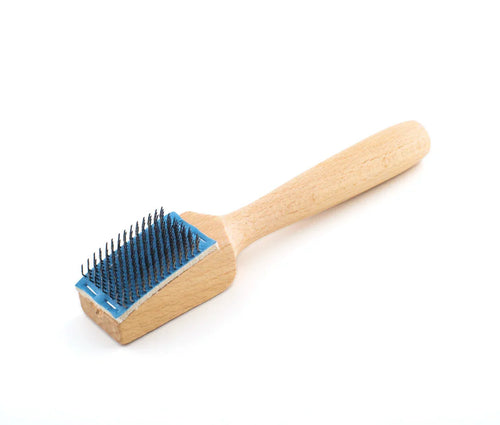
- Check the condition of your soles. If they have become too slippery due to accumulated dirt and wax, use a wire brush to make the suede rough again.
Clothing for the Milonga
In practice, the milonga is the moment where everything comes together. It is more than just a social dance party; it is a presentation of your passion for Argentine tango. What I often see with dancers visiting their first big festival is that they make the mistake of wearing clothing that is too tight. Beautiful for a photo, but a disaster during a complex ochos combination. Your clothing must breathe with you and not limit your freedom of movement, especially since the dance floor at a festival is often much fuller than in your local dance school.Elegance combined with freedom of movement
For the ladies, the choice of skirt or dress is crucial. A common mistake is a skirt that is too tight around the knees. In Argentine tango, we make a lot of use of crossing movements and boleos. If your skirt doesn't have a split or isn't made of stretch material, you literally block your own technique. I often advise choosing fabrics that don't wrinkle easily and don't show sweat immediately. Nothing is more annoying than feeling insecure about a sweat stain during an intimate embrace. However, the basis of your outfit starts at your feet. A good balance is essential for your axis and your pivots. The right tango shoes should not only be beautiful, but above all have a suede or leather sole that provides just enough grip for those fast turns on a wooden floor, without overloading your knees. In practice, I see that dancers who dance in shoes with a poor fit get tired much faster and lose their balance more quickly during an acceleration in the music.Comfort and etiquette for the men
With the men, I often see that they choose a classic suit. Although this looks fantastic, the heat during a busy festival can be suffocating. A common mistake is wearing a shirt that is too thick. I always recommend working with layers or investing in shirts made of breathable material. A waistcoat is often a smart choice: it maintains the formal look of a jacket but gives your arms the full freedom needed for a good connection in the abrazo. Internal trousers must provide enough space at the thighs and must not be too long. You want to prevent your own heel or your partner's from getting caught in the hem. Additionally, invest in decent tango shoes with a sturdy heel counter, so that your axis remains stable during pivoting and you have the necessary support during hours of tandas. A good tango shoe for men often has a slight lift in the heel, which helps to correctly move your weight to the ball of the foot, an essential part of tango anatomy.Practical tips for the long festival nights
A milonga at a festival often lasts until the early hours. To stay fresh and be able to keep dancing optimally, there are a few practical things I always have in my dance bag:- Bring at least two extra shirts or tops. Nothing is more unpleasant for a partner than a soaked garment during the embrace.
- Choose clothing without sharp accessories, front zippers, or large buttons where your partner's hair or clothing could get entangled.
- Make sure your clothing passes the 'cabeceo test': you want to stand out in the crowd so you can make eye contact, but you don't want your outfit to distract from your dancing qualities.
- Always check the length of your trousers or skirt with your dance shoes on; a centimeter can make the difference between a fluid movement and a trip.
Comfort on the Dance Floor
Anyone who has ever experienced a full tango weekend knows that the euphoria of the first tanda on Friday night can turn into pure physical exhaustion by Sunday afternoon if your equipment is not in order. What I often see with dancers preparing for a festival is a strong focus on the aesthetics of their outfit, while technical functionality comes in second place. In practice, however, comfort is not a luxury, but an absolute prerequisite for being able to continue dancing technically well. When your feet hurt, your pelvis blocks, your embrace stiffens, and you lose the connection with your partner. The Argentine tango demands a lot from the anatomy of the foot, specifically the metatarsals and the ankles. During a milonga, you are constantly shifting your weight and making countless pivots (turns). A common mistake is wearing shoes that look beautiful with a dress or suit but do not provide the right cushioning for a wooden floor that starts to feel very hard after six hours of dancing.The Anatomy of the Pivot and the Sole
A crucial part of comfort is the interaction between your shoe and the floor. In practice, I see that dancers who have difficulty with their ochos or giros are often standing on shoes with too much grip. This forces the knee to absorb the rotation, which leads to injuries in the long run. A good tango shoe must slide just enough to be able to turn, but provide enough grip not to slide away during a powerful parada. For followers, the position of the heel is essential for balance. The axis of your body must remain exactly above the ball of the foot, without your calves cramping. These women's tango shoes are technically constructed so that the heel counter firmly encloses the foot, so you have to use less force to maintain your balance. This prevents you from suffering from burning soles halfway through the night.Material Choice and Temperature Regulation
During a busy festival, the temperature in the room rises quickly. What I often see is that feet start to swell slightly due to the heat and the constant load. This is the moment when pinching straps or stiff leather take their toll. In practice, I always advise choosing natural materials such as soft lambskin or suede, which mold to the shape of the foot. For the leaders too, the choice of footwear determines endurance. A heavy, stiff shoe makes your footwork clumsy and tires the legs faster. The right men's tango shoes have a flexible sole that supports the natural rolling of the foot, which is essential for the subtle weight shifts that characterize Argentine tango.- Cushioning: Ensure shoes have a quality insole that absorbs the shocks of golpes and quick steps.
- Stability: Check if the heel of the shoe is placed directly under the center of your heel for optimal weight distribution.
- Spares: Always take a second pair of shoes to a milonga. Switching shoes halfway through the evening changes the pressure points on your feet and can do wonders for your comfort.
- Socks and tights: Choose seamless options to prevent friction and blisters in the warm environment of a festival hall.
Handy Festival Accessories
During a regular milonga in your own city, you usually get by with just your shoe bag, but an Argentine tango festival is a completely different discipline. You are often on the floor for three to four days in a row, sometimes up to ten hours a day including the workshops and the nightly milongas. In practice, I often see dancers struggling with tired feet or blisters by the second day, simply because they didn't pack their bag strategically. At a festival, it's not just about how you look, but especially about how you survive the marathon of dancing hours without injuries.Shoe care and floor adjustment
A common mistake is underestimating the variation in dance floors. One hall has a rough wooden floor, while the other has smooth marble or worn parquet. What I often see is that dancers lose grip due to dust accumulation under their soles. A small wire brush for your suede soles is therefore indispensable. With this, you roughen up the fibers again so that you maintain control over your pivots without overstressing your knees. If the floor is extremely rough, a little bit of talcum powder can work wonders, but be careful with this; other dancers may not thank you if the floor becomes an ice rink. For ladies, it is essential to vary in heel height. Even the most comfortable tango shoes for women can start to irritate the ball of the foot (the metatarsals) after six hours of dancing. I always recommend bringing a second pair with a slightly lower heel or a different heel position, so that the pressure points on your foot shift.Hygiene and temperature regulation
Argentine tango is an intimate dance where your chest makes close contact with your partner. Nothing breaks the connection in a beautiful tanda faster than a soaked shirt or an unpleasant odor. In practice, experienced men bring at least three to four extra shirts per milonga evening. Choose fabrics that dry quickly or breathe naturally, such as thin cotton or linen. For the men too, the right support makes the difference; sturdy tango shoes for men with a good leather sole ensure that you have to use less force for your turns, which in turn helps to sweat less through physical exertion. Don't forget the classic hand fan either. This is not a superfluous luxury or purely decorative object; in a full, warm room, it is your best friend during the 'cortina' (the break between music sets). It helps bring your heart rate down and keep your face dry for the next cabeceo.- Extra insoles: Gel pads or thin leather insoles can make the difference between dancing through the night or having to stop prematurely.
- Shoe bags: Use individual bags for each pair to prevent buckles from one pair damaging the satin lining of your other pair.
- Survival kit: Think of blister plasters (the brand Compeed works best in practice), mints, a small towel, and possibly a spare pair of tights for the ladies.
- Refreshment: A small roller with a neutral oil or a mild deodorant is more pleasant for your dance partners than a heavy cloud of perfume that can be suffocating in a close embrace.
Your Complete Packing List
A tango festival is a marathon, not a sprint. What I often see with dancers going to a multi-day event for the first time is that they underestimate the physical strain on the feet and the body. In practice, you are sometimes on the dance floor for eight to ten hours a day, divided between workshops during the day and the milonga in the evening. A well-thought-out packing list is therefore not a luxury, but a bitter necessity to make it through to the last tanda.
Shoes: The basis of your weekend
The biggest mistake you can make is relying on just one pair of shoes. Different floors require different grip. A slippery parquet floor in a historic ballroom requires more control, while a rougher floor requires a sole that turns (pivots) easily to prevent knee injuries. What I often advise is to bring at least two pairs with different heel heights or sole types. For the ladies, it is essential that the shoe does not overload the metatarsals; therefore, choose tango shoes with an ergonomic footbed and a stable heel balance.
For the men, the shoe must be flexible enough to allow the foot to roll through properly, but firm enough to provide support during complex sacadas. A common mistake is wearing soles that are too stiff, which breaks contact with the floor. In practice, I see that high-quality tango shoes for men with a suede or leather sole perform best on most festival floors. Don't forget your shoe brush either; accumulated dirt under your soles can completely ruin your grip halfway through the evening.
Clothing and Hygiene: Comfort meets Etiquette
Argentine tango is all about the connection, and that connection is influenced by what you wear. In a full milonga, the temperature rises quickly. My practical tip: bring at least three extra shirts or tops per day. Nothing is more annoying for your dance partner than a soaked garment during an intimate embrace. Choose breathable fabrics such as silk, viscose, or thin cotton and avoid synthetic materials that hold odors.
- Extra layers: The transition from a warm dance hall to the outside air (or a drafty hallway) is where most dancers catch a cold. A light scarf or cardigan is indispensable.
- The "Tango Finger": For the ladies: be careful with lace or loose jewelry. I have often seen a follower get her ring or nail stuck in the leader's jacket, which abruptly disturbs the flow of the dance.
- Emergency kit: Think of blister plasters (compeed is your best friend), talcum powder for rough shoes, and a small fan. In Argentine culture, the fan is not just a fashion accessory, but an essential tool for cooling down between songs.
- Freshness: A small toiletry bag with deodorant, mints, and a towel should be standard in your dance bag. Respecting your partner's personal space starts with good hygiene.
Finally, don't forget that your choice of clothing also influences your dance. A skirt that is too tight around the knees hinders you when making a beautiful boleo or cross step. Test your outfit at home: can you take big steps without the fabric pulling? If the answer is no, leave it in the closet. At a festival, you want to focus on the music and your partner, not on a pinching waistband or a slipping strap.
Frequently Asked Questions
What are the best tango shoes for a festival?
The best tango shoes for a festival combine style with comfort and functionality. Choose shoes with a suede or leather sole that provide sufficient grip on different dance floors. For ladies, heels with a stable ankle strap are essential, while men often choose classic leather shoes. Make sure your shoes are well broken in before the festival starts to prevent painful blisters.
What do you wear to an Argentine tango milonga?
During an Argentine tango milonga, you wear clothing that allows you to move freely and reflects the elegance of the dance. Ladies often choose dresses or skirts with a split for leg freedom, while men usually wear neat trousers with a shirt. Avoid clothing that is too tight or accessories that can get in the way during an intimate embrace.
How many outfits do I need for a tango festival?
For a standard tango festival, you usually need three to five different outfits, depending on the number of milongas and workshops. Plan at least one elegant outfit for the gala evening and comfortable, breathable clothing for the daytime workshops. It is wise to bring extra shirts, as you can sweat quickly during intensive dance sessions and you will really want to be able to freshen up in between.
Why are special tango shoes important for dancers?
Special tango shoes are crucial because they are specifically designed for the turning movements and balance that Argentine tango requires. The soles are made of materials that slide just enough without you slipping. Additionally, they provide the necessary support for the arch and heel, which reduces fatigue during the many long nights on the dance floor of a busy festival.
Is there a specific dress code for tango festivals?
Although there are no strict rules, most tango festivals follow a semi-formal dress code, especially during the evening milongas. For theme nights, a specific color or style may be requested. In general: dress respectfully and stylishly. For daytime workshops, the atmosphere is more informal and casual clothing that offers freedom of movement is sufficient, as long as you wear your correct dance shoes for the specific floor.
How do I keep my feet comfortable during a long festival?
To keep your feet comfortable during a tango festival, it is essential to change shoes between milongas. Use gel insoles for extra cushioning and take regular short rest moments. Don't forget to care for your feet afterwards with a cooling cream. Bringing a spare pair of shoes with a different heel height helps to distribute the pressure on your feet.
Which fabrics are most suitable for tango clothing?
The most suitable fabrics for tango clothing are breathable and stretchy materials such as jersey, silk blends, or high-quality synthetic fabrics with elastane. These fabrics ensure optimal freedom of movement and help regulate your body temperature while dancing. Avoid heavy materials that hold heat or fabrics that wrinkle quickly, so you continue to look fresh and well-groomed throughout the evening during a milonga.
The beauty of a tango festival is that the magic of Argentine tango only really comes to life when you feel completely confident on the dance floor. Outfit planning is ultimately not just about the glitz and glamour of the milonga, but about the perfect balance between freedom of movement and that unmistakable elegance. What I especially want to give you is that your basis always starts with the right foundation. Invest in high-quality tango shoes that give you the stability for every complex turn; you will find beautiful, technical designs in our women's tango collection or our extensive men's tango collection. Above all, remember that your clothing is a powerful extension of your emotion and passion. When you put on that one outfit where everything is right, it enhances not only your appearance but also the connection with your dance partner. Let the preparation be the beginning of an unforgettable journey full of music and embraces. The dance floor is waiting for you.


