

Table of Contents
- Essential Tango Clothing Basics
- Choosing the Right Tango Shoes
- Stylish Outfits for the Milonga
- Comfort and Freedom of Movement During Dancing
- Authentic Argentine Tango Look
- Tips for a Complete Look
- Frequently Asked Questions
You are standing on the dance floor of a warm milonga and just when you want to start that perfect ocho, you notice your trousers sticking to your legs or your heel getting caught in your hem. The right clothing for Argentine tango is not just about the classic "look," but especially about technical functionality that helps you with complex turning movements without unnecessarily straining your joints. In this guide for 2026, I will help you choose the right wardrobe: from the specific cut of the trousers to the necessary properties of professional tango shoes.
In my years as an instructor, I have seen countless men struggle with jackets that are too tight or shoes that offer too much grip on the floor, which completely blocks the flow of the dance. I made the mistake myself in the beginning of dancing on soles that were too stiff, which eventually resulted in a nagging knee injury. That is why I always advise my students to invest in light fabrics that breathe and give; after all, you want your clothing to support your movement instead of working against you during an intensive tanda. The right tango clothing for men forms the bridge between tradition and modern comfort, so that you enter every dance floor with complete confidence.
Essential Tango Clothing Basics
When you walk into a milonga for the first time, one thing immediately stands out: clothing is not just an aesthetic choice, it is a functional part of your dance. In Argentine tango, the connection with your partner is sacred, and your choice of clothing can make or break that connection. What I often see with men who are just starting out is that they underestimate the physical intensity of an evening of dancing. You are constantly in motion, you turn, and you stand close to your partner. That requires materials that breathe and cuts that do not restrict you in your steps.The basis starts at the feet
A common mistake I see in beginners is wearing regular sneakers or office shoes with rubber soles. In Argentine tango, everything revolves around the 'pivot' – turning on the ball of the foot. With a rubber sole, you create too much friction, which not only blocks your movement but is also disastrous for your knee and ankle joints in the long run. In practice, you need a sole made of smooth leather or suede that offers just enough grip not to slip, but is smooth enough to turn effortlessly. When you invest in quality men's tango shoes, you will immediately notice that your balance improves and your feet tire less quickly. This is due to the specific construction of the heel and the support of the arch, which is different from a standard shoe. By the way, I often see couples matching their style; the right women's tango shoes, for example, must also offer that perfect balance between stability and turning ability to be able to follow the man's complex figures.Freedom of movement in the legs
The trousers are perhaps the most underrated part of the men's wardrobe. What I often see in practice is that men choose modern slim-fit trousers. Although that looks sharp at the bar, it limits your 'paso' (step) enormously. In tango, you take large steps backwards and sideways, where your knees often pass each other. Good tango trousers, often called the 'tango cut', have extra space at the hips and thighs and often flare out slightly towards the ankles.- Choose natural fabrics: Wool blends or cotton with a small percentage of elastane ensure that the trousers move with you and do not stick to your legs when you get hot.
- Pay attention to the length: The trousers should not drag on the ground, because then you will trip over your own hems during backward steps.
- The waist height: A slightly higher waist ensures that your shirt stays neatly tucked into your trousers during the 'abrazo' (embrace).
The upper body and the abrazo
In Argentine tango, you stand chest to chest with your partner. A common annoyance during a milonga is a dance partner with a soaked shirt. What I often advise my students: always wear a cotton undershirt to absorb perspiration and bring a spare shirt in your bag. Choose shirts with a generous cut at the shoulders. When you lift your arms to embrace your partner, you don't want your sleeves to shoot halfway up your forearms or the fabric to tighten at your back. In practice, advanced dancers often choose a waistcoat on top of their shirt. This not only looks stylish, but it keeps your torso compact and ensures that your partner has a calm and stable contact point. Make sure your waistcoat is not too tight; you should be able to breathe deeply without the buttons being under tension. Remember that comfort in Argentine tango translates directly into confidence on the dance floor.Choosing the Right Tango Shoes
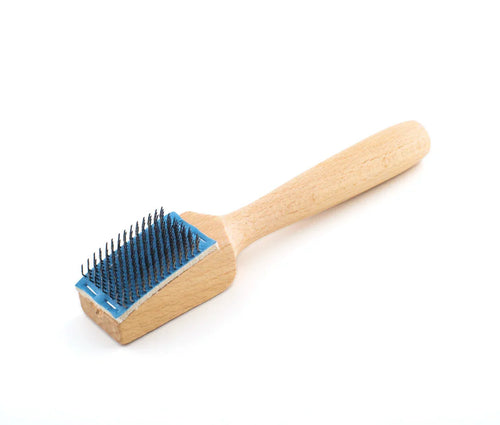
In Argentine tango, your shoes are not just an accessory; they are your most important tool. What I often see with men who are just starting out is that they try to dance in their everyday office shoes or, even worse, sneakers with rubber soles. While that might work for the first lesson, you will quickly notice that your technique suffers. A good tango shoe must meet two contradictory requirements: you must have grip to be able to push off, but you must also be able to slide and turn without your knees taking the blow. When picking out good men's tango shoes, the sole is the first thing you look at. In practice, you have the choice between leather and suede. Leather soles are the standard for the milonga (the social dance evening). They offer just enough smoothness to make smooth 'giros' (turns) on a wooden floor. Suede is often slightly more resistant and is seen a lot in training shoes because it gives you more control, but it also requires more maintenance with a wire brush to keep it dust-free.The anatomy of the tango axis
A specific feature of Argentine tango is the forward axis. Unlike ballroom, where your weight is often more centered, in tango you lean subtly towards your partner. Specific tango shoes therefore often have a small heel elevation, usually between 2 and 4 centimeters. This helps you anatomically to keep your weight on the ball of your foot. A common mistake is choosing a shoe with a sole that is too thick. You want to be able to 'feel' the floor. The thinner and more flexible the sole at the instep, the better you can articulate your foot during walking and embellishments (adornos). Don't forget that tango is a social dance where you are constantly in connection. If you are not stable, your partner feels it immediately. It is therefore essential that your partner also stands on the right footwear; quality women's tango shoes are just as important for her to be able to smoothly follow the axis shifts and pivots that you lead.Fit and material in practice
In practice, I often see men buying their shoes a size too large "for comfort." Don't do this. A tango shoe should fit your foot like a second skin. Leather always stretches a bit, so the shoe can feel quite tight when purchased. If your foot slides in the shoe during a 'boleo' or a quick step, you lose your balance and with it your confidence on the floor.- Choose real leather: Synthetic materials do not breathe and do not mold to your foot. After a four-hour milonga, you will certainly notice the difference in comfort and smell.
- Check the heel counter: The back of the shoe must be firm and enclose your heel well. If your heel comes up while walking, the shoe is too big or the fit is not suitable for your foot.
- The 'Pivot test': Put on the shoes and try to turn a circle on the ball of your foot on a smooth surface. Do you feel resistance in your knee? Then the sole is too grippy.
- Weight: A good dance shoe is surprisingly light. Heavy shoes make your footwork clumsy and tire your legs faster during long dance evenings.
Stylish Outfits for the Milonga
In practice, I notice that many men struggle with the balance between elegance and physical comfort during a milonga. Argentine tango is an intensive dance where your heart rate goes up considerably, but the etiquette of the milonga requires a groomed, classic appearance. What I often see with experienced dancers is that they choose materials that breathe. A heavy wool blazer looks beautiful at the start of the evening, but after three tandas on a crowded dance floor, it often becomes a burden. Better to choose a lighter jacket or a waistcoat, allowing your arms to move more freely in the abrazo.
Functionality meets Etiquette
A common mistake is wearing a shirt that is cut too tightly. When you embrace your partner, you bring your arms up and forward. If the sleeve set of your shirt is too low, the whole shirt pulls up as soon as you make the connection, which limits your freedom of movement in the shoulders. I often advise students to test whether they can fully extend their arms without the hem of the shirt popping out of the trousers. Additionally, the choice of your footwear is decisive for your technique. Without a smooth sole, a pivot (turn on the ball of the foot) is almost impossible without overloading your knees. These men's tango shoes are specifically designed to offer the right balance between grip and slide on the wooden floor of a milonga.
What is also often underestimated is the harmony with your dance partner. Although your outfit is a personal expression, Argentine tango is about the dialogue between two people. If you dance with a regular partner, it is advisable to coordinate the colors without "matching." While you pay attention to the cut of your trousers, it is crucial for the lady that she wears shoes that support her axis during complex figures such as the ochos. Quality women's tango shoes ensure that she stands stable, which makes it easier for you as a leader to give clear signals.
Practical Tips for the Dance Floor
During long evenings in a warm salon, there are a few practical matters that make the difference between a beginner and a seasoned milonguero. In practice, I see that the men who stay fresh all evening often use the following strategies:
- Always wear an undershirt made of high-quality cotton or bamboo. This absorbs perspiration and prevents your shirt from sticking to your skin, which feels unpleasant for your partner in a closed embrace.
- Choose trousers with a higher waist and a wider leg. The extra fabric around the legs not only gives more space for sacadas, but also creates a visually more beautiful line while walking.
- Take an extra shirt with you in your bag. It is very common to go to the changing room halfway through the evening to freshen up and put on a clean shirt.
- Pay attention to accessories: avoid large watches with sharp edges or heavy belt buckles. During a close abrazo, these can damage the delicate fabrics of your partner's dress or simply get in the way.
Ultimately, it's about your outfit giving you confidence. If you don't feel comfortable in your clothes, you radiate that in your dance. The best outfit is the one you forget as soon as the music starts, because everything fits exactly as it should. Invest in good basics specifically made for tango; the anatomy of the dance movements is so unique that regular off-the-rack clothing often falls short on the dance floor.
Comfort and Freedom of Movement During Dancing
In practice, I often notice that men underestimate the importance of freedom of movement when they go to a milonga for the first time. Argentine tango is a dance of extremes: from subtle, intimate steps in a tight embrace to powerful, extended movements like the boleo or gancho. If your clothing then works against you, you lose not only your balance, but also your pleasure in the dance. What I often see is that dancers choose standard slim-fit trousers that they also wear to the office. While this looks sharp in the mirror, the tight fabric at the thighs blocks your ability to take a full step backwards without losing your axis (your eje). A common mistake is wearing a blazer that is too tight at the shoulders. In tango, you hold your arms in a specific frame for long periods. If the sleeve set is too low or the back panel is too tight, the jacket crawls up as soon as you embrace your partner. This disrupts the connection and looks messy. In practice, I recommend choosing clothing with a high percentage of natural fibers such as fine wool or viscose, which move with the torsion of your body. Dissociation – the independent turning of your shoulders relative to your hips – is the core of Argentine tango and requires clothing that does not hinder this rotation.The anatomy of the right movement
The basis of your comfort, however, starts with your feet. The way you transfer weight from your heel to the ball of your foot determines your stability. A pair of quality men's tango shoes is essential here; they are designed with a specific flexibility in the sole that allows you to fully roll off your foot. This is crucial for the pivot, the turn on the ball of the foot that occurs in almost every tango figure. Without the right sole, you put unnecessary pressure on your knees and ankles, which can cause injuries in the long term. When you dance with a partner, it is also important that she has the space to move. This is a technical detail that is often skipped: if your trouser legs are too wide and too long, your partner's heel can get caught in them during a giro. For the followers, stability is just as important, which is why you see experienced female dancers always investing in professional tango shoes that offer the necessary grip and balance during complex turns.Practical tips for the milonga
During an evening of intensive dancing, the temperature in a milonga rises quickly. Comfort therefore also means that your clothing must be able to breathe. Here are a few points I always pay attention to myself:- Choose trousers with a 'double pleat' at the front. This gives extra space at the hips for deep steps and pivots without the fabric pulling.
- Wear an undershirt of cotton or bamboo. This absorbs perspiration and prevents your shirt from sticking to your skin, which restricts your freedom of movement.
- Check the length of your trousers with your dance shoes on. The hem should just touch the top of the shoe, so you don't step on your own clothing while walking backwards.
- Pay attention to the lining of your trousers. A smooth lining down to the knee helps the fabric glide over your leg instead of catching on your skin.
Authentic Argentine Tango Look
In practice, I often see men making the mistake of confusing the Argentine tango look with a formal office suit. While a certain degree of elegance is required, the authentic look in a milonga is about a specific balance between tradition, freedom of movement, and personal character. What I often see with experienced dancers in Buenos Aires is that their clothing does not restrict the movement of the dance, but rather accentuates it. A tight blazer might look sharp in the mirror, but as soon as you step into the 'abrazo' (embrace), the fabric crawls up at the shoulders and you lose that sharp line.The anatomy of the tango trouser
An essential part of the authentic look is the cut of the trousers. A common mistake is wearing modern 'slim-fit' trousers. In Argentine tango, you actually want trousers with a higher waist and extra space at the hips and thighs. This is not just an aesthetic choice; it is pure anatomical necessity. During complex steps such as ganchos or fast sacadas, you need that extra fabric to move unhindered. In practice, I often recommend paying attention to the following details in tango trousers:- The pleat: Double or even triple pleats provide the necessary space when your knees bend.
- The trouser leg: This can become slightly narrower towards the bottom, but must remain wide enough to mask the movement of the legs, which gives a mysterious effect to your footwork.
- The length: Make sure the trousers fall just on the instep of your shoe, so you don't trip over your own hems during backward steps.
Footwear as a foundation
The basis of your entire appearance — and your technique — are your shoes. I regularly see beginners appear in sneakers or stiff office shoes, but that is asking for knee injuries. Argentine tango revolves around the 'pivot' (turn on the ball of the foot). If your shoe has too much grip, your ankle blocks and your knee takes the torsion. Quality tango shoes are therefore equipped with a leather or suede sole that slides just enough, but also gives sufficient feedback from the floor. Don't forget that the look of the couple also counts. Although this guide focuses on men, I often see that harmony on the floor improves if the styles are coordinated. If you choose a classic black look, make sure your partner's tango shoes do not clash with your appearance. A well-groomed appearance is a sign of respect to your dance partner and the organizer in milonga culture.The vest and the details
Instead of a full blazer, in practice you increasingly see men choosing a waistcoat (vest). This is a smart choice for the modern milonga. A vest keeps your shirt in place and ensures a tight torso, while your arms have all the freedom for the embrace. Moreover, a vest helps to absorb perspiration, which is pleasant for your partner during a warm evening. A final tip from practice: pay attention to your materials. Avoid synthetic fabrics that do not breathe. Choose thin wool or high-quality cotton. An authentic Argentine look is not about the most expensive brand, but about how the clothing reacts to the music and your movements. If your clothing is right, you feel more confident, and that is directly reflected in your dance. The right men's tango shoes combined with well-fitting trousers form the core of that unmistakable tango elegance.Tips for a Complete Look
A common mistake I often see men make at their first milonga is that they think a standard office suit and regular shoes will suffice. In Argentine tango, however, everything is about the balance between tradition and functionality. What I often see is that dancers who look their best are completely sweaty after half an hour or can no longer turn because their clothing is too tight. A complete look goes beyond just aesthetics; it is about how your clothing helps you to get deep into the connection with your partner.
The basis: Why your shoes determine your dance
In practice, I see that quality men's tango shoes make the difference between a stiff turn and a fluid pivot. The technique of Argentine tango requires you to constantly turn over your axis. Regular shoes with rubber soles stick to the floor, which is disastrous for your knees and ankles. A good tango shoe has a sole of leather or suede that offers just enough grip not to slip, but is smooth enough to turn effortlessly.
If you go shopping with a partner, it is good to know that women's tango shoes are also specifically designed for that same stability and axis control. What I often advise my students is to invest in a model with a firm heel counter. In the bustle of a full milonga, you sometimes get bumped; a sturdy shoe protects your feet and gives you the necessary balance during complex figures such as the boleo or gancho. Therefore, choose a model from our collection of tango shoes that are both stylish and technically sound.
The trousers and the upper body: Freedom and comfort
The cut of your trousers is crucial for the visual impact of your dance. A common mistake is wearing slim-fit trousers that are too tight. Although this looks modern, it hinders your knee movements and hides the dynamics of your legs. In Argentine tango, experienced dancers often choose trousers with a wider cut, also known as the 'tango cut'. This ensures that the fabric falls beautifully along your legs during large steps and that your partner does not get tangled in excess fabric at the ankles.
- Choose breathable fabrics: Cotton or light wool blends are ideal. Avoid 100% synthetic materials; at a warm milonga you don't want your shirt sticking to your back.
- The length of the trousers: Make sure your trousers fall just on your shoe without forming 'heaps'. This keeps the line of your leg sharp and elegant.
- The shirt: Make sure your sleeves are not too long. You want your wrists to be free for a good abrazo (embrace).
The finishing touch: Hygiene and etiquette
In practice, the 'complete look' is not complete without attention to the details you don't see immediately, but do feel. Because tango is a dance where you stand very close to your partner, personal care is part of your outfit. Bringing a spare shirt to a milonga is not an unnecessary luxury, but a sign of respect to your dance partners. What I often see is that men take a moment to freshen up after an intensive tanda before inviting the next partner via the cabeceo (eye contact).
Don't forget your socks either. Nothing ruins an elegant look as quickly as a bare calf becoming visible when your trouser leg pulls up slightly during a seated break. Always wear long, dark socks that reach high enough. It is these small details that show you understand and respect the culture of the milonga.
Frequently Asked Questions
What do men wear for tango?
For Argentine tango, men ideally wear a combination of comfort and elegance. Wide trousers offer the necessary freedom of movement for complex steps, while a breathable shirt or a neat polo provides a groomed appearance. Crucial are specific tango shoes with a leather or suede sole, so you can turn smoothly on the dance floor of a milonga without unnecessarily straining your knees.
What is festive clothing for men?
Festive clothing for men ranges from a formal suit to a neat smart casual outfit. For a special Argentine tango evening or gala, you often choose a dark suit with a matching shirt. The most important thing is that the clothing not only looks festive, but is also functional during dancing, where materials with a bit of stretch are preferred for optimal wearing comfort.
What do you wear when you go dancing?
When you go dancing, choose clothes in which you can move freely and that are not too warm. Layers are smart because your body temperature rises quickly during an intensive milonga. Avoid jackets that are too tight and choose shoes that fit firmly but can slide well. For ballroom dancing, specific dance shoes are essential to prevent injuries and improve your technique, such as the pivots in tango.
What types of ballroom dances are there?
There are two main categories of ballroom dancing: Ballroom, such as the English Waltz and the Tango, and Latin, such as the Chacha and Rumba. Although the Standard Tango is part of ballroom dancing, Argentine tango is a separate discipline with its own social culture and clothing style. Each type of dance requires specific techniques and often also adapted footwear to perform the steps and turns correctly and, above all, safely.
Which shoes are best for Argentine tango?
The best shoes for Argentine tango have a smooth sole made of leather or suede. This allows you to turn easily without experiencing friction on the floor. For men, a slight heel is often desirable to shift the balance to the front of the foot, which is essential for the connection with your partner. Invest in quality tango shoes for better stability and long-lasting dancing pleasure.
How do I choose the right size tango trousers?
When choosing tango trousers, the fit around the hips and the length are crucial. The trousers must be spacious enough around the thighs for large steps, but absolutely must not drag on the ground to prevent tripping. Many dancers prefer a model with pleats at the front, which offers extra space during the intensive and fast movements that are so characteristic.
Is there a specific dress code for a milonga?
Although the dress code for a milonga can vary from casual to very formal, a well-groomed appearance is always appreciated. In Argentine tango culture, respect for your dance partner is important, which translates into clean, neat clothing and good personal hygiene. Whether you choose a modern shirt or a classic waistcoat, make sure your outfit increases your confidence on the dance floor and offers sufficient freedom of movement.
The beauty of Argentine tango is that your clothing not only reflects your personal style, but also determines your freedom of movement on the dance floor. What I especially want to share with you is that the right balance between elegance and functionality makes the difference during an intensive milonga. Remember above all that your foundation literally lies at your feet; invest in quality tango shoes that give you the necessary stability and flexibility for that perfect turn. When your clothing seamlessly matches the dynamics of your body, you can let go of the technique and fully immerse yourself in the music. Are you ready to take your wardrobe to the next level? Discover the stylish options in our men's tango collection for the ultimate dance experience. And if you dance with a partner, she will undoubtedly find her ideal outfit in the women's tango collection. The magic of tango happens the moment you enter the floor with complete confidence, knowing that every detail of your appearance is right.


