

Table of Contents
- Tango Versus Milonga Differences
- Dress Codes for the Milonga
- The Right Tango Shoes
- Outfits for Tango Lessons
- Stylish Argentine Tango Looks
- Comfort and Freedom of Movement Tips
- Frequently Asked Questions
You are standing at the edge of the dance floor, the dramatic sounds of Pugliese swell, but you immediately feel that your soles offer too much resistance on the smooth wooden floor. The right clothing for Argentine tango in 2026 is about the perfect balance between technical functionality, such as suede soles for controlled turns, and a timeless aesthetic that fits the etiquette of the milonga. In my classes, I still too often see dancers who unconsciously let their technique be hindered by a skirt that is too tight or heels that disrupt the stability of their axis.
After thousands of hours in the studio, I know that a good outfit gives your self-confidence a huge boost, but that your tango shoes are ultimately your most important tool. Whether you choose a classic look or the modern, breathable fabrics we are seeing a lot of this year, the focus should always be on how the fabric reacts during a complex ochos or a fast giro. I myself made the mistake of starting on soles that were too stiff, which cost me months of ankle strength to correct. With these six essential tips, I will help you make the right choices so that your clothing enhances your dance instead of working against it.
Tango Versus Milonga Differences
When we talk about Argentine tango, there is often confusion about the term 'milonga'. In practice, this word has a double meaning: it is both a specific dance style with a cheerful, fast rhythm and the name for the social dance evening itself. What I often see with dancers who are just starting out is that they underestimate the difference in intensity between a regular tango and a milonga tanda when choosing their outfit and footwear. At a milonga (the social evening), the etiquette is often somewhat more formal than during a weekly lesson. The clothing you choose should not only reflect the elegance of the dance but also be technically supportive for the 'ronda' – the flow of dancers on the floor. Because you often dance in a very closed embrace at a busy milonga, it is essential that your clothing has no sharp zippers, dangling necklaces, or large buttons that could hinder or injure your partner.Dynamics and technique in the milonga dance
When the DJ plays a tanda milonga, the dynamics on the floor change immediately. The steps become shorter, faster, and more rhythmic than in the melancholic tango. In practice, I see that many dancers have difficulty with their balance during the fast traspié (a technique where you make an extra weight change within the beat). Here, the anatomy of the foot and the position of your shoe are of great importance. Your weight must constantly remain over the ball of the foot to be able to make those fast, springy movements. A pair of high-quality men's tango shoes are indispensable here. These shoes provide the necessary stability in the heel and a sole that is smooth enough to turn, but rough enough to maintain grip during the fast accents of the milonga. For the ladies, the stability of the heel is even more crucial. During a fast milonga, you absolutely do not want your ankle to buckle outwards. Good women's tango shoes have a heel that is placed exactly under the natural support point of your heel, which is essential for maintaining your axis during fast turns and complex footwork.Practical clothing choice for the social floor
A common mistake I often see is wearing fabrics that are too heavy or too tight. Argentine tango is a dance of precision and dissociation (turning the shoulders relative to the hips). Your clothing must allow this torsion without pinching.- Choose breathable materials: A milonga can last for hours and the temperature on the floor rises quickly. Natural fabrics or high-quality stretch materials help you stay cool.
- Freedom of movement for the legs: For the ladies, a skirt with a slit or a wider cut is necessary to be able to perform ochos and boleos unhindered without the fabric getting caught between the legs or those of the partner.
- The right trouser length for men: Trousers that are too long can be dangerous on the dance floor, because you can get caught in the hem with your own heel during backward steps.
Dress Codes for the Milonga
When you transition from the weekly lesson to your first milonga, you immediately notice that the atmosphere changes. A milonga is not just a practice evening; it is a social ritual where presentation and etiquette go hand in hand with technique. What I often see with dancers who are just starting to visit salons is that they underestimate the impact of their clothing on the dance experience. In Argentine tango, everything revolves around the abrazo (the embrace) and the ronde (the line of dance). Your clothing should support these elements, not hinder them.
Functionality in the embrace
A common mistake is wearing accessories or fabrics that disrupt the connection with your partner. Think of large necklaces, brooches, or clothing with sharp zippers on the front. In practice, this causes discomfort during a close embrace. For the ladies, it is important that the fabric of a dress or top is not too slippery, so that the leader's hand does not slip away. At the same time, you want to avoid having sleeves that flare out too much, as these can get caught in your partner's hands during complex figures.
As for the bottom: freedom of movement is crucial. A skirt must be wide enough or have a strategic slit to allow a boleo or gancho without the fabric pulling. For a successful evening, it is also essential that your tango shoes have a suede or leather sole, so that you can pivot effortlessly on the ball of your foot without overtaxing your knees. A stiff sole on a wooden floor is a recipe for meniscus injuries.
The etiquette for heren
With men, I often see that the choice of a suit jacket is very much appreciated because of its elegant appearance, but pay attention to the fit at the shoulders. If a jacket is too stiff, it rides up as soon as you lift your arms in the frame position, breaking the connection in the chest. Many experienced dancers therefore choose a waistcoat or a high-quality shirt with a light stretch.
Another technical aspect is the trouser length. In Argentine tango, we make extensive use of lapices and enrosques, where the feet glide closely past each other. Trouser legs that are too wide and drag on the ground increase the chance of getting caught in your hem with your own heel. A solid pair of men's tango shoes with a stable heel helps you to better maintain your axis (your balance) during turns, which your partner will immediately feel in the stability of the lead.
Practical tips for the dance floor
In addition to aesthetics, there are a few practical matters I always recommend to my students to keep the experience pleasant for everyone:
- Lightweight fabrics: Milongas can get very warm. Natural materials such as silk, fine wool, or breathable viscose work better than synthetic fabrics that hold sweat.
- The Cabeceo factor: Your clothing helps you stand out during the cabeceo (inviting with the eyes). Wear something in which you feel confident; that look makes you a more attractive dance partner.
- Safety: Avoid shoes with a protruding edge or heels that are too sharp, which can damage your partner's feet during a parada.
- Spare clothing: In practice, many experienced men bring an extra shirt to change halfway through the evening. Nothing is less inviting than a clammy embrace.
Ultimately, clothing at a milonga is a sign of respect for your partner and the tradition. If you ensure that your outfit is technically correct — so it does not hinder your pivots and the abrazo — you can concentrate fully on the music and the connection with the other person.
The Right Tango Shoes
Your shoes are your most important tool on the dance floor. In Argentine tango, everything revolves around the connection with the floor and your partner. What I often see with beginners is that they try to dance in shoes with a rubber sole or sneakers. In practice, that is a recipe for knee injuries. During a turn (pivot), your shoe must move fluidly with the surface. If your sole 'bites' into the floor of the milonga, your knee joint takes the full rotation, which causes damage in the long term.
A good tango shoe has a sole of smooth leather or suede. Leather glides a bit more, which is nice on a rough wooden floor often seen in community centers. Suede gives that little bit of extra grip you need on a smooth parquet floor in a professional dance studio. In practice, I recommend always looking at the quality of the footbed; after all, you stand on the ball of your foot for hours.
Stability and Balance for Followers
For followers, the position of the heel is essential for good technique. A common mistake is looking exclusively at the height of the heel, while the positioning is much more important. The heel must be placed exactly under the center of your heel to keep your center of gravity stable. These women's tango shoes are specifically designed to maintain that balance during complex movements such as ochos and boleos.
What I often advise students who suffer from their ankles is to choose a model with a closed heel cup. This gives much more support than a shoe with only a thin strap at the back. Also, make sure the sole is flexible enough; you should be able to fully stretch your foot without the shoe resisting.
Flexibility and Contact for Leaders
For leaders, it is mainly about the contact with the ball of the foot and the ability to move weight without losing your balance. In practice, I often see men choosing standard neat men's shoes. Although these look nice, they often have a sole that is too thick and stiff and a heel that protrudes too far back. This hinders you in making a smooth step forward.
Good men's tango shoes have a thinner sole that allows you to literally feel the floor. This helps enormously in leading subtle movements from your own axis. Moreover, the heel of a real tango shoe is often slightly beveled on the inside, so that you do not accidentally get caught behind your own trouser leg or your partner's foot during a fast traspié.
Practical Checklist for Purchase
What should you specifically look for when investing in specialized footwear for the first time? Here are the most important points from practice:
- The fit: A tango shoe should fit like a second skin. Leather always stretches a bit, so definitely do not buy them too loose. Your toes should just touch the front without folding over.
- Cushioning: Good padding is needed, especially in the forefoot. Because you carry a lot of weight on the ball of your foot in tango, this prevents burning feet at the end of the evening.
- Sole material: Choose suede if you want a lot of control, or leather if you like a lot of turning speed.
- The heel cup: Check if your heel doesn't slip when taking a step; stability starts with a good enclosure of the hindfoot.
In practice, I see that dancers who switch to specific footwear make progress much faster. Your technique is simply less hindered by stiff material or a shaky balance. Whether you are a beginner or at the milonga weekly, your feet will thank you for the right support.
Outfits for Tango Lessons
In the dance school, I often see beginners underestimate the physical intensity of a tango lesson. Although Argentine tango looks modest on the outside, the technique demands a lot from your body. In practice, I notice that students who choose clothing that is too tight have difficulty with the basic movements. For a lesson, your priority is always freedom of movement and temperature control, in contrast to the formal clothing you wear later during a milonga.Focus on dissociation and legwork
A crucial part of Argentine tango is dissociation: the ability to turn your upper body independently of your lower body. If you wear stiff jeans or a pencil skirt, you block this rotation from the waist. What I often see is that dancers then compensate with their shoulders, which disrupts the connection with the partner. For the ladies, I usually recommend a skirt or dress made of a supple jersey fabric that falls just above or at the knee. This is not just for looks; it ensures that your partner can see your knees, which is essential for communication during complex steps. For the men, trousers with a bit of stretch or neat chinos are ideal. Avoid trouser legs that are too wide, where you can get caught with your own heel during a cross step.The importance of the right sole
A common mistake is wearing sneakers with thick rubber soles to class. In tango, everything revolves around 'pivots' (turning movements on the ball of the foot). Rubber provides too much resistance on the dance floor, which can lead to knee injuries in the long term. In practice, I see that students make progress much faster as soon as they switch to specific footwear. Quality tango shoes often have a sole of chrome leather or suede, allowing you to glide and turn in a controlled manner without overtaxing your joints. For men too, the stability of the shoe is decisive for a good 'lead'. A sturdy heel helps you to place your weight correctly forward, which is the basis of the tango axis. Good tango shoes offer that necessary support in the instep that you often miss with normal shoes.Practical tips for dance practice
During a lesson, you are constantly in close contact with others. This brings a number of practical considerations that I always share with my students:- Work with layers: The warm-up can be cool, but as soon as you start the intensive technique exercises, your body temperature rises quickly. A cardigan that you can easily take off is essential.
- Pay attention to accessories: Long necklaces or large bracelets can get caught in your partner's clothing during the embrace (abrazo). In practice, 'less is more' is the best rule for the lesson.
- Hygiene and fabrics: Choose breathable materials such as cotton or viscose. Synthetic fabrics hold sweat, which can be unpleasant in the close embrace that is so characteristic of Argentine tango.
- The length of the skirt: If you wear a longer skirt, make sure it has a slit. Without a slit, you limit your step size, which negatively affects your balance during backward steps.
Stylish Argentine Tango Looks
When you first walk into a milonga, one thing immediately stands out: the clothing is not just a fashion choice, it is an extension of the dance itself. In practice, I often see dancers make the mistake of choosing clothing that looks beautiful in the mirror, but that gets hopelessly in the way during an active tanda. The art of a good Argentine tango look lies in the balance between aesthetics and the technical requirements of the dance, such as the necessary dissociation in your upper body and the free space for your legs.
The Balance Between Elegance and Freedom of Movement
For ladies, the choice of skirt or dress is crucial for performing techniques such as the boleo or gancho. A common mistake is wearing a pencil skirt without a slit. In tango, your legs must be able to move past each other unhindered and there must be room for the knees to cross. I often recommend a skirt with an asymmetrical hem or a strategically placed slit at the back or side. This prevents you from getting caught in your own fabric during a fast turn.
What I often see is that dancers focus entirely on the dress, but forget that the basis starts at the feet. The stability of your axis is directly dependent on your footwear. Make sure you invest in quality women's tango shoes that offer your ankles the necessary support, especially when working on complex pivots where your full weight rests on the ball of one foot. A good shoe acts as an anchor on the floor, giving your upper body the freedom to communicate with your partner.
Functionality for the Men
For men, I often see in practice that the trousers are the biggest dealbreaker. Standard slim-fit trousers from a regular clothing store often limit the space in the groin and around the upper legs. This hinders the execution of a deep lunge or an elegant lapiz. Real tango trousers often have some extra space at the hips and taper slightly towards the ankles, so you don't get caught in your trouser leg with your own heel.
- Fabric choice: Avoid heavy, stiff fabrics. Choose materials with a small percentage of elastane for that much-needed stretch.
- Layers: Because the temperature at a full milonga rises quickly, it is smart to work with layers. A waistcoat over a shirt looks stylish and hides any perspiration stains better than just a tight shirt.
- Footwear: The sole is everything. Choose men's tango shoes with a smooth leather or suede sole. This is essential for making fluid turning movements without straining your knees.
The Psychology of the Look at the Milonga
Don't forget that clothing in Argentine tango also has a social function. During the cabeceo (the traditional way of inviting via eye contact), a well-groomed appearance helps to stand out in the room. A shiny detail, a striking color, or simply a perfectly fitting suit shows respect for your dance partners and the culture of the milonga.
A practical tip I always give: test your outfit at home by taking a few large steps and a full pivot. If the fabric pulls, rides up, or limits your extension, then it is not suitable for the dance floor. In tango, you want your clothing to move with you like a second skin, so you can concentrate fully on the connection with your partner and the music.
Comfort and Freedom of Movement Tips
In practice, I often see dancers being guided in their choice of Argentine tango clothing by how an outfit looks in the mirror, while the real test only takes place on the dance floor of a busy milonga. Argentine tango is all about the connection in the abrazo (the embrace). If your clothing prevents you from moving your arms freely or rotating your torso, you immediately lose that subtle communication with your partner. Comfort is not a luxury in this dance, but a technical requirement.The impact of the abrazo on your clothing choice
What I often see is that men wear jackets or shirts that are too tight around the shoulders. As soon as you lift your arms for the embrace, the fabric rides up and blocks the neckline, making your posture unnecessarily tense. For ladies, a similar problem often applies to tops: a halter neck that is too tight or straps that cut in can take your focus away from the dance. A common mistake is underestimating the torsion in the back. During figures such as the ochó, you turn your upper body relative to your hips. Clothing without stretch will pull here, which is not only uncomfortable but also limits your range of motion. Therefore, always choose fabrics that move with you, such as high-quality jersey, viscose, or silk blends with a small percentage of elastane. These materials also breathe better, which is essential when the temperature on the dance floor rises.Stability and the technique of the pivot
The technique of Argentine tango leans heavily on the pivot – turning on the ball of the foot. In practice, I notice that the right balance between grip and glide makes the difference between injury-free dancing and overstrained knees. If your soles are too rough, you block while turning, which immediately puts tension on your joints. For the followers, the heel height and the placement of the heel are crucial for stability. These tango shoes are specifically designed to distribute the pressure evenly over the forefoot, which is essential because the tango axis is often slightly tilted forward. For the leaders, too, the sole construction is of decisive importance. Many men make the mistake of dancing in standard shoes with a thick rubber sole, but the right tango shoes offer a suede or smooth leather sole that allows exactly enough rotation without losing control of your axis.Room for dynamic footwork
In complex figures such as boleos or ganchos, the freedom of movement of the legs is decisive. A common mistake for ladies is wearing a pencil skirt without a slit. Although this looks elegant, it significantly limits the step length. In tango, you want to be able to fully stretch your legs from the hip. A slit is therefore not just a style element, but a functional necessity to be able to make those deep steps backwards or sideways unhindered.- Fabric choice: Avoid heavy, stiff fabrics such as thick denim. These absorb moisture and become heavy during a long evening of dancing.
- The 'Sit Test': Always test your clothing by taking a few steps and keeping your arms in the dance position. If the fabric pulls or rides up anywhere, it will only get worse at the milonga.
- Safety: Watch out for dangling accessories or large jewelry. In a tight abrazo, these can get caught in your partner's clothing, which can lead to painful situations.
Frequently Asked Questions
What do you wear to a milonga?
To a milonga, you usually wear elegant and festive clothing that offers enough freedom of movement for the dance floor. For ladies, dresses or skirts with a slit are ideal for stepping unhindered. Men often choose neat trousers and a breathable shirt. The most important thing is that your clothing is comfortable while dancing and that your shoes have a smooth sole for turning movements.
What do you wear when you dance the tango?
When dancing the Argentine tango, clothing that moves flexibly is essential. Choose fabrics with stretch, such as lycra or jersey, so that your legs can move freely during complex steps. Ladies often wear clothing that accentuates the legs, while men choose trousers that are not too tight around the upper legs. Good tango shoes with the right support are indispensable for a stable posture.
What is the difference between tango and milonga?
The term tango refers to the dance style itself, while a milonga has two meanings: it is a social dance evening where people dance tango and a specific music genre within tango with a faster, more cheerful rhythm. Specific etiquette, the so-called codigos, often apply at a milonga evening. The style of clothing here is usually a lot more formal than during a regular tango lesson or an informal practice evening in the studio.
What shoes should you wear for a tango lesson?
For a tango lesson, shoes with a smooth sole made of leather or suede are necessary to be able to turn safely without straining your knees. Beginners can start in neat shoes that fit firmly around the foot, but special tango shoes offer the best balance and flexibility. Avoid rubber soles or sneakers with a lot of profile, as these seriously hinder smooth turning movements on the dance floor.
What should you look for when buying tango shoes?
When buying tango shoes, the fit and the stability of the heel are crucial for your dancing pleasure. The shoe should fit your foot like a second skin to prevent sliding. Pay specific attention to the position of the heel; it should be directly under your heel for optimal balance. For ladies, the heel height usually varies between seven and nine centimeters, depending on experience.
Is there a specific dress code for Argentine tango?
Although there is no strict uniform, Argentine tango always strives for a well-groomed and elegant appearance. The dress code varies from casual-chic during lessons to very formal during major international milongas. It is important that the clothing does not hinder the connection between the dance partners; therefore, avoid accessories that are too large or items of clothing that can get in the way during the embrace or when making fast leg movements.
How do you best maintain your tango clothing and shoes?
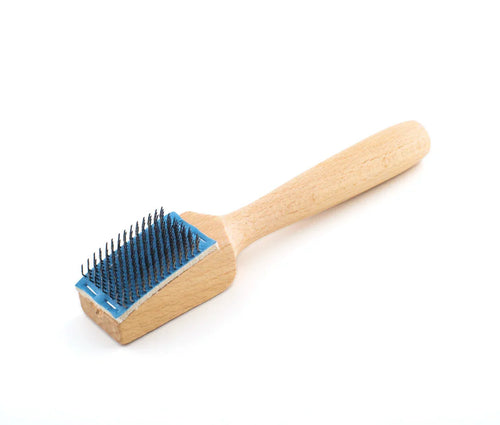
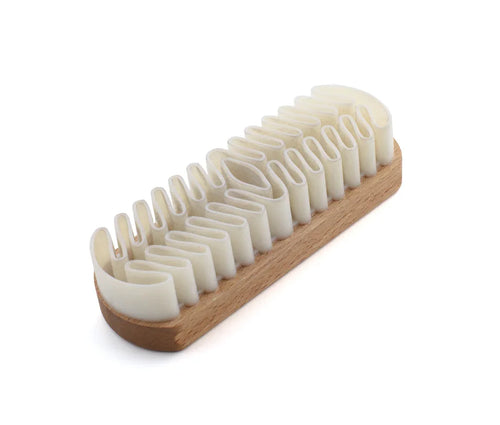
Good maintenance significantly extends the life of your precious tango equipment. Regularly brush the suede soles of your tango shoes with a special wire brush to maintain the necessary grip. Always wash your dance clothing according to the instructions, preferably on a mild program, to protect the elasticity of the fabrics. Let your shoes air out well after every milonga and always store them in a fabric bag.
The beauty of Argentine tango is that your clothing is much more than just an outward presentation; it is an essential extension of your movement and the connection with your partner. What I especially want to give you is that the right balance between elegance and freedom of movement directly increases your self-confidence at the milonga. Above all, remember that your tango shoes are your most important instrument; a good sole that allows smooth pivoting is indispensable to prevent injuries and refine your technique. When you invest in quality, you invest in hours of dancing pleasure without distraction. If you are looking for that perfect combination of style and comfort, check out our women's tango collection or be inspired by the refined items in our men's tango collection. Ultimately, this dance is about the moment and surrender. Make sure your clothing supports you, so you only have to let yourself be guided by the music and your heart.


