

Table of Contents
- Basics of Tango Shoes
- Tips for Breaking In Shoes Faster
- Stretching Tight Shoes
- Breaking In Pumps Comfortably
- Dancing Without Pain
- Maintenance after the Milonga
- Frequently Asked Questions
You've finally scored those gorgeous handmade heels from Buenos Aires, but after one tanda at the milonga, your feet feel like they're in a vice. Breaking in new tango shoes is a precise process where you gradually let the leather and suede soles mold to your foot to prevent painful pressure points and blisters. By wearing your shoes at home first with thick socks or treating stiff spots with a specific stretching spray, you create the necessary flexibility for smooth pivoting movements.
In my classes, I regularly see dancers who take their new acquisitions straight to a crowded ball, only to end up using band-aids after fifteen minutes. That's a shame, because a good shoe for Argentine tango should ultimately feel like a second skin. I still remember my own first pair; I was stubborn enough to wear them for a whole evening right away, which resulted in painful feet for days. Nowadays, I know that patience is the key to long-lasting dancing pleasure. Whether you dance on low practice shoes or 9-centimeter stilettos, the quality of your pivots and ochos depends entirely on how well your shoe moves with your foot. With the right approach, you transform those stiff soles into comfortable footwear that you can effortlessly wear all night long.
Basics of Tango Shoes
The first thing I always tell students is that a regular pump or a standard formal men's shoe simply doesn't suffice on the dance floor of a milonga. In Argentine tango, everything revolves around the 'dissociation' between your upper and lower body and the ability to pivot smoothly on your own axis. In practice, I often see beginners struggling with their balance or getting joint pain because their soles have too much grip on the wooden floor, which is disastrous for the knees during complex turns.Construction and Materials
A good tango shoe is essentially a technical instrument. What I often see is people underestimating the flexibility of the sole. Unlike stiff street shoes, a dance shoe must follow the natural arch of your foot with every step you take. For the follower, the placement of the heel is crucial; it must be positioned exactly under the natural center of the heel for maximum stability during fast boleos or powerful crosses. When choosing high-quality women's tango shoes, it is therefore essential to look not only at aesthetics but especially at the firmness of the heel counter and the balance of the heel.
The materials play a major role in how the shoe ultimately molds to your foot. Leather has the property of stretching slightly and adapting to the anatomy of your foot, while suede is even more flexible. Satin, on the other hand, barely stretches. A common mistake I see when purchasing men's tango shoes is that they are bought too loose at the start. A men's shoe should fit around the instep like a second skin; if your foot slides during a powerful sacada, you immediately lose control over your leading.
The Sole: Contact with the Floor
During a milonga, you spend hours on your feet, constantly communicating with the floor. The sole is your most important tool. Usually, you have a choice between two specific types:
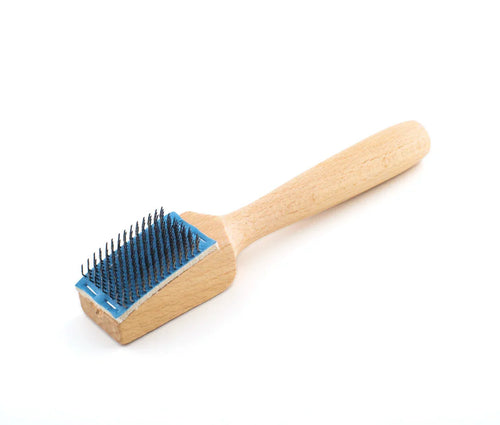
- Chrome Leather (Suede): This offers a lot of control and a pleasant 'feel' with the floor. It is ideal for floors that are somewhat slippery, though you must regularly roughen the sole with a wire brush to keep the grip optimal.
- Hard Leather: This is the traditional choice for Argentine tango. Hard leather soles allow you to pivot (turn) almost effortlessly without any resistance, which is essential for fluid ochos.
What I often notice in practice is that dancers with knee problems often dance with too much resistance. If you notice your foot 'sticking' to the floor during a turn, it's a sign that your soles are not suitable for that specific surface. The right tango shoes should provide just enough glide to relieve your joints, but at the same time give enough grip not to slip during a deep parada.
Anatomy and Balance
In tango, we constantly shift our weight to the ball of the foot (the metatarsals). This is a fundamental difference from normal walking, where you usually land on your heel. A good dance shoe supports this specific posture by adjusting the weight distribution in the sole. In men's shoes, you often see a slightly raised heel, the so-called 'French heel', which helps bring your center of gravity slightly forward. This improves the connection in the embrace (the abrazo). For women, the 'shank' — the metal or plastic reinforcement in the sole — is of vital importance; if it is too weak, you lose stability in your axis, which you immediately notice in the quality of your balance and your ability to perform decorations (adornos).
Tips for Breaking In Shoes Faster
You've finally found that perfect pair, but after the first fifteen minutes in class, you already feel the first pressure points appearing. This is completely normal in Argentine tango. Leather is a natural product that must mold to the unique anatomy of your foot, especially around the ball of the foot and the heel counter. What I often see on the dance floor is dancers giving up too quickly or applying band-aids to spots where the shoe actually just needs to be 'broken in' a bit more.
A common mistake I see among beginner dancers is that they take their new tango shoes directly to a full milonga that lasts four hours. In practice, this almost always ends in painful feet and an early departure. Your feet swell due to the heat and the constant strain of pivoting, making those tight edges feel like knives after an hour. Here are the techniques I use myself to speed up this process without damaging my feet.
The 'Thick Socks' Method
This might sound illogical, but it is the most effective way to stretch leather in a controlled manner. Put on a pair of thick hiking socks or two pairs of tennis socks at home and force yourself to wear your new shoes for half an hour while just walking around the house. The volume of the socks provides constant, mild pressure on the tight parts of the upper.
In practice, I see that most gains are made at the instep and the sides of the forefoot. If you notice a specific point is really pinching, you can very carefully heat the shoe (while wearing it with those thick socks) with a hairdryer on the lowest setting. Keep the hairdryer at least 20 centimeters away and move it constantly. The heat makes the leather more flexible and it stretches more easily with the shape of your foot. Then leave the shoes on until the leather has completely cooled down; this 'freezes' the new shape into the material.
Short Sessions and Home Use
Build up the wearing time slowly. Start with sessions of 15 to 20 minutes during your daily activities. What I often advise students is to put the shoes on while cooking or while sitting at your desk. Your feet get warm, the leather becomes flexible, but you aren't yet taxing your joints with the complex movements of Argentine tango.
This applies just as strongly to men. The stiffer leather or patent leather types of men's tango shoes often need more time to soften around the heel and the lace closure. Notice the heel counter is still too stiff? Massage the leather manually with your thumbs to break the fibers. Do this carefully; you want to make the leather flexible, not crack or damage it.
Targeted Stretching Techniques for the Milonga
Sometimes a shoe is just too tight at the little toe or the hallux valgus (the bunion at the big toe). In that case, you can use specific 'stretching sprays' that temporarily relax the leather fibers. Spray the inside of the shoe and go dancing immediately. It's the combination of the liquid and the mechanical pressure of your foot during an ocho or a turn that ensures the shoe gives space exactly where you need it.
- Use a shoe tree: Place a wooden shoe tree in your shoes immediately after dancing. The wood absorbs moisture and keeps the leather taut while it dries, which prevents the shoe from shrinking or wrinkling again.
- Alcohol and water: An old trick from the dance world is lightly moistening the inside of the shoe with a mixture of 50% water and 50% alcohol on the pinching spots. This works faster than water alone, but be careful with delicate colors.
- Focus on the sole: Don't forget that the sole also needs to get used to it. A new suede sole can sometimes be too stiff, which puts pressure on your knees. Brush the sole before you hit the floor to find the right balance between grip and glide.
Remember that a good dance shoe should feel like a second skin. If you still experience severe pain after three weeks of consistent breaking in, it may be that the last simply doesn't match your foot shape. But in 90% of the cases, a little patience and the right 'warm' break-in method is the secret to nights of dancing pleasure without blisters.
Stretching Tight Shoes
It happens to the best dancers: you find that one pair of dream shoes for the milonga, but after fifteen minutes on the dance floor, you notice the pressure on your forefoot or heel becomes almost unbearable. In practice, I often see dancers buying their shoes a bit too tight out of fear that the leather will stretch too much, but there is a limit to what your feet can endure. Argentine tango asks a lot of your feet, especially during complex turns and pivots where the pressure on the metatarsals (the midfoot bones) increases enormously.
What I often advise if a shoe is just slightly too tight at the base of the toes is the hairdryer method combined with thick socks. Put on a pair of thick winter socks and force your feet into the shoes. Then use a hairdryer to heat the leather on the pinching spots for thirty seconds while moving your foot and curling your toes. Then let the shoes cool down completely on your foot. With high-quality women's tango shoes made of lambskin or suede, this works excellently because the heat softens the natural fibers of the leather without affecting the structure.
Professional tools and stretching sprays
A common mistake is soaking the shoe with water in the hope that the leather expands. Never do this; water can dry out the leather and even leave stains on delicate finishes. Instead, you're better off using a specific alcohol-based shoe stretch spray. Spray the inside of the shoe in the spots where it pinches and go dancing immediately. The combination of the liquid and the heat of your foot ensures targeted stretching.
For the sturdier men's tango shoes, which are often made of thicker cowhide or patent leather, a mechanical shoe stretcher with attachments (plugs) is often more effective. This allows you to apply pressure very locally to a specific point, such as a hallux valgus or a sensitive little toe, without pulling the whole shoe out of shape.
Practical tips for optimal results
If you start stretching your shoes yourself, keep the following points in mind that I have learned over the years:
- Focus on the width, not the length: Leather stretches in width, but a shoe that is too short at the toes will never become longer. If your toes are curled over, the size is simply too small.
- Satin doesn't stretch: Do you have shoes made of satin or other textiles? Save yourself the trouble of stretching; these materials do not have natural stretch like leather does.
- Visit the cobbler: For stubborn pressure points at the heel or heavy leather soles, a professional cobbler can put the shoe on a last. They have machines that can apply constant pressure that you can never achieve with your own feet.
- The 'milonga test': Always stretch your shoes in small steps. It's easier to give a shoe an extra millimeter than to make a stretched-out shoe fit again.
In practice, I see that most tango shoes take their final shape after about five to ten hours of dancing. If the shoe still hurts during a simple giro after that period, it's time to reach for tools. Remember that a good fit is essential for your balance; if you unconsciously pull in your toes against the pain, you block the free movement of your ankle and knee, which can cause injuries in the long term.
Breaking In Pumps Comfortably
You've finally found that beautiful pair for the next milonga, but the first time you put them on, they still feel a bit stiff. That's very normal. When you invest in high-quality women's tango shoes, the leather is often still firm to provide the necessary support during complex steps. In practice, however, I often see dancers making the mistake of taking their new pumps straight to a four-hour dance evening. The result? Blisters and painful feet before the second tanda is even over.
A technique I always recommend is wearing your shoes indoors with a pair of thick hiking socks. This might sound strange, but the combination of the light pressure from the socks and the natural heat of your feet helps the leather mold more quickly to your specific anatomy. Focus especially on the pressure points at the ball of the foot and the heel. While men's tango shoes often have a larger surface area to distribute pressure, with women's pumps, almost all weight rests on the forefoot, making extra attention to breaking them in essential.
Focus on the Pivot and Anatomy
In Argentine tango, everything revolves around the connection with the floor and the technique of the pivot. During the breaking-in process, it is important not just to stand still, but also to make specific movements that you would also do during a milonga. What I often advise my students:
- Practice slow ochos in the living room. This stretches the material around the instep in a natural way.
- Make small pivoting movements on the ball of the foot to feel if the sole offers enough flexibility.
- Pay attention to the position of your metatarsals; if you notice your toes are being squeezed too much, a shoe stretcher with attachments can help create more space locally.
A common mistake is using aggressive agents like alcohol or excessive water to make the leather flexible. This can damage the finish of your shoes and dry out the leather in the long run. Better to use a specific leather conditioner or let the natural heat of your foot do the work during short sessions of 15 to 30 minutes.
Surviving the First Milonga
If the shoes feel comfortable at home, it's time for the real test. In practice, I see that the heat in a crowded dance hall causes your feet to expand slightly. Therefore, always take your old, trusted pair as a backup just in case. Start the evening in your new pumps, but switch as soon as you feel the first signs of friction. The goal is to let the material 'remember' how your foot moves during an active dance, without you adjusting your technique to avoid pain.
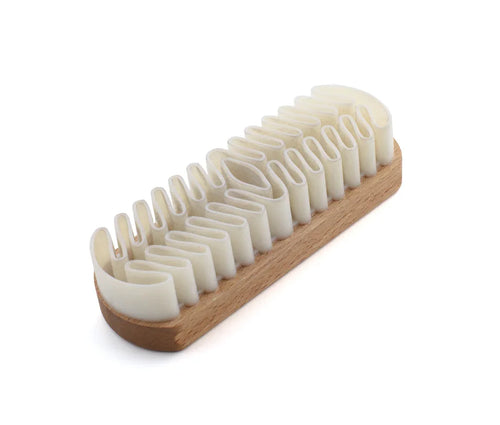
Also pay attention to the suede sole. With new shoes, it can be very stiff or even too slippery at first. Use a sole brush to roughen up the suede fibers. This gives you the necessary grip for powerful steps, while still allowing you to pivot smoothly enough without straining your knees. A well-broken-in pump should feel like an extension of your leg, where the heel stays firmly in place during every acceleration in the music.
Dancing Without Pain
In practice, I often notice that dancers accept foot pain as an inevitable part of Argentine tango, especially during a long milonga. This is a misconception that can quite ruin your dancing pleasure in the long term. Pain causes you to unconsciously adjust your posture; you start compensating by shifting your weight back or locking your knees, which immediately disrupts the fluid movement of the dance. What I often see is that the biggest culprit is not the heel height, but a lack of flexibility in the sole or incorrect pressure distribution under the ball of the foot.
A common mistake is wearing brand new shoes directly to a busy dance party. The heat and the intensity of the movements cause your feet to expand slightly. If the leather hasn't yet adapted to your foot shape, pressure points are guaranteed to occur. For followers, the stability of the heel is crucial to maintaining the axis during fast pivots. In high-quality women's tango shoes, the position of the heel is placed exactly under the center of the heel, which significantly reduces pressure on the forefoot and lessens the chance of cramps in the arch.
The anatomy of the pivot and foot strain
During Argentine tango, we constantly use the 'pivot', a turning movement on the ball of the foot. This puts enormous pressure on the metatarsals (the midfoot bones). In practice, I see that dancers who suffer from burning feet often wear shoes with a too thin or too hard insole. A good tango shoe must provide firmness for balance on one hand, but on the other hand have enough cushioning to absorb the impact of the steps. For leaders, this is just as relevant; although they often wear lower heels, the torsion in the shoe during a sacada or turn is intensive. Good men's tango shoes should therefore provide direct support to the instep, so that the foot does not slide in the shoe, which prevents blisters on the heel.
To stay pain-free, I recommend paying attention to the following points when breaking in and using your shoes:
- Wear your new shoes the first few times at home with a thin sock. The heat of your foot combined with the light pressure of the sock helps the leather stretch faster without you getting blisters.
- Use a specific suede brush for the soles. A smooth sole causes you to lose grip, making you use unnecessary force with your toes to 'grab' the floor.
- Pay attention to the closure. In many models, I see the buckle being set too tight out of fear of instability, which cuts off circulation. The shoe should be secured by the fit, not by the tightness of the strap.
- Massage the leather in places where it feels stiff, such as at the little toe or the heel counter, to manually make the fibers a bit more flexible before you hit the dance floor.
Listen to your body's signals
If you feel a stabbing pain in your plantar fascia (under the arch) while dancing, it's often a sign that the shoe doesn't provide enough support for your specific foot type. In practice, a small adjustment, such as a thin gel insole or having the shoe stretched by a professional cobbler, can make a world of difference. Remember that Argentine tango is an improvisational dance; you must be able to fully trust your feet to respond to the subtle signals of your partner. Pain-free feet are the basis for a good connection and an elegant dance posture, allowing you to dance that last tanda of the evening with as much energy as the first.
Maintenance after the Milonga
After an evening full of intense tandas on a smooth wooden floor, not only do your feet need rest, but your shoes need at least as much. What I often see with students is that after the last tanda, they stuff their shoes directly into a closed bag and leave them there until the next lesson or milonga. This is one of the fastest ways to shorten the lifespan of your precious footwear. The leather needs time to recover from the heat and moisture released during dancing.
In practice, I see that the moisture from your feet makes the leather softer. If you don't give your women's tango shoes the chance to dry quietly, the material loses its shape retention. This results in shoes that start to 'bag out' faster, causing you to lose that essential stability you need for a sharp ocho or a controlled giro. A good habit is to take your shoes out of the bag immediately upon arriving home and put them in a dry place, but never near a heater. The heat from a radiator makes the leather brittle and can affect the glue joints of the sole.
Care of the sole and the leather
A common mistake is ignoring the suede sole after an evening on a floor that might contain just a bit too much talcum powder or dirt. When the sole is polished 'smooth' by dancing, you lose the grip needed for your axis control. Use a special wire brush after every milonga to lift the suede fibers again. Always brush from the center to the outside to remove dirt effectively. This ensures that next time you find that perfect balance between gliding and grip again.
- Airing out: Take your shoes out of your bag immediately and let them rest for at least 24 hours before using them again.
- Shape retention: Use untreated cedar wood shoe trees for your men's tango shoes. The wood absorbs moisture and keeps the leather taut, preventing unpleasant odors and wrinkles in the leather.
- Inspection: Check the heels (tips). With women's heels, I often see people walking too long on a worn heel tip, causing the metal pin to damage the floor and permanently change the balance of the shoe.
The influence of perspiration on the fit
Tango is a physically demanding dance, and the close embrace (abrazo) ensures extra heat transfer. This means your shoes have a lot to endure on the inside. What I often advise is to alternate between two pairs of shoes for intensive use. This gives the leather time to completely desalinate from the salts in your sweat. In practice, this extends the life of your shoes not by a few months, but often by years.
Also pay attention to the inner lining. Many high-quality tango shoes have a calfskin lining that absorbs sweat. If this lining starts to feel hard or grainy, it's a sign that the leather is dried out. A little bit of colorless leather balm on the inside (only on the smooth parts, not on the suede footbed) can work wonders to keep the material flexible. A flexible shoe molds much better to the anatomy of your foot, which is essential for the subtle footwork that Argentine tango requires.
Frequently Asked Questions
How can I break in pumps?
Wear your pumps at home first with thick socks to gently stretch the material without risking blisters. Use a hairdryer on the tight spots while wearing them if necessary; the heat makes the leather more flexible. Move your feet well while wearing them. For tango pumps, it is essential to practice short sessions before going to a milonga.
How can I break in my shoes faster?
To break in tango shoes faster, you can use a special stretching spray for leather. Apply the spray to the pinching parts and wear the shoes immediately afterward. Wearing slightly damp socks in the shoes can also speed up the process, as leather molds faster to moisture and heat. However, never force the process to prevent damage to the leather.
How do you make tight shoes wider?
You can make tight shoes wider by using a shoe stretcher, which increases the width of the leather in a controlled manner. A well-known tip is to fill bags with water, place them in the shoes, and put them in the freezer; the expanding ice stretches the shoe. For delicate Argentine tango shoes, however, a professional cobbler is often the safest choice.
What can you do if your shoes are too tight?
If your shoes are too tight, you can use plasters or anti-blister sticks on pressure points to reduce direct friction. Lightly moistening the inside with a mixture of water and alcohol can temporarily soften the leather while you walk. Do they continue to pinch painfully? Have them professionally stretched. In tango, a good fit is crucial to prevent injuries while dancing.
Why are specific tango shoes different from normal pumps?
Argentine tango shoes are specifically designed for optimal freedom of movement and stability on the dance floor. They usually have a suede or smooth leather sole that offers just enough grip and slip for fast pivoting movements. The heel is often centrally placed for better balance. Unlike regular pumps, they offer the flexibility needed for the complex foot technique that the dance requires.
How long does it take on average to break in new tango shoes?
On average, it takes about five to ten hours of effective wearing time before tango shoes have completely molded to the unique shape of your foot. Always start with short sessions of fifteen minutes at home and slowly build this up to an hour. It is unwise to wear brand new shoes for a whole evening during a milonga right away, as this often leads to blisters.
What should I do if my tango shoes feel too loose after breaking them in?
If your shoes feel slightly too loose or slip at the heel after breaking them in, you can use special anti-slip heel pads or thin insoles. For open-toe tango shoes, suede half-soles often help to prevent the foot from sliding forward. Also, make sure the ankle straps are tight enough so that your foot stays firmly connected to the sole.
The beauty of Argentine tango is the deep, almost magical connection you build with the floor and your partner. That connection starts at the absolute base: your shoes. Above all, remember that breaking in a new pair is an essential ritual that requires patience; give the leather time to fully mold to the unique contours of your feet. By breaking them in quietly at home and possibly using tools like thick socks, you lay the foundation for hours of dancing pleasure without discomfort during the milonga. What I especially want to tell you is that comfort is the direct path to more self-confidence; when your feet feel fully supported, you can truly surrender to the music. Are you still looking for that one pair that fits like a glove? View our women's tango collection or be inspired by the men's tango collection for shoes that effortlessly combine craftsmanship and style. Your shoes are your most loyal partners on the dance floor; cherish them, and they will carry you through every beautiful tanda.


