

Table of Contents
- Difference Between Nuevo and Tradition
- Characteristics of Argentine Tango Shoes
- Salsa versus Tango Shoes
- Choosing the Right Fit
- Grip on the Milonga
- Is Argentine Tango Difficult?
- Frequently Asked Questions
If you're standing at the edge of the dance floor wobbling more than dancing, it's often due to your soles rather than your technique. When choosing the right tango shoes, it essentially comes down to weighing the stability of a traditional leather sole against the flexible cushioning of a modern nuevo design. In the years I've been teaching Argentine tango, I've seen countless pairs come and go, and the frustration is often the same: a shoe that looks beautiful but offers absolutely no grip on a slippery milonga or actually blocks your ankles during a quick ocho.
Traditional models are designed for the classic, compact embrace where a sturdy heel and a stiffer shaft help you maintain your axis. The more modern nuevo shoe, on the other hand, is a response to today's more athletic movements; they are lighter, often made with suede soles, and offer more freedom of movement for your forefoot. I find that my choice often depends on the floor I'm dancing on. A stiff wooden floor requires a completely different type of sole than a polished marble surface. In this comparison, I list the technical differences and my personal findings so that you choose not only the most beautiful but, above all, the most functional shoe for your specific dance style.
Difference Between Nuevo and Tradition
The difference between traditional Argentine tango and the more modern Tango Nuevo is not only in the music or the embrace but translates directly to the technical requirements you place on your equipment. In practice, I often see dancers transitioning from the classic milonga to a more dynamic Nuevo style struggling because their footwear doesn't cooperate with the larger, more athletic movements. Traditional tango is rooted in the 'eje' (the axis) and the connection within an often cramped space on a crowded dance floor.
In the traditional style, everything revolves around precision and small, controlled steps. What I often see is that dancers choose shoes with a harder leather sole that provides maximum feedback from the floor. You want to feel the texture of the wood to maintain your balance during a slow, intense pivot. For women, this often means a heel placed exactly under the center of gravity of the heel bone. These specific tango shoes are essential for the stability needed during a complex giro where the connection with the partner remains constant.
Dynamics and Freedom of Movement
Tango Nuevo requires a completely different physical approach. Here you more often see 'soltadas' (releasing the embrace), large ganchos, and deep sacadas where the legs demand much more space. The movements are more explosive and require more flexibility in the foot. A common mistake is wearing a too-stiff, traditional shoe for Nuevo; this hinders the natural roll of the foot during large, fast movements.
In practice, I notice that Nuevo dancers often benefit from a shoe with extra cushioning under the metatarsals (the ball of the foot). Because the impact of Nuevo movements is higher, that extra layer helps prevent fatigue in the forefoot. For men making many dynamic movements, the balance between grip and slip is crucial. You want to be able to push off powerfully without slipping, but you also need to be able to turn without overloading your knees. The right tango shoes for this style often have a suede sole or a hybrid sole that provides just enough resistance for acceleration.
Practical Considerations for the Dance Floor
If you're doubting between both styles, look at the technical details of the shoe construction. The anatomy of your movement determines which model you need:
- Sole material: Traditional leather soles are perfect for smooth parquet floors in a milonga, while suede offers more control on less-than-ideal floors often found at Nuevo events.
- Arch flexibility: In Nuevo, the shoe must allow the foot to stretch extremely for aesthetic 'boleos', whereas a traditional shoe often provides more rigid support in the arch for a stable posture.
- Heel height and balance: In traditional tango, a stable, often slightly higher heel is common to bring the weight to the ball of the foot. In Nuevo, you sometimes see lower, wider heels for more stability during acrobatic movements.
What I often advise my students is to start with the question: where do I dance the most? If you mainly dance in a closed embrace and enjoy the subtle footwork of Argentine tango, choose classic stability. However, if you experiment a lot with space and modern techniques, choose a model that prioritizes flexibility and shock absorption. A shoe that works against your technique will eventually lead to injuries and frustration on the dance floor.
Characteristics of Argentine Tango Shoes
In the years I've spent on the dance floor, I've seen countless dancers struggle with their footwork, often simply because their footwear didn't match the specific dynamics of the milonga. Argentine tango is fundamentally different from ballroom or other social dances; it revolves around a constant, subtle connection with the floor and the ability to pivot on your own axis at any moment. An ordinary shoe simply doesn't provide the technical support needed for the complex turns and weight transfers that this dance requires.
Sole and Pivoting Ability
An essential characteristic of good tango shoes for women is the sole. In practice, I often see beginners trying to dance in shoes with a rubber sole, but that's a recipe for knee injuries. Because you pivot a lot on the ball of the foot in tango—think of *ochos* and *giros*—you need a sole made of smooth leather or suede. This material offers just enough grip to not slip uncontrollably but is smooth enough to pivot without resistance.
A common mistake is choosing a sole that is too thick. In tango, you want to 'feel' the floor. The sole should be thin and flexible enough so you can fully articulate your foot and use your toes to maintain grip on the dance floor. This ground contact is crucial for your balance, or your *eje*.
Stability and Heel Placement
What I often see with men is that they choose a standard dress shoe, but it often lacks the necessary flexibility in the arch of the foot. Good tango shoes for men have a reinforced heel and a sole specifically designed to move with the foot's roll. In Argentine tango, you often walk with an active heel landing, followed by a quick weight shift to the ball of the foot. Without the right support under the instep, the foot tires quickly.
For women, the placement of the heel is the most important point of attention. A common problem with cheaper dance shoes is that the heel is placed too far back. This causes your weight to fall on your heels, whereas in tango you want to carry your weight slightly more forward, towards your partner. In high-quality tango shoes, the heel is placed exactly under the middle of your heel bone, ensuring a stable axis and preventing you from wobbling during fast musical accelerations.
- The Heel Cap: This must be sturdy and enclose the heel well. In a busy milonga, where you sometimes have to maneuver on a postage stamp, your foot must not slide in the shoe.
- Flexibility: The shoe must be flexible under the instep so you can fully stretch your foot for aesthetic lines and precision in your footwork.
- Fit: A tango shoe should fit like a second skin. Never buy them "with room to grow" or with extra space at the toes; leather always stretches and a loose shoe completely disrupts your balance.
- Cushioning: Although the sole should be thin, good cushioning under the ball of the foot is essential for dancing comfortably for hours on the often hard floors of dance halls.
In practice, I notice that dancers who invest in specific footwear progress much faster. It gives you the confidence to perform techniques like the *boleo* or complex *sacadas*, simply because you know your shoe supports your movement instead of working against it. Whether you choose a traditional style or a more modern design, the basic technical features remain the same: stability, pivoting ability, and a snug fit.
Salsa versus Tango Shoes
What I often see on the dance floor is beginners pulling their trusted salsa heels out of the closet for their first milonga. While that might suffice for the very first lesson, in practice you quickly notice that you run into technical limitations. Argentine tango requires a fundamentally different weight distribution and foot mechanics than salsa or bachata. Where salsa often revolves around speed, bounce, and lateral movements on the ball of the foot, tango revolves around the 'eje' (the axis), deep connection with the floor, and controlled deceleration.
A common mistake is underestimating the heel position. If you look at the collection of tango shoes for women, you'll see that the heel is often placed slightly more centrally under the heel bone than in a typical salsa shoe. In tango, you stand much more often and longer on one leg while performing a pivot (turn). If your heel is too far back, as with many fashionable salsa sandals, it becomes incredibly difficult to maintain your balance during a complex ocho or an elegant giro. You then fall 'off your axis' more quickly, which not only reduces your own dancing pleasure but also makes it harder for your partner to lead you.
Soles and the Mechanics of the Pivot
In Argentine tango, the 'pivot'—turning on the ball of the foot while the weight rests entirely on that leg—is the heart of the technique. This places specific demands on the sole of your shoe. What I often see with salsa shoes is that the soles are extremely flexible to allow for quick 'shines' and footwork. Tango shoes, however, need a certain stiffness in the arch of the foot to ensure stability during those slow, powerful transitions.
- Grip versus Slide: Salsa soles are often made of very soft suede that offers a lot of grip for quick stops. In a milonga, you actually need a sole that allows your foot to glide smoothly over the floor without locking up, which is essential to prevent knee injuries.
- Cushioning: The impact in tango is different; we don't make small jumps, but we 'push' against the floor. A good tango shoe often has more cushioning under the ball of the foot to combat fatigue during a hours-long salon.
- Heel Closure: In tango, a firm enclosure of the heel is crucial. Because we take many backward steps, the shoe absolutely must not slip at the heel.
For men too, the difference is noticeable in practice. In tango shoes for men, you often see a slightly higher heel (the so-called 'French heel') compared to a standard salsa shoe. This small difference in height helps the man bring his weight slightly more to the front of the foot, which significantly improves the connection with the partner in the 'embrace'. A flat salsa shoe often forces you too much onto your heels, creating a gap in the connection at chest height.
If you are serious about Argentine tango, I always recommend investing in footwear specifically made for this discipline. The difference in how you feel the floor and how stable you stand during a full turn is truly a world of difference. You'll find that techniques that once seemed impossible suddenly feel much more natural simply because your equipment is no longer working against you.
Choosing the Right Fit
In practice, I often see dancers buying their first pair of shoes a size too large. This is understandable, as we are used to the comfort of sneakers where our toes have plenty of room. In Argentine tango, however, this works counterproductively. What I often see on the dance floor is a dancer "swimming" in their shoe during a quick turn or a boleo. This directly compromises your stability and can even lead to injuries to your ankles or knees.
A common mistake is the idea that a shoe should feel like a slipper from the very first moment. A good tango shoe should actually feel like a second skin, or as we often say in the studio: like a tight glove. The leather of high-quality tango shoes for women always stretches a fraction due to the heat and moisture of your feet during an intensive milonga. If the shoe feels comfortably spacious at purchase, chances are you'll lose your grip after two months of dancing.
What to Look for Anatomically
When fitting, the position of your heel is crucial. Your heel must be firmly anchored in the back of the shoe without any space left at the heel cap. For men, the instep closure must keep the foot in place so that your toes don't slide forward during a parada. In practice, I notice that tango shoes for men often run half a size smaller than regular men's shoes to provide that necessary precision.
Pay attention to the following specific points when fitting:
- The Arch of the Foot: The sole of the shoe must fully support the natural hollow of your foot. If there is a gap between your arch and the insole, you will experience tired feet faster during a long milonga.
- Toe Position: Your toes should not be overlapping, but they should just touch the front of the shoe. In open shoes, the toes must absolutely not stick out over the edge of the sole; this is not only less aesthetically pleasing but also dangerous for your nails during footwork.
- The Balance Point: Stand on one foot and try a small pivot (turn). If you feel yourself tilting outwards or inwards, the last of the shoe does not match your anatomy.
The Test on the Dance Floor
A technique I always recommend to my students is to fit shoes at the end of the day. Your feet are then slightly more swollen, which gives a more realistic picture of how they will feel after two hours of dancing at a warm milonga. Don't just walk a lap, but simulate specific tango movements. Make an ocho forward and backward. Do you feel your heel lifting out of the shoe? Then the shoe is too large or the heel cap is too wide for your foot.
When choosing between Nuevo and traditional models, you often see that Nuevo shoes have slightly more cushioning. This can be tempting, but be careful that the sole doesn't become so thick that you lose contact with the floor. In Argentine tango, communication with your partner depends on how well you can "read" the floor. A too-thick sole acts as a filter that delays the signals. Therefore, always choose a balance between comfort and the hardness of the sole, so that every step you take is direct and controlled.
Grip on the Milonga
What I often see on the dance floor is dancers basing their shoe choice entirely on looks, while the sole ultimately determines whether you go home with knee pain or a sense of satisfaction at the end of the evening. The grip you have at a milonga depends not only on your technique but especially on the interaction between your sole and the floor. In practice, you encounter everything: from mirror-smooth parquet floors in old ballrooms to stiff, almost sticky tile floors in modern cultural centers. The choice between a Nuevo-style shoe or a traditional model has a direct impact on how you handle these variations.
A common mistake is the assumption that more grip is always better. In Argentine tango, the 'slide' is actually essential for making fluid movements. If your soles have too much grip, your joints lock up during a pivot. This puts enormous torsion on your knees and ankles, which leads to injuries in the long run. When fitting new women's tango shoes, I always advise paying attention to the balance between stability and pivoting ability. A sole should allow you to ground yourself when standing still but must not work against you as soon as you use the axis of your foot for a turn.
Leather versus Suede in Practice
In traditional tango, leather soles are used almost exclusively. Leather offers that characteristic 'crisp' feedback from the floor. You feel exactly where the resistance is. Nuevo shoes more often experiment with hybrid materials or treated suede. What I notice in practice is that suede often offers more grip on very slippery floors but also absorbs dirt and grease faster, causing it to lose its effectiveness.
- Leather Soles: Ideal for well-maintained wooden floors. They make fast footwork decorations (boleos and ganchos) easier because the resistance is constant.
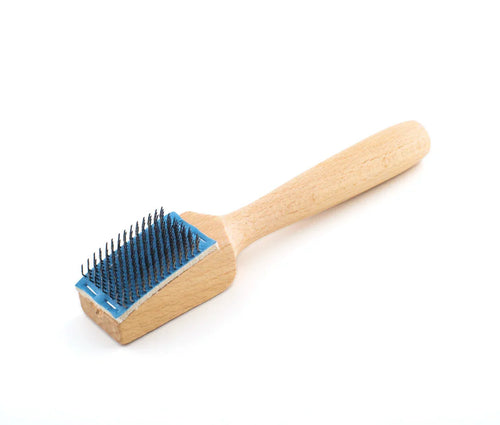
- Suede Soles: Give more confidence to beginners who are afraid of slipping, but require regular maintenance with a steel brush to keep the fibers open.
- Rubber Inserts: Sometimes you see Nuevo shoes with a small rubber tip. This is useful for extra grip during powerful push-offs but can be dangerous if the rubber hits the floor during a pivot.
The Anatomy of the Pivot and the Shoe
The dancer's axis is located directly above the ball of the foot, specifically at the heads of the metatarsals. A good tango shoe must offer exactly the right amount of friction at this point. In high-quality men's tango shoes, you often see that the sole under the forefoot is slightly wider. This increases the contact surface, distributing the pressure better during turns. This is crucial for complex Nuevo movements where the angle of the foot relative to the leg is often more extreme than in the closed, traditional embrace.
What I often advise students who struggle with their balance: take a critical look at the wear on your soles. If the sole under the ball of the foot is worn smooth, you lose control over your 'lapiz' or 'enrosque'. A traditional shoe with a thin leather sole gives you more direct contact with the nerve endings in your feet, which enormously improves your proprioception—the sense of where your body is in space. Nuevo models, on the other hand, often offer just a bit more cushioning, which is nice if you dance all evening on a hard concrete floor, but it sometimes comes at the expense of that fine feeling for the floor.
Ultimately, the milonga floor is unpredictable. In my experience, it's therefore smart to always have a backup scenario. Many experienced dancers carry both a pair with leather soles and a pair with suede so they can adapt to the specific conditions of the room. Whether you choose the modern flair of Nuevo or the proven stability of tradition, the connection with the floor always starts with the quality of your sole and how well it supports your natural anatomy during the dance.
Is Argentine Tango Difficult?
The question of whether Argentine tango is difficult depends heavily on how you look at dancing. In practice, I see that many beginners expect to have to remember a series of steps, as in ballroom. But tango is not a dance of rehearsed figures; it is an improvised language between two bodies. This makes the entry level accessible—after all, you can already walk—but the depth requires a good dose of patience and body awareness.
What I often see in students just starting out is frustration over the 'simplicity'. Walking in a close embrace (the abrazo) without losing your own balance is technically one of the most difficult parts. A common mistake is that dancers don't fully transfer their weight onto their standing leg. This creates a wobbly connection, making it impossible for the leader to clearly indicate what the next step is. In Argentine tango, everything revolves around the axis (el eje). If your axis is not stable, every movement becomes a battle against gravity.
The Role of Technique and Material
The learning process is significantly influenced by the technique of pivoting (turning on the ball of the foot). This is where the anatomy of the foot and the choice of footwear come together. In practice, I see that women trying to dance in regular pumps often experience knee pain because the sole has too much grip on the milonga floor. Specially designed women's tango shoes are essential because the sole offers just enough slip to turn smoothly, while the heel support helps you maintain your axis during complex movements like ochos or turns.
For men, the difficulty often lies in managing the space on the dance floor and simultaneously communicating with the partner. A stable base is half the battle. Good men's tango shoes with a leather sole ensure you maintain contact with the floor without 'sticking', which is crucial for the subtle weight shifts that form the basis of every lead.
What Makes the Learning Curve Steep?
If we look at the transition from traditional tango to tango nuevo, the difficulty level often increases with the introduction of 'off-axis' movements such as colgadas and voltadas. Here you literally lean out of your own balance, relying on the counterweight of your partner. This requires an advanced level of trust and physical control.
To master the basics, I recommend paying attention to the following points:
- Dissociation: Learn to move your upper body independently of your lower body. This is the key to smooth turns.
- Listening to the Music: Tango is rhythmically complex. Learn to recognize the accents of the orchestra (such as Di Sarli or D'Arienzo).
- Floor Management: In a busy milonga, you must be able to adapt your steps to the available space without interrupting the flow of the dancers.
- The Embrace: Work on a comfortable but active abrazo. It's not a passive posture, but a constant connection.
So, is it difficult? Yes, in the sense that it takes a lifetime to find the perfect connection. But the satisfaction you get when an improvisation feels seamless with your partner makes every training session and every blister on your feet more than worth it. It all starts with understanding your own body and allowing yourself the time to learn to speak this new language step by step.
Frequently Asked Questions
What is the difference between salsa and tango shoes?
The main difference between salsa and tango shoes lies in the sole and stability. Tango shoes often have a leather or suede sole specifically designed for precise turns on the ball of the foot. Furthermore, tango shoes offer more heel support and a stiffer shaft to maintain balance during the complex steps and pauses of Argentine tango, while salsa shoes are often more flexible.
Is it better to buy shoes too large or too small?
For Argentine tango, it's better to buy shoes slightly too tight than too large. Leather always stretches and molds to your foot. A too-loose shoe causes friction and blisters, which can be dangerous during turns in a milonga. Ensure your toes just touch the front without painful pinching, so you maintain maximum control over your balance and footwork.
Is Argentine tango difficult?
Argentine tango is often considered a challenging dance because it is based on improvisation and non-verbal communication between partners. Unlike other dances, there are no fixed basic steps, which requires focus and practice. However, with the right tango shoes and patience, it is a very rewarding passion. The difficulty level makes the connection during a milonga extra special for both beginners and advanced dancers.
What is the difference between Nuevo and traditional tango shoes?
Traditional tango shoes often have a classic design with a leather sole and a sturdy heel, ideal for the closed embrace. Nuevo tango shoes are more modern and often focus on extra cushioning and flexibility for dynamic movements. Where tradition revolves around stability and elegance, the Nuevo style often offers more innovative materials suitable for experimental steps and a more open dance style during modern milongas.
Why is a suede sole important for tango shoes?
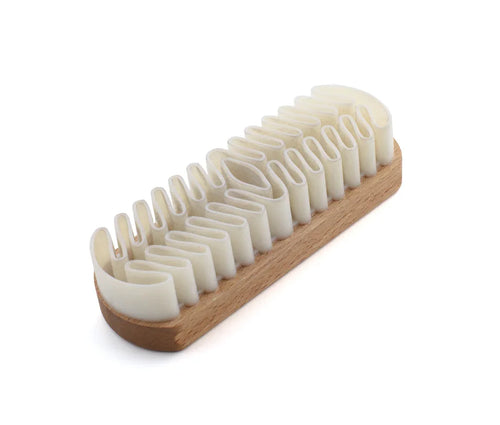
A suede sole is essential for tango shoes because it offers the perfect balance between grip and glide. During a milonga, you must be able to turn effortlessly without straining your knees, but at the same time, you don't want to slip. Suede provides this necessary contact with the dance floor. Maintaining the sole with a special brush significantly extends its life and optimizes your dance experience on the floor.
How high should the heel of a tango shoe be for beginners?
For beginners in Argentine tango, a heel height of 5 to 7 centimeters is usually recommended. This height helps shift the weight to the ball of the foot, which is crucial for the correct posture. A lower, wider heel offers more stability while you learn the technique. As you gain more experience in the milonga, you can transition to higher heels for more elegance.
How do I maintain my tango shoes for a longer lifespan?
Good maintenance of your tango shoes starts with brushing the suede soles after every milonga to remove accumulated dirt. Use shoe trees to maintain the shape and let them air out after dancing. For leather shoes, a quality cream is essential to keep the material supple. Furthermore, never wear your dance shoes outside; the rough surface irreparably damages the sole and reduces your grip on the dance floor.
The beauty of Argentine tango is that your shoes are much more than just an accessory; they form your direct connection with the floor and your partner. Whether you choose the timeless elegance of a traditional leather sole for those perfect pivots, or rather the innovative flexibility of a nuevo model for dynamic footwork, it ultimately comes down to how you experience the milonga. What I especially want to share is that the right balance between support and freedom of movement immediately takes your dance to a higher level. Nothing is more annoying than tired feet taking your focus away from the music and the connection. Grant yourself that solid foundation and view our women's tango collection for stylish models, or discover the technical perfection in our men's tango collection. Above all, remember that your shoes should invite you to improvise and enjoy. The right choice turns every step into a conscious expression of passion, so you face every milonga with renewed confidence.


