

Table of Contents
- Differences in Dance Styles
- Characteristics of Tango Shoes
- Ballroom versus Tango Soles
- Shoes for Ballroom Dancing
- Shoes for Salsa and Zumba
- Frequently Asked Questions
Nothing ruins a beautiful tanda as quickly as a cramped foot or a heel that just doesn't offer the right stability during complex ochos. The right tango shoes form the essential connection between your technique and the dance floor, where factors such as arch flexibility and sole grip determine how confidently you actually move. In my classes, I often see dancers invest in beautiful clothing, but then make mistakes with their footwear, which often leads to unnecessary fatigue or even annoying knee injuries due to a lack of pivoting ability.
Whether you are just starting with Argentine tango or have been scouring every local milonga for years, 2026 technique requires a specific balance between aesthetics and biomechanics. Over the years, I have noticed that the fit of well-known brands is not universal for everyone; sometimes the gain is in a fraction more cushioning at the ball of the foot or a specific heel closure that supports the ankle better. In this article, I share my personal insights and five practical tips to help you make the perfect choice, so you can keep spinning effortlessly all night long without compromising on your posture or comfort.
Differences in Dance Styles
Over the years, I have noticed that many dancers think 'tango' is one umbrella term for which you can wear random dance shoes. In practice, however, there is a world of difference between Argentine tango, milonga, and tango vals. Your choice of shoe must support that specific dynamic, otherwise you will literally run into technical limitations that spoil your enjoyment of dancing.
What I often see with beginners is that they make the mistake of choosing shoes that are too heavy or too stiff for Argentine tango. This style is all about the 'pivot' – turning on the ball of the foot while your upper body points in a different direction. If your sole has too much grip, you block your knee joint during an ocho, which leads to annoying injuries in the long run. A good set of tango shoes must therefore have a sole made of suede or smooth leather that provides exactly enough resistance to maintain control, but is smooth enough to pivot effortlessly and painlessly on a wooden floor.
Argentine Tango versus Milonga
Argentine tango is often slow, melancholic, and controlled, where the 'eje' (your own axis) is crucial. Here you look for a shoe that firmly encloses your heel, so you don't slide in the shoe during slow steps. But if you switch to a fast milonga, the energy changes completely. The steps are shorter, faster, and are more often danced on the forefoot with a light 'bounce'.
In practice, I see that dancers who primarily dance milonga often choose a slightly lower or more stable heel to keep up with the speed of foot changes and fast footwork. A similar principle applies to men. A common mistake is wearing standard dress shoes with a thick rubber sole. This is disastrous for your technique because you lose contact with the floor. Professional men's tango shoes have a heel that is often slightly higher than a normal shoe (the so-called 'tango heel'), which helps to shift your body weight slightly more forward. This makes it easier to maintain connection with your partner and follow fast accelerations in the music without falling behind.
The Influence of Technique and Anatomy
In addition to style, the anatomy of movement also plays a role. In Argentine tango, we use 'dissociation' – moving the hips and shoulders independently of each other. If your shoe doesn't have the right balance between flexibility in the instep and firmness in the heel, you cannot absorb this torsion properly. Here are a few concrete things I always look for when advising dancers:
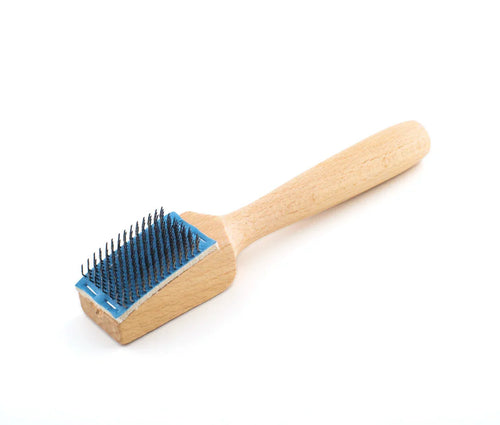
- Sole Material: Choose suede if you dance on different types of floors; you can adjust this to the smoothness of the room with a steel brush.
- Heel Placement: The heel must be placed exactly under the center of your heel bone for maximum stability during backward steps.
- Flexibility: The shoe must be able to bend at the forefoot. A sole that is too stiff hinders your ability to fully roll your foot, which is essential for that fluid, cat-like 'walk' that characterizes tango.
What I always tell my students: your shoes are your most important tool. If you notice that you have trouble with your balance during a 'boleo' or that your feet feel burning after an hour of dancing, it is more often due to the wrong type of footwear than your own skills. Invest in shoes specifically designed for the nuances of the Argentine style and milonga, so your feet can interpret the music without the shoe forming an obstacle between you and the dance floor.
Characteristics of Tango Shoes
In the years I have been on the dance floor, I have seen countless dancers struggle with their feet, simply because they were wearing the wrong shoes. Argentine tango is a dance of connection and precision, and your shoes are literally your only point of contact with the milonga floor. What truly distinguishes a tango shoe from a regular dress shoe or even a standard salsa shoe is the balance between grip and slip, combined with a specific architecture that helps you maintain your axis.The Sole and the Art of the 'Pivot'
A common mistake I see with beginners is that they dance in shoes with a rubber sole. In practice, this means your knees absorb the blow with every turn. In Argentine tango, everything revolves around the 'pivot' – rotating on the ball of your foot during an ocho or a giro. A good sole must be smooth enough to turn effortlessly, but rough enough not to slip away during a powerful 'parada'. When you look at the women's tango shoes collection, you immediately see that the soles are usually made of chrome leather (suede) or smooth leather. Suede gives you a bit more control on smooth parquet floors, while leather is fantastic on the somewhat rougher floors you sometimes encounter in older dance halls. What I often advise is to pay attention to the flexibility of the sole; you must be able to fully 'point' your foot to create those typical elegant tango lines.Stability and the Anatomy of the Heel
In practice, the placement of the heel is crucial for your balance. In a quality tango shoe, the heel is not at the very back of the shoe, but slightly further forward, exactly under the center of your heel bone. This helps you distribute your weight better over the ball of your foot, which is essential because in tango you often dance with a slight forward inclination. For men, this is just as relevant. Good men's tango shoes often have a slightly higher heel than a normal men's shoe (the so-called 'French heel'). This helps men bring their weight forward more easily, which significantly improves the connection in the embrace (the 'abrazo'). A sturdy heel counter is indispensable here; your heel must absolutely not slip in the shoe while you perform a 'sacada'.- The Shank (Arch Support): A good tango shoe has a steel or reinforced shank that supports the arch of your foot, but remains flexible enough at the forefoot for ground contact.
- Padding: Since a milonga can easily last four hours, extra cushioning under the metatarsals (the heads of your metatarsal bones) is not a luxury.
- Ankle Straps: With women, you often see cross straps or straps around the ankle. These are not just for decoration; they ensure that the shoe stays on your foot like a second skin during fast 'boleos'.
- Open vs. Closed Heel: A closed heel generally offers more stability for beginners, while an open heel gives more freedom of movement for advanced footwork technique.
Ballroom versus Tango Soles
What I often see with dancers making the transition from ballroom dancing to Argentine tango is that they bring their trusted ballroom shoes to the milonga. At first glance, that seems logical, but in practice, you quickly find yourself disappointed. The biggest difference is not in the looks, but in the technique of the sole. Where a ballroom shoe is designed for linear movements and maximum grip on a perfectly maintained competition floor, tango is about dissociation and constant turning movements on the ball of the foot.
A common mistake is underestimating the resistance. Ballroom shoes almost always have a chrome leather (suede) sole. This offers a lot of grip, which is essential for a powerful push-off in the Quickstep or stability in a Latin turn. However, in Argentine tango, we constantly perform 'ochos' and 'giros' (turns). If your suede sole is too rough on a wooden floor, your foot blocks while your knee and hip want to keep turning. This is a recipe for injuries. That is why you see that high-quality women's tango shoes often have a sole made of smooth leather or a specially treated type of suede that offers much less resistance during pivoting.
Suede: The Grip of the Ballroom Floor
In the ballroom world, the floor is sacred. It is usually kept perfectly clean and regularly waxed. In the practice of Argentine tango, however, we dance everywhere: from smooth marble floors in a palace hall to rough, wooden floors in a community center where a neighborhood party was held the night before.
- Grip: Suede offers a lot of control, which is nice for beginners who still feel insecure on their axis.
- Maintenance: You must constantly roughen a suede sole with a steel brush. If you don't do this, the dirt from the milonga floor cakes on and the sole becomes dangerously slippery in an unpredictable way.
- Cushioning: Ballroom shoes often have a thinner sole for more contact with the floor, which can cause fatigue more quickly during a hours-long milonga on a hard surface.
Leather Soles: The Freedom of Tango
If you look at the men's tango shoes, you'll notice that the vast majority are equipped with a hard leather sole. This is no coincidence. A leather sole allows you to slide and turn without putting strain on your joints. In Argentine tango, the 'pivot' is the basis of almost every movement. With a leather sole, you can rotate your axis with minimal effort, giving your dance a fluid, almost effortless aesthetic.
What I often advise my students is to look at the environment where they dance most. Do you dance mainly on rough floors? Then leather is your best friend. If the floor is already very smooth, a sole of short-shorn suede can give you that little bit of extra security. The most important thing is that the shoe doesn't force you to use power from your knee to complete a turn. A good tango shoe should feel like an extension of your leg, with the sole communicating exactly enough with the floor without sticking to it. When purchasing, also pay attention to the placement of the heel; in tango shoes, it is often placed slightly further forward (under the middle of the heel) to distribute your weight more naturally over the ball of your foot, making pivoting on that smooth sole even easier.
Shoes for Ballroom Dancing
In the dance school, I regularly see dancers who take their first steps at a milonga in their trusted ballroom or Latin shoes. Although you can technically dance on any smooth sole, in practice you quickly notice that the requirements of Argentine tango differ substantially from standard ballroom dancing. A common mistake is the idea that an all-round dance shoe is suitable for everything. In tango, everything revolves around the axis and the direct connection with the floor, and that requires a specific shoe construction that differs from what you are used to in the Quickstep or the Cha-cha.Why Standard Ballroom Dance Shoes Often Fall Short
In ballroom dancing, such as the English Waltz, you often use a 'heel lead' where the heel touches the ground first. In Argentine tango, however, we almost always land on the ball of the foot or the whole foot at once to maintain stability in the embrace. What I often see is that traditional ballroom shoes have a sole that is too stiff in the middle, preventing your foot from making the natural rolling movement necessary for a fluid 'caminada'. Furthermore, heel placement is crucial for your balance. In Latin shoes, the heel is often placed slightly further back to increase stability during sideways movements. In tango, however, the heel must be exactly under the center of gravity of your heel to maintain balance during complex turns such as the ocho or the molinete. For women, this means that switching to specialized tango shoes often makes a world of difference in how confident they feel while pivoting on a smooth parquet floor.The Technical Details of Tango Shoes
In practice, I see that men often make the mistake of wearing shoes that are too heavy. A classic ballroom shoe for men often has a sturdy, wide heel and a thicker sole. While this feels stable, it hinders the speed of your footwork in a fast milonga or a spirited tango vals. These men's tango shoes, on the other hand, are designed with a much thinner sole, allowing you to literally 'read' the floor with your feet. This contact is essential for feeling your partner's subtle weight shifts. When choosing ballroom shoes that you also want to use for Argentine tango, pay attention to the following practical points:- The sole must be made of suede or smooth leather to allow pivots without straining your knees; rubber soles are out of the question because they provide too much grip.
- The shoe must fit tightly around the instep; every millimeter of space between your foot and the shoe results in loss of control during a sacada or a quick change of direction.
- Choose a heel height you can stand on all night; a milonga often lasts four to six hours, which is much longer than an average dance lesson or competition round.
- The heel counter must be sturdy and closed to support your ankle during backward steps, which are much more frequent and powerful in tango than in regular ballroom dancing.
Shoes for Salsa and Zumba
What I often see in the dance studio is that dancers hope their investment in quality women's tango shoes can also serve directly during a salsa night or an intensive Zumba class. Although it's understandable that you want to wear those beautiful heels more often, there is a fundamental difference in how your feet touch the floor in these different disciplines. In practice, I notice that a shoe that is perfect for Argentine tango sometimes falls short on a fast salsa floor in terms of sideways stability.
The Dynamics of Salsa versus the Milonga
Argentine tango is all about the 'caminata' (the walk) and fluid, grounded movements. The soles are often made of smooth leather or suede to allow pivots and ochos to proceed effortlessly without straining the knees. In a busy milonga you move in a flow, but in salsa the movement is much more explosive and rhythmic. A common mistake is underestimating the 'break' in salsa. Because you shift your weight abruptly and land on the ball of your foot much more often in salsa, you need a shoe that offers a bit more cushioning under the metatarsals (the metatarsal bones).
For men, this distinction is just as important. In practice, I see that men's tango shoes often have a slightly higher heel (the so-called French heel) to push the weight forward. For salsa, this can sometimes lead to instability during fast footwork combinations (shines), where a lower, wider heel often feels safer. Here are the main differences to look for:
- Sole Material: Tango requires a smooth sole for rotation; salsa requires a sole that balances grip and slide for quick stops.
- Flexibility: A tango shoe must be extremely flexible in the arch of the foot for point work, while a salsa shoe can often use a bit more stiffness in the midfoot for powerful push-offs.
- Heel Height: In tango, a higher heel is the norm for axis balance; in salsa, many advanced dancers choose a fractionally lower heel to handle the quick rhythm changes.
Why Zumba Requires a Different Pair
When we look at Zumba, we are talking about a completely different load on the foot. While you glide elegantly across the floor at a milonga, Zumba contains elements of aerobics, jumping jacks, and lateral (sideways) jumps. A common mistake is doing Zumba in dance shoes with a suede sole. In practice, this results in two problems: the suede sole wears away within weeks on a sports floor, and you miss the necessary shock absorption for your joints.
For Zumba, I always recommend a specific dance sneaker with a 'pivot point' in the sole. This is a smooth circle under the ball of the foot that allows you to turn without twisting your meniscus, but with the rest of the rubber sole, you have the grip needed for fitness movements. Never use your professional dance shoes for Zumba; the delicate construction and the heel are not built to absorb the vertical impact of jumps. This can not only ruin your shoes but also lead to nasty injuries such as shin splints or Achilles tendonitis. In practice, choose the right tool for the specific dance form to protect both your feet and your precious shoes.
Frequently Asked Questions
Which shoes for ballroom dancing?
For ballroom dancing, specific dance shoes with a suede sole are essential for the right grip and turning ability on the parquet floor. Men often wear classic lace-up shoes with a low heel, while women choose pumps or sandals with a heel height between 5 and 7 centimeters. These shoes provide the necessary flexibility and support for both Ballroom and Latin dance disciplines during dancing.
Which dances fall under ballroom dancing?
Ballroom dancing is divided into two main categories: Ballroom and Latin-American. Ballroom includes the English Waltz, Tango, Viennese Waltz, Slowfox, and Quickstep. The Latin-American category consists of the Samba, Cha-cha-cha, Rumba, Paso Doble, and Jive. Although Argentine Tango is a separate discipline, European Tango is included in the official Ballroom dances during competitions and social dance evenings at the dance school.
Which shoes are suitable for Zumba?
For Zumba, you need fitness or dance sneakers with good cushioning and a pivot circle on the sole. Ordinary running shoes often have too much grip, which can cause knee injuries during fast lateral movements and turns. Choose lightweight sneakers that provide lateral stability and a non-marking sole so you can move smoothly on different types of sports floors during your workout.
Which shoes for salsa dancing?
When dancing salsa, shoes with a smooth sole, such as suede or leather, are crucial for spinning smoothly. Women usually wear open sandals with a strap that fits firmly around the ankle for stability. Men often choose light, flexible dance shoes or special dance sneakers. The most important thing is that the shoes are comfortable and offer enough freedom of movement for the fast and rhythmic footwork of this popular dance.
What is the difference between tango shoes and regular dance shoes?
Argentine tango shoes differ from standard ballroom dance shoes by their specific construction and balance. They often have a sturdier heel counter and the heel is strategically placed for a stable posture during complex figures in the milonga. While ballroom shoes often have a suede sole, tango dancers often use leather for more glide on various floors. Furthermore, tango shoes for women are often designed more elegantly and fashionably.
What should I look for when buying my first pair of tango shoes?
With your first pair of tango shoes, the fit is the most important; they should fit around your foot like a second skin without pinching. Pay attention to the stability of the heel and choose a height you can stand on comfortably. A leather sole is ideal for beginners because it is suitable for both wooden and stone floors. Also, ensure that the ankle straps provide sufficient support.
How do I maintain the suede soles of my dance shoes?
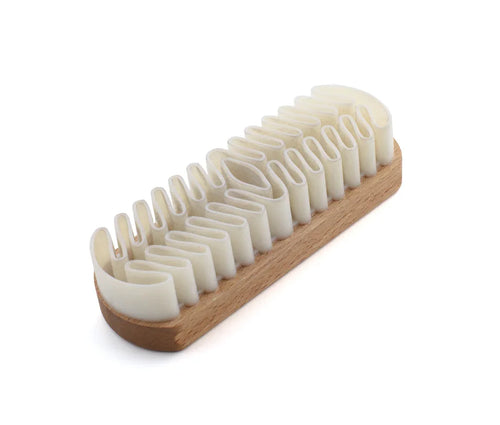
Maintenance of suede soles is essential to maintain grip on the dance floor. Use a special steel dance shoe brush to regularly roughen the suede when it has become smooth or dirty from dust and wax. Always brush from the heel to the toe to restore the fibers. Avoid contact with water or moisture, as this can make the suede hard and unusable.
The beauty of Argentine tango is that every step tells a story, and that story begins at the base: your feet. What I especially want to tell you is that the right shoe not only improves your technique but also immediately increases your self-confidence on the dance floor. Remember above all that a perfect fit and a stable heel are essential for making those fluid pivots without losing your balance. Only when your feet feel optimally supported does space truly open up for that deep connection during the milonga.
Are you ready to take your dance experience to the next level? Treat yourself to the comfort of professional footwear; you will notice the difference during the first ocho immediately. View our women's tango collection for refined models that combine elegance and support, or view our men's tango collection for shoes that perfectly balance grip and flexibility. Ultimately, tango is about complete surrender, and with the right shoes on your feet, you don't have to think about anything else but the music and your partner. Let the dance lead you.


