

Are you just getting into that very first cross body lead of your life, feeling like an absolute queen in your brand-new Latin Dance shoes, and then it happens: CRACK. That heartbreaking sound of metal on parquet because your heel has worn through, or worse, that near-death experience because you slipped during a simple turn. Girl, I've seen it hundreds of times in my classes and I'm telling you straight: going onto the dance floor without heel protectors is like driving a car without a seatbelt – you're asking for trouble. Before we dive deep into how to get those stubborn plastic caps onto your heels, first check out our full Dance Accessories: Complete Checklist for Dancers so you can be sure the rest of your bag is tip-top as well.
What you need to know about heel protectors
- What are heel protectors really (and why that 'condom' comparison is accurate)?
- Why your wallet (and the dance school owner) will be grateful
- Grip and stability: Dancing without death-defying fears on slippery floors
- The right match: Which protector fits your Rummos or Werner Kern?
- The Blow-Dryer Trick: How do you get those pesky things on your heel without breaking your nails?
- When is it time for a fresh set? (Hint: don't wait until the metal shows through)
- Salsa dancing equipment: What about the guys?
- Frequently asked questions from beginners
What are heel protectors really (and why that 'condom' comparison is accurate)?
Let's be honest: those plastic caps don't look great. If you've just dropped a few hundred euros on handmade Rummos shoes with glitters, satin, and all the bells and whistles, the last thing you want is to slide a piece of transparent plastic over your heel. I often call them the 'condoms for your dance shoes'. It might not be sexy, it feels a bit strange at first, but it protects you from a whole lot of misery you really don't want to experience.
Basically, a heel protector (or absatzschoner as our eastern neighbors so beautifully call them) is a custom-made cap of hard plastic or PVC. They are specifically designed for the shape of your heel. Do you have a Flare heel? Then you need a Flare protector. Do you have a slender Stiletto heel from Werner Kern? Then a completely different cap will fit. They sit super tight around the bottom of your heel and form an extra layer between your precious shoe and the merciless dance floor.
I often see beginners who think the standard 'heel tip' (the black or brown rubber that's already on the shoe) is enough. Spoiler alert: it's not. That heel tip is there for walking, but during intensive Latin dancing – where you're constantly turning, shifting weight, and putting pressure on that one square centimeter – that rubber wears out faster than you can shout "Azúcar!". The heel protector absorbs those blows, so your actual heel stays like new. Get started right away and protect your investment in Latin Dance footwear.
Why your wallet (and the dance school owner) will be grateful
Let's talk about money. Good dance shoes from brands like Werner Kern, Portdance, or Rummos are an investment. You pay for the suede sole, the balance, and the fit. If your shoe's heel tip wears through, you hit the metal pin that gives the heel structural integrity. As soon as that metal touches the floor, two terrible things happen:
- You destroy the dance floor: A metal pin in a wooden parquet floor acts like a chisel. You tear deep scratches into the floor. Believe me, the dance school owner will have a heart attack if they see you dancing without protectors. In many professional dance studios and at competitions, it's even mandatory to wear heel protectors. No caps? Then you're not allowed on the floor. Period.
- You destroy your shoes: Once that metal pin is exposed and starts to wear down, you often can't even have the heel tip replaced by a cobbler. Your entire heel goes out of balance and before you know it, you can throw your expensive shoes in the trash. A set of heel protectors costs you a few euros; a new pair of shoes well over a hundred. Do the math yourself on what the smart choice is.
In addition, there's the aesthetic aspect. Satin shoes are beautiful, but the fabric around the heel is extremely fragile. Getting caught on an edge once or accidentally kicking your other foot (happens to all of us in those first lessons, no shame) and you have a snag in your satin. The heel protector has a slightly wider 'lip' at the bottom that also protects the lower edge of the fabric. It simply keeps your shoes beautiful for longer.
Grip and stability: Dancing without death-defying fears on slippery floors
Have you ever tried dancing on a floor that's just been waxed? It's like trying to survive on an ice rink with slick tires. This is where the true magic of the heel protector comes in. Most protectors are made of a material that has just a bit more 'bite' than the standard heel tip.
In my experience as an instructor, I see that beginners are often insecure about their balance. You're busy with your steps, your arms, your partner, and then you also have to avoid slipping. A heel protector increases the surface area of your heel ever so slightly. We're talking millimeters, but in the world of physics, that makes a world of difference for your stability. You stand firmer on your landings after a spin and you have more control during your weighted steps.
Moreover, the plastic provides a kind of cushioning. Instead of that hard 'click' with every step, it feels more solid. It gives you the confidence to really push your weight into the floor, which is essential for that authentic Latin look. Without that fear of slipping away, you automatically start dancing better. It's in your head, but definitely under your feet too.
The right match: Which protector fits your Rummos or Werner Kern?
This is where most dancers go wrong. You can't just grab a bag of caps and hope it fits. It's just like shoe sizes: one size does NOT fit all. Brands like Rummos often have their own specific heel shapes. Werner Kern is known for their stable, slightly wider heels, while some Portdance models are very slender and 'tapered'.
Here is a handy rule of thumb for the most common shapes:
- Flare: This is the most popular heel for Latin. It flares out at the bottom for maximum stability. You need specific 'Flare' protectors for this.
- Slim / Stiletto: These are thin and straight. You often see these on advanced dancers or specific social dance shoes. For these, you need the smallest size.
- Contour: A mix between the two, often slightly rounder in shape.
Pro-tip from your dance bestie: If you buy your shoes at Miss Salsa, always check the product description or ask us directly. We know exactly which brand of cap fits which heel. Do you have shoes from Latin Dance brands like Capezio or Bloch? They also often have their own specific sizes. Never buy 'universal' caps that sit way too loose; if they fall off while dancing, you'll still end up on your face.
The Blow-Dryer Trick: How do you get those pesky things on your heel without breaking your nails?
Okay, you've got your caps. You try to slide them over your heel and... nothing. They seem three sizes too small. You push until your fingers turn blue, you try to hammer them on (don't do that!), and eventually, you give up in frustration. Don't panic, this is normal. Heel protectors need to be vacuum-tight, otherwise they'll fly across the room halfway through a turn (and believe me, you don't want to knock anyone in the audience out with a flying piece of plastic).
Here is the secret method every pro uses: The Blow-Dryer Trick.
- Take a hair dryer and set it to the hottest setting.
- Hold the heel protector (watch your fingers!) and blow the warm air into the cap for 30 to 60 seconds.
- The heat makes the PVC soft and flexible. It expands just a tiny bit.
- Now slide the warm protector directly over the heel of your shoe. You'll see that it goes on almost effortlessly now.
- Let the cap cool down. As it cools, the plastic shrinks back just a little bit, literally suctioning itself around the heel.
Don't have a blow dryer handy? A bowl of hot (not boiling!) water also works. Let them soak for a minute, pat them dry, and slide them on. NEVER do this with force or with pliers, as you'll damage the satin of your new Latin Dance shoes.
When is it time for a fresh set? (Hint: don't wait until the metal shows through)
Heel protectors are consumables. They are meant to break so your shoes don't. But how often should you replace them? That completely depends on how often you dance and on what kind of floor. If you're blasting on a rough wooden floor three times a week, they'll last less long than if you dance once a week on a smooth poured floor.
Check your caps after every class for the following points:
- Wear on the bottom: Has the plastic become so thin that you can see the color of the heel tip through it? Replace!
- Holes: Do you see a hole in the middle? Then the protection is gone. Take it off immediately and put a new one on.
- Cracks in the side: Sometimes the plastic splits from the pressure. A split cap no longer provides stability.
- Loss of grip: If you notice you're starting to slip again, the plastic is probably 'polished' by the floor and it's time for a grippier, new set.
My advice? Always order two or three sets at a time. There's nothing as annoying as finding out right before a party that your protectors are worn through and you don't have a spare. It's the cheapest insurance for your dancing pleasure there is.
Salsa dancing equipment: What about the guys?
Although we've mostly talked about women's heels so far, "salsa dancing equipment for men" is also a thing. Men, you don't need plastic caps, but that doesn't mean your shoes don't need maintenance!
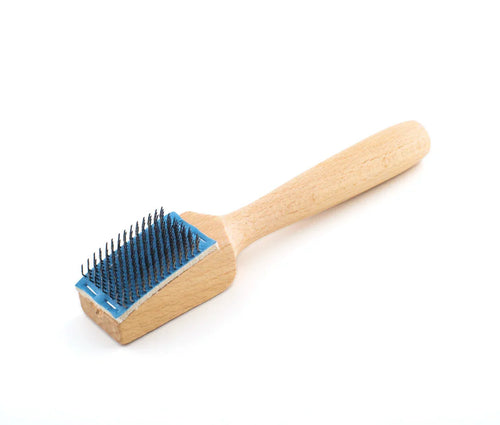
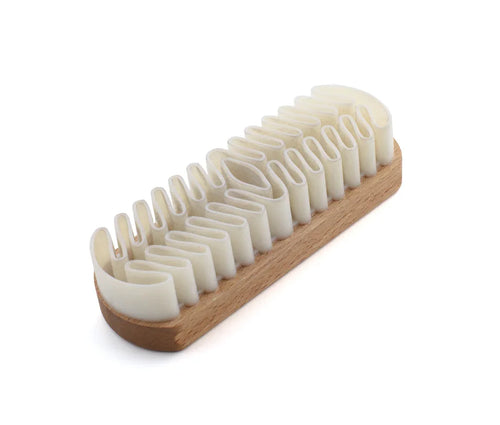
For the men wondering "What to wear for salsa dancing for men?": it's all about the sole. A good men's dance shoe from brands like Werner Kern or Rummos has a suede sole that you must maintain with a sole brush. As for the heel: men's shoes have a much larger surface area, so the pressure is better distributed. Still, men's heels also wear down unevenly if you have incorrect technique.
Are you a man and just starting out? Focus on shoes with a small heel (2 to 4 cm). This helps you bring your weight forward onto the ball of your foot, which is essential for Salsa and Bachata. And yes, for men too, there are specific dance accessories such as shoe bags and brushes that are indispensable in your bag.
Frequently asked questions from beginners
1. What to wear for salsa dancing for men?
For the men: comfort is key, but style is appreciated! Choose pants with stretch (you're going to sweat and move!) and a shirt or polo made of breathable material. Regarding shoes: go for real dance shoes with a suede or leather sole. Sneakers with too much grip are dangerous for your knees when turning!
2. How to dance salsa as a man?
As a man, you are the 'leader'. That doesn't mean you're the boss, but that you communicate clearly with your body where you want your partner to go. Focus first on the basic step (1-2-3, 5-6-7) and keep your frame (your arms and upper body) firm but not stiff.
3. Which is sexier, bachata or salsa?
Ooh, the eternal discussion! Salsa is energetic, flirty, and technically challenging. Bachata is often slower, closer, and more sensual (especially Bachata Sensual). What's sexier depends on your own personality and the connection with your partner. Why not learn both?
4. What is a male salsa dancer called?
In the Latin American world, we call a male dancer a Salsero. The female counterpart is, of course, a Salsera. Sounds a lot cooler than 'someone who dances salsa', right?
5. Can I reuse heel protectors?
Technically yes, if they aren't worn out yet, but once you've molded them around a heel using the blow-dryer method, they often sit so tight that they deform upon removal. Given the low cost, I always recommend just grabbing a new set for your new shoes.
6. Are heel protectors mandatory at social dance nights?
Not everywhere, but it's very much appreciated. Some fancy locations with fragile floors do require it. If you always wear them, you never have to worry about whether you'll be allowed in or not.
Ready to conquer the floor?
You now know everything about the indispensable world of the heel protector. It's a small effort, a tiny investment, but the difference in dancing pleasure and the lifespan of your shoes is huge. Don't let your beautiful Latin Dance shoes be ruined by a rough floor or a lack of grip.
Don't have a set in your bag yet? Or are yours so worn out by now that you can almost see sparks flying off them? Don't take the risk. Check out our collection of accessories and grab the right protectors for your brand and size today. Your feet (and your bank account) will thank you!
Action plan for you:
- Check the bottom of your current dance shoes. Do you see metal? Stop dancing immediately and order new heel tips and protectors.
- See what brand of shoes you have (Rummos, Werner Kern, etc.) and look up the corresponding size in our shop.
- Get that blow dryer ready, because tomorrow you'll be dancing with more grip and confidence than ever before!
See you soon on the dance floor? Keep on dancing!


