

Are you finally standing on that dance floor for your first Kizomba workshop, and do you feel like a wooden board because your feet are sticking to the floor or your heels are constantly slipping? Believe me, I've been there too, struggling in the wrong sneakers while everyone around me seemed to float across the floor. The perfect kizomba shoes are that rare combination of a smooth sole for those sensual saïdas and enough stability to feel the 'grounded' African roots of the dance. In this guide, I'll help you survive the jungle of latin dance shoes so you only have to worry about the connection with your partner.
Before we dive deep into the world of Kizomba: if you also happen to catch a Salsa party now and then, read my extensive Buying Salsa Shoes? Everything about Latin Dance Shoes first. That is the basis every Latin dancer should know.
Table of Contents
- Why Kizomba Shoes are different from your standard heels
- My favorite brands: Rummos, Werner Kern and the rest
- Urban Kiz vs. Traditional: Sneakers or heels?
- Kizomba Clothing: Sexy, elegant and above all sweat-proof
- No more blisters: Comfort tips for long nights
- The crossover: From Zumba sneakers to Hip Hop vibes
- Frequently Asked Questions about Kizomba and Latin Shoes
Why Kizomba Shoes are different from your standard heels
Girl, I see it every week in my classes. Girls coming in on their prettiest Zara pumps and standing with their shoes in their hands after half an hour. Why? Because regular shoes are made for walking, not for pivoting. In Kizomba, the connection with the floor is everything. You are 'grounded', which means your knees are often slightly bent and your weight really presses into the floor.
If you are looking for the best latin dance shoes for women, then you must understand that Kizomba is less 'flashy' than Salsa. Where in Salsa you are constantly spinning on the ball of your foot, Kizomba is about subtle weight shifts. You need a sole made of suede or smooth leather. Why? Because rubber soles (like those of your daily sneakers) have too much grip. If you try to pivot on rubber, your feet stay put while your knees do turn. That's the fastest way to a physiotherapist, and we don't want that!
A good Kizomba shoe has a flexible sole. You need to be able to 'roll' your foot. If the sole is too stiff, you lose that sensual feeling in your hips. I often advise beginners to look for a lower block heel or even flat dance shoes if they are not yet used to the intimate frame of Kizomba. You stand very close to your partner, and believe me, standing on each other's toes with a stiletto is not a good icebreaker.
Are you looking for the perfect balance? Then take a look at our collection for Latin Dancing. Here you will find shoes specially designed for these sideways movements and pivots.
My favorite brands: Rummos, Werner Kern and the rest
Let's be honest: cheap is expensive in the dance world. I've worn out dozens of pairs in my career, and there are a few brands that stand head and shoulders above the rest. If you ask for the best latin dance shoes for women, the names Rummos and Werner Kern always come up.
Rummos: The king of cushioning. If you suffer from joint pain or just want to dance for hours without your feet feeling like glowing coals, then Rummos is your best friend. They use a special 'memory foam' technology. It literally feels like dancing on clouds. Especially for Kizomba, where you take many steps that land directly on the heel (the 'tada-da' cadence), that extra cushioning is essential.
Werner Kern: For the narrow foot and timeless elegance. Do you have narrow feet that slip out of everything? Werner Kern is a German brand known for their fantastic fit and stability. Their suede soles are of the highest quality. It's an investment, yes, but these shoes last for years if you maintain them well with a shoe brush.
Portdance: The trendy choice. Portdance comes from Portugal (the hub of Kizomba in Europe!) and they understand the style like no other. Their shoes often look a bit more modern, with glitters, laces and prints, but they never compromise on the technical side. They are perfect for the Urban Kiz dancer who wants to make a statement on the dance floor.
My advice? Start with a pair from Rummos if comfort is your priority. Nothing ruins your dancing pleasure faster than a pinching shoe just when you hear that one dreamy song.
Urban Kiz vs. Traditional: Sneakers or heels?
Okay, we need to talk about this for a moment, because there is a huge split in the Kizomba world. You have Kizomba Traditional (think of Angola, warmth, earthy movements) and Urban Kiz (sharper, more linear, influenced by Hip Hop and Ghetto Zouk).
For the traditional style, I see most women dancing in heels. It gives that beautiful African elegance and accentuates the hip movements (the ginga). But with Urban Kiz? There you increasingly see the dance shoes hip hop style returning. We're talking about dance sneakers.
Now you might think: "Oh, then I'll just put on my Nikes!" Stop. Don't do it. Regular sneakers have a sole made for grip on the street. On a dance floor, they block your movement. If you want to go for the sneaker look, choose brands like Capezio or Bloch. These brands make sneakers with a 'split sole' that still allows you to stretch your foot, and a 'spin spot' on the sole so you can pivot effortlessly.
I often wear sneakers myself while teaching because I'm on my feet all day, but for a party, I always switch to my Latin heels. It changes your whole posture; you immediately feel more feminine and elegant, which in turn helps with the expression of the dance.
Kizomba Clothing: Sexy, elegant and above all sweat-proof
Kizomba is an intimate dance. You stand belly-to-belly, or at least very close. That means your choice of clothing has two functions: it must look fantastic AND it must be functional for close contact.
Tip 1: Avoid large buckles and zippers on the front. There is nothing more annoying than getting stuck to your partner's shirt or getting a painful scratch from a sharp decoration on your top. Keep the front of your outfit relatively smooth.
Tip 2: Choose breathable fabrics. Kizomba can get very warm. Synthetic fabrics that show sweat stains immediately are a no-go. Go for layers. A beautiful bodysuit combined with a skirt or tight jeans always works well. The jeans must have enough stretch; you need to be able to take deep steps without your pants tearing (yes, I've seen it happen!).
Tip 3: The 'Ginga' factor. In Kizomba, it's all about the hips. If you wear a skirt, choose one that accentuates your movements. Fringes or an asymmetrical cut can visually enhance your hip movements, making you look advanced immediately, even if you're just starting out.
Don't forget that your clothing should give you confidence. If you're constantly worried about whether your skirt is riding up too high, you can't fully immerse yourself in the music. Test your outfit at home: take a few big steps, do a turn and see if everything stays where it should.
No more blisters: Comfort tips for long nights
Listen, if you're going to dance seriously, you're going to reach a point where your feet say "stop". But there are ways to postpone that moment for hours. As an experienced instructor, I have a few tricks in my bag that have saved my life.
- Heel protectors: These are small plastic caps that you slide over your heels. They increase the surface area of your heel slightly, providing more stability, and they protect your heels from wear. In many dance schools, they are even mandatory to save the wooden floor.
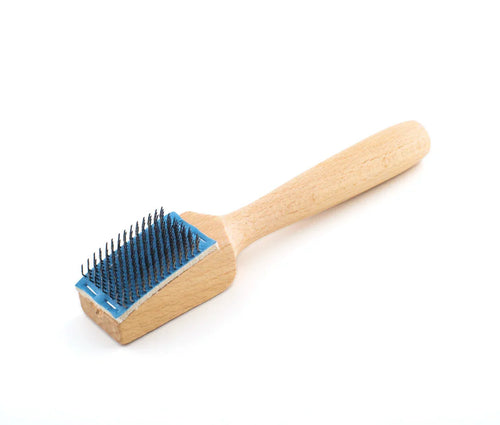
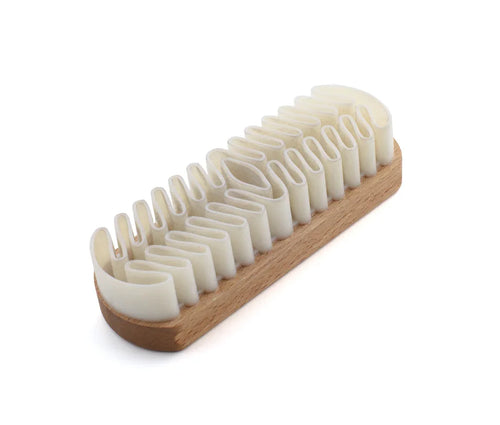
- Suede brush: Your kizomba shoes have suede soles. After a while, these become smooth due to dust and dirt from the floor. Use a steel brush to roughen up the hairs of the suede again. You'll be amazed at how much more grip you suddenly have.
- Blister plasters (preventative!): You know that one spot on your little toe that always starts to hurt? Apply a transparent plaster before you start dancing. Friction is the enemy, and prevention is better than cure.
- Switch shoes: Always bring a spare pair to a social party. If your feet get tired from your heels, switch to flat dance shoes or Bloch sneakers. Your feet will thank you and you can keep going for a few more hours.
Seriously, invest in good shoes. Your feet are your instrument. You wouldn't ask a violinist to play on a toy violin, right? Treat yourself to that quality.
The crossover: From Zumba sneakers to Hip Hop vibes
Sometimes I get the question: "Can I also use my best sneakers for zumba dancing for Kizomba?" The short answer: Maybe. The long answer: Zumba sneakers are often designed for high-impact movements and have a lot of cushioning. That's good. But they often also have a tread intended for lateral stability on a gym floor. This can sometimes be too grippy for the fluid turns of Kizomba.
However, if you love the Urban Kiz style, the dance shoes hip hop look is completely in. We see many dancers choosing high-top models. These provide extra support to the ankles, which can be nice if you do many fast footwork combinations. Brands like Fuego are currently extremely popular in the scene because they look like regular sneakers but have a sole specifically developed for dance floors.
Keep in mind: the thicker the sole of your shoe, the less 'feel' you have with the floor. For beginners, it's often easier to learn where their weight is exactly on a thinner sole. Once you have that control, you can switch to those cool sneakers.
Frequently Asked Questions about Kizomba and Latin Shoes
What shoes do you wear for Latin dancing?
Ideally, for Latin dancing like Salsa, Bachata and Kizomba, you wear shoes with a suede or smooth leather sole. Women usually wear heels (ranging from 5 to 9 cm), while men choose smooth dance shoes with a small heel. The most important thing is that the shoe is flexible and allows you to pivot without resistance from the floor.
Is kizomba sensual?
Yes, Kizomba is known as one of the most sensual Latin/African dances. This is due to the close connection between the partners and the slow, fluid movements to the music. However, it is important to know that sensuality is not the same as sexuality; it is about the shared connection and interpreting the music.
What is different about Zumba shoes?
Zumba shoes are more focused on fitness. They often have more shock absorption for jumping and a sole suitable for both carpet and hard floors. Although they have a 'pivot point', they are often bulkier than specific Kizomba or Salsa shoes, which are much more elegant and close-fitting.
What are the dancing shoes called?
Commonly we just call them dance shoes, but specifically they fall under 'Latin shoes' (for Salsa/Bachata/Kizomba) or 'Ballroom shoes' (for standard dances like the Waltz). The sneakers are often called 'dance sneakers' or 'split-sole sneakers'.
How tight should my kizomba shoes be?
They should feel like a second skin. Leather and suede always stretch a bit. If they are already a bit loose when you buy them, you'll be swimming in them after three nights of dancing. They should fit firmly around your foot without cutting off your circulation.
Ready to conquer the dance floor?
I hope you now have a better idea of what to put on your feet for your next Kizomba adventure. Remember: the right shoe makes the difference between shuffling around uncertainly and being the star of the night with full confidence.
Are you ready to find your first (or next) pair? Take a look at our collection and find the shoe that fits your style!
View the Women's Latin Dance Collection here
Do you have any questions? WhatsApp me or send a message via the site. I'll be happy to help you find the perfect match. Will I see you on the dance floor soon? Let's dance!


