

Tango Shoes Women: The Best Heels for Comfort
Have you ever stood on the sidelines of the milonga with tears in your eyes because your feet felt like they were in a vice? The best tango shoes for women are not the prettiest glitter pumps from the fashion store, but technically ingenious little masterpieces with a perfectly centered heel and a sole that provides just enough grip and slide. For the perfect balance between style and technique, you should look at specialized brands like Tangolera, Rummos, or Werner Kern, where the heel is placed exactly under the center of your heel bone for maximum stability during your pivots.
Before we dive deep into the world of soles and heel heights, it is essential to understand the basics. Therefore, first check out our extensive Argentine Tango Shoes Guide: Elegance & Technique (2026) for a complete overview of what makes this dance so unique for your feet.
Table of Contents
- Why your ordinary pumps are ruining your tango experience
- The secret of the heel: Height vs. Stability
- The 'Big Three' brands: Rummos, Tangolera, and Werner Kern
- Suede or leather? The battle for the perfect pivot
- Fit issues: Wide feet, narrow heels, and the notorious 'tango toe'
- Tango boot shoes: The trendy rebel among dance shoes
- How your heels survive three nights of dancing per week
- Frequently asked questions about tango shoes
Why your ordinary pumps are ruining your tango experience
Let's be honest: we all have that one beautiful set of heels in the closet that we thought "oh, I can probably tango in those for an hour". Spoiler alert: no, you can't. And I'm saying this as your best friend who wants to save you from a three-figure physio bill. The biggest problem with regular pumps is the construction of the heel and the stiffness of the sole.
Argentine tango is all about the 'axis'. Your weight must be constantly shiftable slightly forward without losing your balance. In a normal shoe, the heel is often positioned too far back. This literally pushes you out of balance as soon as you try to make an ochos (a rotating figure-eight). You'll start compensating with your back and knees, and believe me, you'll feel that the next morning.
Real tango heels have a steel shank that is curved exactly so that your weight falls directly above the heel. Brands such as Tangolera (formerly known as Bandolera) have turned this into an art form. Their shoes often have a patented footbed that prevents your foot from sliding forward, so your toes don't slam against the front of the shoe with every step you take.
What you can do now: Take your current shoes. Put them on a table and give a small tap against the back of the heel. Does the shoe wobble in all directions? Then it is not suitable for tango. A good dance shoe stands firm as a rock.
The secret of the heel: Height vs. Stability
I see it so often with my beginning students: they walk in on killer 10-centimeter stilettos because that looks so "tango" on YouTube. But darling, those ladies on YouTube have been dancing for thirty years. As a beginner, a heel that is too high is your biggest enemy. You are still finding your own axis and connecting with your partner. If you then also have to fight gravity on 9-centimeter thin heels, you are blocking your own learning process.
For women's tango shoes, we usually recommend three categories:
- 5.5 to 6.5 cm: The ideal starting height. You have the elegant look, but you still stand firmly enough not to tip over during every boleo.
- 7 to 7.5 cm: The 'sweet spot' for advanced dancers. It forces you to stay on the ball of your foot, which is essential for the tango aesthetic.
- 8 to 9 cm: Only for the pros or if you are blessed with extremely flexible ankles.
Take a look at the collection from Werner Kern, for example. They make fantastic 'comfort' lines with wider heels (the so-called flare heel) that offer much more support than a stiletto. It gives you that extra bit of confidence on the dance floor, knowing that you won't just twist your ankle if the floor is a bit rough.
Pro-tip: Don't just pay attention to the height, but also to the shape. A 'stiletto' is beautiful, but a 'flare' heel (which widens slightly at the bottom) gives you 20% more stability without looking clunky.
The 'Big Three' brands: Rummos, Tangolera, and Werner Kern
If you're going to invest in your first pair, you don't want to just buy anything. You want quality. In the tango world, there are a few names that always rise to the top. Let me break them down for you as if we were walking through the Miss Salsa shop together.
1. Tangolera (The queen of cushioning)
If you suffer from burning feet, then Tangolera tango shoes are your best friend. They have a 'No More Pain' footbed. This isn't marketing talk; there really is a thick layer of cushioning under the ball of the foot. In Argentine tango, you almost always land on the ball of your foot, so that extra padding is a godsend during a milonga that lasts until 3 AM.
2. Rummos (The flexible Portuguese)
Rummos shoes are known for their extreme flexibility. They often use materials that mold to your foot very quickly. If you have feet that are just a bit different (hello hallux valgus or a high instep), then Rummos is often the solution. They feel almost like a glove around your foot.
3. Werner Kern (German reliability with flair)
Looking for stability? Then you're looking for Werner Kern. Their shoes are technically perfect. The fit is often a bit more generous, which is perfect for the North European foot which is often just a bit wider than Italian or Argentine feet. Moreover, their suede sole is of the highest quality.
Action: Take a critical look at the shape of your foot. Do you have a narrow foot? Go for Tangolera. Do you have a somewhat wider forefoot? Check out the Werner Kern collections in our women's tango section.
Suede or leather? The battle for the perfect pivot
This is a discussion that has been raging in dance school locker rooms for decades. What should be under your shoe? For women's tango shoes (as our southern neighbors say so beautifully), you roughly have two choices:
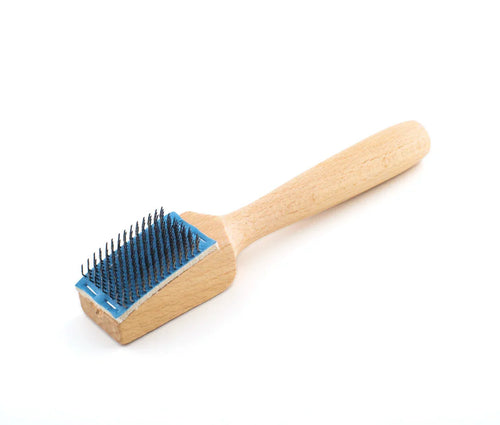
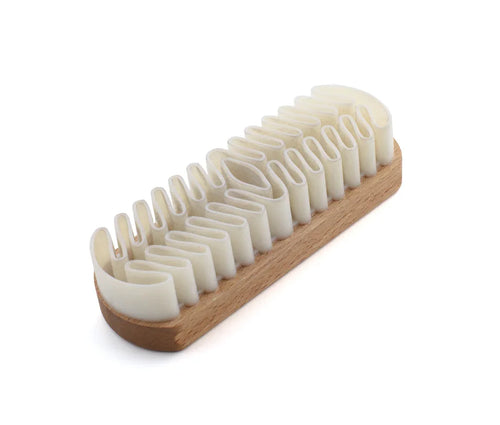
Suede (Chrome leather): This is the standard for indoor floors. It is grippy enough not to slip, but smooth enough to be able to turn. The disadvantage? You can't wear them outside. One raindrop and your sole is ruined. You also have to brush them regularly with a special wire brush to keep the fibers open.
Smooth leather: The traditional Argentine choice. With this (if your technique is good), you can pivot fantastically. It slides more than suede, which can be scary at first, but is ultimately less taxing on your knees. Moreover, with a leather sole, you can walk across the street briefly without your shoe falling apart immediately.
I usually advise beginners to start with suede. It gives you just that little bit of extra grip you need when you're still unsure about your balance. As soon as you notice you're getting 'stuck' in your turns, it's time to switch to leather or let your suede soles become smoother through use.
Fit issues: Wide feet, narrow heels, and the notorious 'tango toe'
Nothing is as frustrating as a shoe that is beautiful, but where your little toe escapes at the side. Or worse: a heel that slips out of the shoe with every step. With tango heels, the fit is 100x more important than with your daily shoes.
If you have narrow heels, look for models with a 'cross strap' (straps that go in an X-shape over your instep) or a 'T-strap'. These keep your foot firmly pressed into the heel cup. Avoid simple slip-ons or shoes with only an ankle strap; they often don't provide enough support for the powerful backward steps in tango.
Do you have wide feet? Then look for shoes with an open toe that is adjustable with a buckle, or choose suede materials. Suede stretches much more than patent leather or satin. A trick from us professionals: if your shoe is just a bit too tight at the toes, wear them at home for an hour with thick wet socks. It sounds terrible, but the leather molds directly to your foot.
Tango boot shoes: The trendy rebel among dance shoes
You've probably heard the term before: tango boot shoes for women (often just called tango boots). These aren't clunky boots, but ankle boots made of super soft leather with a dance sole. Why would you choose these?
First: stability. A boot encloses your ankle, which gives a huge sense of security. For women who are unsure about their ankles or who are recovering from an injury, boots are a godsend. Second: the look. It gives a tough, modern twist to your tango outfit. Brands like Rummos have fantastic boots that look like haute couture but dance like clouds.
Be careful though: boots can sometimes make your ankles 'lazy' because the shoe does all the work. Therefore, alternate them with your regular women's tango shoes to keep your ankle muscles strong. They are also perfect for the colder months in the studio or if you're taking a full day of workshops and your feet need some extra love.
Maintenance tips: How your heels survive three nights of dancing per week
You've finally found that perfect pair at Miss Salsa. Now, of course, you want them to last longer than one season. Dance shoes are fragile, but with a little love, they last for years.
- The Brush: If you have suede soles, buy a shoe brush with steel bristles. Brush your soles every two or three times you dance. This removes the accumulated dirt and grease from the dance floor, giving you grip again.
- Heel protectors: These are small plastic caps that you slide over your heel. They protect the heel from wear and give you just that little bit of extra surface area for balance. Many dance schools even require them to protect their wooden floors.
- Airing out: Don't throw your shoes directly into a plastic bag after dancing. Let them air out. Sweat attacks the leather and the glue. Use cedar wood shoe trees if necessary to maintain the shape and extract moisture.
- Do not wear outside: I can't say it often enough. Don't walk to the car in your dance shoes. The stones on the street destroy your soles and can even disrupt the balance of your heel.
Action: Order a maintenance kit directly with your next purchase. It saves you a lot of money in the long run.
Frequently asked questions about tango shoes
Can I use my salsa shoes for tango?
In the beginning, yes, but in the long run, it's not ideal. Salsa shoes are often much more flexible in the sole (split-sole), while tango shoes need more support in the arch of the foot for the powerful steps and pivots. The balance of the heel is also different.
How tight should tango shoes fit?
Like a second skin. There should be absolutely no space between your heel and the back of the shoe. Leather always stretches, so if they feel 'nice, comfortable, and roomy' in the store, they will be too big after dancing three times.
Why are tango shoes so expensive?
You pay for the technique. The steel shank in the sole, the handmade finish in Italy or Portugal, and the specially designed cushioning make it a technical instrument instead of a fashion item. A good shoe prevents injuries, and that is priceless.
What if I really can't walk in heels?
Don't panic! There are beautiful 'low heel' options of 3 or 4 cm, and even flat tango sneakers for training. The most important thing is that the sole is suitable for turning. Check our low heel collection for the possibilities.
How long do tango shoes last?
With intensive use (2-3 times per week), quality brands like Tangolera or Werner Kern last about 1 to 2 years. After that, the cushioning is often gone or the heel is no longer 100% stable.
Ready to conquer the floor?
You now know exactly what to look for: the position of the heel, the brand that fits your foot shape, and the importance of the right sole. Don't let painful feet or wobbly ankles hold you back any longer. Invest in yourself and your dancing pleasure.
Check out our curation of the very best tango shoes for women now and find the pair you'll shine in during your next tanda!
Shop Women's Tango Collection


